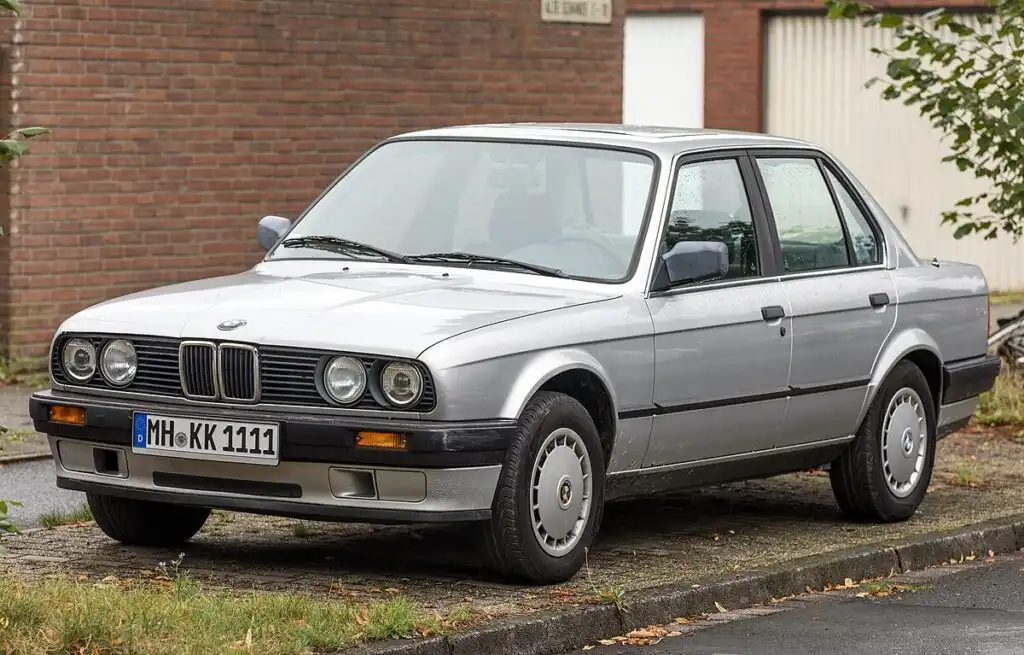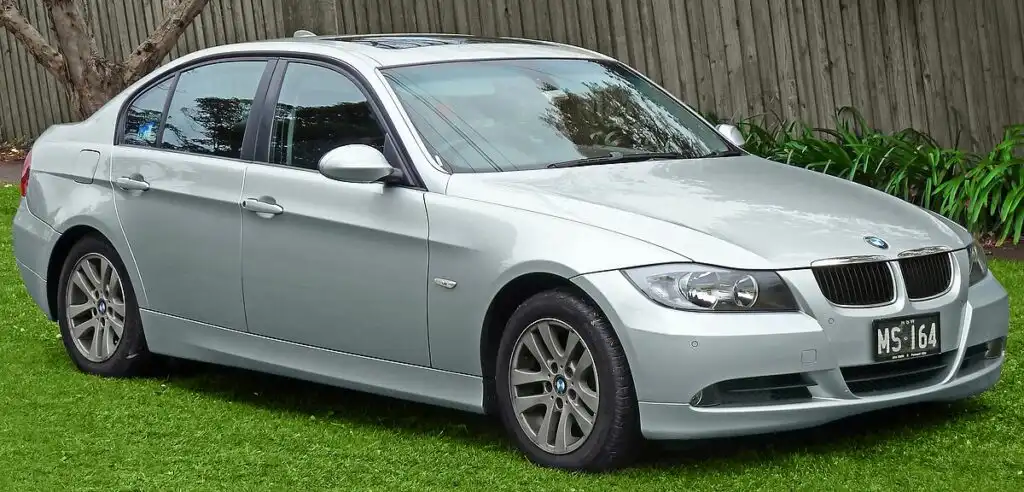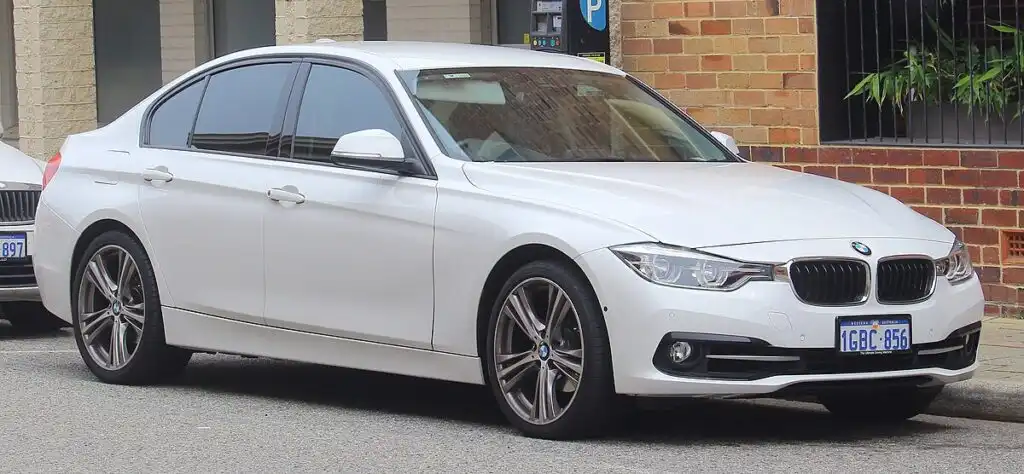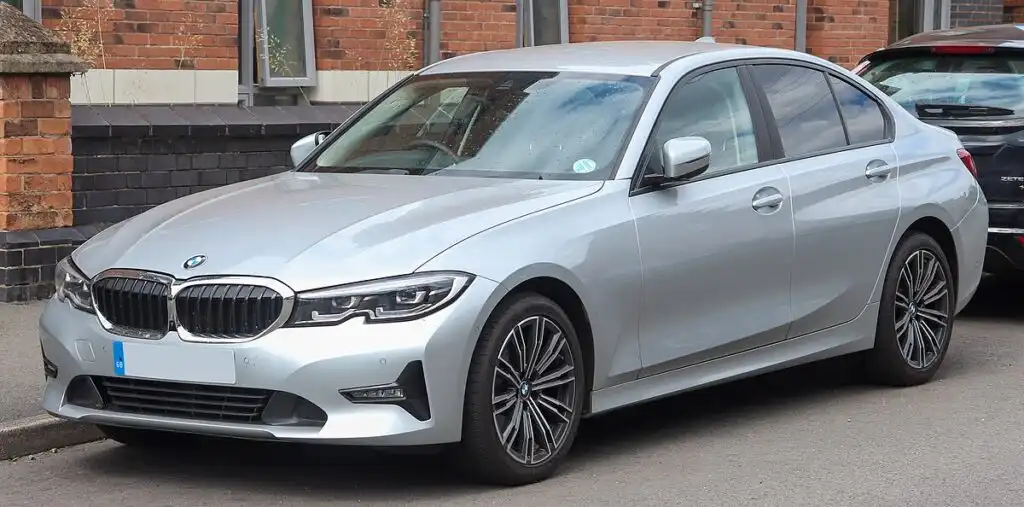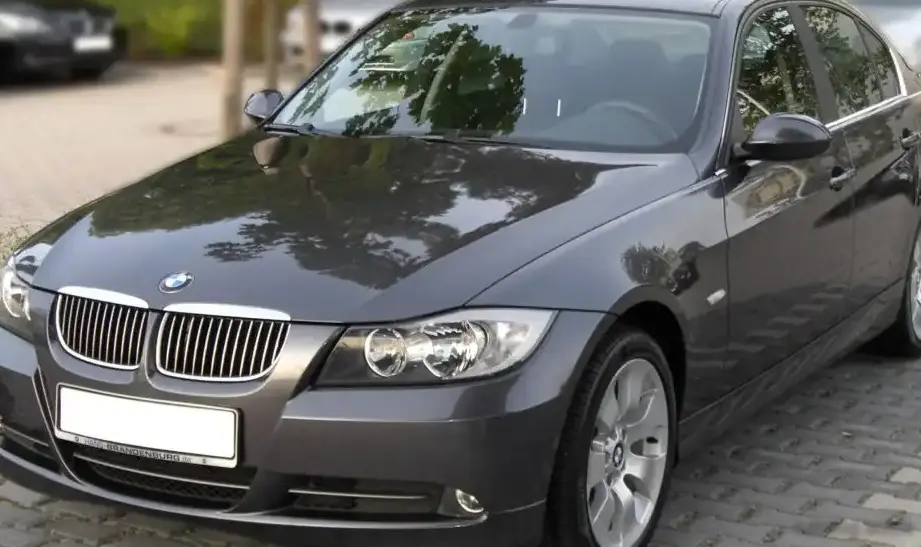
The BMW 3 Series Sedan (E90) 325i, produced from 2005 to 2007, represented a significant evolution in BMW’s long-standing tradition of sporty, compact executive cars. Positioned as a mid-range offering within the E90 generation, the 325i aimed to balance performance and affordability, appealing to a broader customer base than the higher-performance 335i models. It served as a key model in the North American market, where BMW sought to maintain its position as a leading premium automotive brand. The E90 chassis, internally designated as the ‘E90’, marked a departure from its predecessor (E46) with increased dimensions, a more sophisticated suspension design, and a focus on enhanced interior refinement.
Technical Specifications
| Brand | BMW |
| Model | 3 Series |
| Generation | 3 Series Sedan (E90) |
| Type (Engine) | 325i (218 Hp) |
| Start of production | 2005 |
| End of production | 2007 |
| Powertrain Architecture | Internal Combustion engine |
| Body type | Sedan |
| Seats | 5 |
| Doors | 4 |
| Fuel consumption (economy) – urban | 12.1 l/100 km (19.4 US mpg) |
| Fuel consumption (economy) – extra urban | 6.2 l/100 km (37.9 US mpg) |
| Fuel consumption (economy) – combined | 8.4 l/100 km (28 US mpg) |
| Fuel Type | Petrol (Gasoline) |
| Acceleration 0 – 100 km/h | 7 sec |
| Acceleration 0 – 62 mph | 7 sec |
| Acceleration 0 – 60 mph | 6.7 sec |
| Maximum speed | 245 km/h (152.24 mph) |
| Weight-to-power ratio | 6.8 kg/Hp |
| Weight-to-torque ratio | 6 kg/Nm |
| Power | 218 Hp @ 6500 rpm |
| Power per litre | 87.3 Hp/l |
| Torque | 250 Nm @ 2750 rpm (184.39 lb.-ft. @ 2750 rpm) |
| Engine layout | Front, Longitudinal |
| Engine Model/Code | N52B25A |
| Engine displacement | 2497 cm3 (152.38 cu. in.) |
| Number of cylinders | 6 |
| Engine configuration | Inline |
| Cylinder Bore | 82 mm (3.23 in.) |
| Piston Stroke | 78.8 mm (3.1 in.) |
| Compression ratio | 11:1 |
| Number of valves per cylinder | 4 |
| Fuel injection system | Multi-port manifold injection |
| Engine aspiration | Naturally aspirated engine |
| Engine oil capacity | 6.5 l (6.87 US qt | 5.72 UK qt) |
| Coolant | 8.2 l (8.66 US qt | 7.21 UK qt) |
| Kerb Weight | 1490 kg (3284.89 lbs.) |
| Max. weight | 1935 kg (4265.94 lbs.) |
| Max load | 445 kg (981.06 lbs.) |
| Trunk (boot) space – minimum | 460 l (16.24 cu. ft.) |
| Fuel tank capacity | 60 l (15.85 US gal | 13.2 UK gal) |
| Length | 4520 mm (177.95 in.) |
| Width | 1817 mm (71.54 in.) |
| Height | 1421 mm (55.94 in.) |
| Wheelbase | 2760 mm (108.66 in.) |
| Front track | 1500 mm (59.06 in.) |
| Rear (Back) track | 1513 mm (59.57 in.) |
| Drivetrain Architecture | Rear wheel drive |
| Drive wheel | Rear wheel drive |
| Number of gears and type of gearbox | 6 gears, manual transmission |
| Front suspension | Spring Strut |
| Rear suspension | Coil spring |
| Front brakes | Ventilated discs |
| Rear brakes | Disc |
| Assisting systems | ABS (Anti-lock braking system) |
| Steering type | Steering rack and pinion |
| Tires size | 205/55 R16 W |
| Wheel rims size | 7J x 16 |
Powertrain & Engine Architecture
The heart of the 325i was the N52B25A, a 2.5-liter inline-six engine. This engine was a significant upgrade over the previous M54 engine, featuring a fully variable valve timing system (Double-VANOS) and a lighter-weight construction. The N52 utilized a magnesium alloy engine block and plastic valve cover, contributing to reduced weight and improved efficiency. Fuel delivery was managed by a Siemens multi-port fuel injection system, providing precise fuel metering for optimal combustion. The engine produced 218 horsepower at 6500 rpm and 184 lb-ft of torque at 2750 rpm. The standard transmission for the 325i was a precise and robust 6-speed manual gearbox. However, a 6-speed automatic transmission was also available, offering convenience at the expense of some performance and fuel economy. The automatic transmission featured adaptive shift programming, adjusting shift points based on driving style.
Driving Characteristics
The 325i with the manual transmission offered a balanced and engaging driving experience. Acceleration from 0-60 mph took approximately 6.7 seconds, making it competitive within its class. The inline-six engine delivered smooth and linear power delivery, providing ample torque for everyday driving and spirited acceleration. The automatic transmission, while convenient, resulted in slightly slower acceleration times and a less direct connection to the engine. Gear ratios were tuned for a blend of fuel efficiency and responsiveness. Compared to the more powerful 335i models (equipped with a turbocharged inline-six), the 325i felt less urgent in its acceleration, but it offered a more manageable and predictable power curve. The suspension, tuned for comfort and handling, provided a good balance between ride quality and cornering stability.
Equipment & Trim Levels
The 325i came standard with a respectable array of features, including power windows, power locks, a multi-function steering wheel, and an automatic climate control system. Upholstery was typically cloth, although leather upholstery was available as an option. Optional extras included a premium sound system, a sunroof, navigation system, and sport seats. The ‘Sport Package’ was a popular option, adding sport suspension, sport seats, and unique exterior styling cues. Interior trim options ranged from basic wood trim to more luxurious aluminum accents. The dashboard layout was typical of BMW at the time, with a driver-focused design and intuitive controls.
Chassis & Braking
The E90 325i utilized a MacPherson strut front suspension and a multi-link rear suspension, providing a comfortable ride and precise handling. The chassis was designed to be rigid, enhancing stability and responsiveness. Braking duties were handled by ventilated disc brakes at the front and solid disc brakes at the rear. Anti-lock braking system (ABS) was standard, enhancing safety and control during emergency braking situations. The steering system employed a rack-and-pinion setup, providing precise and responsive steering feel.
Market Reception & Comparison
The 325i was generally well-received by automotive critics, who praised its balanced handling, refined interior, and smooth engine. However, some critics noted that the automatic transmission could feel sluggish at times. Compared to the 335i, the 325i offered a more affordable entry point into the 3 Series range, making it a popular choice for buyers who prioritized value and fuel efficiency. Fuel economy was rated at 28 mpg combined, making it relatively efficient for a premium sedan. Reliability was generally good, although some owners reported issues with the cooling system and oil leaks.
Legacy
The E90 325i has proven to be a relatively reliable and durable vehicle, with many examples still on the road today. The N52 engine is known for its longevity and relatively low maintenance costs, although regular maintenance is crucial to prevent issues. The 325i remains a popular choice in the used car market, offering a blend of performance, luxury, and affordability. Its balanced driving characteristics and refined interior continue to appeal to enthusiasts and everyday drivers alike. While not as sought-after as the 335i, the 325i represents a sweet spot in the E90 lineup, offering a compelling combination of value and driving enjoyment.