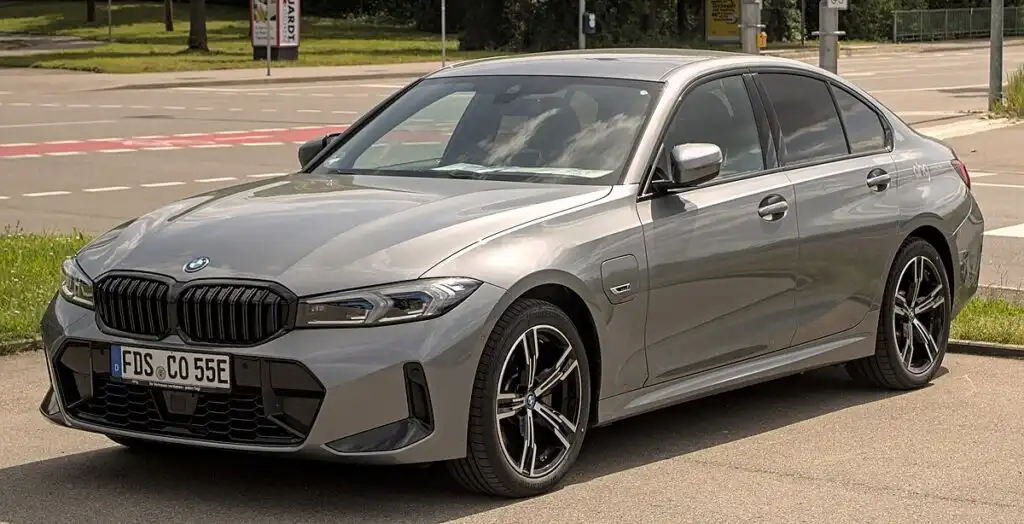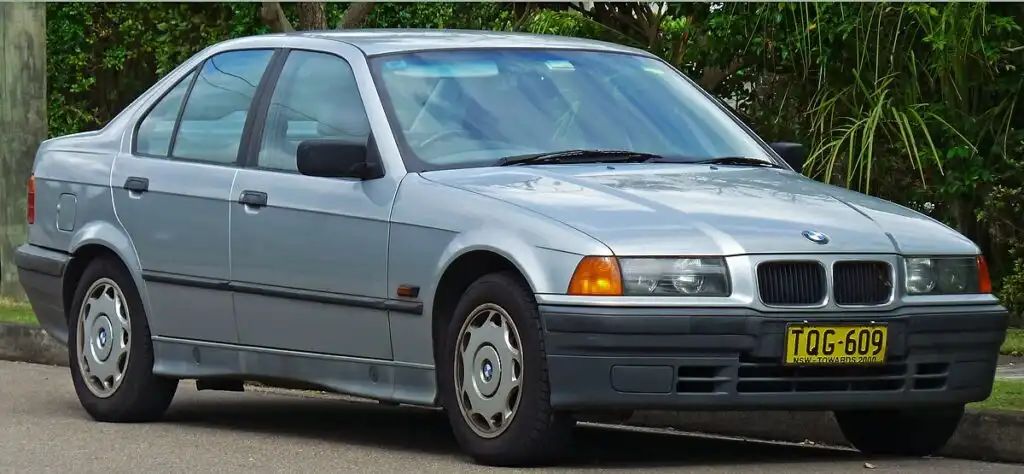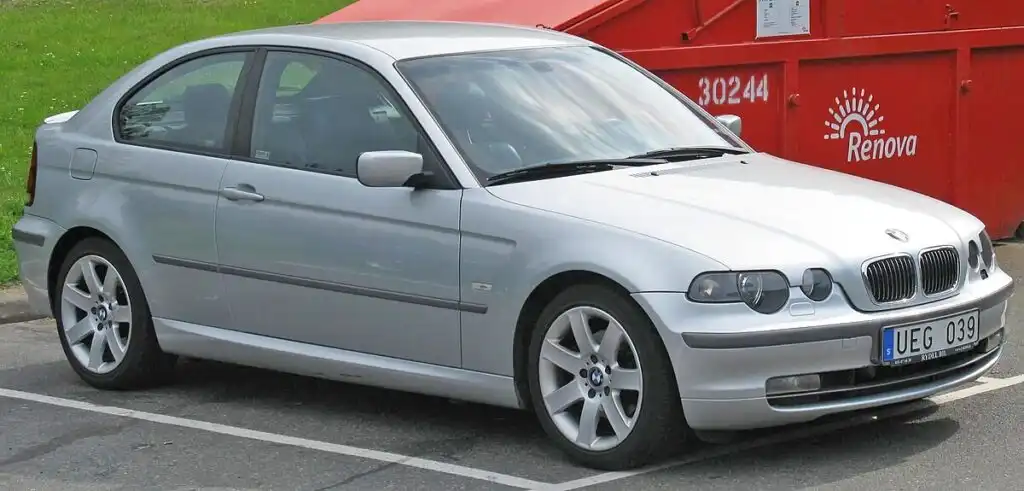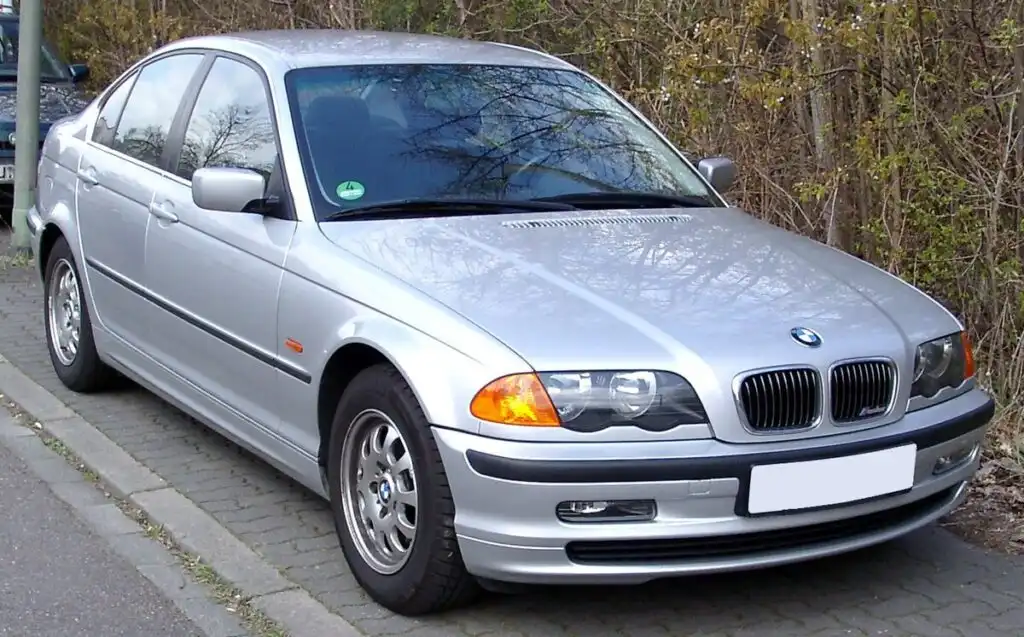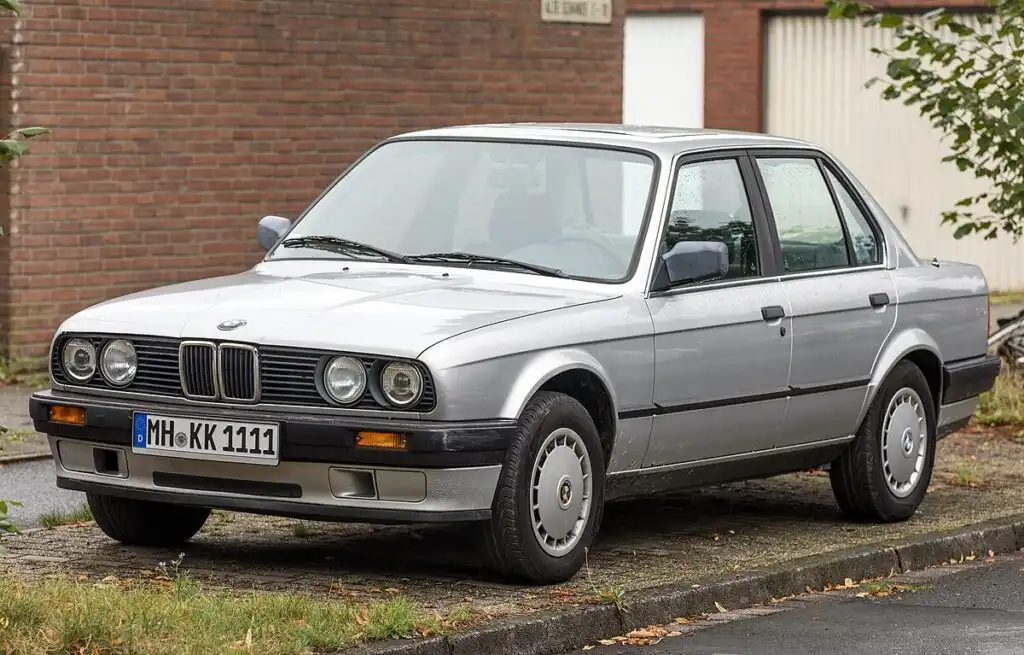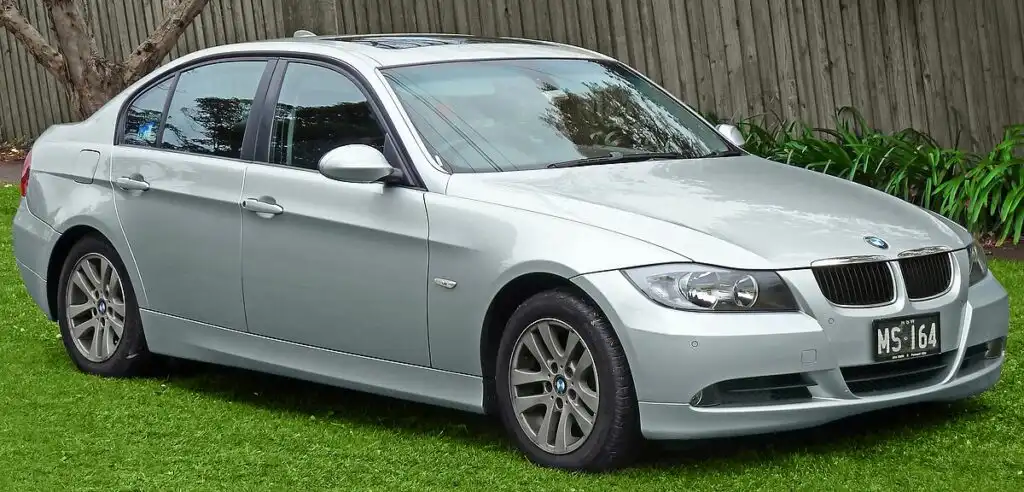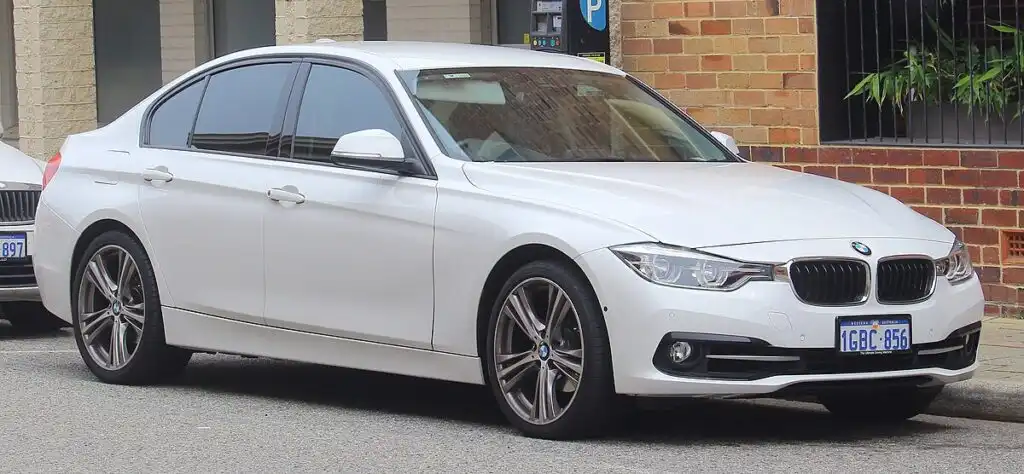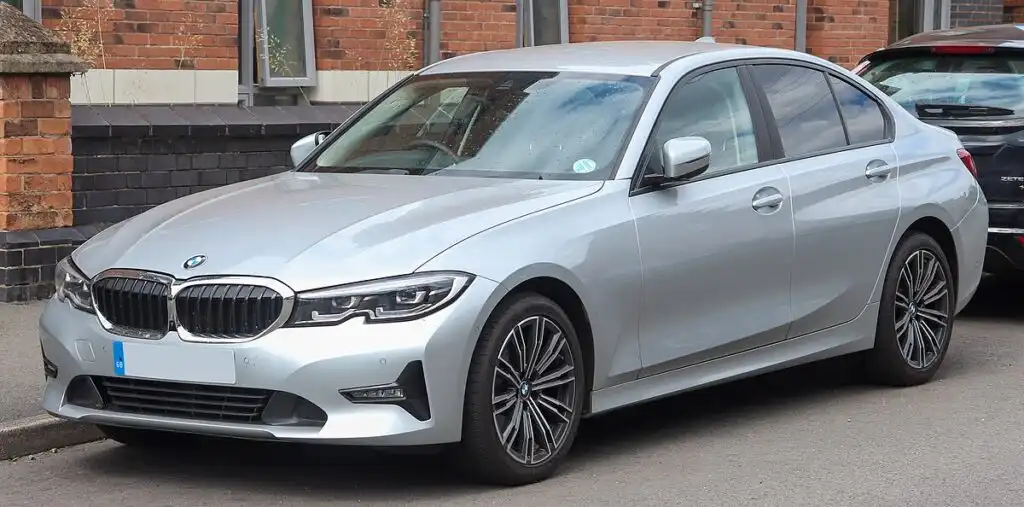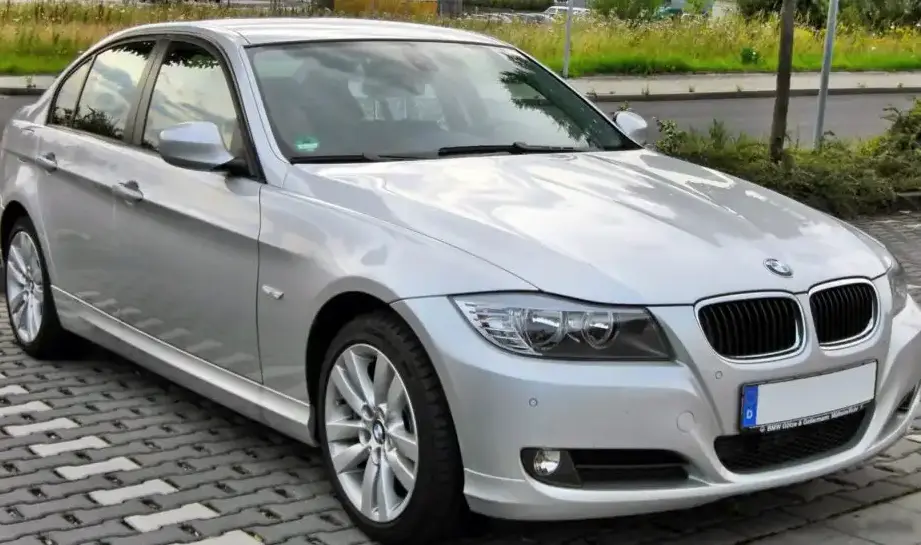
The BMW 3 Series Sedan (E90 LCI), specifically the 325d variant with the Steptronic automatic transmission, represents a significant iteration of BMW’s iconic sports sedan. Produced from 2010 to 2012, this model falls within the LCI (Life Cycle Impulse) facelift of the E90 generation, bringing with it revised styling, updated technology, and refined engine options. The 325d Steptronic occupied a middle ground in the 3 Series lineup, offering a balance between performance, fuel efficiency, and comfort, appealing to buyers seeking a premium driving experience without the higher price tag of the more powerful 335d or the sport-focused trims.
Technical Specifications
| Brand | BMW |
| Model | 3 Series |
| Generation | 3 Series Sedan (E90 LCI, facelift 2008) |
| Type (Engine) | 325d (204 Hp) Steptronic |
| Start of production | 2010 |
| End of production | 2012 |
| Powertrain Architecture | Internal Combustion engine |
| Body type | Sedan |
| Seats | 5 |
| Doors | 4 |
| Fuel consumption (urban) | 7.9 l/100 km (29.8 US mpg, 35.8 UK mpg, 12.7 km/l) |
| Fuel consumption (extra urban) | 5.1 l/100 km (46.1 US mpg, 55.4 UK mpg, 19.6 km/l) |
| Fuel consumption (combined) | 6.1 l/100 km (38.6 US mpg, 46.3 UK mpg, 16.4 km/l) |
| CO2 emissions | 160 g/km |
| Fuel Type | Diesel |
| Acceleration 0 – 100 km/h | 7.2 sec |
| Acceleration 0 – 62 mph | 7.2 sec |
| Acceleration 0 – 60 mph | 6.8 sec |
| Maximum speed | 240 km/h (149.13 mph) |
| Emission standard | Euro 5 |
| Weight-to-power ratio | 7.5 kg/Hp, 132.9 Hp/tonne |
| Weight-to-torque ratio | 3.6 kg/Nm, 280.1 Nm/tonne |
| Power | 204 Hp @ 3750 rpm |
| Torque | 430 Nm @ 1750 rpm (317.15 lb.-ft. @ 1750 rpm) |
| Engine layout | Front, Longitudinal |
| Engine Model/Code | N57D30A |
| Engine displacement | 2993 cm3 (182.64 cu. in.) |
| Number of cylinders | 6 |
| Engine configuration | Inline |
| Cylinder Bore | 84 mm (3.31 in.) |
| Piston Stroke | 90 mm (3.54 in.) |
| Compression ratio | 17:1 |
| Number of valves per cylinder | 4 |
| Fuel injection system | Diesel Commonrail |
| Engine aspiration | Turbocharger, Intercooler |
| Engine oil capacity | 7.5 l (7.93 US qt | 6.6 UK qt) |
| Coolant | 8.2 l (8.66 US qt | 7.21 UK qt) |
| Kerb Weight | 1535 kg (3384.1 lbs.) |
| Max. weight | 2060 kg (4541.52 lbs.) |
| Max load | 525 kg (1157.43 lbs.) |
| Trunk (boot) space – minimum | 460 l (16.24 cu. ft.) |
| Fuel tank capacity | 61 l (16.11 US gal | 13.42 UK gal) |
| Max. roof load | 75 kg (165.35 lbs.) |
| Permitted trailer load with brakes (12%) | 1800 kg (3968.32 lbs.) |
| Permitted trailer load without brakes | 750 kg (1653.47 lbs.) |
| Permitted towbar download | 75 kg (165.35 lbs.) |
| Length | 4531 mm (178.39 in.) |
| Width | 1817 mm (71.54 in.) |
| Height | 1421 mm (55.94 in.) |
| Wheelbase | 2760 mm (108.66 in.) |
| Front track | 1500 mm (59.06 in.) |
| Rear (Back) track | 1529 mm (60.2 in.) |
| Ride height (ground clearance) | 144 mm (5.67 in.) |
| Drag coefficient (Cd) | 0.28 |
| Minimum turning circle (turning diameter) | 11.0 m (36.09 ft.) |
| Drivetrain Architecture | Rear wheel drive |
| Number of gears and type of gearbox | 6 gears, automatic transmission |
| Front suspension | Independent coil spring |
| Rear suspension | Independent multi-link suspension |
| Front brakes | Ventilated discs |
| Rear brakes | Ventilated discs |
Powertrain & Engine Architecture
The heart of the 325d Steptronic is the N57D30A, a 3.0-liter inline-six diesel engine. This engine is a cornerstone of BMW’s diesel offerings from the late 2000s and early 2010s, known for its refinement and efficiency. The N57 features a common-rail direct injection system, delivering fuel at extremely high pressures for optimized combustion. A single variable geometry turbocharger (VGT) with intercooling provides forced induction, contributing to the engine’s 204 horsepower at 3750 rpm and a substantial 430 Nm (317 lb-ft) of torque available from just 1750 rpm. The Steptronic transmission is a 6-speed automatic, offering smooth shifts and a torque converter for enhanced drivability. This transmission was designed to handle the engine’s torque output effectively, providing a comfortable and responsive driving experience.
Driving Characteristics
The 325d Steptronic delivers a characteristically BMW driving experience, albeit with a focus on relaxed cruising and fuel economy. The automatic transmission, while not as engaging as the available manual, provides seamless gear changes and allows the engine to operate within its optimal torque band. Acceleration from 0-60 mph takes around 6.8 seconds, making it a reasonably quick vehicle for everyday driving. Compared to the more powerful 335d, the 325d feels less urgent, but it offers a more accessible power delivery, making it easier to modulate in traffic. The automatic transmission’s gear ratios are tuned for efficiency, prioritizing fuel economy over outright performance.
Equipment & Trim Levels
The 325d Steptronic typically came equipped with a generous array of standard features, including automatic climate control, power windows and mirrors, a multi-function steering wheel, and a basic audio system. Upholstery was usually cloth, with leather options available as an upgrade. Common optional extras included a premium sound system, navigation system, sunroof, and sport seats. The LCI facelift brought subtle interior revisions, including updated trim materials and improved infotainment options. The 325d trim level generally sat in the mid-range of the 3 Series lineup, offering a good balance of features and price.
Chassis & Braking
The E90 3 Series utilizes a sophisticated chassis design featuring independent suspension all around. The front suspension employs coil springs and struts, while the rear utilizes a multi-link setup. This configuration provides a comfortable ride while maintaining good handling characteristics. The 325d Steptronic typically came equipped with ventilated disc brakes on all four wheels, providing ample stopping power. Anti-lock Braking System (ABS) was standard, enhancing safety and control. Stabilizer bars were fitted front and rear to reduce body roll during cornering.
Market Reception & Comparison
The 325d Steptronic was generally well-received by automotive critics. It was praised for its refined engine, comfortable ride, and good fuel economy. However, some reviewers noted that the automatic transmission could feel slightly sluggish compared to the manual option. Compared to the 335d, the 325d offered a more affordable entry point into the 3 Series range, while still providing a premium driving experience. Its fuel economy was significantly better than the 335d, making it a more practical choice for drivers covering long distances.
Legacy
The N57D30A engine has proven to be remarkably durable, with many examples exceeding high mileage with proper maintenance. The 325d Steptronic, while not as sought-after as some of the more performance-oriented 3 Series variants, remains a popular choice in the used car market. Its combination of comfort, efficiency, and reliability makes it a practical and appealing option for buyers seeking a well-rounded sports sedan. Common maintenance items include regular oil changes, filter replacements, and occasional attention to the turbocharger and fuel injection system. Overall, the 325d Steptronic represents a well-engineered and dependable vehicle that continues to provide years of enjoyable driving.