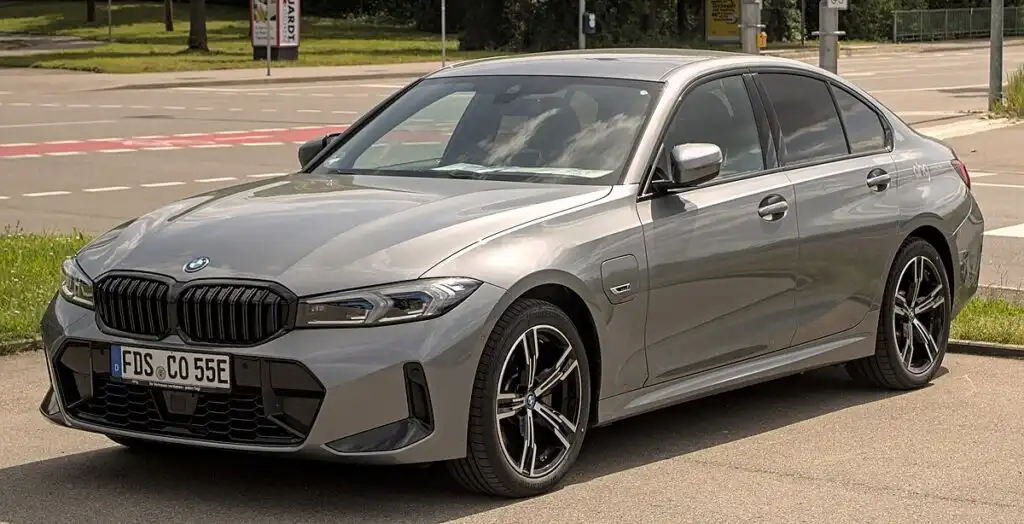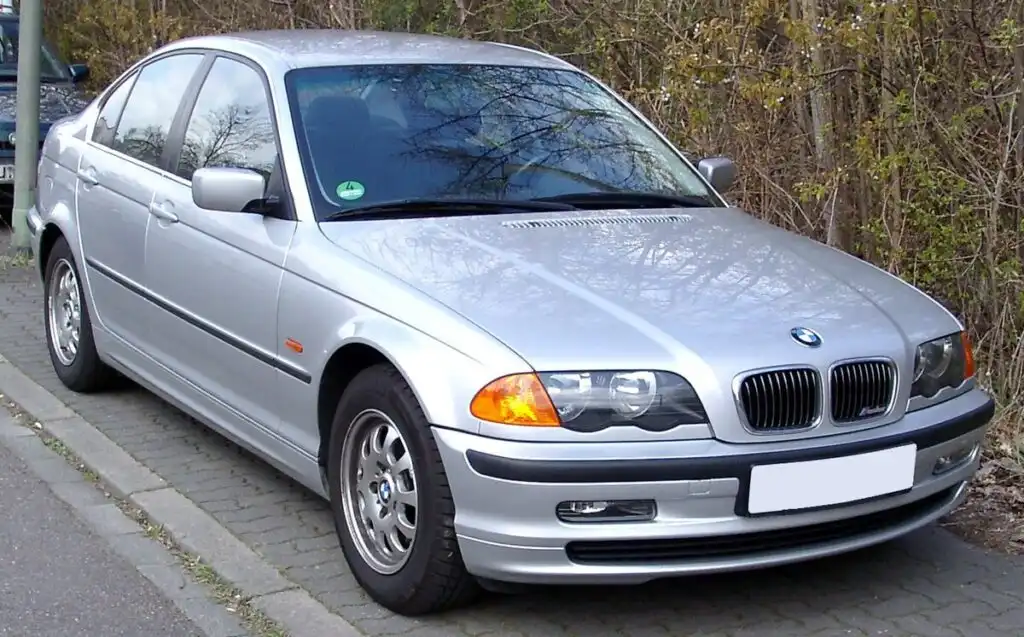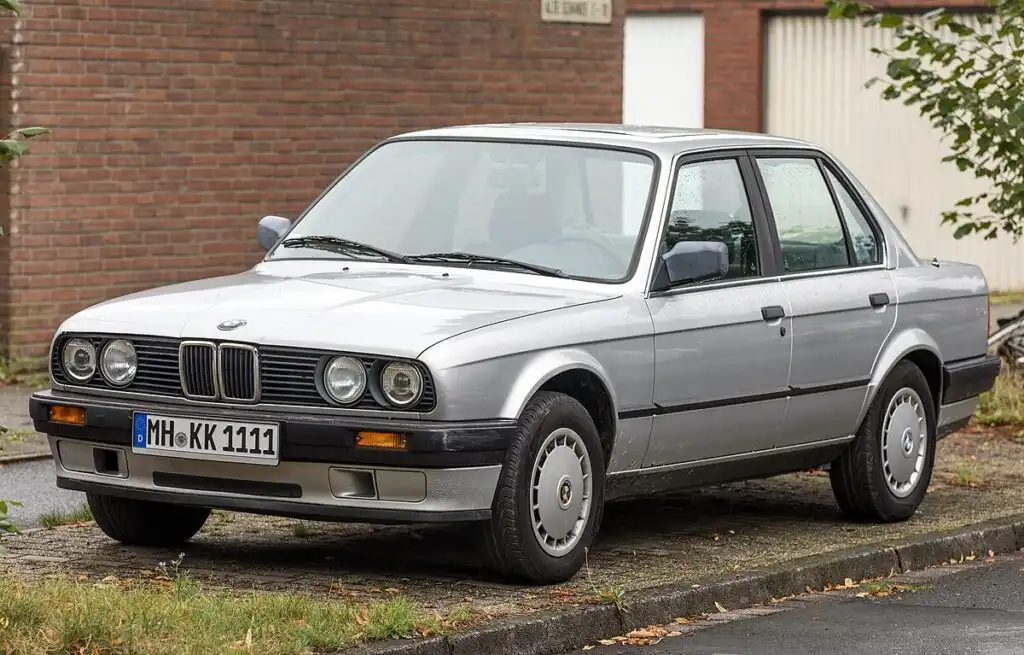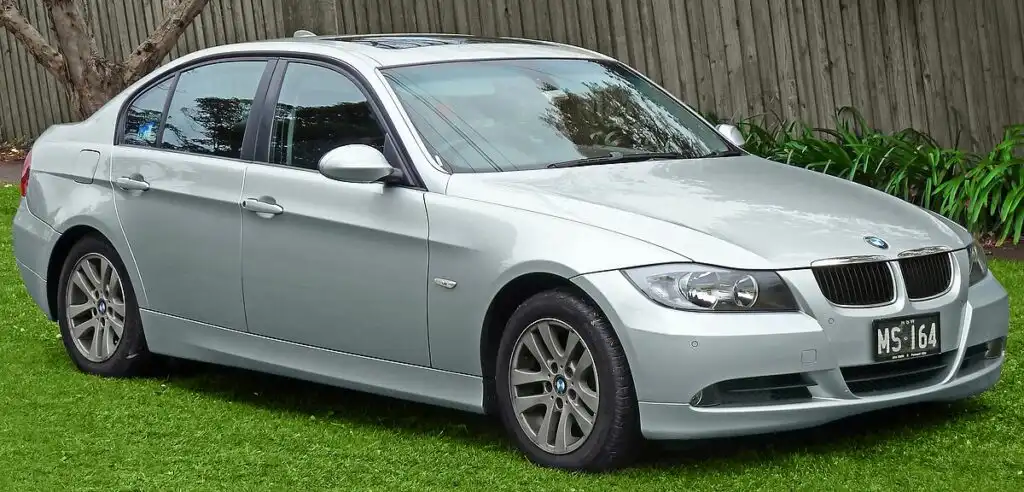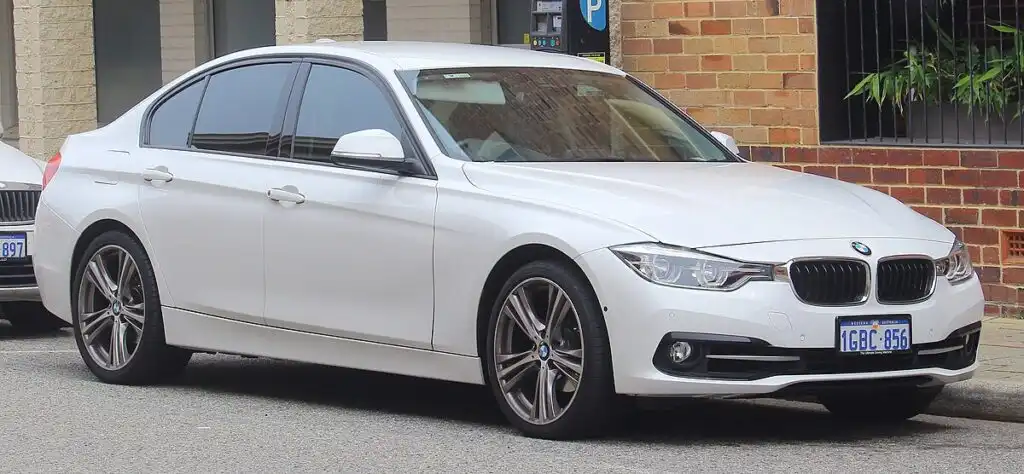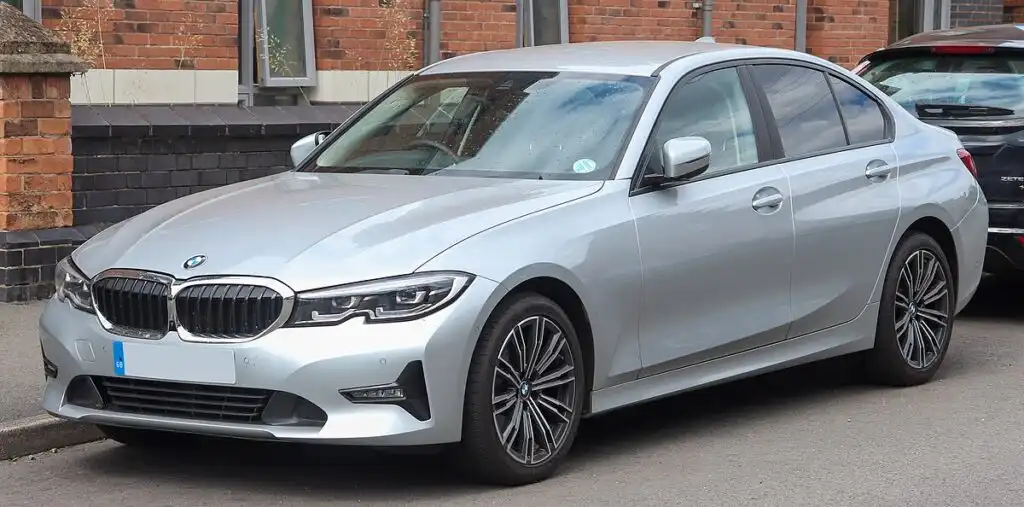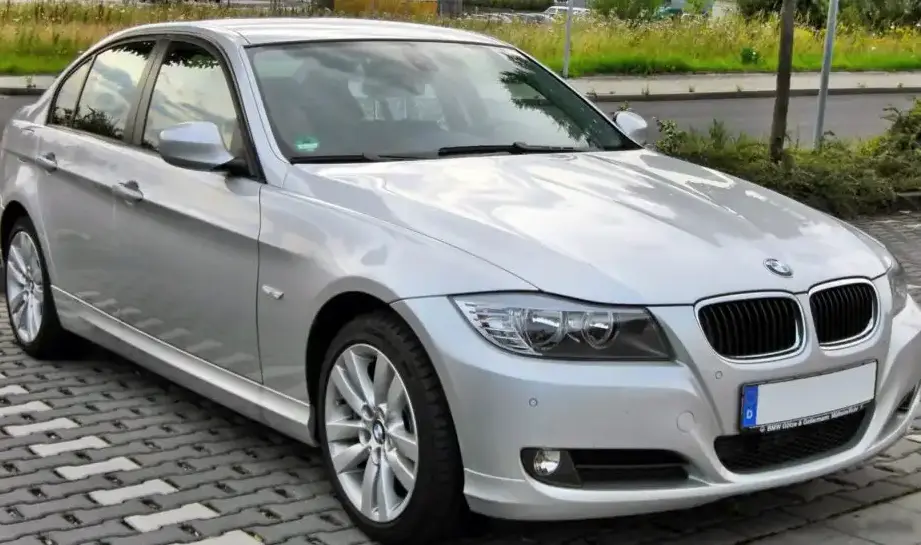
The BMW 3 Series Sedan (E90 LCI), specifically the 330d xDrive variant produced from 2009 to 2012, represented a significant evolution of BMW’s iconic sports sedan. This iteration, part of the E90’s Life Cycle Impulse (LCI) facelift, brought updated styling, enhanced efficiency, and refined technology to the 3 Series lineup. The 330d xDrive occupied a sweet spot in the range, offering a compelling blend of performance, fuel economy, and all-weather capability, appealing to buyers seeking a premium driving experience without the outright cost or sporting focus of the higher-tier models like the 335i. It was positioned as a step up from the 320d, offering considerably more power and torque for those willing to spend a bit more.
Technical Specifications
| Brand | BMW |
| Model | 3 Series |
| Generation | 3 Series Sedan (E90 LCI, facelift 2008) |
| Type (Engine) | 330d (245 Hp) xDrive |
| Start of production | 2009 |
| End of production | 2012 |
| Powertrain Architecture | Internal Combustion engine |
| Body type | Sedan |
| Seats | 5 |
| Doors | 4 |
| Fuel consumption (urban) | 8.3 l/100 km (28.3 US mpg, 34 UK mpg, 12 km/l) |
| Fuel consumption (extra urban) | 5.5 l/100 km (42.8 US mpg, 51.4 UK mpg, 18.2 km/l) |
| Fuel consumption (combined) | 6.5 l/100 km (36.2 US mpg, 43.5 UK mpg, 15.4 km/l) |
| CO2 emissions | 171 g/km |
| Fuel Type | Diesel |
| Acceleration 0 – 100 km/h | 5.9 sec |
| Acceleration 0 – 62 mph | 5.9 sec |
| Acceleration 0 – 60 mph | 5.6 sec |
| Maximum speed | 247 km/h (153.48 mph) |
| Emission standard | Euro 5 |
| Weight-to-power ratio | 6.7 kg/Hp, 149.8 Hp/tonne |
| Weight-to-torque ratio | 3.1 kg/Nm, 318 Nm/tonne |
| Power | 245 Hp @ 4000 rpm |
| Torque | 520 Nm @ 1750-3000 rpm (383.53 lb.-ft. @ 1750-3000 rpm) |
| Engine layout | Front, Longitudinal |
| Engine Model/Code | N57D30A |
| Engine displacement | 2993 cm3 (182.64 cu. in.) |
| Number of cylinders | 6 |
| Engine configuration | Inline |
| Cylinder Bore | 84 mm (3.31 in.) |
| Piston Stroke | 90 mm (3.54 in.) |
| Compression ratio | 16.5:1 |
| Number of valves per cylinder | 4 |
| Fuel injection system | Diesel Commonrail |
| Engine aspiration | Turbocharger, Intercooler |
| Engine oil capacity | 7.5 l (7.93 US qt | 6.6 UK qt) |
| Coolant | 7.9 l (8.35 US qt | 6.95 UK qt) |
| Kerb Weight | 1635 kg (3604.56 lbs.) |
| Max. weight | 2155 kg (4750.96 lbs.) |
| Max load | 520 kg (1146.4 lbs.) |
| Trunk (boot) space – minimum | 460 l (16.24 cu. ft.) |
| Fuel tank capacity | 61 l (16.11 US gal | 13.42 UK gal) |
| Max. roof load | 75 kg (165.35 lbs.) |
| Permitted trailer load with brakes (12%) | 1800 kg (3968.32 lbs.) |
| Permitted trailer load without brakes | 750 kg (1653.47 lbs.) |
| Permitted towbar download | 75 kg (165.35 lbs.) |
| Length | 4531 mm (178.39 in.) |
| Width | 1817 mm (71.54 in.) |
| Width including mirrors | 1989 mm (78.31 in.) |
| Height | 1421 mm (55.94 in.) |
| Wheelbase | 2760 mm (108.66 in.) |
| Front track | 1500 mm (59.06 in.) |
| Rear (Back) track | 1529 mm (60.2 in.) |
| Ride height (ground clearance) | 140 mm (5.51 in.) |
| Drag coefficient (Cd) | 0.30 |
| Minimum turning circle (turning diameter) | 11.8 m (38.71 ft.) |
| Drive wheel | All wheel drive (4×4) |
| Number of gears and type of gearbox | 6 gears, manual transmission |
| Front suspension | Independent coil spring |
| Rear suspension | Independent multi-link suspension |
| Front brakes | Ventilated discs |
| Rear brakes | Ventilated discs |
| Assisting systems | ABS (Anti-lock braking system) |
| Steering type | Steering rack and pinion |
| Power steering | Electric Steering |
| Tires size | 225/45 R17 91W |
| Wheel rims size | 8J x 17 |
Powertrain & Engine Architecture
The heart of the 330d xDrive was the N57D30A, a 3.0-liter inline-six diesel engine. This engine was a cornerstone of BMW’s diesel offerings, known for its smooth operation, strong low-end torque, and relatively quiet operation for a diesel. The N57 featured common-rail direct injection, delivering fuel at extremely high pressures for optimized combustion. A variable geometry turbocharger (VGT) with intercooling further enhanced performance and efficiency. The engine produced 245 horsepower at 4000 rpm and a substantial 520 Nm (383 lb-ft) of torque between 1750 and 3000 rpm. This broad torque curve provided excellent responsiveness in everyday driving situations. The xDrive system, BMW’s all-wheel-drive technology, distributed power between the front and rear axles as needed, enhancing traction and stability, particularly in adverse weather conditions. The 6-speed manual transmission was standard, offering precise shifts and driver engagement.
Driving Characteristics
The 330d xDrive offered a refined and capable driving experience. The abundant torque made for effortless acceleration, with strong pull available from low engine speeds. While not as overtly sporty as the 335i, the 330d provided ample power for confident overtaking and highway cruising. The xDrive system instilled a sense of security and stability, especially on slippery surfaces. The 6-speed manual transmission, while engaging, had relatively long throws compared to some competitors. The suspension, tuned for a balance between comfort and handling, provided a compliant ride without sacrificing too much body control. Compared to the 320d, the 330d felt significantly more powerful and responsive, making it a more rewarding choice for drivers who prioritized performance.
Equipment & Trim Levels
The 330d xDrive typically came well-equipped, reflecting its position as a mid-range offering. Standard features included automatic climate control, power windows and locks, a multi-function steering wheel, and a basic audio system. Upholstery was typically cloth or leatherette, with full leather available as an option. Optional extras included a premium sound system, navigation system, sunroof, sport seats, and parking sensors. The LCI facelift brought subtle interior revisions, including updated trim materials and improved infotainment options.
Chassis & Braking
The E90 3 Series utilized a MacPherson strut front suspension and a multi-link rear suspension, providing a good balance of ride comfort and handling precision. The 330d xDrive featured slightly stiffer springs and dampers compared to the base models to cope with the added weight of the all-wheel-drive system. Braking duties were handled by ventilated disc brakes on all four wheels, providing ample stopping power. ABS (Anti-lock Braking System) and electronic stability control were standard safety features.
Market Reception & Comparison
The 330d xDrive was generally well-received by automotive critics. It was praised for its strong performance, fuel efficiency, and all-weather capability. Compared to its rivals, such as the Audi A4 TDI quattro and the Mercedes-Benz C300 CDI 4MATIC, the 330d offered a more engaging driving experience and a more refined interior. Fuel economy was a strong point, with combined figures around 36.2 US mpg. Reliability was generally good, although some owners reported issues with the diesel particulate filter (DPF) and turbocharger over the long term.
Legacy
The N57 engine family, including the N57D30A found in the 330d xDrive, has proven to be remarkably durable. Properly maintained examples continue to provide reliable service today. The E90 330d xDrive remains a popular choice in the used car market, appealing to buyers seeking a well-rounded and capable sports sedan. While newer BMW models offer more advanced technology and features, the E90 330d xDrive still represents a compelling value proposition for those seeking a premium driving experience at a reasonable price.