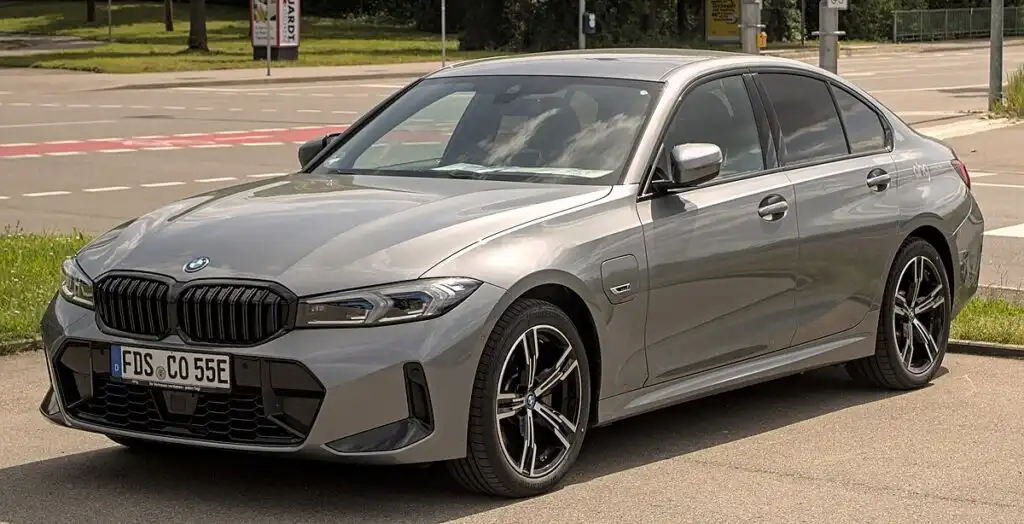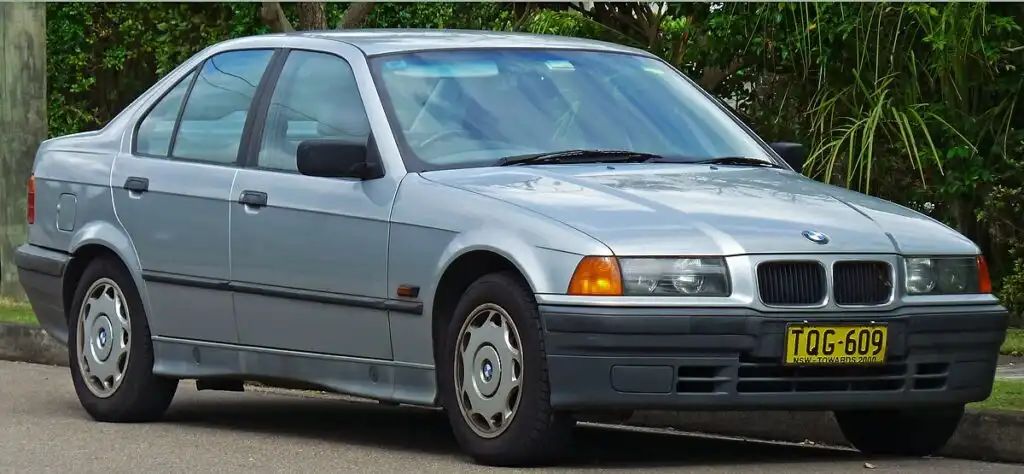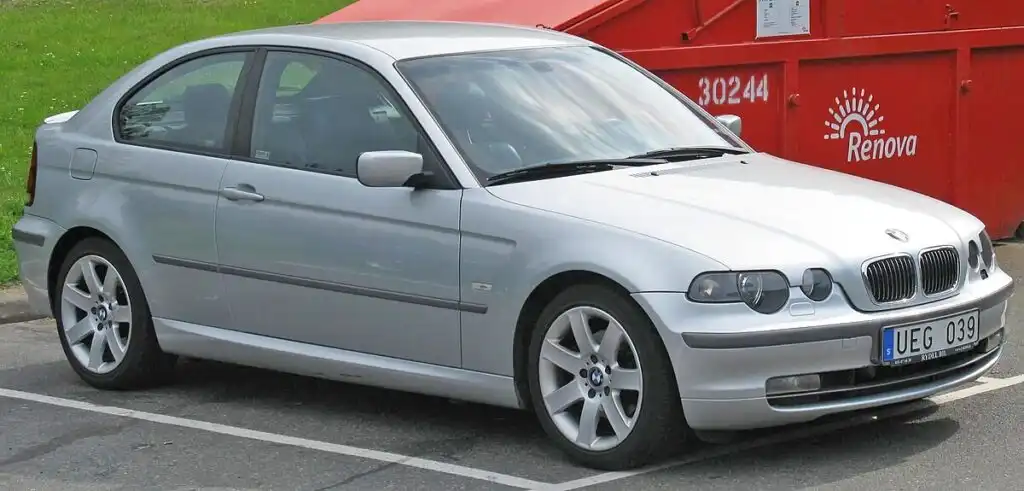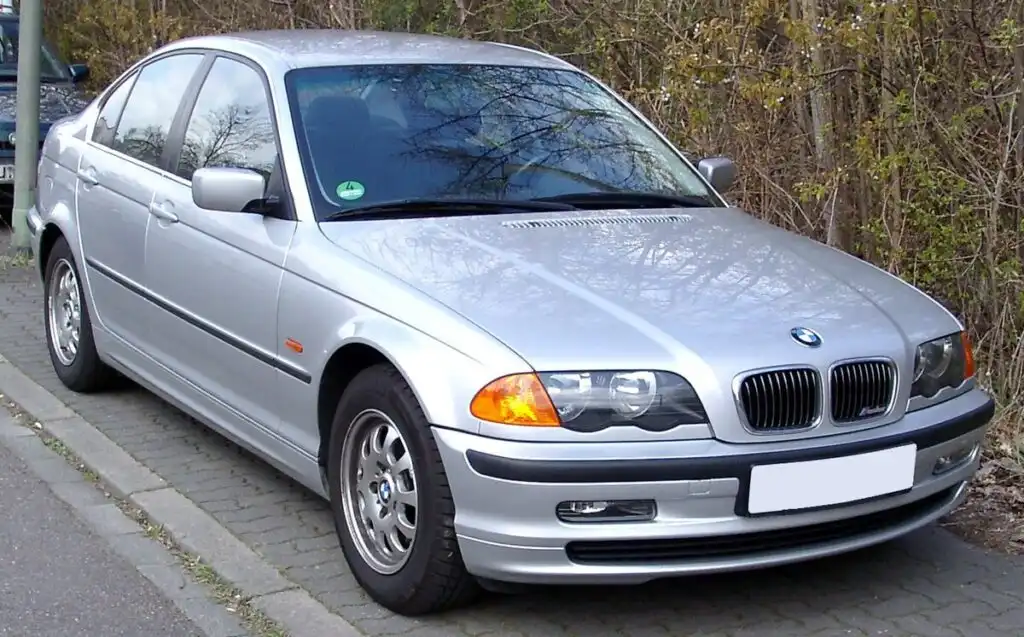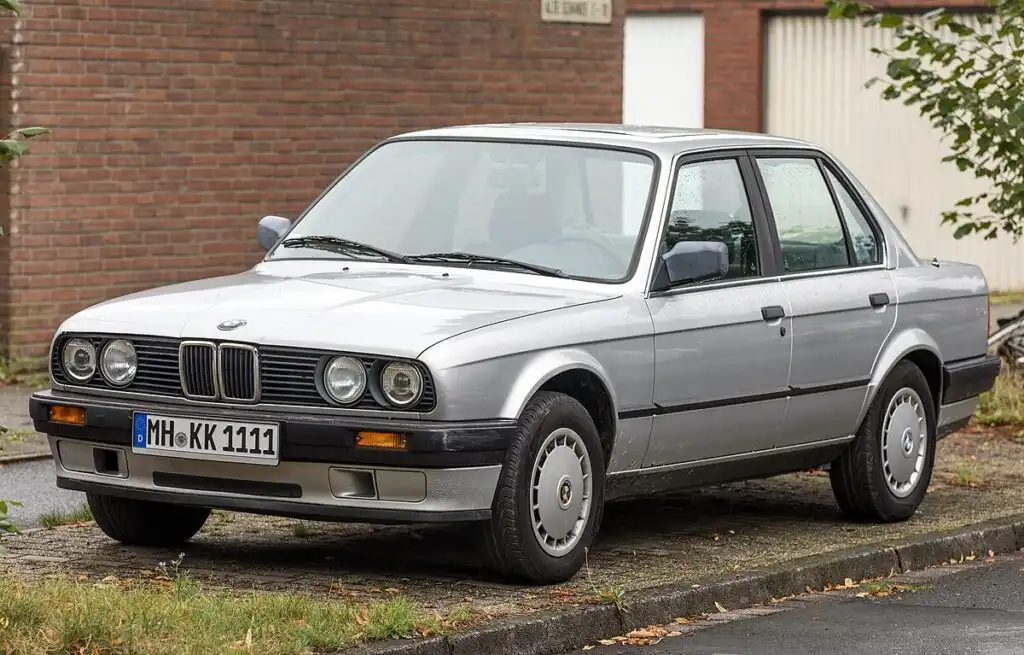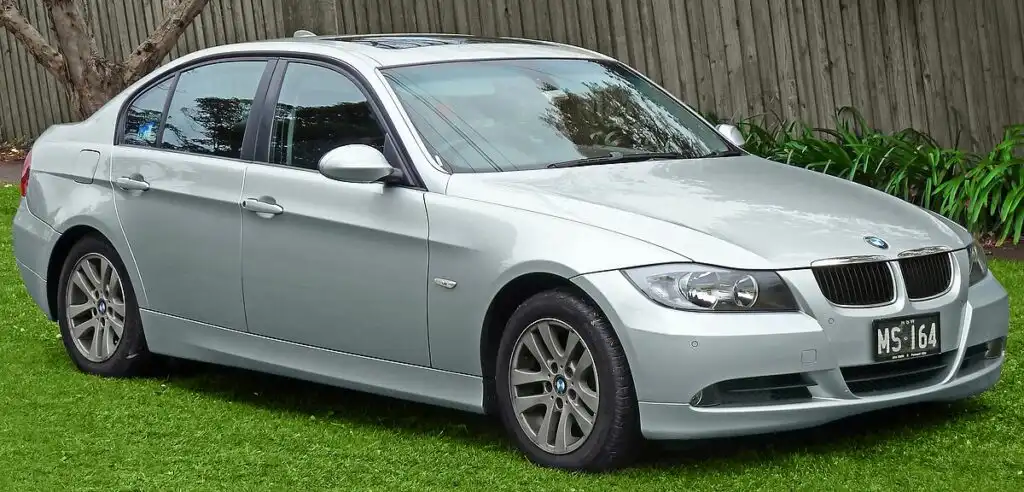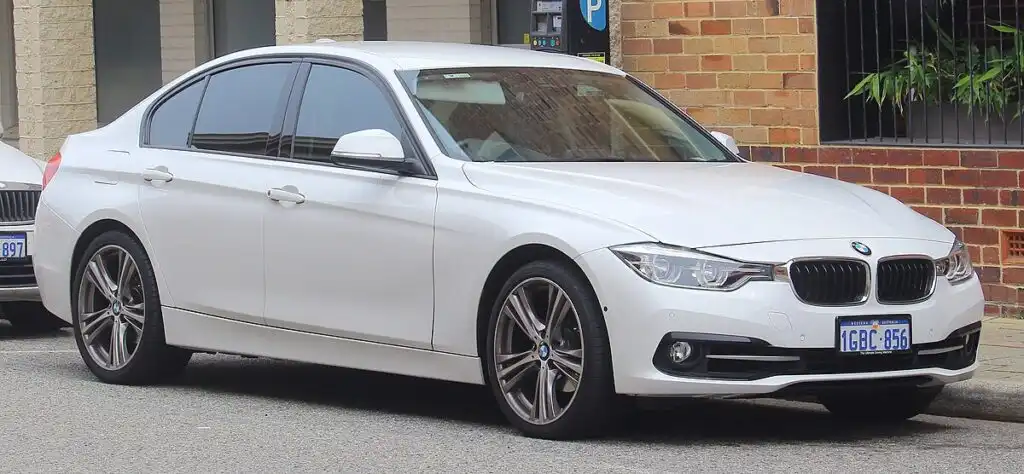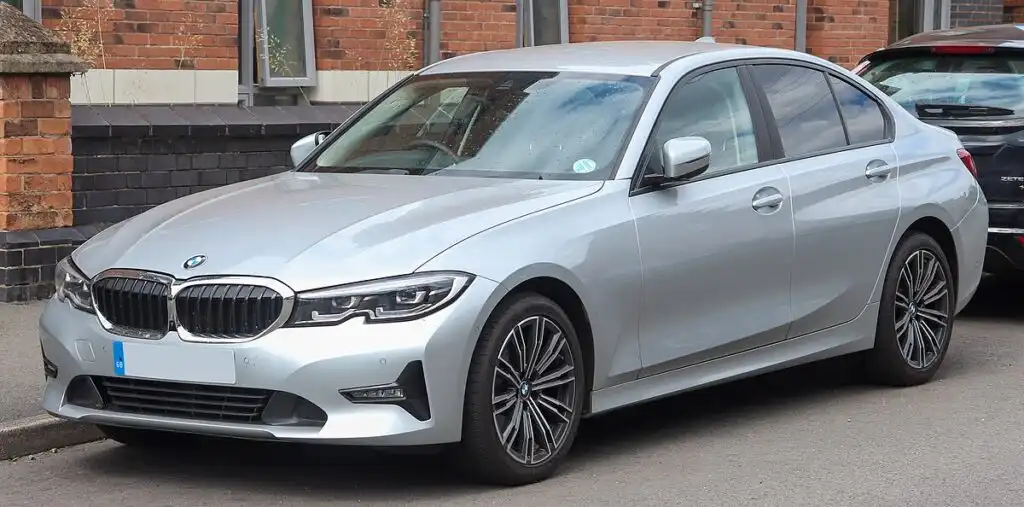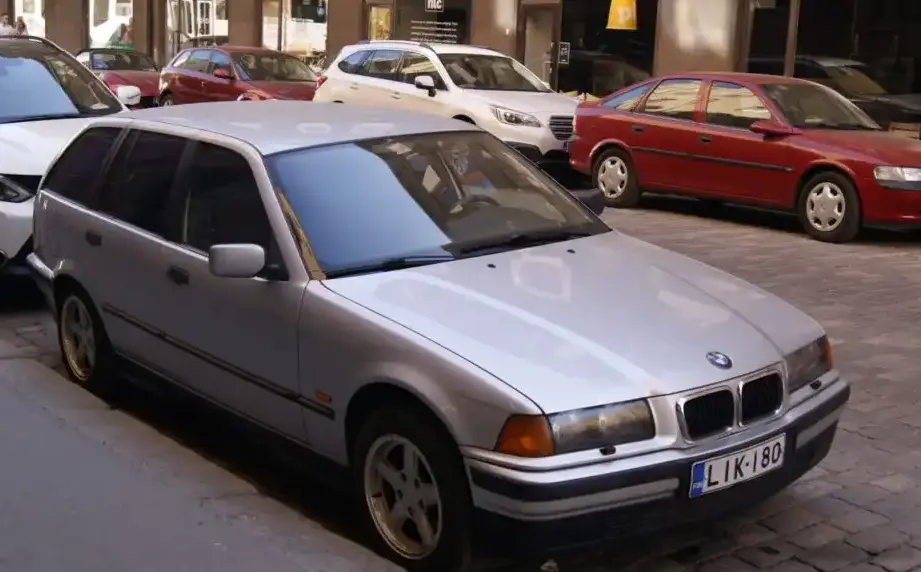
The BMW 3 Series Touring (E36) 320i Automatic, produced between 1994 and 1999, represents a compelling blend of practicality and the renowned BMW driving experience. Positioned as a mid-range offering within the E36 Touring lineup, it catered to buyers seeking the versatility of a station wagon (estate) without sacrificing the sporting character associated with the 3 Series. This variant utilized the M52B20 engine paired with a 5-speed automatic transmission, offering a comfortable and accessible entry point into the premium compact touring segment. It was a popular choice in Europe, where the demand for practical, yet upscale, vehicles was high.
Technical Specifications
| Brand | BMW |
| Model | 3 Series |
| Generation | 3 Series Touring (E36) |
| Type (Engine) | 320i (150 Hp) Automatic |
| Start of production | 1994 |
| End of production | 1999 |
| Powertrain Architecture | Internal Combustion engine |
| Body type | Station wagon (estate) |
| Seats | 5 |
| Doors | 5 |
| Fuel consumption (urban) | 12.9 l/100 km (18.2 US mpg, 21.9 UK mpg, 7.8 km/l) |
| Fuel consumption (extra urban) | 6.8 l/100 km (34.6 US mpg, 41.5 UK mpg, 14.7 km/l) |
| Fuel consumption (combined) | 9 l/100 km (26.1 US mpg, 31.4 UK mpg, 11.1 km/l) |
| Fuel Type | Petrol (Gasoline) |
| Acceleration 0 – 100 km/h | 10.2 sec |
| Acceleration 0 – 62 mph | 10.2 sec |
| Acceleration 0 – 60 mph | 9.7 sec |
| Maximum speed | 212 km/h (131.73 mph) |
| Weight-to-power ratio | 9 kg/Hp, 111.5 Hp/tonne |
| Weight-to-torque ratio | 7.1 kg/Nm, 141.3 Nm/tonne |
| Power | 150 Hp @ 5900 rpm |
| Power per litre | 75.3 Hp/l |
| Torque | 190 Nm @ 4200 rpm (140.14 lb.-ft. @ 4200 rpm) |
| Engine layout | Front, Longitudinal |
| Engine Model/Code | M52B20 |
| Engine displacement | 1991 cm3 (121.5 cu. in.) |
| Number of cylinders | 6 |
| Engine configuration | Inline |
| Cylinder Bore | 80 mm (3.15 in.) |
| Piston Stroke | 66 mm (2.6 in.) |
| Compression ratio | 11:1 |
| Number of valves per cylinder | 4 |
| Fuel injection system | Multi-port manifold injection |
| Engine aspiration | Naturally aspirated engine |
| Valvetrain | DOHC |
| Engine oil capacity | 6.5 l (6.87 US qt | 5.72 UK qt) |
| Coolant | 10.5 l (11.1 US qt | 9.24 UK qt) |
| Kerb Weight | 1345 kg (2965.22 lbs.) |
| Max. weight | 1845 kg (4067.53 lbs.) |
| Max load | 500 kg (1102.31 lbs.) |
| Trunk (boot) space – minimum | 370 l (13.07 cu. ft.) |
| Trunk (boot) space – maximum | 1320 l (46.62 cu. ft.) |
| Fuel tank capacity | 62 l (16.38 US gal | 13.64 UK gal) |
| Length | 4433 mm (174.53 in.) |
| Width | 1698 mm (66.85 in.) |
| Height | 1391 mm (54.76 in.) |
| Wheelbase | 2700 mm (106.3 in.) |
| Front track | 1418 mm (55.83 in.) |
| Rear (Back) track | 1431 mm (56.34 in.) |
| Ride height (ground clearance) | 110 mm (4.33 in.) |
| Drivetrain Architecture | Rear wheel drive |
| Drive wheel | Rear wheel drive |
| Number of gears and type of gearbox | 5 gears, automatic transmission |
| Front suspension | Wishbone |
| Rear suspension | Coil spring |
| Front brakes | Ventilated discs |
| Rear brakes | Disc |
| Assisting systems | ABS (Anti-lock braking system) |
| Steering type | Steering rack and pinion |
| Power steering | Hydraulic Steering |
| Tires size | 205/60 R15 |
| Wheel rims size | 15 |
Powertrain & Engine Architecture
At the heart of the 320i Touring Automatic lies the M52B20, a 2.0-liter inline-six cylinder engine. This engine is a cornerstone of BMW’s engineering prowess during the 1990s, known for its smooth power delivery and inherent balance. The M52 featured a cast iron block with an aluminum cylinder head, incorporating double overhead camshafts (DOHC) and four valves per cylinder. Fuel delivery was managed by a Bosch Motronic multi-port fuel injection system, optimizing combustion for both performance and efficiency. The engine produced 150 horsepower at 5900 rpm and 190 Nm (140 lb-ft) of torque at 4200 rpm. Paired with this engine was a 5-speed automatic transmission (typically the GM 5L40-E), offering smooth shifts and convenience, though at the expense of some performance compared to the available manual gearbox. The automatic transmission was geared towards comfort and fuel economy, with relatively conservative ratios.
Driving Characteristics
The 320i Touring Automatic provided a comfortable and refined driving experience. While not as overtly sporty as its manual counterparts or the higher-output 323i/328i models, it offered ample power for everyday driving and highway cruising. The automatic transmission, while smooth, did result in a slight reduction in acceleration compared to the manual version. The 0-60 mph time was around 9.7 seconds, and top speed was limited to 212 km/h (131.73 mph). The automatic’s shift points were programmed for efficiency, sometimes feeling hesitant during quick overtaking maneuvers. However, the engine’s inherent smoothness and the Touring’s well-tuned suspension provided a composed and enjoyable ride.
Equipment & Trim Levels
The 320i Touring Automatic typically came equipped with a respectable level of standard features. Interior appointments included cloth upholstery, power windows, central locking, and an AM/FM radio. Optional extras included leather upholstery, a sunroof, automatic climate control, and upgraded audio systems. Trim levels varied slightly depending on the market, but generally, the 320i Touring Automatic represented a well-equipped mid-range offering. The Touring body style itself added a level of practicality with its large cargo area, making it suitable for families and those with active lifestyles.
Chassis & Braking
The E36 Touring shared its chassis with the sedan and coupe models, featuring a MacPherson strut front suspension and a semi-trailing arm rear suspension. The suspension was tuned to provide a balance between comfort and handling. Braking duties were handled by ventilated discs at the front and solid discs at the rear. Anti-lock braking system (ABS) was standard, enhancing safety and control. The 320i Touring’s weight of approximately 1345 kg (2965 lbs) was relatively moderate, contributing to its balanced handling characteristics.
Market Reception & Comparison
The 320i Touring Automatic was generally well-received by automotive critics. It was praised for its practicality, comfortable ride, and refined engine. However, some reviewers noted that the automatic transmission dulled the driving experience compared to the manual version. Compared to the 323i and 328i Touring models, the 320i offered a more affordable entry point into the E36 Touring range, albeit with less power. Fuel economy was a strong point, with combined figures around 9 l/100 km (26.1 US mpg). Reliability was generally good, although like all older BMWs, regular maintenance was crucial.
Legacy
The E36 3 Series Touring, including the 320i Automatic variant, has become a popular choice among enthusiasts and classic car collectors. The M52B20 engine is known for its durability and relatively simple maintenance requirements. While not the fastest or most sought-after E36 variant, the 320i Touring Automatic offers a compelling combination of practicality, comfort, and the classic BMW driving experience. Today, well-maintained examples command reasonable prices in the used car market, making them an accessible entry point into the world of classic BMWs. The automatic transmission, while not favored by purists, adds to the car’s appeal for those seeking a comfortable and easy-to-drive touring car.