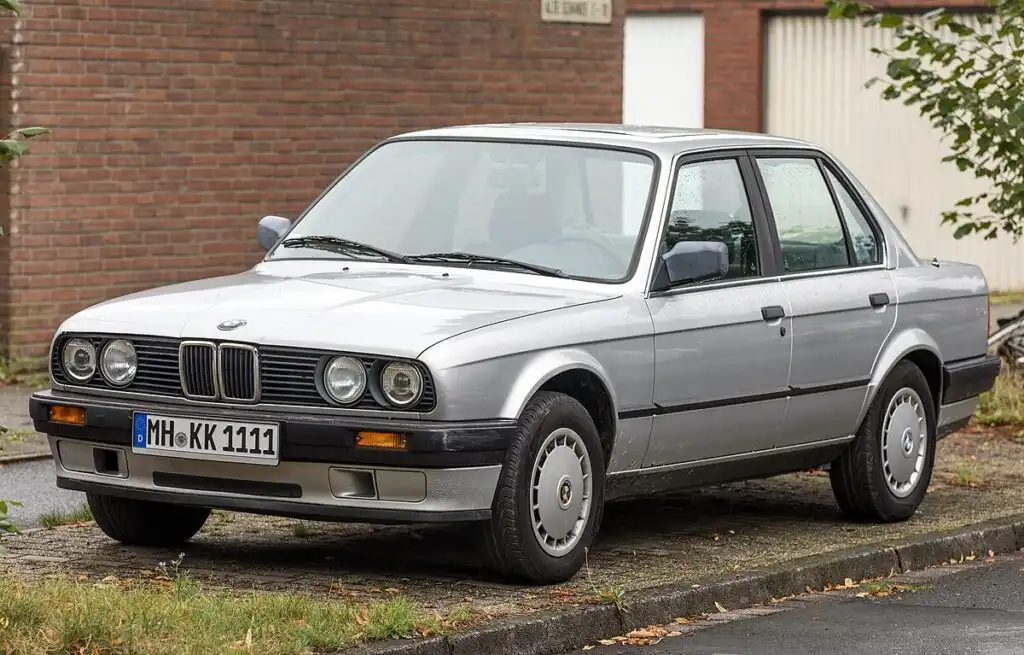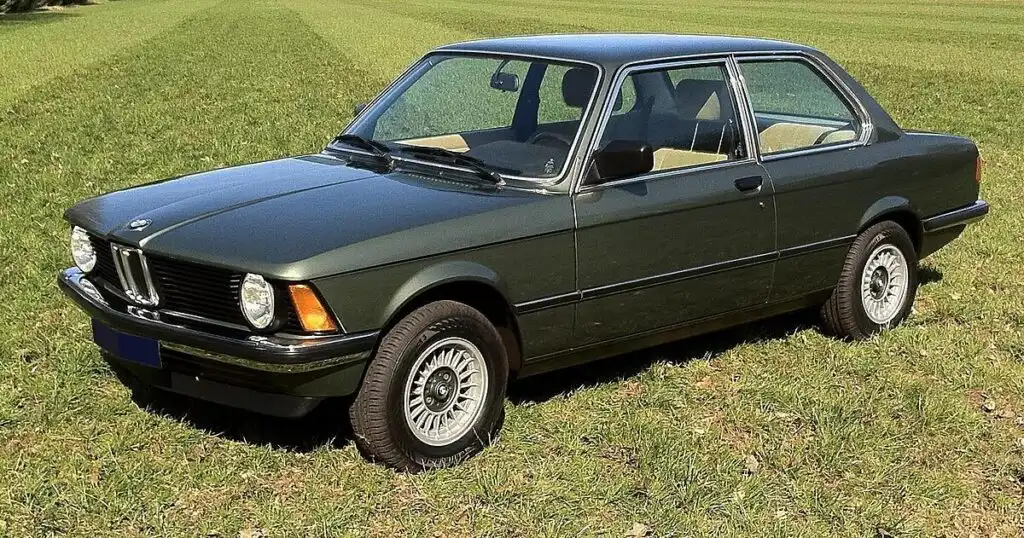
The BMW 3 Series Touring (E36) 325tds Automatic, produced between 1993 and 1999, represents a unique offering within the broader E36 3 Series range. This variant combined the practicality of the Touring (wagon) body style with BMW’s efficient and torquey 2.5-liter turbocharged diesel engine, paired exclusively with a five-speed automatic transmission. Positioned as a comfortable and economical long-distance cruiser, the 325tds Automatic catered to buyers prioritizing fuel efficiency and relaxed driving over outright performance. It was a particularly popular choice in European markets where diesel engines held a significant share of the automotive landscape.
Technical Specifications
| Brand | BMW |
| Model | 3 Series |
| Generation | 3 Series Touring (E36) |
| Type (Engine) | 325tds (143 Hp) Automatic |
| Start of production | 1993 |
| End of production | 1999 |
| Powertrain Architecture | Internal Combustion engine |
| Body type | Station wagon (estate) |
| Seats | 5 |
| Doors | 5 |
| Fuel consumption (urban) | 10.2 l/100 km (23.1 US mpg, 27.7 UK mpg, 9.8 km/l) |
| Fuel consumption (extra urban) | 5.6 l/100 km (42 US mpg, 50.4 UK mpg, 17.9 km/l) |
| Fuel consumption (combined) | 7.3 l/100 km (32.2 US mpg, 38.7 UK mpg, 13.7 km/l) |
| Fuel Type | Diesel |
| Acceleration 0 – 100 km/h | 10.5 sec |
| Acceleration 0 – 62 mph | 10.5 sec |
| Acceleration 0 – 60 mph | 10 sec |
| Maximum speed | 206 km/h (128 mph) |
| Weight-to-power ratio | 9.9 kg/Hp |
| Weight-to-torque ratio | 5.4 kg/Nm |
| Power | 143 Hp @ 4800 rpm |
| Power per litre | 57.2 Hp/l |
| Torque | 260 Nm @ 2200 rpm (191.77 lb.-ft. @ 2200 rpm) |
| Engine layout | Front, Longitudinal |
| Engine Model/Code | M51D25 |
| Engine displacement | 2498 cm3 (152.44 cu. in.) |
| Number of cylinders | 6 |
| Engine configuration | Inline |
| Cylinder Bore | 80 mm (3.15 in.) |
| Piston Stroke | 82.8 mm (3.26 in.) |
| Compression ratio | 22:1 |
| Number of valves per cylinder | 2 |
| Fuel injection system | Precombustion chamber injection |
| Engine aspiration | Turbocharger, Intercooler |
| Valvetrain | OHC |
| Engine oil capacity | 6.5 l (6.87 US qt | 5.72 UK qt) |
| Coolant capacity | 8.8 l (9.3 US qt | 7.74 UK qt) |
| Kerb Weight | 1410 kg (3108.52 lbs.) |
| Max. weight | 1910 kg (4210.83 lbs.) |
| Max load | 500 kg (1102.31 lbs.) |
| Trunk (boot) space – minimum | 370 l (13.07 cu. ft.) |
| Trunk (boot) space – maximum | 1320 l (46.62 cu. ft.) |
| Fuel tank capacity | 62 l (16.38 US gal | 13.64 UK gal) |
| Length | 4433 mm (174.53 in.) |
| Width | 1698 mm (66.85 in.) |
| Height | 1391 mm (54.76 in.) |
| Wheelbase | 2700 mm (106.3 in.) |
| Front track | 1418 mm (55.83 in.) |
| Rear track | 1431 mm (56.34 in.) |
| Ride height (ground clearance) | 110 mm (4.33 in.) |
| Drivetrain Architecture | Rear wheel drive |
| Number of gears | 5 |
| Gearbox type | Automatic transmission |
| Front suspension | Wishbone |
| Rear suspension | Coil spring |
| Front brakes | Ventilated discs |
| Rear brakes | Disc |
| Assisting systems | ABS (Anti-lock braking system) |
| Steering type | Steering rack and pinion |
| Power steering | Hydraulic |
| Tires size | 205/60 R15 |
| Wheel rims size | 15 |
Powertrain & Engine Architecture
The heart of the 325tds is the M51D25, a 2.5-liter inline-six diesel engine. This engine utilized a precombustion chamber injection system, a common technology for diesel engines of the era, designed to improve combustion efficiency and reduce noise. A turbocharger with an intercooler was employed to boost power output to 143 horsepower and 260 Nm (191.77 lb-ft) of torque. The automatic transmission was a five-speed unit, specifically chosen to complement the engine’s torque characteristics and provide smooth, effortless cruising. While not a particularly advanced transmission by modern standards, it was well-suited to the engine’s powerband and the intended use case of the vehicle.
Driving Characteristics
The 325tds Automatic offered a distinctly different driving experience compared to its gasoline-powered siblings or even the manual diesel variants. The automatic transmission prioritized comfort and ease of use, resulting in relaxed acceleration and smooth gear changes. While the 0-60 mph time of around 10 seconds wasn’t particularly quick, the engine’s substantial torque provided ample power for overtaking and maintaining highway speeds. The automatic transmission’s gear ratios were optimized for fuel efficiency, and the car felt most at home on long journeys where its comfortable ride and economical fuel consumption could be fully appreciated. Compared to the more engaging experience of a manual transmission, the automatic version felt less connected to the driving experience, but it appealed to a different type of driver.
Equipment & Trim Levels
The 325tds Automatic typically came with a reasonable level of standard equipment, including power windows, central locking, and an anti-lock braking system (ABS). Interior upholstery was usually cloth, although leather options were available. Trim levels varied depending on the market, but generally included features like alloy wheels, a sunroof, and upgraded audio systems. Optional extras could include automatic climate control, heated seats, and a trip computer. The overall interior design was typical of the E36 generation, characterized by a functional and driver-focused layout.
Chassis & Braking
The E36 3 Series Touring featured a well-engineered chassis with independent suspension at all four wheels. The front suspension utilized a MacPherson strut design, while the rear employed a semi-trailing arm setup. The 325tds Automatic, due to its increased weight compared to some other variants, often featured slightly stiffer springs and dampers to maintain handling balance. Braking was provided by ventilated discs at the front and solid discs at the rear, with ABS as standard. The steering was a hydraulic power-assisted rack and pinion system, offering precise and responsive control.
Market Reception & Comparison
The 325tds Automatic was generally well-received by automotive critics, particularly for its fuel efficiency and comfortable ride. It was often praised as a practical and economical choice for long-distance travel. However, some reviewers noted that the automatic transmission dulled the driving experience compared to the manual version. Compared to the 325i (gasoline) and 320i models, the 325tds offered significantly better fuel economy but less outright performance. Against other diesel variants, such as the 320td, the 325tds provided a noticeable power advantage, albeit at a slightly higher price point.
Legacy
The M51D25 engine, found in the 325tds, is known for its durability and reliability. When properly maintained, these engines can accumulate very high mileage. The automatic transmission, while not as robust as some other BMW transmissions, is generally reliable if serviced regularly. Today, the 325tds Automatic is a relatively rare and sought-after classic car, particularly among diesel enthusiasts. Its combination of practicality, fuel efficiency, and BMW build quality makes it a compelling choice for those looking for a unique and dependable vehicle. Finding well-maintained examples can be challenging, but the 325tds Automatic remains a testament to BMW’s engineering prowess and its ability to create cars that stand the test of time.