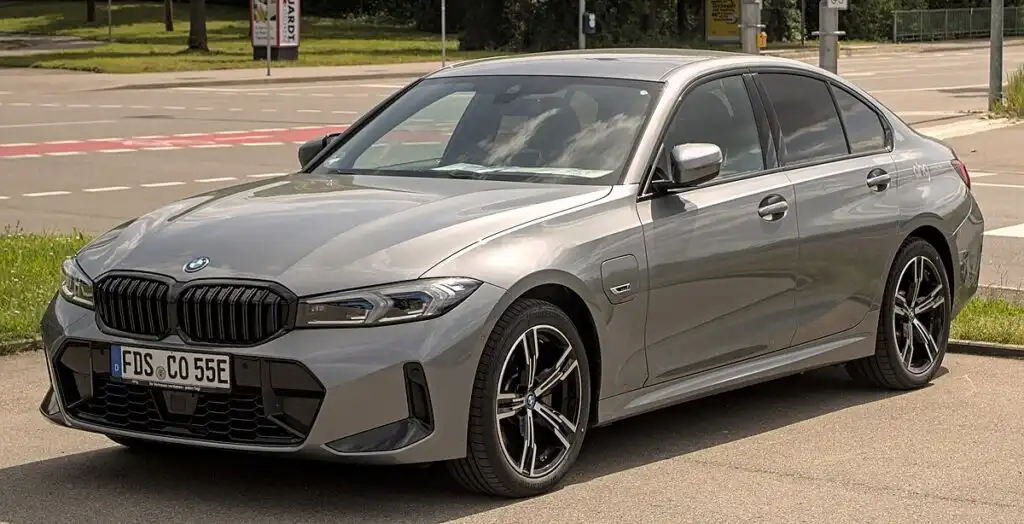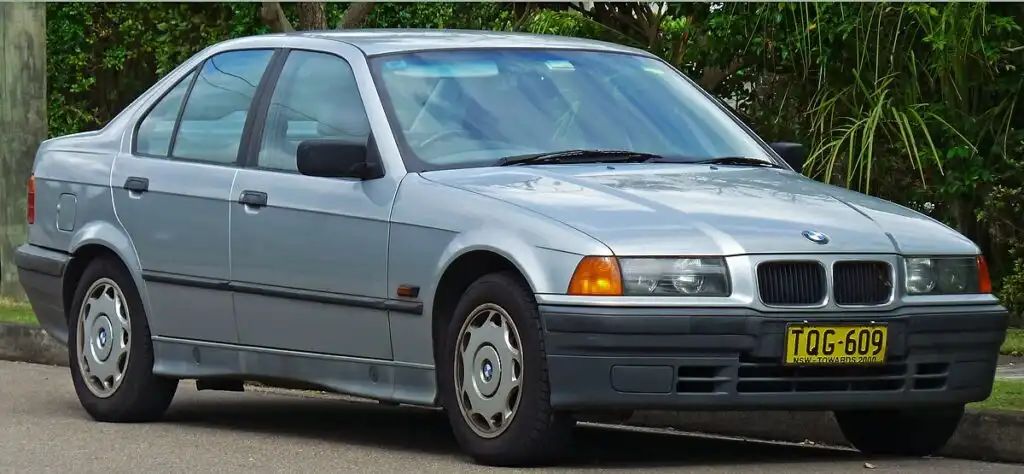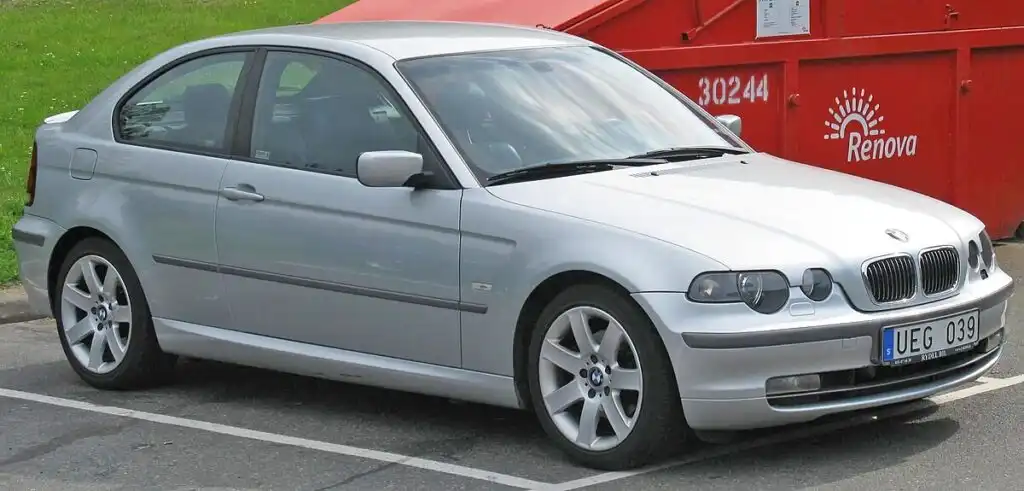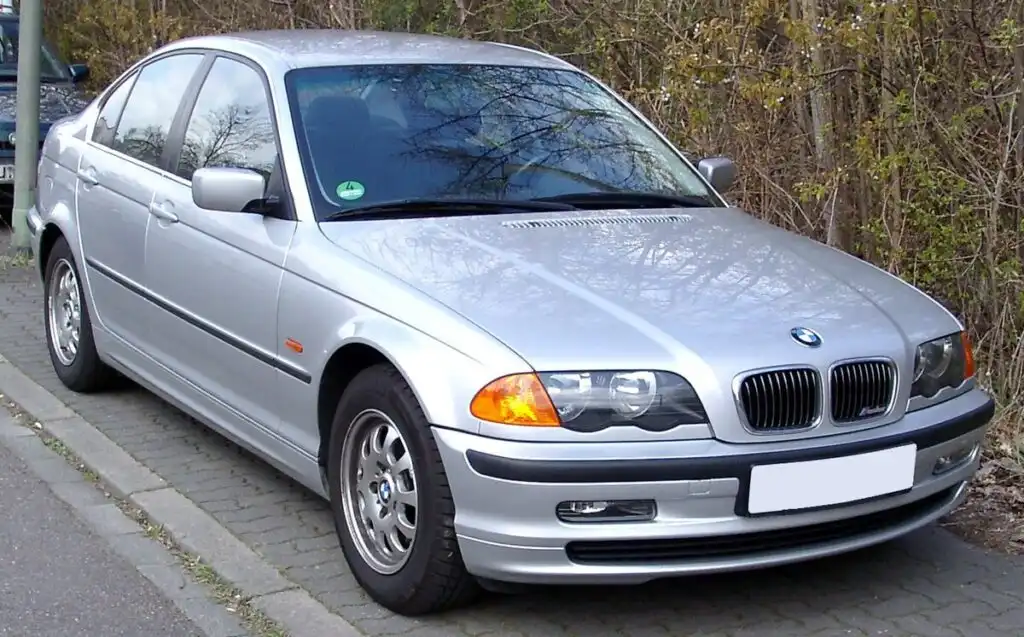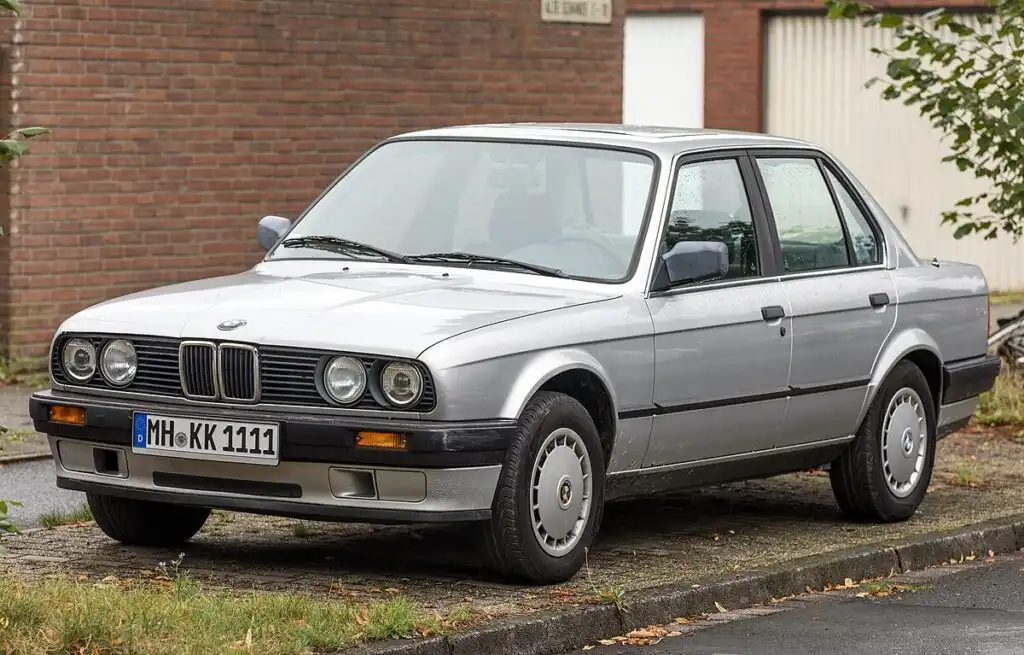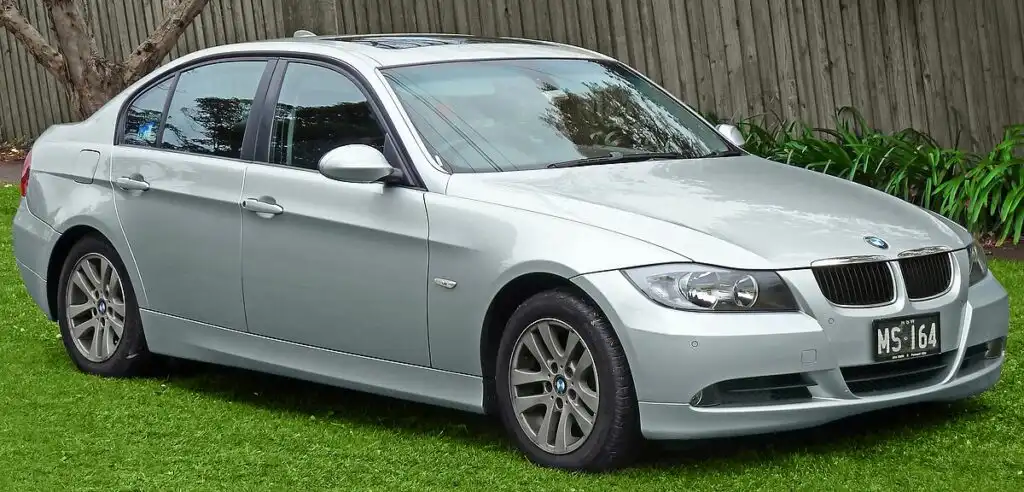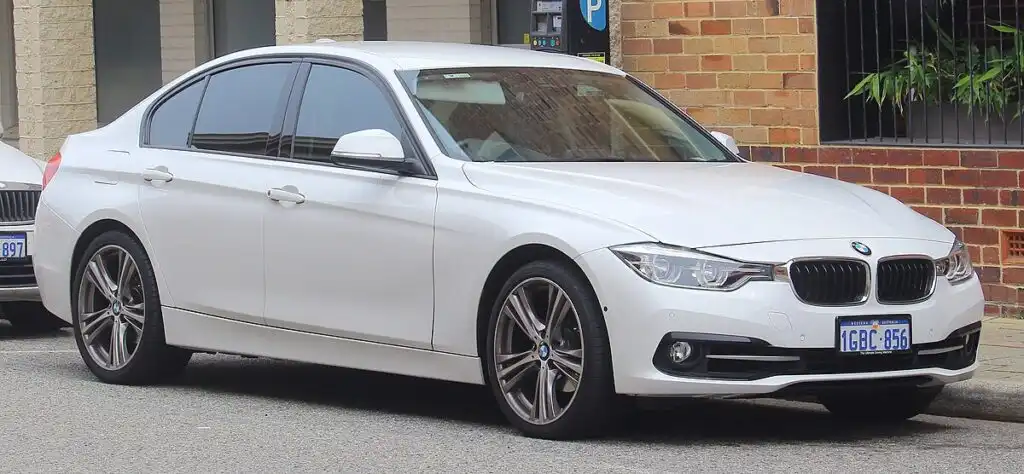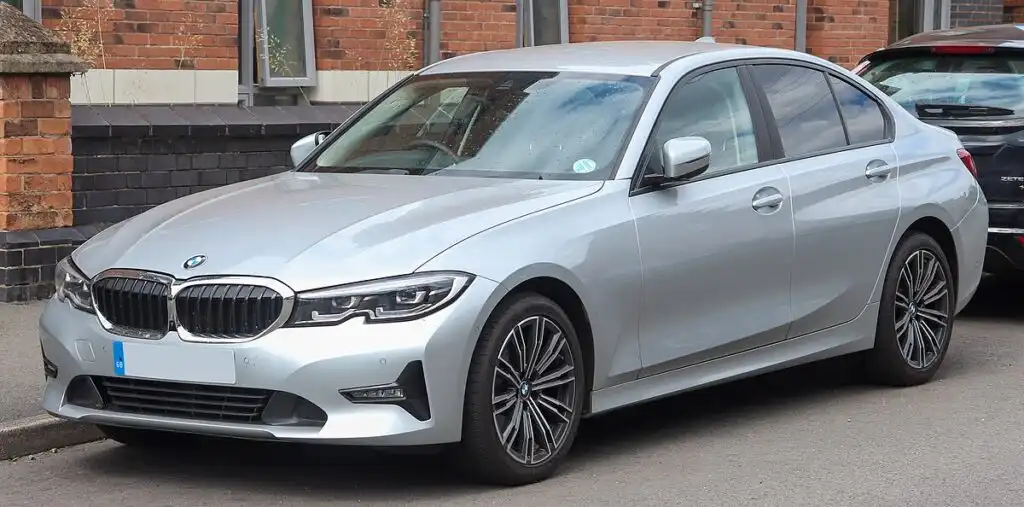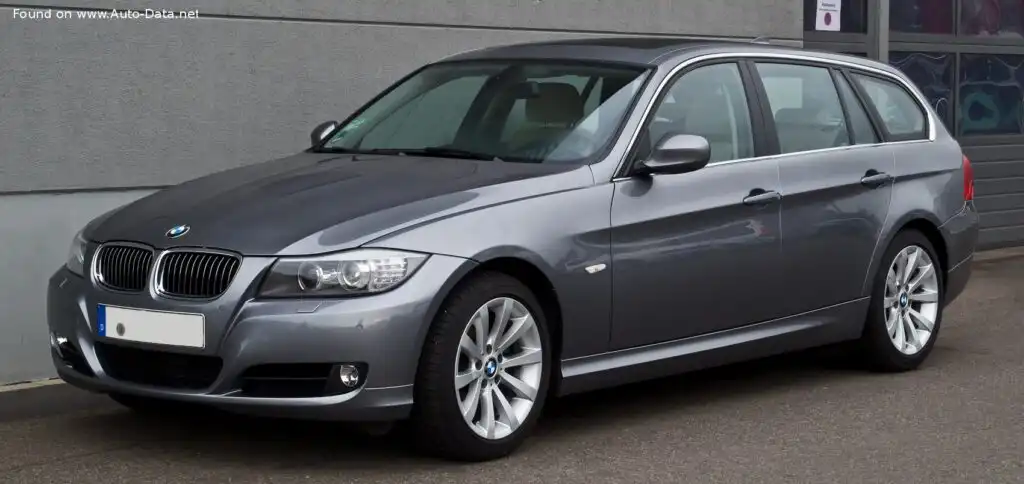
The BMW 3 Series Touring (E91) facelift, known as the LCI (Life Cycle Impulse), was produced from 2008 to 2011. The 316d variant, powered by a 2.0-liter four-cylinder diesel engine producing 115 horsepower, represented an entry-level option within the E91 lineup, appealing to buyers prioritizing fuel efficiency and practicality in a premium package. This model occupied the lower end of the performance spectrum for the E91, positioned below the more powerful 320d, 325d, and 335d models, as well as the performance-oriented 335i. It was primarily sold in the European market, where diesel engines held a significant share of the automotive landscape.
Technical Specifications
| Brand | BMW |
| Model | 3 Series |
| Generation | 3 Series Touring (E91 LCI, facelift 2008) |
| Type (Engine) | 316d (115 Hp) |
| Start of production | 2008 |
| End of production | 2011 |
| Powertrain Architecture | Internal Combustion engine |
| Body type | Station wagon (estate) |
| Seats | 5 |
| Doors | 5 |
| Fuel consumption (urban) | 5.4 l/100 km (43.6 US mpg, 52.3 UK mpg, 18.5 km/l) |
| Fuel consumption (extra urban) | 4 l/100 km (58.8 US mpg, 70.6 UK mpg, 25 km/l) |
| Fuel consumption (combined) | 4.5 l/100 km (52.3 US mpg, 62.8 UK mpg, 22.2 km/l) |
| CO2 emissions | 119 g/km |
| Fuel Type | Diesel |
| Acceleration 0 – 100 km/h | 11.2 sec |
| Acceleration 0 – 62 mph | 11.2 sec |
| Acceleration 0 – 60 mph | 10.6 sec |
| Maximum speed | 201 km/h (124.9 mph) |
| Emission standard | Euro 5 |
| Weight-to-power ratio | 12.8 kg/Hp, 78 Hp/tonne |
| Weight-to-torque ratio | 5.7 kg/Nm, 176.3 Nm/tonne |
| Power | 115 Hp @ 4000 rpm |
| Power per litre | 57.6 Hp/l |
| Torque | 260 Nm @ 1750-2500 rpm (191.77 lb.-ft. @ 1750-2500 rpm) |
| Engine layout | Front, Longitudinal |
| Engine Model/Code | N47D20 |
| Engine displacement | 1995 cm3 (121.74 cu. in.) |
| Number of cylinders | 4 |
| Engine configuration | Inline |
| Cylinder Bore | 84 mm (3.31 in.) |
| Piston Stroke | 90 mm (3.54 in.) |
| Compression ratio | 16.5:1 |
| Number of valves per cylinder | 4 |
| Fuel injection system | Diesel Commonrail |
| Engine aspiration | Turbocharger, Intercooler |
| Engine oil capacity | 5.2 l (5.49 US qt | 4.58 UK qt) |
| Coolant | 7.5 l (7.93 US qt | 6.6 UK qt) |
| Kerb Weight | 1475 kg (3251.82 lbs.) |
| Max. weight | 2015 kg (4442.31 lbs.) |
| Max load | 540 kg (1190.5 lbs.) |
| Trunk (boot) space – minimum | 460 l (16.24 cu. ft.) |
| Trunk (boot) space – maximum | 1385 l (48.91 cu. ft.) |
| Fuel tank capacity | 63 l (16.64 US gal | 13.86 UK gal) |
| Length | 4527 mm (178.23 in.) |
| Width | 1817 mm (71.54 in.) |
| Width with mirrors folded | 1989 mm (78.31 in.) |
| Height | 1418 mm (55.83 in.) |
| Wheelbase | 2760 mm (108.66 in.) |
| Front track | 1506 mm (59.29 in.) |
| Rear (Back) track | 1535 mm (60.43 in.) |
| Ride height (ground clearance) | 141 mm (5.55 in.) |
| Drag coefficient (Cd) | 0.27 |
| Drivetrain Architecture | The Internal combustion engine (ICE) drives the rear wheels of the vehicle. |
| Drive wheel | Rear wheel drive |
| Number of gears and type of gearbox | 6 gears, manual transmission |
| Front brakes | Ventilated discs |
| Rear brakes | Ventilated discs |
| Assisting systems | ABS (Anti-lock braking system) |
| Steering type | Steering rack and pinion |
| Tires size | 205/55 R16 |
| Wheel rims size | 7J x 16 |
INTRODUCTION
The E91 316d Touring, introduced with the LCI facelift in 2008, was a diesel-powered station wagon designed to offer a blend of practicality, efficiency, and BMW’s renowned driving dynamics. Built on the 3 Series (E90/E91/E92/E93) platform, the E91 specifically designated the Touring (wagon) body style. The facelift brought revised styling cues, including updated headlights, taillights, and front and rear bumpers, along with improvements to the interior and engine range. The 316d was positioned as the entry point to the E91 range, targeting buyers who valued fuel economy and lower running costs over outright performance. It was a popular choice in Europe, where diesel fuel was more readily available and often less expensive than gasoline.
Powertrain & Engine Architecture
The heart of the 316d Touring is the N47D20, a 2.0-liter inline four-cylinder diesel engine. This engine is a key example of BMW’s second-generation common rail direct injection technology. The N47 series engines were known for their efficiency and relatively quiet operation for a diesel. The N47D20 utilizes a turbocharger with variable geometry turbine (VGT) technology and an intercooler to boost power and torque. The engine employs four valves per cylinder and a single overhead camshaft. Fuel is delivered via piezo injectors, allowing for precise fuel metering and optimized combustion. The 316d was typically paired with a six-speed manual transmission, although a six-speed automatic transmission was also available as an option. The automatic transmission offered smoother shifts and convenience, but at the expense of some fuel economy and performance.
Driving Characteristics
The 316d Touring, with its 115 horsepower and 260 Nm (191.77 lb-ft) of torque, provided adequate, but not exhilarating, performance. Acceleration from 0 to 62 mph (0-100 km/h) took around 11.2 seconds, and the top speed was limited to 201 km/h (124.9 mph). The engine’s torque peak, available from 1750-2500 rpm, provided good low-end grunt, making it suitable for everyday driving and overtaking maneuvers. Compared to the more powerful 320d, the 316d felt noticeably slower, particularly at higher speeds. The manual transmission offered a more engaging driving experience, while the automatic transmission prioritized comfort and ease of use. The E91’s chassis, known for its balanced handling, provided a stable and predictable ride, even when fully loaded.
Equipment & Trim Levels
The 316d Touring typically came with a reasonable level of standard equipment, including air conditioning, power windows, central locking, and an audio system. Higher trim levels, such as Sport and Luxury, added features like sport seats, upgraded interior trim, and larger alloy wheels. Optional extras included navigation system, sunroof, leather upholstery, and parking sensors. The interior design of the E91 was typical of BMW at the time, with a driver-focused cockpit and high-quality materials. The Touring body style offered a generous amount of cargo space, with 460 liters (16.24 cu. ft.) with the rear seats up and 1385 liters (48.91 cu. ft.) with the seats folded down.
Chassis & Braking
The E91 316d Touring featured a MacPherson strut front suspension and a multi-link rear suspension, providing a comfortable and controlled ride. The suspension was tuned to balance handling and comfort, making it suitable for both city driving and long-distance journeys. The braking system consisted of ventilated disc brakes on all four wheels, providing ample stopping power. Anti-lock braking system (ABS) was standard, enhancing safety and stability during emergency braking. The steering was a rack-and-pinion system with hydraulic power assistance, offering precise and responsive steering feel.
Market Reception & Comparison
The 316d Touring was generally well-received by automotive critics, who praised its fuel efficiency, practicality, and comfortable ride. However, some critics noted that the engine lacked the punch of its more powerful counterparts. Compared to the 320d, the 316d offered lower running costs but sacrificed performance. The 316d was also often compared to other premium station wagons, such as the Audi A4 Avant and the Volvo V60, and generally held its own in terms of quality and refinement. Fuel economy was a key selling point, with the 316d achieving around 52.3 US mpg on the combined cycle.
Legacy
The N47D20 engine, while generally reliable, has been known to experience issues with timing chain wear, particularly in earlier examples. Regular oil changes and preventative maintenance are crucial to ensure the longevity of this engine. Despite this potential issue, the E91 316d Touring remains a popular choice in the used car market, particularly for buyers seeking a fuel-efficient and practical premium station wagon. Its blend of BMW’s renowned driving dynamics, comfortable interior, and generous cargo space continues to appeal to a wide range of buyers. The E91 platform, as a whole, is considered a well-engineered and durable vehicle, and the 316d variant offers a cost-effective entry point into the BMW ownership experience.