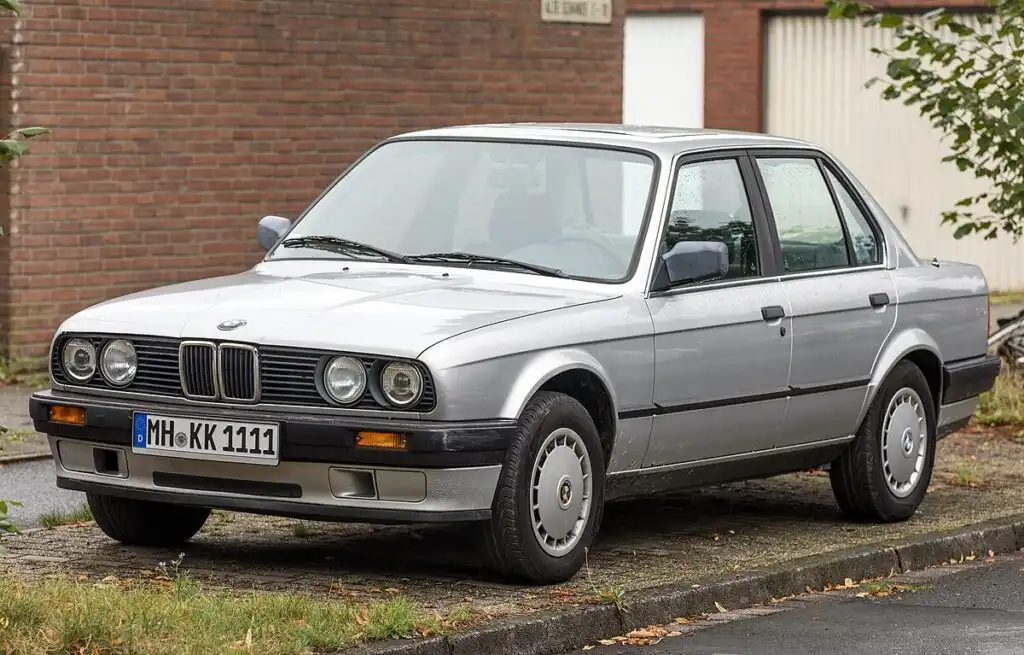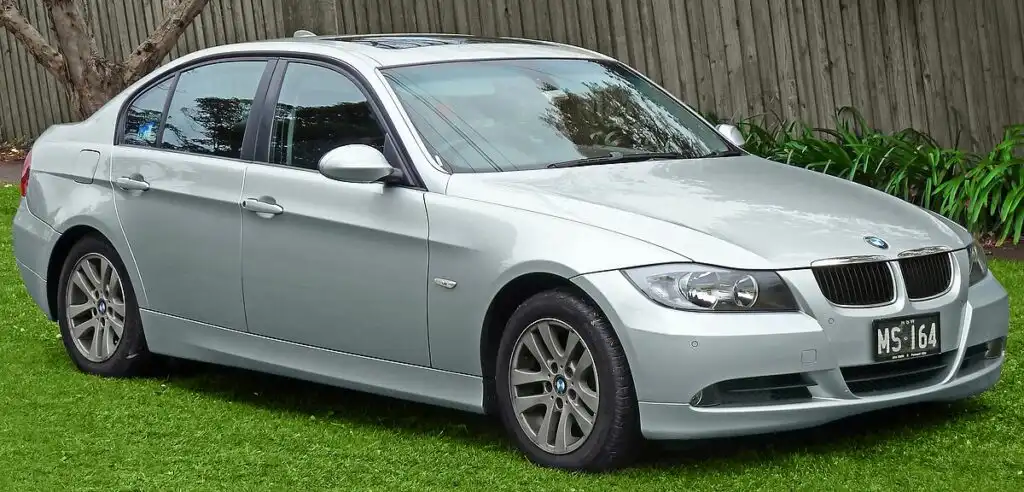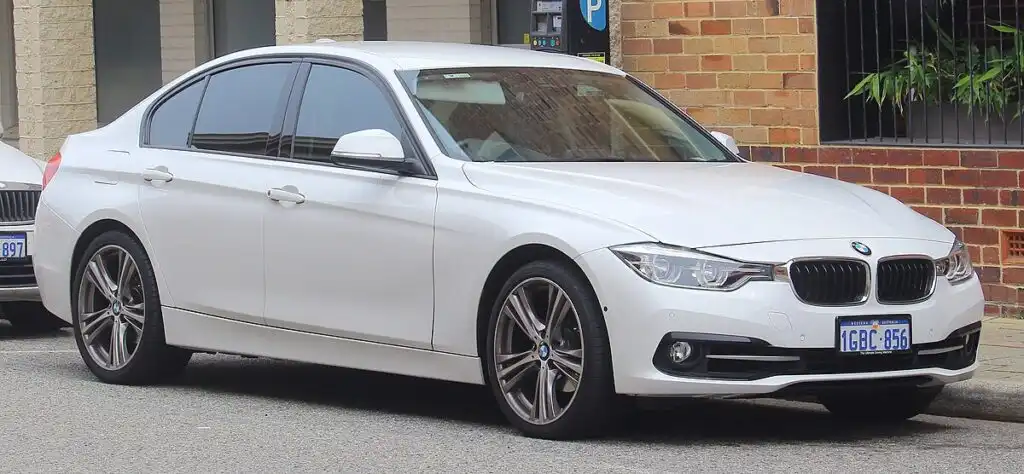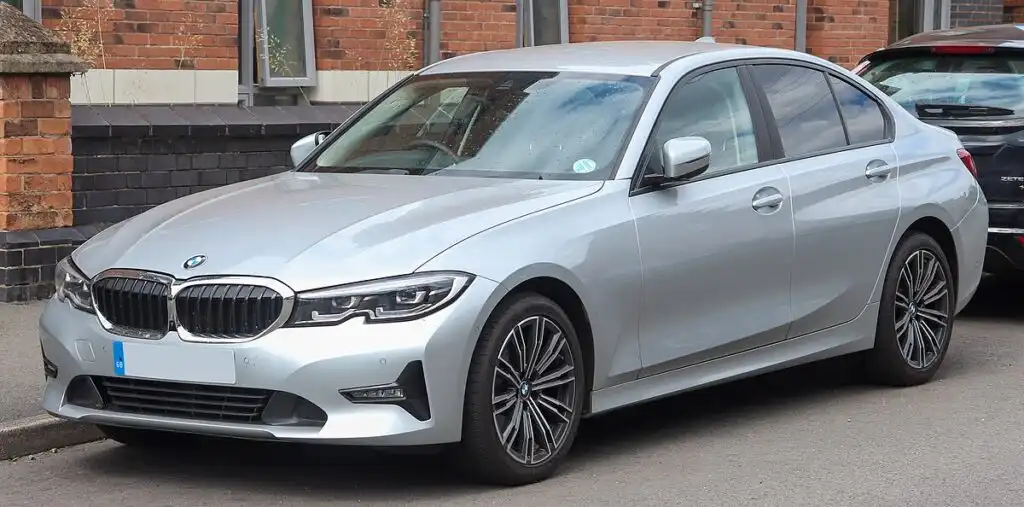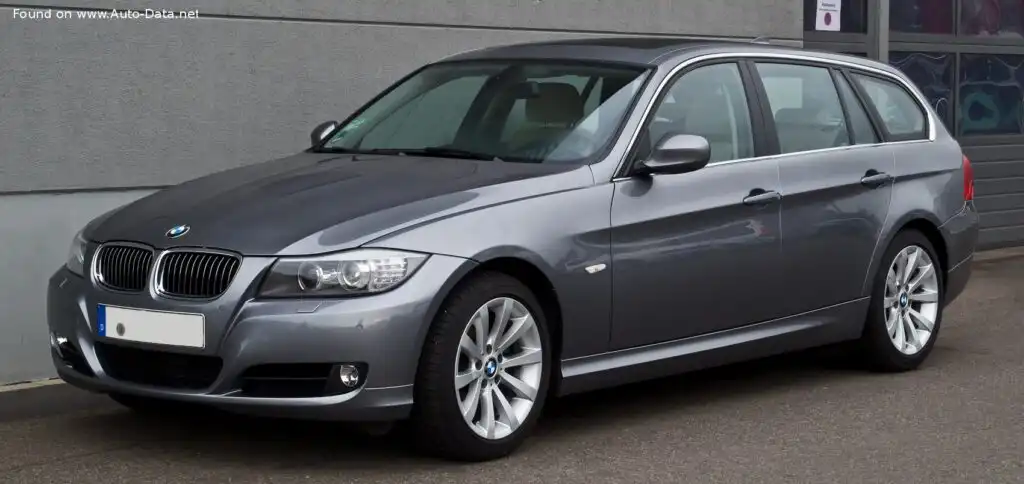
The BMW 3 Series Touring (E91) with the LCI (Life Cycle Impulse) facelift introduced in 2008, represented BMW’s continued commitment to the practical sports wagon segment. The 330i xDrive variant, producing 272 horsepower, occupied a sweet spot in the lineup, offering a blend of performance, practicality, and all-weather capability. Produced from 2008 through 2012, this model year benefited from updates to the exterior styling, interior refinements, and importantly, advancements in engine technology. It was positioned as a premium offering, sitting above the 328i and below the high-performance 335i models within the E91 range. The xDrive system, BMW’s all-wheel drive, was a key differentiator, making it a popular choice in regions experiencing inclement weather.
Technical Specifications
| Brand | BMW |
| Model | 3 Series |
| Generation | 3 Series Touring (E91 LCI, facelift 2008) |
| Type (Engine) | 330i (272 Hp) xDrive |
| Start of production | 2008 |
| End of production | 2012 |
| Powertrain Architecture | Internal Combustion engine |
| Body type | Station wagon (estate) |
| Seats | 5 |
| Doors | 5 |
| Fuel consumption (economy) – urban | 11.2 l/100 km (21 US mpg, 25.2 UK mpg, 8.9 km/l) |
| Fuel consumption (economy) – extra urban | 6.6 l/100 km (35.6 US mpg, 42.8 UK mpg, 15.2 km/l) |
| Fuel consumption (economy) – combined | 8.3 l/100 km (28.3 US mpg, 34 UK mpg, 12 km/l) |
| CO2 emissions | 193 g/km |
| Fuel Type | Petrol (Gasoline) |
| Acceleration 0 – 100 km/h | 6.4 sec |
| Acceleration 0 – 62 mph | 6.4 sec |
| Acceleration 0 – 60 mph | 6.1 sec |
| Maximum speed | 250 km/h (155.34 mph) |
| Emission standard | Euro 5 |
| Weight-to-power ratio | 6 kg/Hp, 165.9 Hp/tonne |
| Weight-to-torque ratio | 5.1 kg/Nm, 195.1 Nm/tonne |
| Power | 272 Hp @ 6700 rpm |
| Power per litre | 90.8 Hp/l |
| Torque | 320 Nm @ 2750-3000 rpm (236.02 lb.-ft. @ 2750-3000 rpm) |
| Engine layout | Front, Longitudinal |
| Engine Model/Code | N53B30A |
| Engine displacement | 2996 cm3 (182.83 cu. in.) |
| Number of cylinders | 6 |
| Engine configuration | Inline |
| Cylinder Bore | 85 mm (3.35 in.) |
| Piston Stroke | 88 mm (3.46 in.) |
| Compression ratio | 12:1 |
| Number of valves per cylinder | 4 |
| Fuel injection system | Direct injection |
| Engine aspiration | Naturally aspirated engine |
| Engine oil capacity | 6.5 l (6.87 US qt | 5.72 UK qt) |
| Coolant | 8.2 l (8.66 US qt | 7.21 UK qt) |
| Kerb Weight | 1640 kg (3615.58 lbs.) |
| Max. weight | 2180 kg (4806.08 lbs.) |
| Max load | 540 kg (1190.5 lbs.) |
| Trunk (boot) space – minimum | 460 l (16.24 cu. ft.) |
| Trunk (boot) space – maximum | 1385 l (48.91 cu. ft.) |
| Fuel tank capacity | 63 l (16.64 US gal | 13.86 UK gal) |
| Max. roof load | 75 kg (165.35 lbs.) |
| Permitted trailer load with brakes (12%) | 1800 kg (3968.32 lbs.) |
| Permitted trailer load without brakes | 750 kg (1653.47 lbs.) |
| Permitted towbar download | 75 kg (165.35 lbs.) |
| Length | 4527 mm (178.23 in.) |
| Width | 1817 mm (71.54 in.) |
| Width with mirrors folded | 1989 mm (78.31 in.) |
| Height | 1418 mm (55.83 in.) |
| Wheelbase | 2760 mm (108.66 in.) |
| Front track | 1500 mm (59.06 in.) |
| Rear (Back) track | 1529 mm (60.2 in.) |
| Ride height (ground clearance) | 140 mm (5.51 in.) |
| Drag coefficient (Cd) | 0.31 |
| Minimum turning circle (turning diameter) | 11.8 m (38.71 ft.) |
| Drive wheel | All wheel drive (4×4) |
| Number of gears and type of gearbox | 6 gears, manual transmission |
| Front suspension | Independent coil spring |
| Rear suspension | Independent multi-link suspension |
| Front brakes | Ventilated discs |
| Rear brakes | Ventilated discs |
| Assisting systems | ABS (Anti-lock braking system) |
| Steering type | Steering rack and pinion |
| Power steering | Electric Steering |
| Tires size | 225/45 R17 91Y |
| Wheel rims size | 8J x 17 |
Powertrain & Engine Architecture
The heart of the 330i xDrive was the N53B30A, a 3.0-liter inline-six cylinder engine. This engine was a significant evolution of BMW’s long-standing inline-six tradition, featuring direct fuel injection, fully variable valve timing (VANOS), and a magnesium alloy engine block for reduced weight. The N53 engine was known for its smooth power delivery and relatively high specific output. The direct injection system allowed for precise fuel metering, improving both efficiency and performance. The engine produced 272 horsepower at 6700 rpm and 320 Nm (236 lb-ft) of torque between 2750 and 3000 rpm. The six-speed manual transmission was standard, providing drivers with full control over the engine’s power. The xDrive all-wheel drive system utilized a multi-plate clutch to distribute torque between the front and rear axles, enhancing traction in various conditions.
Driving Characteristics
The 330i xDrive offered a balanced driving experience. While not as overtly sporty as the 335i, it provided ample power for everyday driving and spirited excursions. The xDrive system instilled confidence in slippery conditions, and the manual transmission allowed for engaging gear changes. The six-speed gearbox was well-matched to the engine’s torque curve, providing responsive acceleration. Compared to the 328i, the 330i offered a noticeable increase in power and torque, resulting in quicker acceleration and improved passing performance. The 335i, with its turbocharged engine, provided significantly more power, but at the cost of some low-end responsiveness and increased complexity.
Equipment & Trim Levels
The 330i xDrive came standard with a comprehensive list of features, including automatic climate control, power windows and locks, a premium sound system, and BMW’s iDrive infotainment system. Upholstery typically consisted of cloth or leatherette, with full leather being an optional upgrade. Available options included a navigation system, heated seats, a sunroof, and upgraded wheels. The LCI facelift brought subtle interior refinements, including updated trim materials and revised switchgear. The overall interior design emphasized a driver-focused layout with intuitive controls.
Chassis & Braking
The E91 Touring featured a sophisticated chassis design, with independent suspension at all four corners. The front suspension utilized coil springs and MacPherson struts, while the rear suspension employed a multi-link setup. This configuration provided a comfortable ride while maintaining precise handling. The 330i xDrive was equipped with ventilated disc brakes on all four wheels, providing ample stopping power. Anti-lock brakes (ABS) and dynamic stability control (DSC) were standard safety features. The xDrive system also contributed to improved braking performance by distributing torque to the wheels with the most grip.
Market Reception & Comparison
The 330i xDrive was generally well-received by automotive critics. It was praised for its balanced performance, comfortable ride, and practical wagon body style. Fuel economy was considered reasonable for a vehicle of its class, averaging around 28.3 US mpg in combined driving. Reliability was generally good, although some owners reported issues with the fuel pump and cooling system. Compared to the 328i, the 330i offered a worthwhile performance upgrade for those willing to pay the premium. The 335i, while more powerful, was also more expensive and potentially more prone to maintenance issues.
Legacy
The BMW E91 330i xDrive remains a popular choice among enthusiasts seeking a practical and engaging sports wagon. The N53 engine, while not without its quirks, is generally considered a durable and reliable powerplant when properly maintained. The xDrive system continues to provide all-weather capability, making it a desirable option in regions with harsh winters. On the used car market, well-maintained examples of the 330i xDrive command a premium due to their combination of performance, practicality, and BMW’s reputation for quality.