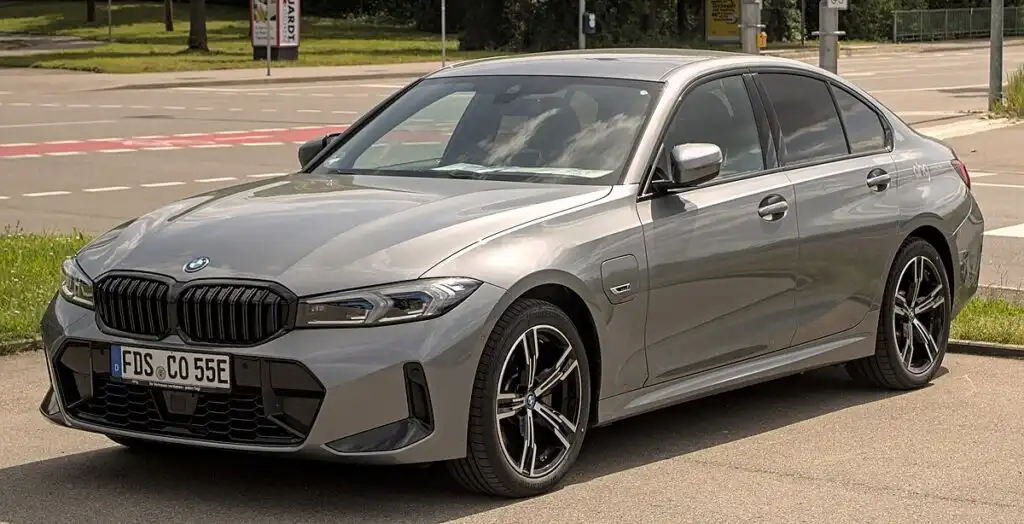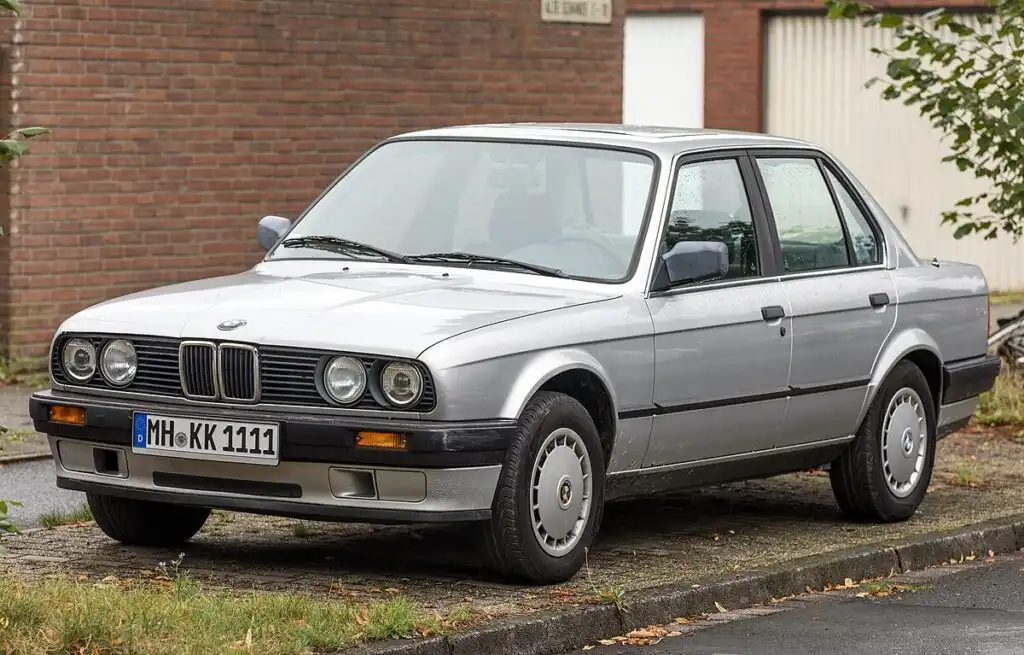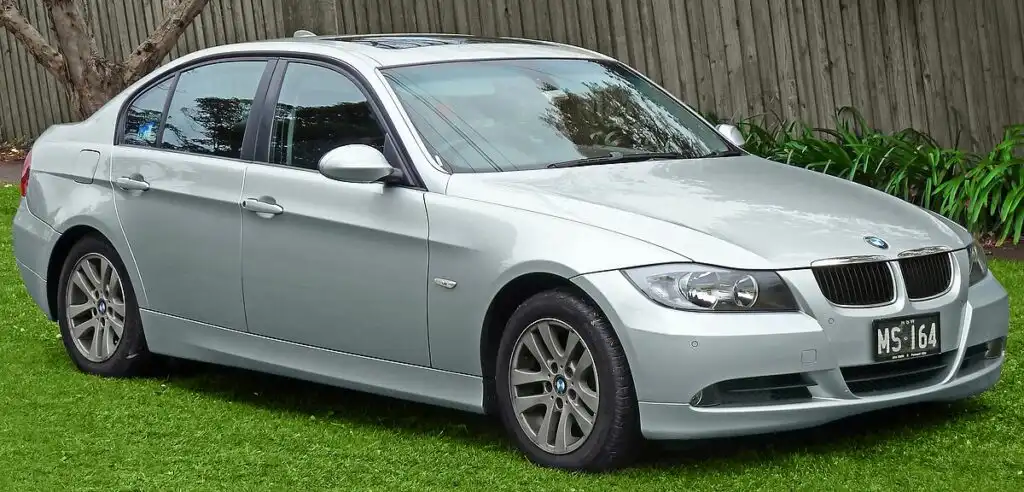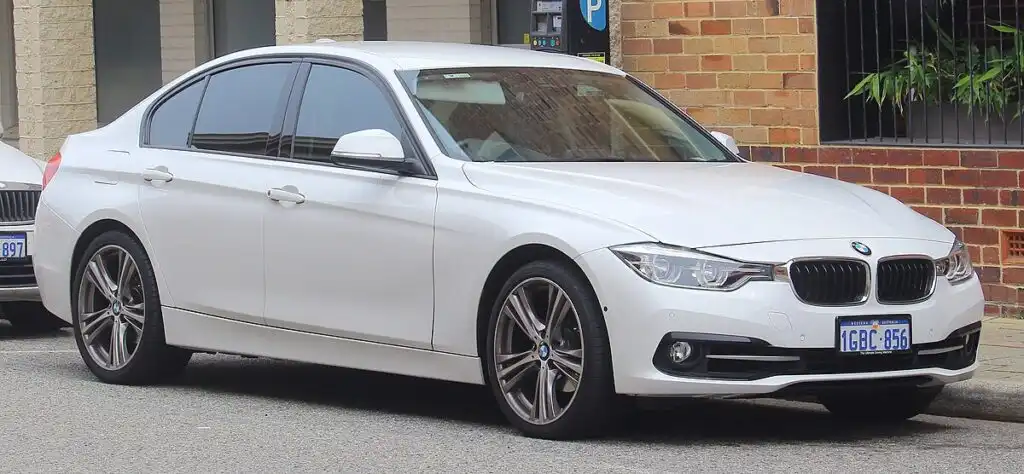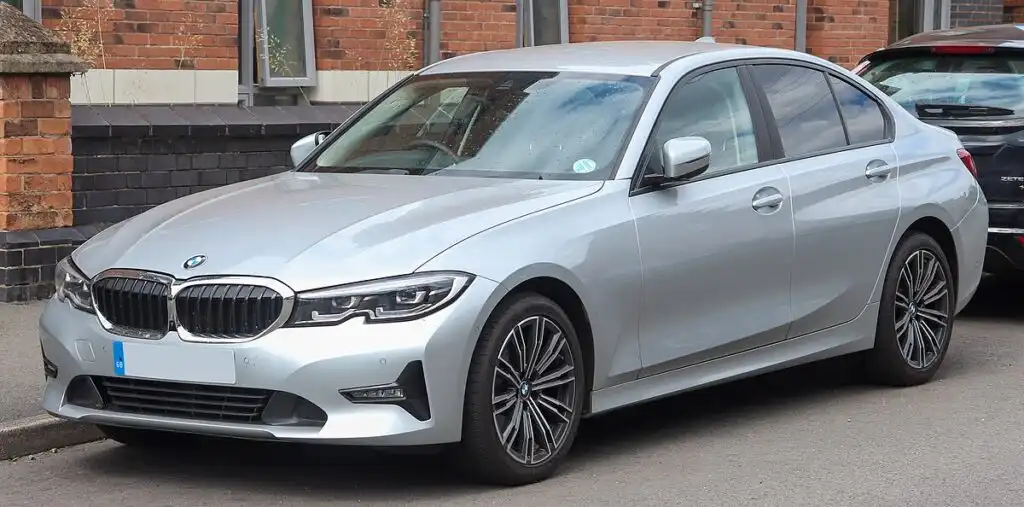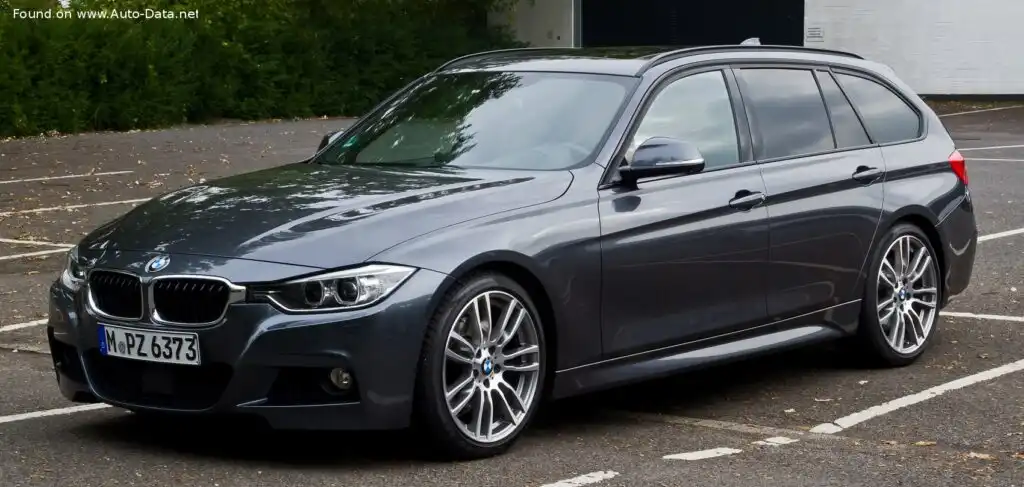
The BMW 3 Series Touring (F31) 316i, produced from 2013 to 2015, represented the entry point into the sixth generation of BMW’s popular wagon (estate) offering. Built on the F30 3 Series platform, the F31 Touring extended the range with added practicality. The 316i variant, powered by a 1.6-liter turbocharged four-cylinder engine producing 136 horsepower, occupied a crucial position in the lineup, appealing to buyers prioritizing fuel efficiency and reasonable running costs over outright performance. It served as a more economical alternative to the higher-powered 320i, 328i, and diesel variants, particularly in European markets where station wagons held significant popularity.
Technical Specifications
| Brand | BMW |
| Model | 3 Series |
| Generation | 3 Series Touring (F31) |
| Type (Engine) | 316i (136 Hp) |
| Start of production | 2013 |
| End of production | 2015 |
| Powertrain Architecture | Internal Combustion engine |
| Body type | Station wagon (estate) |
| Seats | 5 |
| Doors | 5 |
| Fuel consumption (urban) | 7.8-8.1 l/100 km (30.2 – 29 US mpg, 36.2 – 34.9 UK mpg, 12.8 – 12.3 km/l) |
| Fuel consumption (extra urban) | 4.9-5.0 l/100 km (48 – 47 US mpg, 57.6 – 56.5 UK mpg, 20.4 – 20 km/l) |
| Fuel consumption (combined) | 5.9-6.2 l/100 km (39.9 – 37.9 US mpg, 47.9 – 45.6 UK mpg, 16.9 – 16.1 km/l) |
| CO2 emissions | 138-143 g/km |
| Fuel Type | Petrol (Gasoline) |
| Acceleration 0 – 100 km/h | 9.4 sec |
| Acceleration 0 – 62 mph | 9.4 sec |
| Acceleration 0 – 60 mph | 8.9 sec |
| Maximum speed | 210 km/h (130.49 mph) |
| Emission standard | Euro 5 |
| Weight-to-power ratio | 10.7 kg/Hp, 93.8 Hp/tonne |
| Weight-to-torque ratio | 6.6 kg/Nm, 151.7 Nm/tonne |
| Power | 136 Hp @ 4350 rpm |
| Power per litre | 85.1 Hp/l |
| Torque | 220 Nm @ 1350 rpm (162.26 lb.-ft. @ 1350 rpm) |
| Engine layout | Front, Longitudinal |
| Engine Model/Code | N13B16A |
| Engine displacement | 1598 cm3 (97.52 cu. in.) |
| Number of cylinders | 4 |
| Engine configuration | Inline |
| Cylinder Bore | 77 mm (3.03 in.) |
| Piston Stroke | 85.8 mm (3.38 in.) |
| Compression ratio | 10.5:1 |
| Number of valves per cylinder | 4 |
| Fuel injection system | Direct injection |
| Engine aspiration | Twin-power turbo, Intercooler |
| Engine oil capacity | 4.2 l (4.44 US qt | 3.7 UK qt) |
| Coolant | 6.7 l (7.08 US qt | 5.9 UK qt) |
| Kerb Weight | 1450 kg (3196.7 lbs.) |
| Max. weight | 2000 kg (4409.25 lbs.) |
| Max load | 550 kg (1212.54 lbs.) |
| Trunk (boot) space – minimum | 495 l (17.48 cu. ft.) |
| Trunk (boot) space – maximum | 1500 l (52.97 cu. ft.) |
| Fuel tank capacity | 60 l (15.85 US gal | 13.2 UK gal) |
| Max. roof load | 75 kg (165.35 lbs.) |
| Permitted trailer load with brakes (12%) | 1500 kg (3306.93 lbs.) |
| Permitted trailer load without brakes | 695 kg (1532.21 lbs.) |
| Permitted towbar download | 75 kg (165.35 lbs.) |
| Length | 4624 mm (182.05 in.) |
| Width | 1811 mm (71.3 in.) |
| Height | 1429 mm (56.26 in.) |
| Wheelbase | 2810 mm (110.63 in.) |
| Front track | 1543 mm (60.75 in.) |
| Rear (Back) track | 1583 mm (62.32 in.) |
| Ride height (ground clearance) | 140 mm (5.51 in.) |
| Drag coefficient (Cd) | 0.31 |
| Minimum turning circle (turning diameter) | 11.3 m (37.07 ft.) |
| Drivetrain Architecture | The Internal combustion engine (ICE) drives the rear wheels of the vehicle. |
| Drive wheel | Rear wheel drive |
| Number of gears and type of gearbox | 6 gears, manual transmission |
| Front suspension | Independent coil spring |
| Rear suspension | Independent multi-link suspension |
| Front brakes | Ventilated discs |
| Rear brakes | Disc |
| Assisting systems | ABS (Anti-lock braking system) |
| Steering type | Steering rack and pinion |
| Power steering | Electric Steering |
| Tires size | 205/60 R16 92H; 225/55 R16; 225/50 R17; 255/45 R17; 225/45 R18; 255/40; 225/40 R19; 255/35 R19 |
| Wheel rims size | 7J x 16; 7.5J x 16; 7.5J x 17; 8.5J x 17; 8J x 18; 8.5J x 18; 8J x 19; 8.5J x 19 |
Powertrain & Engine Architecture
The heart of the 316i Touring was the BMW N13B16A 1.6-liter inline-four cylinder engine. This engine was part of BMW’s new generation of modular engines, characterized by its compact size and advanced technology. It featured direct fuel injection, a twin-scroll turbocharger, and variable valve timing (VANOS) on both the intake and exhaust camshafts. The turbocharger was crucial for delivering a respectable 136 horsepower from a relatively small displacement engine. The N13 engine was known for its responsiveness and willingness to rev. The engine was longitudinally mounted, driving the rear wheels. The standard transmission was a six-speed manual, though an eight-speed automatic transmission was also available as an option. The automatic transmission offered smoother shifts and enhanced fuel efficiency, but at the expense of some driver engagement.
Driving Characteristics
The 316i Touring, with its 136 horsepower and relatively modest torque output of 220 Nm (162 lb-ft), wasn’t designed for blistering acceleration. Zero to 60 mph took around 8.9 seconds, and top speed was limited to 130 mph. However, the engine’s turbocharger provided a noticeable boost in power, making it feel more energetic than its displacement might suggest. The six-speed manual transmission allowed for precise control, while the optional eight-speed automatic offered seamless gear changes. Compared to the more powerful 320i or 328i models, the 316i felt less urgent, but it was perfectly adequate for everyday driving and long-distance cruising. The rear-wheel-drive configuration provided a balanced and engaging driving experience, typical of BMWs.
Equipment & Trim Levels
The 316i Touring typically came equipped with a respectable level of standard features. These included automatic climate control, a BMW Radio Professional audio system, power windows and mirrors, and alloy wheels. Interior upholstery was typically cloth, though leather options were available. Optional extras included a navigation system, upgraded audio systems (Harman Kardon), a sunroof, and parking sensors. Trim levels varied depending on the market, but generally, the 316i was positioned as the entry-level Touring model, offering a good balance of features and affordability. The “Sport Line” package added sporty styling cues, such as unique alloy wheels, black exterior trim, and sport seats.
Chassis & Braking
The F31 Touring utilized BMW’s proven chassis design, featuring independent suspension all around. The front suspension consisted of MacPherson struts, while the rear employed a multi-link setup. This configuration provided a comfortable ride and precise handling. The 316i typically came equipped with ventilated disc brakes at the front and solid disc brakes at the rear. Anti-lock braking system (ABS) and electronic stability control (ESC) were standard safety features. The suspension was tuned to provide a balance between comfort and handling, making it suitable for both city driving and highway cruising.
Market Reception & Comparison
The 316i Touring was generally well-received by critics as a practical and efficient option within the 3 Series lineup. It was praised for its fuel economy, comfortable ride, and spacious interior. However, some reviewers noted that the engine lacked the outright performance of its larger counterparts. Compared to the 320i, the 316i offered lower running costs but sacrificed some performance. The 320d diesel variant provided even better fuel economy and more torque, but at a higher purchase price. The 316i appealed to buyers who prioritized practicality, fuel efficiency, and a comfortable driving experience over outright speed.
Legacy
The N13B16A engine, while generally reliable, has been known to exhibit some issues over time, including oil leaks and occasional turbocharger failures. However, with proper maintenance, these engines can provide many years of reliable service. Today, the F31 316i Touring represents an affordable entry point into BMW ownership. It’s a practical and versatile wagon that offers a good balance of comfort, efficiency, and driving enjoyment. The used car market values these models for their practicality and relatively low running costs, making them a popular choice for families and individuals seeking a reliable and spacious vehicle.