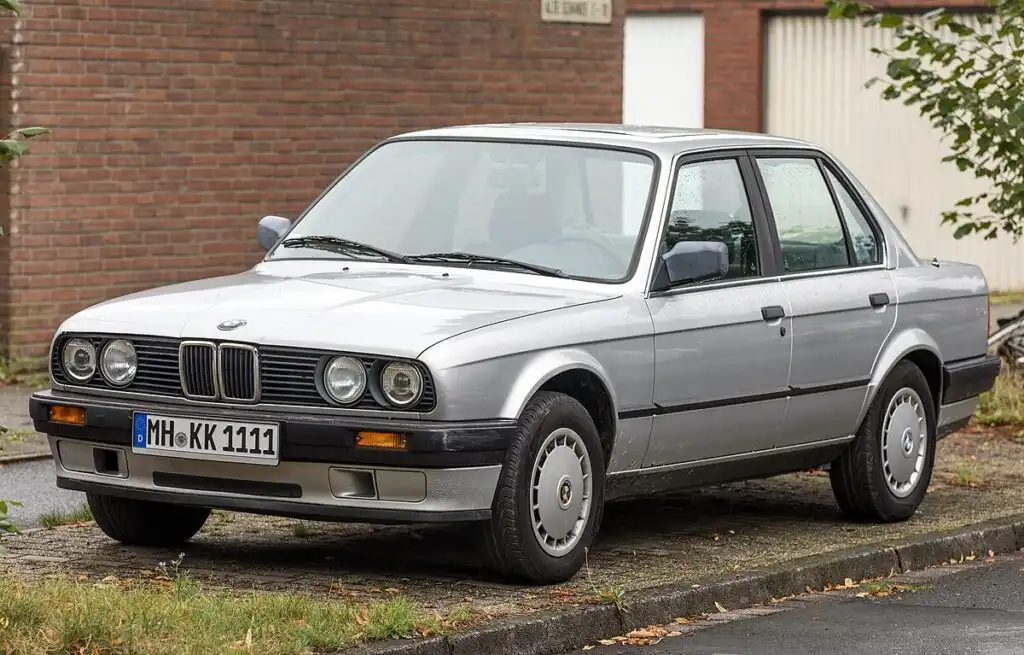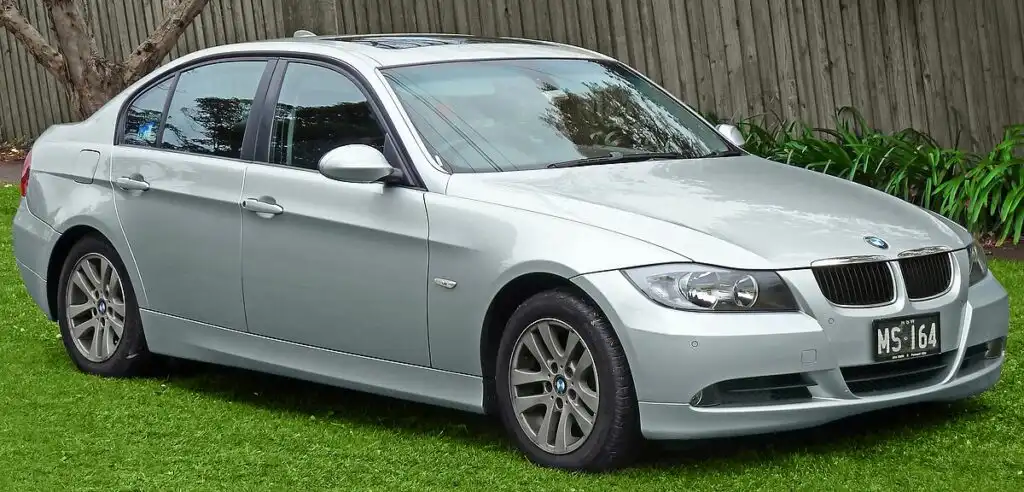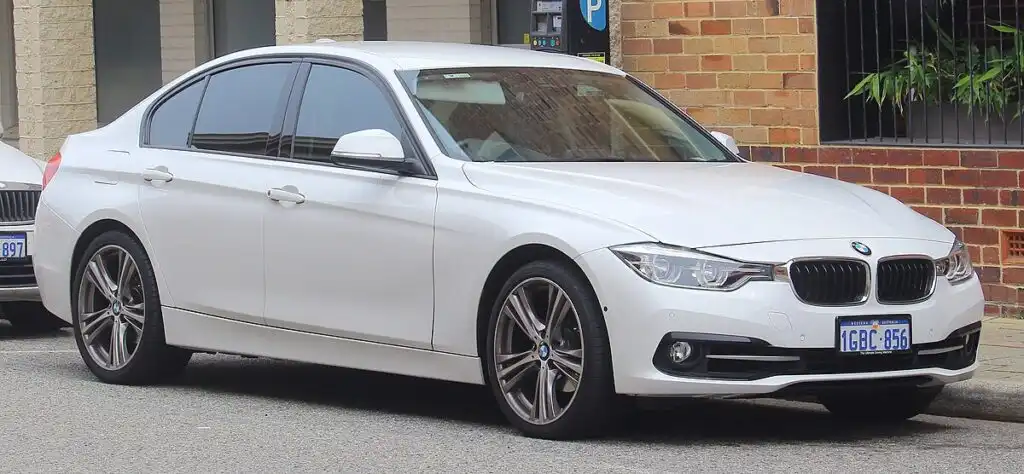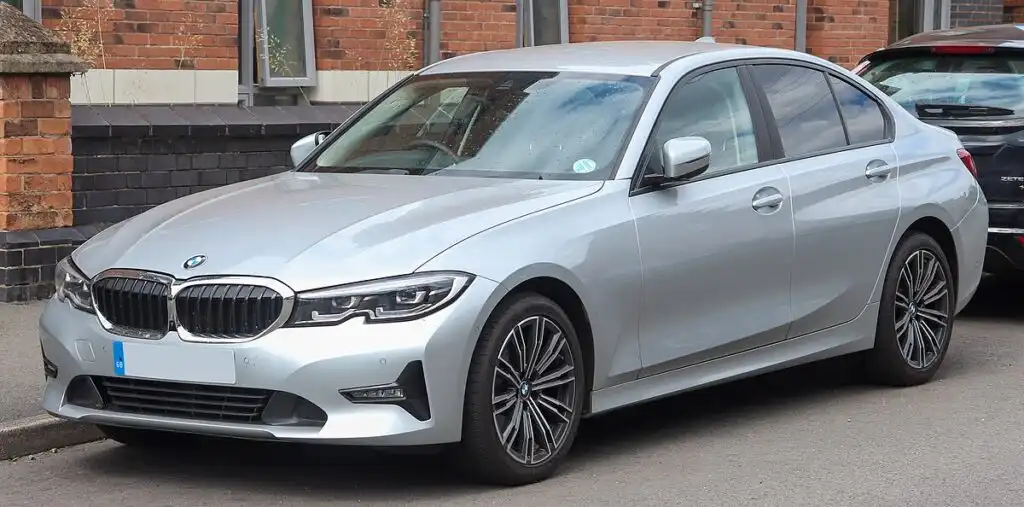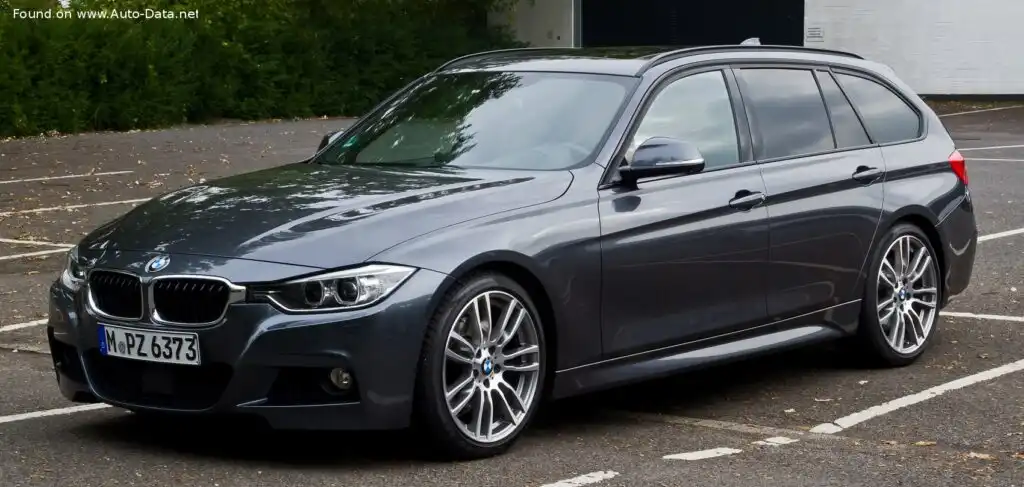
The BMW 3 Series Touring (F31) 320d EfficientDynamics Edition, produced from 2013 to 2015, represents a fuel-conscious variant within the sixth generation (F31) of BMW’s popular 3 Series wagon. Positioned as a mid-range offering, it aimed to balance practicality, efficiency, and the driving experience characteristic of the 3 Series. This model was primarily marketed in Europe, where the demand for diesel-powered wagons remained strong, offering a compelling alternative to larger SUVs and sedans. The EfficientDynamics designation signified BMW’s efforts to optimize fuel economy through a combination of engine tuning, aerodynamic enhancements, and lightweight construction techniques.
Technical Specifications
| Brand | BMW |
| Model | 3 Series |
| Generation | 3 Series Touring (F31) |
| Type (Engine) | 320d (163 Hp) EfficientDynamics Edition |
| Start of production | 2013 |
| End of production | 2015 |
| Powertrain Architecture | Internal Combustion engine |
| Body type | Station wagon (estate) |
| Seats | 5 |
| Doors | 5 |
| Fuel consumption (urban) | 5.3 l/100 km (44.4 US mpg, 53.3 UK mpg, 18.9 km/l) |
| Fuel consumption (extra urban) | 3.6 l/100 km (65.3 US mpg, 78.5 UK mpg, 27.8 km/l) |
| Fuel consumption (combined) | 4.3 l/100 km (54.7 US mpg, 65.7 UK mpg, 23.3 km/l) |
| CO2 emissions | 112 g/km |
| Fuel Type | Diesel |
| Acceleration 0 – 100 km/h | 8.3 sec |
| Acceleration 0 – 62 mph | 8.3 sec |
| Acceleration 0 – 60 mph | 7.9 sec |
| Maximum speed | 222 km/h (137.94 mph) |
| Emission standard | Euro 5 |
| Weight-to-power ratio | 9.2 kg/Hp, 109 Hp/tonne |
| Weight-to-torque ratio | 3.9 kg/Nm, 254.2 Nm/tonne |
| Power | 163 Hp @ 4000 rpm |
| Power per litre | 81.7 Hp/l |
| Torque | 380 Nm @ 1750-2750 rpm (280.27 lb.-ft. @ 1750-2750 rpm) |
| Engine layout | Front, Longitudinal |
| Engine Model/Code | N47D20C |
| Engine displacement | 1995 cm3 (121.74 cu. in.) |
| Number of cylinders | 4 |
| Engine configuration | Inline |
| Cylinder Bore | 84 mm (3.31 in.) |
| Piston Stroke | 90 mm (3.54 in.) |
| Compression ratio | 16.5:1 |
| Number of valves per cylinder | 4 |
| Fuel injection system | Diesel Commonrail |
| Engine aspiration | Twin-power turbo, Intercooler |
| Engine oil capacity | 5.2 l (5.49 US qt | 4.58 UK qt) |
| Coolant | 7 l (7.4 US qt | 6.16 UK qt) |
| Kerb Weight | 1495 kg (3295.91 lbs.) |
| Max. weight | 2045 kg (4508.45 lbs.) |
| Max load | 550 kg (1212.54 lbs.) |
| Trunk (boot) space – minimum | 495 l (17.48 cu. ft.) |
| Trunk (boot) space – maximum | 1500 l (52.97 cu. ft.) |
| Fuel tank capacity | 57 l (15.06 US gal | 12.54 UK gal) |
| Max. roof load | 75 kg (165.35 lbs.) |
| Permitted trailer load with brakes (12%) | 1600 kg (3527.4 lbs.) |
| Permitted trailer load without brakes | 745 kg (1642.44 lbs.) |
| Permitted towbar download | 75 kg (165.35 lbs.) |
| Length | 4624 mm (182.05 in.) |
| Width | 1811 mm (71.3 in.) |
| Height | 1416 mm (55.75 in.) |
| Wheelbase | 2810 mm (110.63 in.) |
| Front track | 1543 mm (60.75 in.) |
| Rear (Back) track | 1583 mm (62.32 in.) |
| Ride height (ground clearance) | 127 mm (5 in.) |
| Drag coefficient (Cd) | 0.30 |
| Minimum turning circle (turning diameter) | 11.3 m (37.07 ft.) |
| Drivetrain Architecture | The Internal combustion engine (ICE) drives the rear wheels of the vehicle. |
| Drive wheel | Rear wheel drive |
| Number of gears and type of gearbox | 6 gears, manual transmission |
| Front suspension | Independent coil spring |
| Rear suspension | Independent multi-link suspension |
| Front brakes | Ventilated discs |
| Rear brakes | Disc |
| Assisting systems | ABS (Anti-lock braking system) |
| Steering type | Steering rack and pinion |
| Power steering | Electric Steering |
| Tires size | 205/60 R16 92W |
| Wheel rims size | 7J x 16 |
Powertrain & Engine Architecture
The heart of the 320d EfficientDynamics Edition is the N47D20C, a 2.0-liter inline-four diesel engine. This engine is a member of BMW’s modular engine family, known for its compact size and efficiency. The N47 featured a common-rail direct injection system, delivering fuel at extremely high pressures for optimized combustion. A single turbocharger with variable geometry turbine (VGT) technology provided boost, contributing to both power and torque across a broad rev range. The engine also incorporated BMW’s BlueEfficiency technologies, including optimized engine mapping and reduced internal friction. The 6-speed manual transmission was standard, chosen for its efficiency and driver engagement. While an 8-speed automatic was available on other 3 Series models, it wasn’t offered with this specific EfficientDynamics configuration, emphasizing the focus on minimizing fuel consumption.
Driving Characteristics
The 163 horsepower and 380 Nm (280 lb-ft) of torque delivered by the N47D20C engine provided adequate performance for everyday driving. Acceleration from 0 to 60 mph took approximately 7.9 seconds, and the car felt responsive in most situations. However, compared to the more powerful 328i or 335i variants, the 320d lacked outright speed. The manual transmission offered precise shifts, and the engine’s torque curve meant that frequent downshifting wasn’t necessary. The EfficientDynamics tuning prioritized fuel economy over outright performance, resulting in a slightly less engaging driving experience than other 3 Series models. The focus was on smooth, linear power delivery and maximizing miles per gallon.
Equipment & Trim Levels
The 320d EfficientDynamics Edition came reasonably well-equipped as standard. Interior features typically included cloth upholstery, manual air conditioning, a basic audio system, and power windows. Standard safety equipment included ABS, stability control, and multiple airbags. Optional extras included leather upholstery, a sunroof, upgraded audio systems, navigation, and parking sensors. The EfficientDynamics package itself included aerodynamic enhancements, such as a rear spoiler and underbody panels, designed to reduce drag and improve fuel efficiency. The interior trim was generally functional and understated, reflecting the car’s focus on practicality and efficiency.
Chassis & Braking
The F31 3 Series Touring utilized a MacPherson strut front suspension and a multi-link rear suspension, providing a comfortable and controlled ride. The suspension was tuned to balance handling and comfort, offering a good compromise for everyday driving. The 320d typically featured ventilated front disc brakes and solid rear discs. The braking system was effective and provided good stopping power. The car’s weight distribution was relatively balanced, contributing to its stable handling characteristics. The standard tire size was 205/60 R16, chosen for its balance of grip and rolling resistance.
Market Reception & Comparison
The 320d EfficientDynamics Edition was generally well-received by automotive critics. It was praised for its fuel economy, comfortable ride, and practical wagon body style. However, some reviewers noted that the engine lacked the punch of more powerful 3 Series variants. Compared to the 328i, the 320d offered significantly better fuel economy but less performance. The 320d also differed from the 320d xDrive (all-wheel drive) model, offering slightly better fuel economy but less traction in adverse weather conditions. The EfficientDynamics Edition was positioned as a sensible choice for buyers prioritizing fuel efficiency and practicality over outright performance.
Legacy
The N47 engine, while generally reliable, has been known to experience timing chain issues in some cases, particularly in earlier production years. Regular oil changes and preventative maintenance are crucial for ensuring the longevity of this engine. Today, the F31 320d EfficientDynamics Edition represents a relatively affordable entry point into BMW ownership. It remains a practical and fuel-efficient wagon, appealing to buyers seeking a versatile and economical vehicle. The car’s reputation for reliability, combined with its relatively low running costs, has helped it maintain a solid following in the used car market.