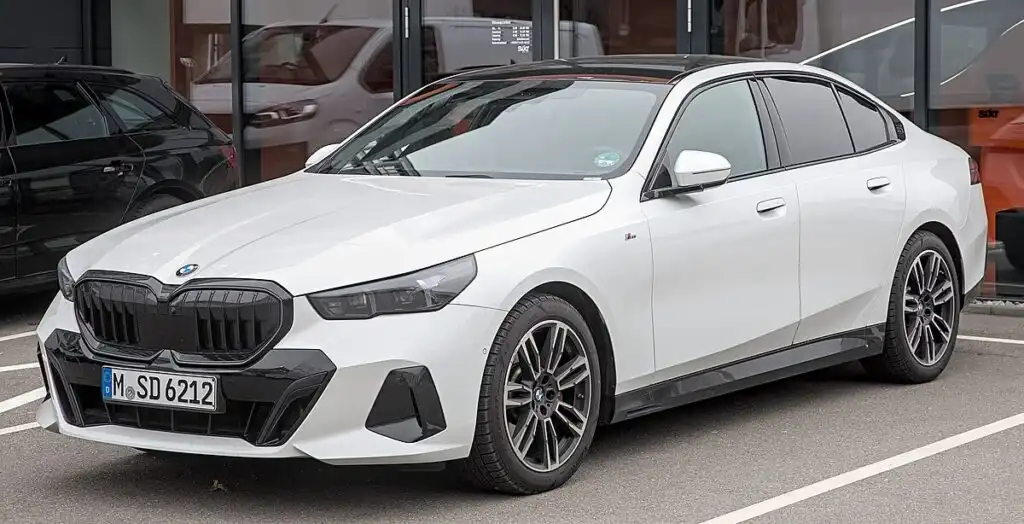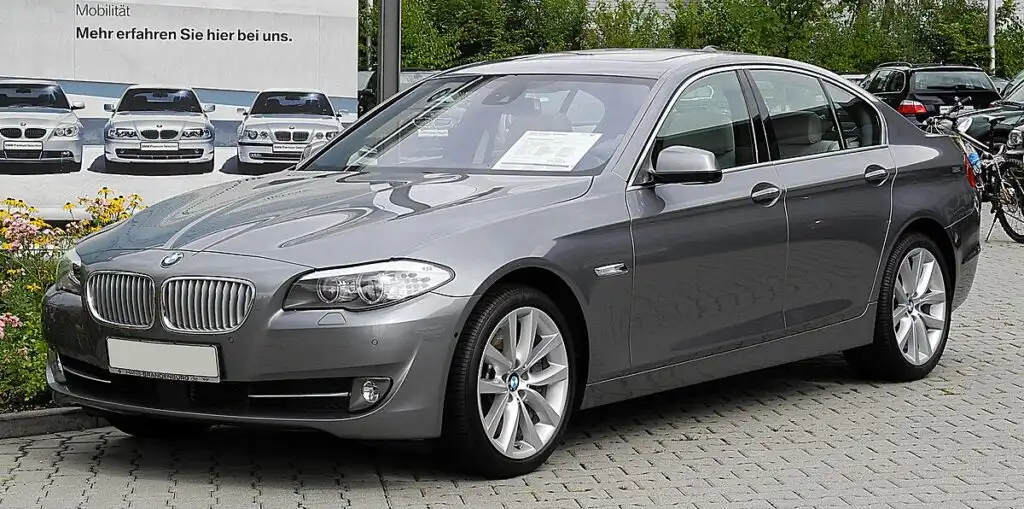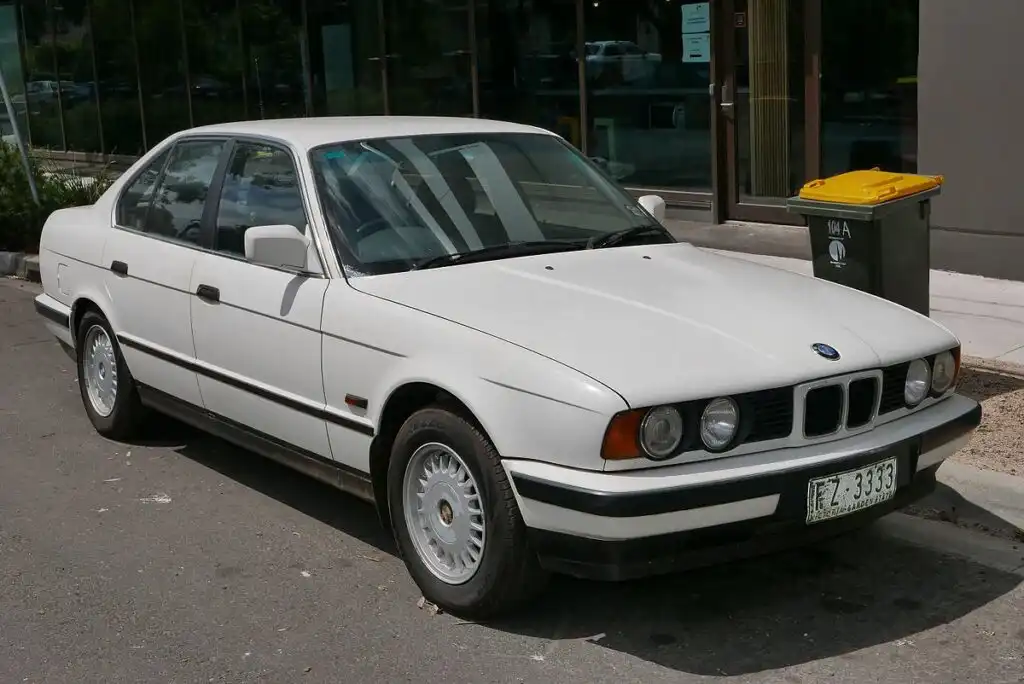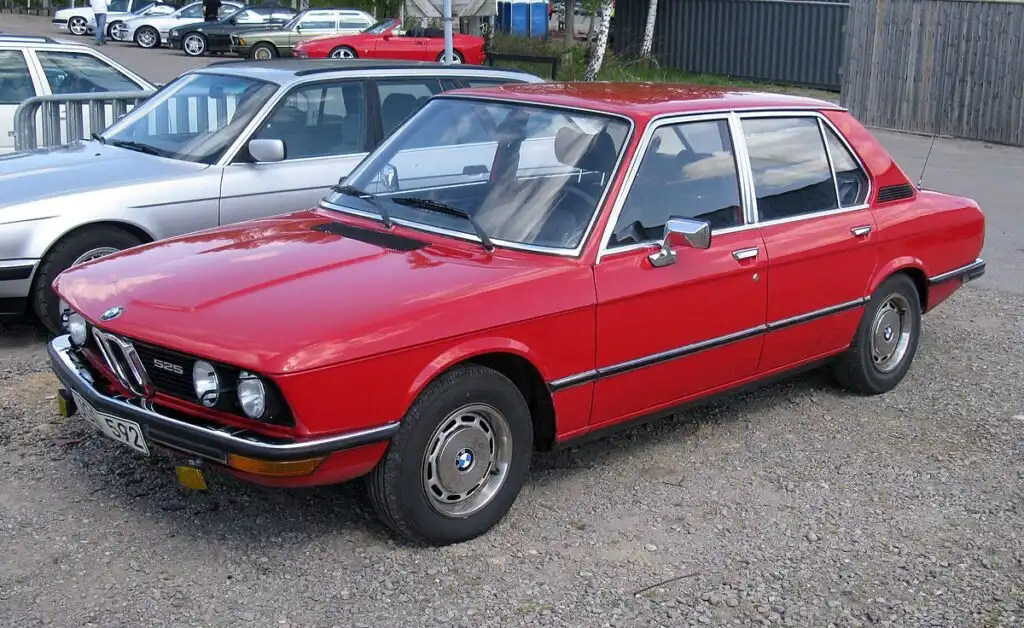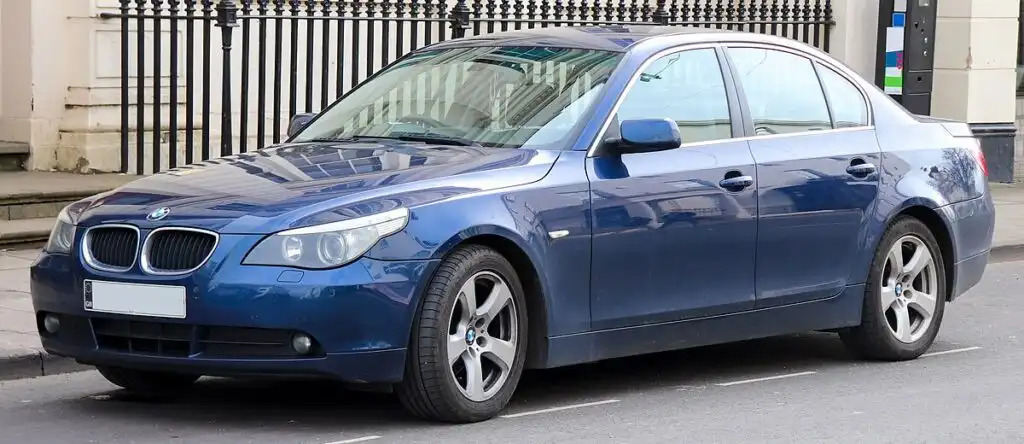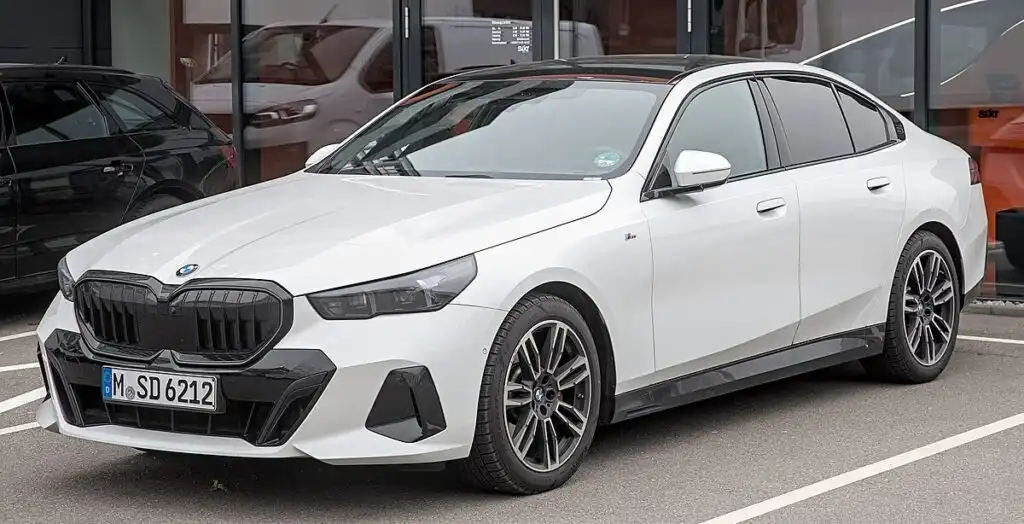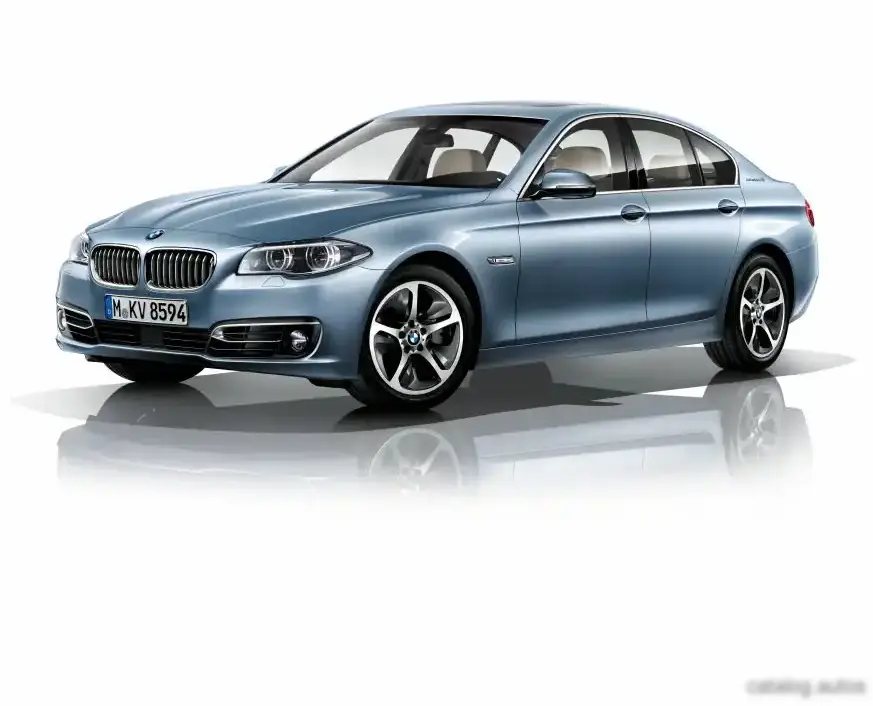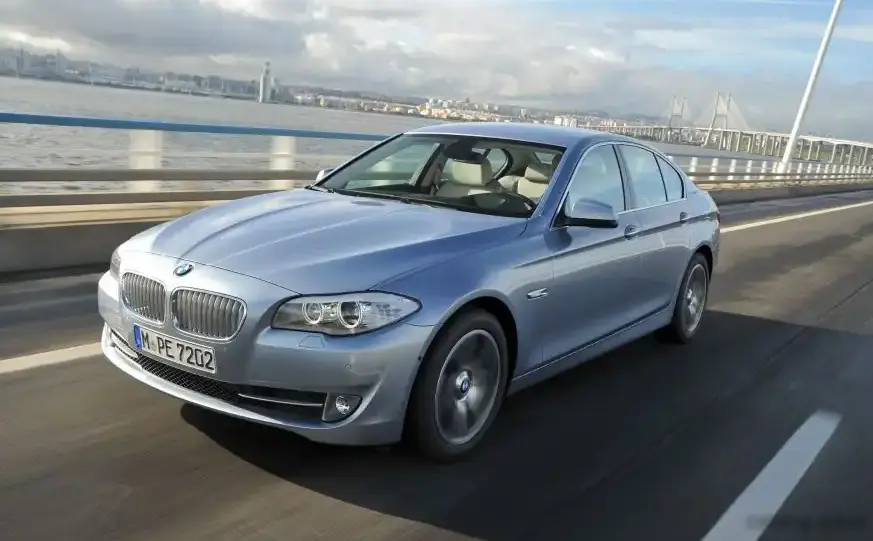
The BMW 5 Series ActiveHybrid 3.0 (F10), produced from 2011 to 2013, represented BMW’s foray into mainstream hybrid technology within its executive sedan lineup. Positioned as a performance-oriented hybrid, it aimed to deliver improved fuel efficiency without sacrificing the driving experience expected of a 5 Series. This variant sat above the standard 5 Series models in terms of technology and price, offering a unique blend of gasoline and electric power. It was part of the F10 generation, which itself was a significant redesign of the 5 Series, introducing a more dynamic driving character and advanced features.
Technical Specifications
| Brand | BMW |
| Model | 5 Series |
| Generation | 5 Series Active Hybrid (F10) |
| Type (Engine) | ActiveHybrid 3.0 (340 Hp) |
| Start of production | 2011 |
| End of production | 2013 |
| Powertrain Architecture | FHEV (Full Hybrid Electric Vehicle) |
| Body type | Sedan |
| Seats | 5 |
| Doors | 4 |
| Fuel consumption (urban) | 5.7-6.2 l/100 km (41.3 – 37.9 US mpg) |
| Fuel consumption (extra urban) | 6.7-7.4 l/100 km (35.1 – 31.8 US mpg) |
| Fuel consumption (combined) | 6.4-7.0 l/100 km (36.8 – 33.6 US mpg) |
| CO2 emissions | 149-163 g/km |
| Fuel Type | Petrol (Gasoline) |
| Acceleration 0 – 100 km/h | 5.9 sec |
| Acceleration 0 – 62 mph | 5.9 sec |
| Acceleration 0 – 60 mph | 5.6 sec |
| Maximum speed | 250 km/h (155.34 mph) |
| Emission standard | Euro 5 |
| Weight-to-power ratio | 5.7 kg/Hp, 176.6 Hp/tonne |
| Weight-to-torque ratio | 4.3 kg/Nm, 233.8 Nm/tonne |
| Electric motor power | 54 Hp |
| System power | 340 Hp @ 5800 rpm |
| System torque | 450 Nm @ 1200-5000 rpm (331.9 lb.-ft. @ 1200-5000 rpm) |
| Engine Power | 306 Hp |
| Power per litre | 102.7 Hp/l |
| Engine layout | Front, Longitudinal |
| Engine Model/Code | N55B30A |
| Engine displacement | 2979 cm3 (181.79 cu. in.) |
| Number of cylinders | 6 |
| Engine configuration | Inline |
| Cylinder Bore | 84 mm (3.31 in.) |
| Piston Stroke | 89.6 mm (3.53 in.) |
| Compression ratio | 10.2:1 |
| Number of valves per cylinder | 4 |
| Fuel injection system | Direct injection |
| Engine aspiration | Turbocharger, Intercooler |
| Engine oil capacity | 6.5 l (6.87 US qt | 5.72 UK qt) |
| Coolant | 9 l (9.51 US qt | 7.92 UK qt) |
| Kerb Weight | 1925 kg (4243.9 lbs.) |
| Max. weight | 2400 kg (5291.09 lbs.) |
| Max load | 475 kg (1047.2 lbs.) |
| Length | 4899 mm (192.87 in.) |
| Width | 1860 mm (73.23 in.) |
| Height | 1464 mm (57.64 in.) |
| Wheelbase | 2968 mm (116.85 in.) |
| Front track | 1600 mm (62.99 in.) |
| Rear track | 1627 mm (64.06 in.) |
| Drag coefficient (Cd) | 0.28 |
| Drive wheel | Rear wheel drive |
| Number of gears | 8 |
| Gearbox type | automatic transmission Steptronic |
| Front brakes | Ventilated discs |
| Rear brakes | Ventilated discs |
| Assisting systems | ABS (Anti-lock braking system) |
| Steering type | Steering rack and pinion |
| Tires size | 225/55 R17 97W |
| Wheel rims size | 8J x 17 |
Powertrain & Engine Architecture
The ActiveHybrid 3.0’s powertrain centers around BMW’s N55B30A 3.0-liter inline-six cylinder engine. This engine, already known for its smooth power delivery and responsiveness, produces 306 horsepower and 300 lb-ft of torque. It utilizes direct fuel injection and a single twin-scroll turbocharger to maximize efficiency and performance. Crucially, it’s paired with a 54-horsepower electric motor integrated into the eight-speed automatic transmission. The electric motor draws power from a lithium-ion battery pack located under the trunk floor. The system allows for electric-only driving at low speeds and provides a boost to the gasoline engine during acceleration. The eight-speed Steptronic automatic transmission was specifically tuned to work seamlessly with the hybrid system, offering smooth shifts and optimized gear selection for both fuel economy and performance. The integration of the electric motor doesn’t require any changes to the engine’s fundamental architecture, allowing for relatively straightforward maintenance compared to more complex hybrid systems.
Driving Characteristics
The 5 Series ActiveHybrid 3.0 delivers a noticeably different driving experience compared to its conventionally powered siblings. While the 0-60 mph time of around 5.6 seconds is respectable, the hybrid system prioritizes smooth, effortless acceleration rather than outright sportiness. The electric motor provides instant torque, filling in gaps in the gasoline engine’s power delivery and resulting in a very responsive feel, especially at lower speeds. The eight-speed automatic transmission is well-matched to the powertrain, providing smooth and quick shifts. Compared to the 535i with the same N55 engine but without the hybrid system, the ActiveHybrid feels slightly heavier due to the battery pack, but the added torque from the electric motor compensates for this. The hybrid system also allows for regenerative braking, which captures energy during deceleration and stores it in the battery, further improving fuel economy. However, the regenerative braking can feel slightly different than traditional braking, requiring some acclimation for drivers unfamiliar with the system.
Equipment & Trim Levels
The ActiveHybrid 3.0 typically came well-equipped, reflecting its position as a premium offering. Standard features included leather upholstery, a premium sound system, navigation, and BMW’s iDrive infotainment system. Exterior features often included unique badging and aerodynamic enhancements to improve efficiency. Optional extras included features like adaptive cruise control, a head-up display, and upgraded interior trim options. The interior design was largely consistent with other F10 5 Series models, offering a luxurious and comfortable cabin. The placement of the battery pack did slightly reduce trunk space compared to the standard 5 Series sedan, but it remained reasonably spacious for everyday use.
Chassis & Braking
The ActiveHybrid 3.0 utilized the standard F10 5 Series chassis, featuring a double-wishbone front suspension and a multi-link rear suspension. The suspension was tuned to provide a comfortable ride while maintaining good handling characteristics. Brakes consisted of ventilated discs at all four corners, providing ample stopping power. The ActiveHybrid also incorporated BMW’s Dynamic Stability Control (DSC) system, which helps to maintain stability during cornering and emergency maneuvers. Due to the added weight of the hybrid components, the suspension was slightly recalibrated to maintain the 5 Series’ renowned handling balance.
Market Reception & Comparison
The BMW 5 Series ActiveHybrid 3.0 received mixed reviews upon its release. Critics praised its fuel efficiency and smooth driving experience, but some found it lacked the sporty character of other 5 Series models. Compared to the 535i, the ActiveHybrid offered better fuel economy but slightly less overall performance. Compared to the 550i, it offered a more economical alternative without sacrificing too much in terms of luxury and technology. Reliability reports have been generally positive, with the hybrid system proving to be relatively robust. However, the added complexity of the hybrid system does mean that maintenance costs could potentially be higher than those of a conventional 5 Series.
Legacy
The 5 Series ActiveHybrid 3.0 represents an important step in BMW’s development of hybrid technology. While it wasn’t a massive sales success, it paved the way for more advanced hybrid and electric vehicles from the automaker. On the used car market, the ActiveHybrid 3.0 offers a unique combination of luxury, performance, and fuel efficiency. The N55 engine is known for its durability, and the hybrid system has proven to be relatively reliable. However, potential buyers should be aware of the potential for higher maintenance costs and the reduced trunk space. As hybrid technology becomes more mainstream, the ActiveHybrid 3.0 is increasingly recognized as a pioneering model in BMW’s electrification journey.