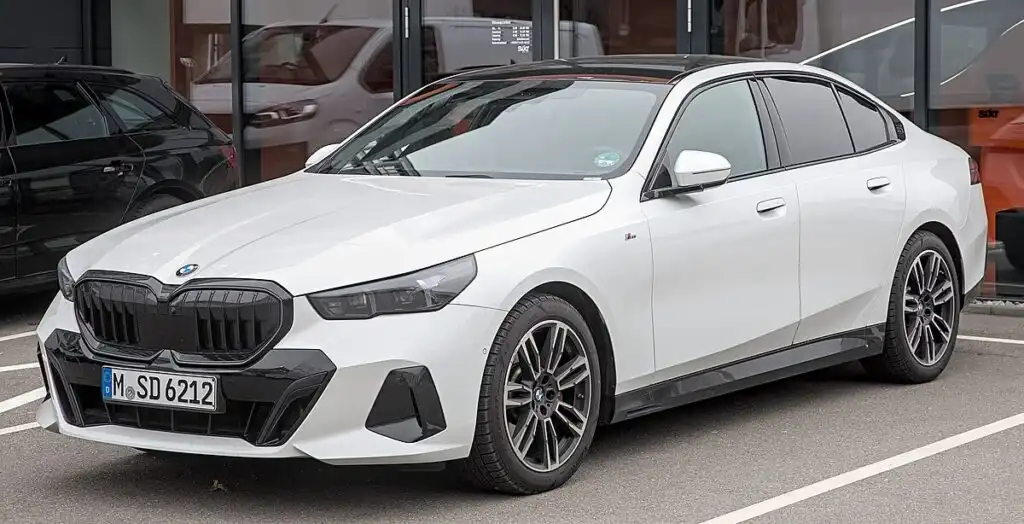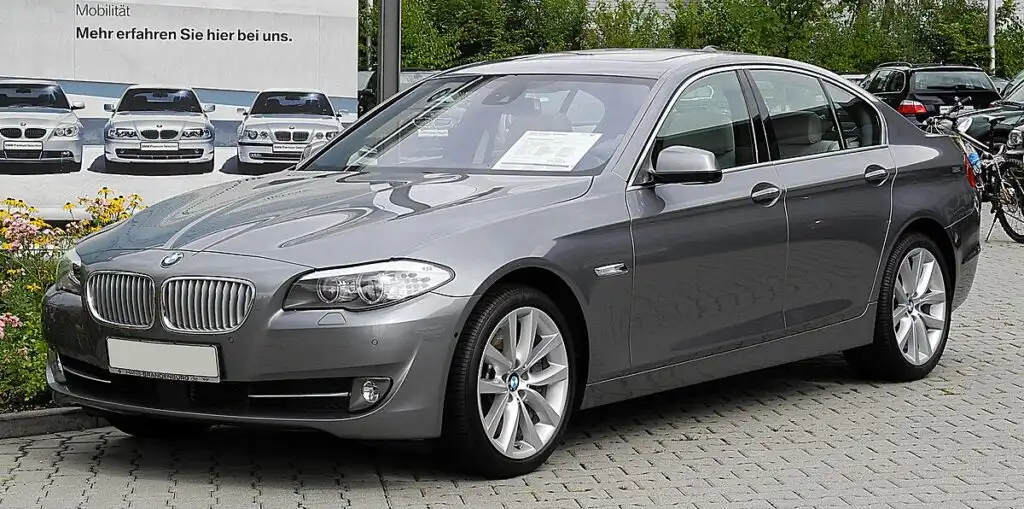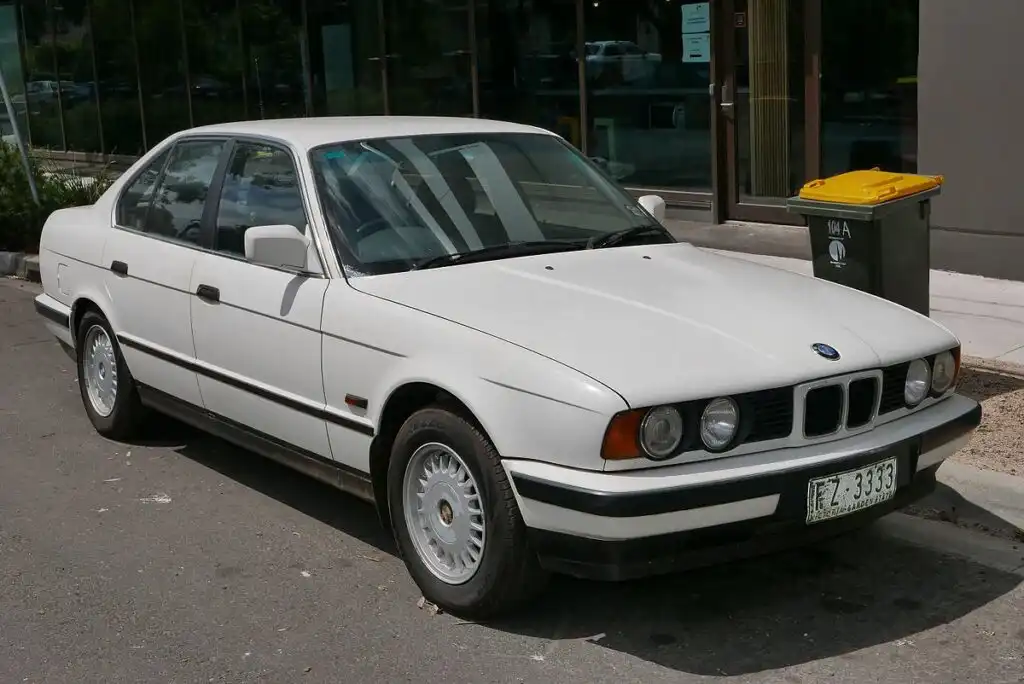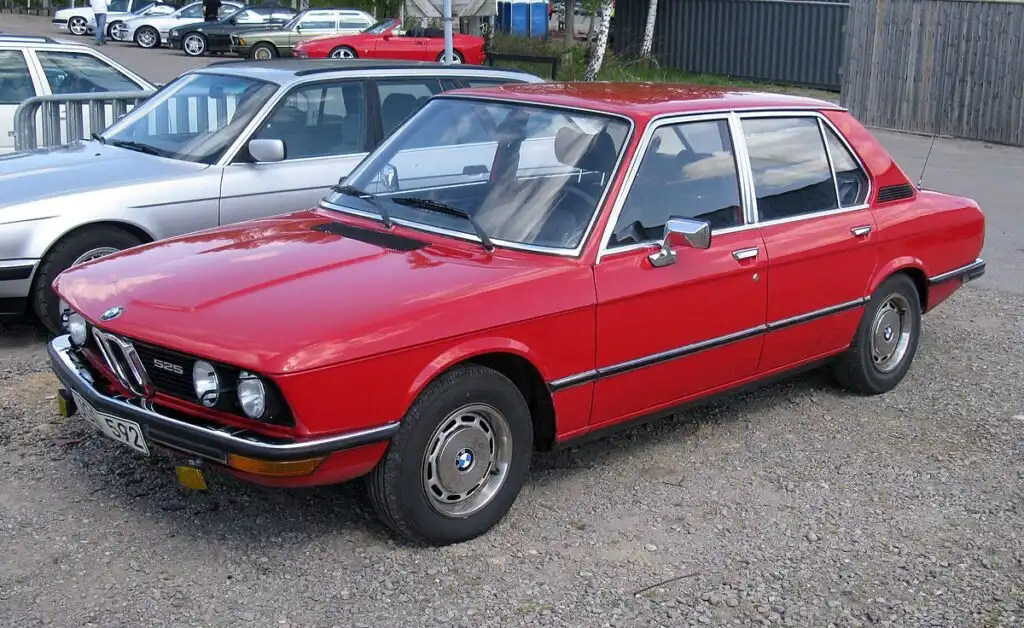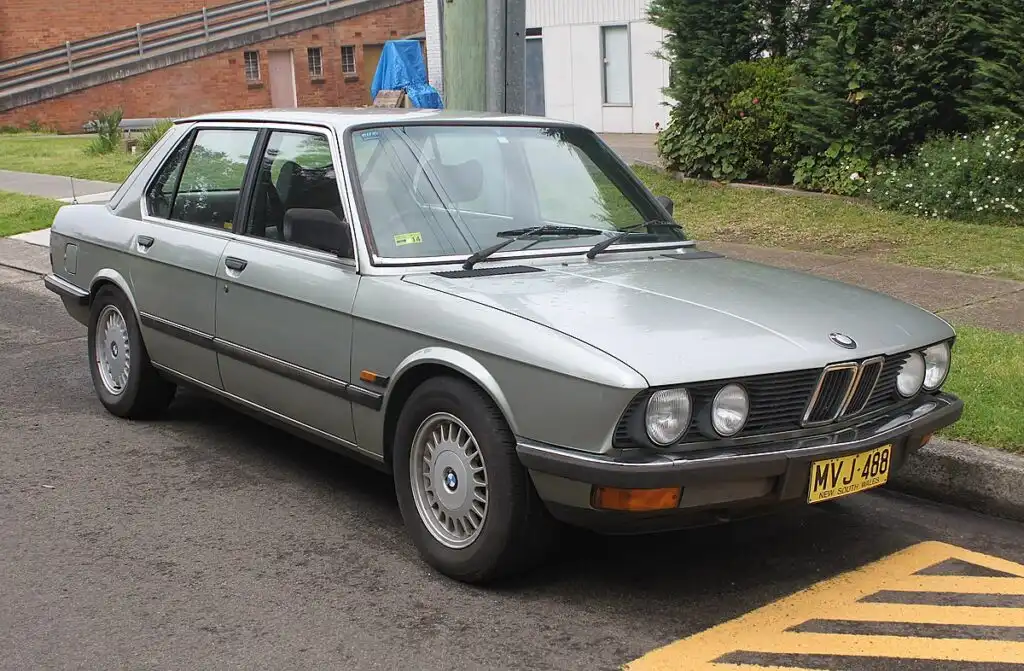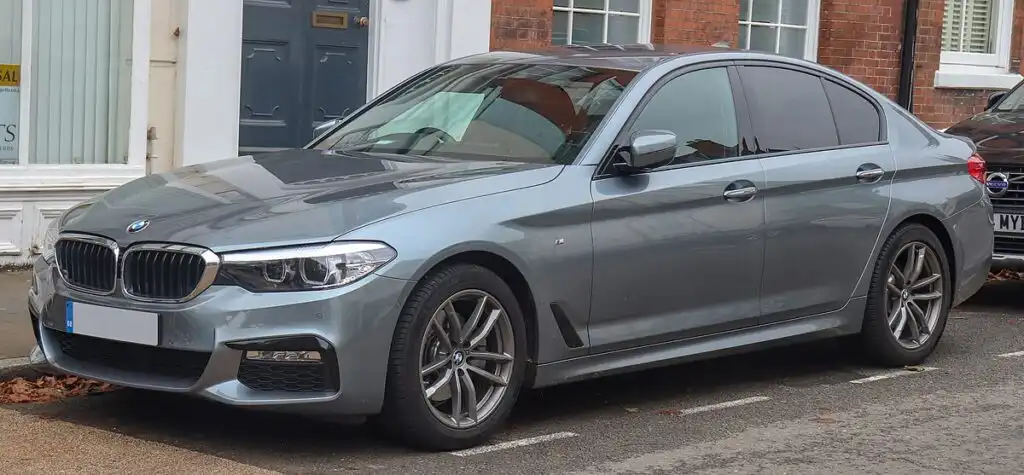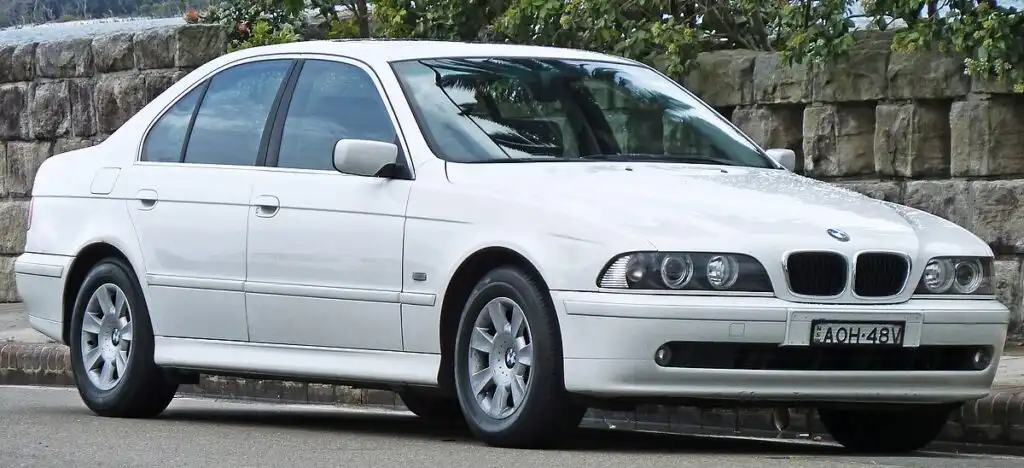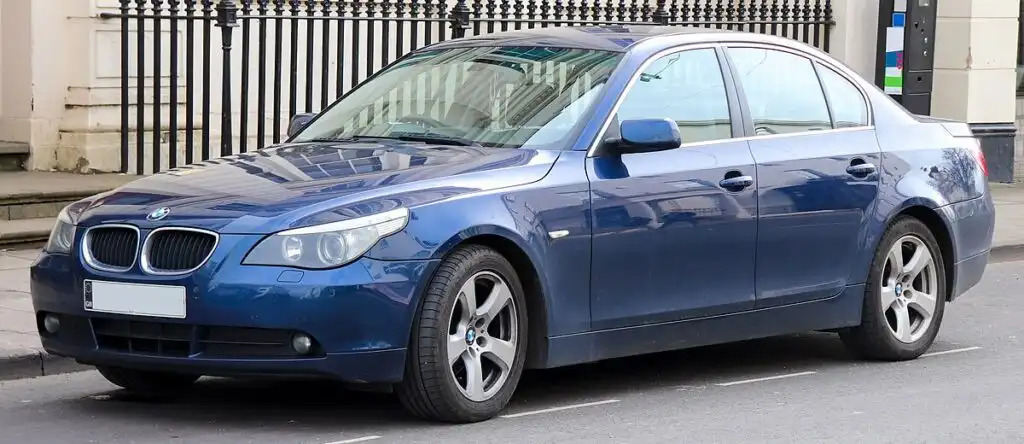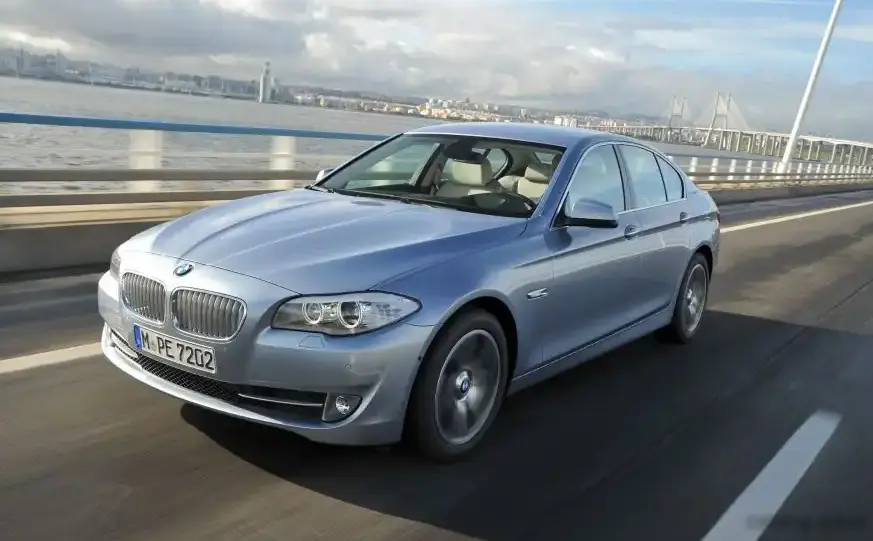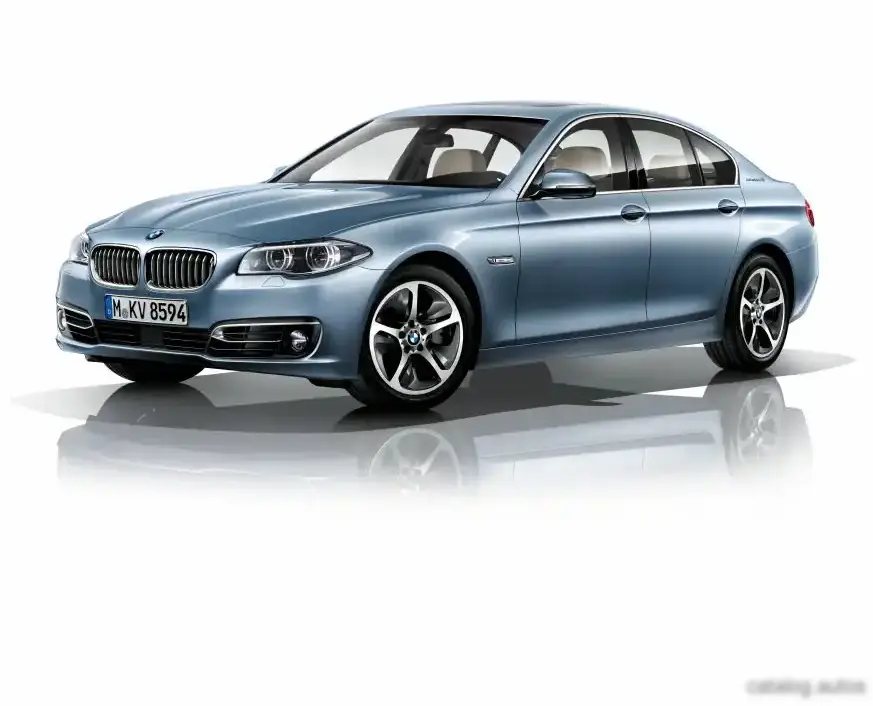
The BMW 5 Series ActiveHybrid 3.0 (F10H LCI), introduced with the facelift in 2013 and continuing through 2016, represented BMW’s attempt to blend luxury, performance, and fuel efficiency in the executive sedan segment. Positioned as a mid-range offering within the broader 5 Series lineup, it slotted between the conventionally powered 528i/535i models and the high-performance 550i. The ActiveHybrid 3.0 utilized a full hybrid electric vehicle (FHEV) powertrain, combining a turbocharged inline-six gasoline engine with an electric motor to deliver a combined output of 340 horsepower. This variant was primarily aimed at buyers seeking a more environmentally conscious option without sacrificing the driving experience synonymous with the BMW brand, particularly in markets with incentives for hybrid vehicles.
Technical Specifications
| Brand | BMW |
| Model | 5 Series |
| Generation | 5 Series Active Hybrid (F10H LCI, facelift 2013) |
| Type (Engine) | ActiveHybrid 3.0 (340 Hp) |
| Start of production | 2013 |
| End of production | 2016 |
| Powertrain Architecture | FHEV (Full Hybrid Electric Vehicle) |
| Body type | Sedan |
| Seats | 5 |
| Doors | 4 |
| Fuel consumption (urban) | 6.1-6.7 l/100 km (38.6 – 35.1 US mpg, 46.3 – 42.2 UK mpg, 16.4 – 14.9 km/l) |
| Fuel consumption (extra urban) | 6.6-7.2 l/100 km (35.6 – 32.7 US mpg, 42.8 – 39.2 UK mpg, 15.2 – 13.9 km/l) |
| Fuel consumption (combined) | 6.4-7.0 l/100 km (36.8 – 33.6 US mpg, 44.1 – 40.4 UK mpg, 15.6 – 14.3 km/l) |
| CO2 emissions | 149-163 g/km |
| Fuel Type | Petrol (Gasoline) |
| Acceleration 0 – 100 km/h | 5.9 sec |
| Acceleration 0 – 62 mph | 5.9 sec |
| Acceleration 0 – 60 mph | 5.6 sec |
| Maximum speed | 250 km/h (155.34 mph) |
| Emission standard | Euro 6 |
| Weight-to-power ratio | 5.4 kg/Hp, 183.8 Hp/tonne |
| Weight-to-torque ratio | 4.6 kg/Nm, 216.2 Nm/tonne |
| Power | 340 Hp @ 5800-6400 rpm |
| Power per litre | 114.1 Hp/l |
| Torque | 400 Nm @ 1200-5000 rpm (295.02 lb.-ft. @ 1200-5000 rpm) |
| Engine layout | Front, Longitudinal |
| Engine Model/Code | N55B30A |
| Engine displacement | 2979 cm3 (181.79 cu. in.) |
| Number of cylinders | 6 |
| Engine configuration | Inline |
| Cylinder Bore | 84 mm (3.31 in.) |
| Piston Stroke | 89.6 mm (3.53 in.) |
| Compression ratio | 10.2:1 |
| Number of valves per cylinder | 4 |
| Fuel injection system | Direct injection |
| Engine aspiration | Twin-power turbo, Intercooler |
| Engine oil capacity | 6.5 l (6.87 US qt | 5.72 UK qt) |
| Coolant | 9 l (9.51 US qt | 7.92 UK qt) |
| Kerb Weight | 1850 kg (4078.55 lbs.) |
| Max. weight | 2400 kg (5291.09 lbs.) |
| Max load | 550 kg (1212.54 lbs.) |
| Trunk (boot) space – minimum | 375 l (13.24 cu. ft.) |
| Fuel tank capacity | 67 l (17.7 US gal | 14.74 UK gal) |
| Max. roof load | 100 kg (220.46 lbs.) |
| Length | 4907 mm (193.19 in.) |
| Width | 1860 mm (73.23 in.) |
| Height | 1464 mm (57.64 in.) |
| Wheelbase | 2968 mm (116.85 in.) |
| Front track | 1600 mm (62.99 in.) |
| Rear (Back) track | 1627 mm (64.06 in.) |
| Ride height (ground clearance) | 141 mm (5.55 in.) |
| Drag coefficient (Cd) | 0.27 |
| Minimum turning circle (turning diameter) | 12.0 m (39.37 ft.) |
| Drivetrain Architecture | The Internal combustion engine (ICE) and electric motor drive the rear wheels of the car with the ability to work in full electric or mixed mode. |
| Drive wheel | Rear wheel drive |
| Number of gears and type of gearbox | 8 gears, automatic transmission Steptronic |
| Front suspension | Double wishbone |
| Rear suspension | Independent multi-link suspension |
| Front brakes | Ventilated discs |
| Rear brakes | Ventilated discs |
| Assisting systems | ABS (Anti-lock braking system) |
| Steering type | Steering rack and pinion |
| Tires size | 225/55 R17; 245/45 R18; 275/40 R18; 245/40 R19; 275/35 R19; 245/35 R20; 275/30 R20 |
| Wheel rims size | 8J x 17; 8J x 18; 9J x 18; 8.5J x 19; 9J x 19; 8.5J x 20; 9J x 20 |
Powertrain & Engine Architecture
At the heart of the ActiveHybrid 3.0 lies BMW’s N55B30A 3.0-liter inline-six gasoline engine. This engine, a member of BMW’s highly regarded N55 family, features direct fuel injection, a single twin-scroll turbocharger, and Double-VANOS variable valve timing. The N55 is known for its smooth power delivery and responsiveness. The engine produces 300 hp and 300 lb-ft of torque on its own. Supplementing this is a synchronous electric motor, integrated into the eight-speed automatic transmission, capable of delivering an additional 55 hp and 150 lb-ft of torque. The electric motor is powered by a lithium-ion battery pack located under the trunk floor, reducing cargo space slightly. The transmission, a ZF 8HP series automatic, is specifically tuned to work seamlessly with both the gasoline engine and the electric motor. The hybrid system allows for electric-only driving at low speeds and under light loads, contributing to improved fuel economy. The system prioritizes efficiency, blending power from both sources as needed for optimal performance.
Driving Characteristics
The 5 Series ActiveHybrid 3.0 offers a unique driving experience. While not as overtly sporty as the 535i or 550i, it provides ample power for everyday driving and confident passing maneuvers. The electric motor provides instant torque, filling in gaps in the gasoline engine’s powerband and resulting in a surprisingly responsive feel. The eight-speed automatic transmission shifts smoothly and efficiently, and the hybrid system’s control logic is generally well-executed. However, the added weight of the battery pack (approximately 330 lbs) does slightly diminish the car’s agility compared to its non-hybrid counterparts. The steering feel is typical BMW – precise and well-weighted – but the overall experience is more focused on comfort and refinement than outright sportiness. In real-world conditions, the hybrid system delivers noticeable fuel economy improvements, particularly in city driving.
Equipment & Trim Levels
The ActiveHybrid 3.0 typically came well-equipped, reflecting its position as a premium model. Standard features included leather upholstery, power-adjustable front seats with memory function, a premium sound system, a navigation system, and BMW’s iDrive infotainment system. Available options included upgraded leather, a head-up display, active steering, and various driver-assistance systems such as lane departure warning and blind-spot monitoring. Exterior styling cues were subtle, with unique badging and aerodynamic enhancements to improve efficiency. The interior trim was generally similar to other 5 Series models, but with hybrid-specific displays in the instrument cluster providing information about the hybrid system’s operation.
Chassis & Braking
The ActiveHybrid 3.0 utilizes a similar chassis and suspension setup to other 5 Series models. It features a double-wishbone front suspension and an independent multi-link rear suspension, providing a comfortable and controlled ride. Ventilated disc brakes are standard on all four wheels, and the car is equipped with ABS, dynamic stability control, and traction control. Due to the added weight of the hybrid components, the suspension was often tuned with slightly stiffer springs and dampers to maintain handling balance. The steering system is a rack-and-pinion setup with electric power assistance.
Market Reception & Comparison
The 5 Series ActiveHybrid 3.0 received generally positive reviews from automotive critics. It was praised for its fuel efficiency, smooth ride, and refined interior. However, some reviewers noted that the hybrid system added significant weight and complexity, and that the performance gains were not substantial enough to justify the higher price compared to the 535i. Compared to the 535i, the ActiveHybrid 3.0 offered better fuel economy but slightly less engaging driving dynamics. Compared to the 550i, it provided a more environmentally friendly alternative but lacked the same level of outright performance. Reliability reports suggest that the hybrid system is generally reliable, but the added complexity does increase the potential for issues compared to conventional gasoline-powered models.
Legacy
The BMW 5 Series ActiveHybrid 3.0 represents an early step in BMW’s electrification journey. While it didn’t achieve the same sales volume as its conventionally powered siblings, it demonstrated BMW’s commitment to developing hybrid technology. On the used car market, the ActiveHybrid 3.0 offers a compelling value proposition for buyers seeking a luxurious and fuel-efficient sedan. The N55 engine is known for its durability, and the hybrid system has proven to be relatively reliable with proper maintenance. However, potential buyers should be aware of the added complexity of the hybrid system and the potential for higher repair costs compared to non-hybrid models. The ActiveHybrid 3.0 remains a technologically interesting and reasonably practical choice for those seeking a blend of luxury, performance, and efficiency.