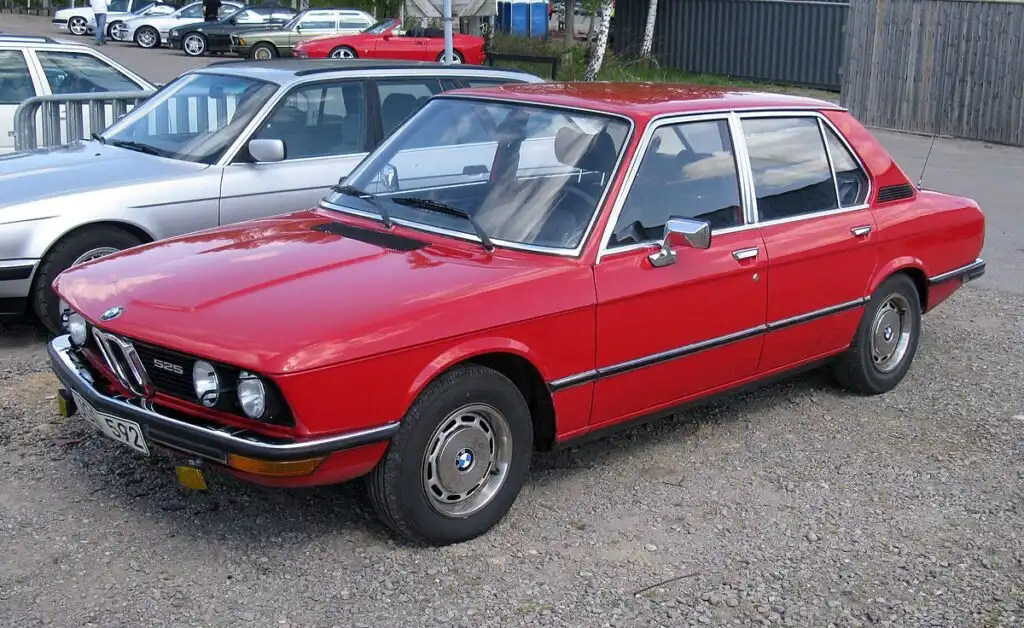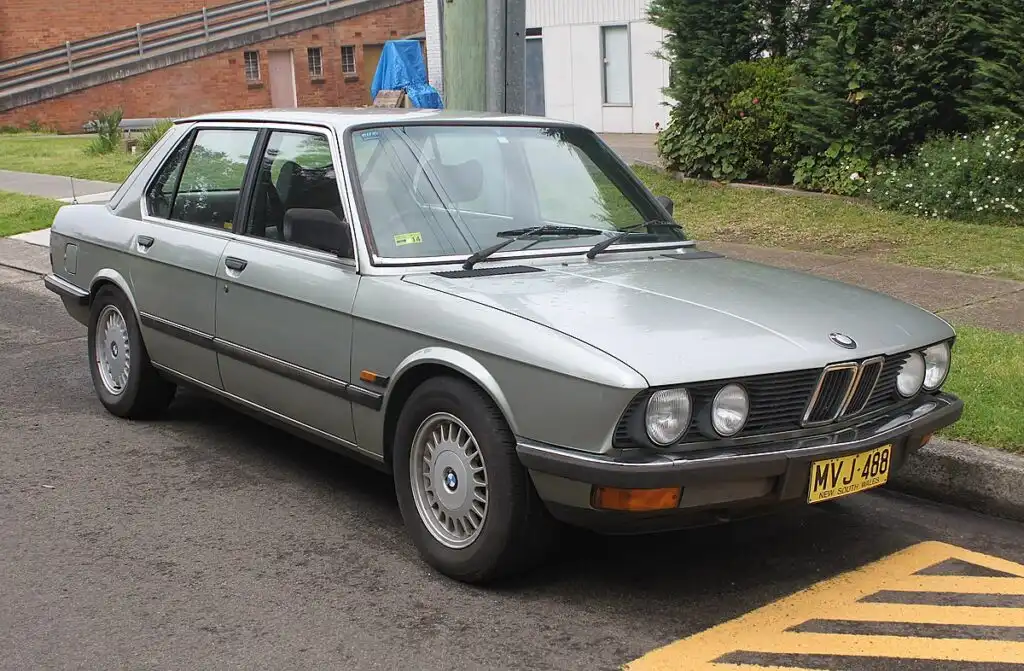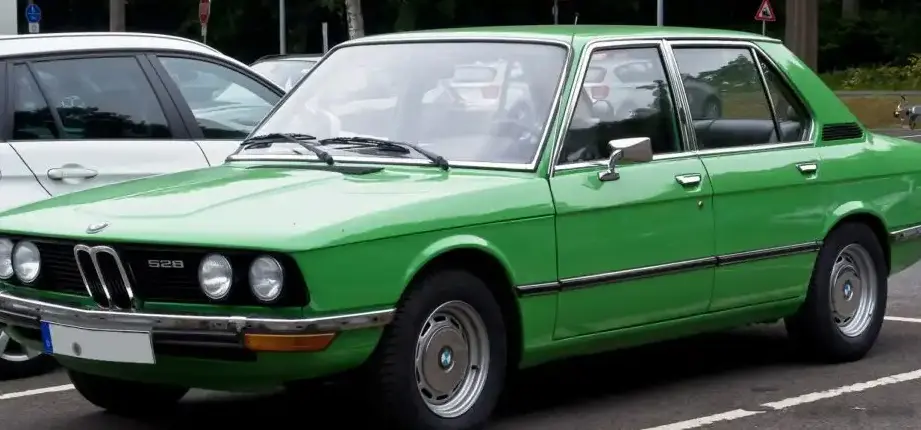
The BMW 5 Series E12 520, produced between 1972 and 1975, represented the entry point into the first generation of BMW’s mid-size executive car. Positioned as a more accessible alternative to the higher-powered 525 and 530 models, the 520 offered a blend of BMW’s renowned driving dynamics with a focus on fuel efficiency and affordability. It was a key model in establishing the 5 Series as a successful competitor in the European market, offering a modern, comfortable, and relatively sporty sedan for the growing middle class. The E12 platform, internally designated as the “New Six” series, was a significant departure from the earlier “New Class” sedans, featuring a more spacious interior and updated styling.
Technical Specifications
| Brand | BMW |
| Model | 5 Series |
| Generation | 5 Series (E12) |
| Type (Engine) | 520 (115 Hp) |
| Start of production | 1972 |
| End of production | 1975 |
| Powertrain Architecture | Internal Combustion engine |
| Body type | Sedan |
| Seats | 5 |
| Doors | 4 |
| Fuel consumption (combined) | 10.7 l/100 km (22 US mpg, 26.4 UK mpg, 9.3 km/l) |
| Fuel Type | Petrol (Gasoline) |
| Acceleration 0 – 100 km/h | 12.3 sec |
| Acceleration 0 – 62 mph | 12.3 sec |
| Acceleration 0 – 60 mph | 11.7 sec |
| Maximum speed | 176 km/h (109.36 mph) |
| Weight-to-power ratio | 10.8 kg/Hp, 92.7 Hp/tonne |
| Weight-to-torque ratio | 7.5 kg/Nm, 133.1 Nm/tonne |
| Power | 115 Hp @ 5800 rpm |
| Power per litre | 57.8 Hp/l |
| Torque | 165 Nm @ 3700 rpm (121.7 lb.-ft. @ 3700 rpm) |
| Engine layout | Front, Longitudinal |
| Engine Model/Code | M10B20 |
| Engine displacement | 1990 cm3 (121.44 cu. in.) |
| Number of cylinders | 4 |
| Engine configuration | Inline |
| Cylinder Bore | 89 mm (3.5 in.) |
| Piston Stroke | 80 mm (3.15 in.) |
| Number of valves per cylinder | 2 |
| Fuel injection system | Carburettor |
| Engine aspiration | Naturally aspirated engine |
| Engine oil capacity | 4.25 l (4.49 US qt | 3.74 UK qt) |
| Kerb Weight | 1240 kg (2733.73 lbs.) |
| Max. weight | 1810 kg (3990.37 lbs.) |
| Max load | 570 kg (1256.63 lbs.) |
| Trunk (boot) space – minimum | 440 l (15.54 cu. ft.) |
| Fuel tank capacity | 70 l (18.49 US gal | 15.4 UK gal) |
| Length | 4620 mm (181.89 in.) |
| Width | 1690 mm (66.54 in.) |
| Height | 1425 mm (56.1 in.) |
| Wheelbase | 2636 mm (103.78 in.) |
| Front track | 1406 mm (55.35 in.) |
| Rear (Back) track | 1442 mm (56.77 in.) |
| Ride height (ground clearance) | 139 mm (5.47 in.) |
| Drivetrain Architecture | The Internal combustion engine (ICE) drives the rear wheels of the vehicle. |
| Drive wheel | Rear wheel drive |
| Number of gears and type of gearbox | 4 gears, manual transmission |
| Front brakes | Disc |
| Rear brakes | Drum |
| Tires size | 175/80 R14 |
| Wheel rims size | 14 |
Powertrain & Engine Architecture
The heart of the 520 was the BMW M10B20 engine, a 2.0-liter inline-four cylinder unit. This engine was a development of the earlier M10 series, known for its robust construction and relatively simple design. The M10B20 featured a cast iron block and an aluminum cylinder head, with a single overhead camshaft operating two valves per cylinder. Fuel delivery was handled by a Solex carburetor, a common setup for the time, providing adequate but not particularly sophisticated fuel management. The engine produced 115 horsepower at 5800 rpm and 165 Nm (121.7 lb-ft) of torque at 3700 rpm. The engine’s longitudinal front-engine, rear-wheel-drive layout was a hallmark of BMW’s engineering philosophy at the time, contributing to balanced handling. The 520 was equipped with a four-speed manual transmission as standard, offering a direct and engaging driving experience.
Driving Characteristics
The 520, with its 115 hp and relatively lightweight construction, offered a respectable, if not exhilarating, driving experience. Acceleration from 0 to 60 mph took around 11.7 seconds, and top speed was approximately 109 mph. Compared to the 525 and 530 models, the 520 felt noticeably less powerful, particularly during overtaking maneuvers. However, the engine was willing to rev and provided a smooth power delivery. The manual transmission, with its well-defined shift gate, enhanced the driving experience, allowing drivers to make the most of the available power. The 520’s suspension, while not as sporty as the larger-engined models, provided a comfortable ride and good handling characteristics. The rear-wheel-drive layout contributed to a balanced feel, making the car enjoyable to drive on winding roads.
Equipment & Trim Levels
The 520 was generally equipped with a fairly basic level of trim, reflecting its position as the entry-level model. Standard features included cloth upholstery, vinyl flooring, and a simple dashboard layout. Power steering and air conditioning were typically optional extras. The interior was functional and well-built, typical of BMW’s standards at the time. Optional extras included a sunroof, upgraded audio systems, and leather upholstery. The exterior styling was consistent across the 5 Series range, with a clean and elegant design. The 520 typically featured smaller wheels and tires compared to the higher-powered models.
Chassis & Braking
The E12 520 utilized a MacPherson strut front suspension and a semi-trailing arm rear suspension. This setup provided a good balance between ride comfort and handling. The front brakes were disc brakes, while the rear brakes were drum brakes. This configuration was common for cars of this era and provided adequate stopping power for the vehicle’s weight and performance. The 520’s chassis was relatively lightweight, contributing to its nimble handling. Stabilizer bars were fitted to both the front and rear axles to reduce body roll during cornering.
Market Reception & Comparison
The 520 was generally well-received by automotive critics as a practical and affordable entry into the 5 Series range. It was praised for its fuel efficiency, comfortable ride, and BMW’s characteristic driving dynamics. However, some critics noted that the engine lacked the power of the 525 and 530 models. Compared to its siblings, the 520 offered a more economical option, appealing to buyers who prioritized fuel efficiency and affordability over outright performance. The 525 and 530, with their larger engines, offered significantly more power and a sportier driving experience, but at a higher price point. The 520’s fuel economy was notably better than the higher-powered models, making it a popular choice for drivers who covered long distances.
Legacy
The E12 520, while not the most powerful or sought-after variant of the first-generation 5 Series, remains a respected classic car. The M10B20 engine is known for its durability and relatively simple maintenance requirements. Well-maintained examples are still found on the road today, and the car has a dedicated following among BMW enthusiasts. The 520’s affordability and practicality have made it a popular choice for restoration projects. In the used car market, the E12 520 typically commands lower prices than the 525 and 530 models, making it an accessible entry point into classic BMW ownership. The E12 5 Series, as a whole, is considered a landmark model in BMW’s history, establishing the brand as a leader in the mid-size executive car segment.