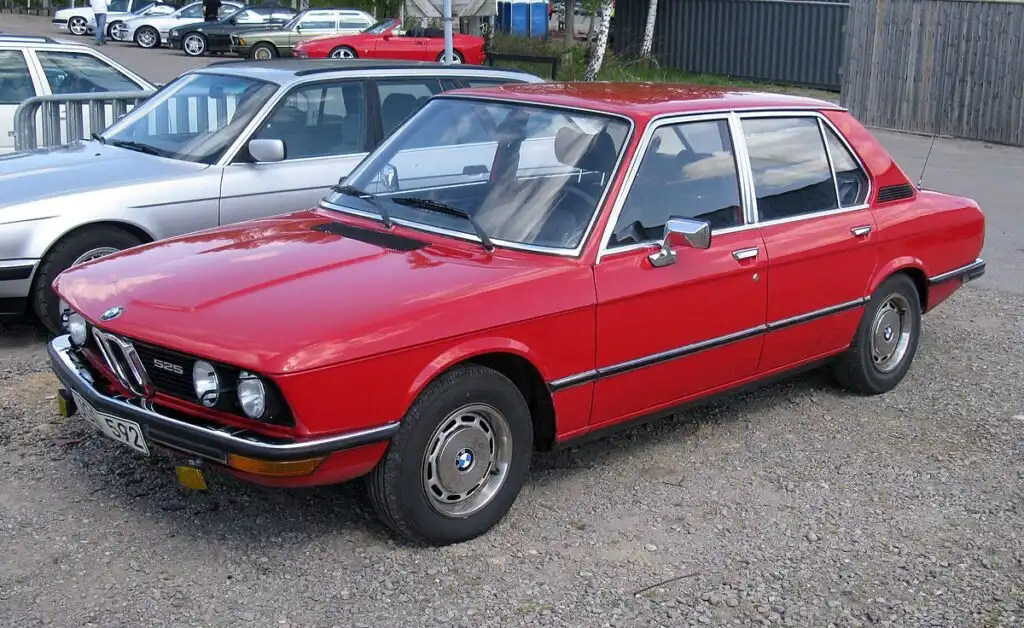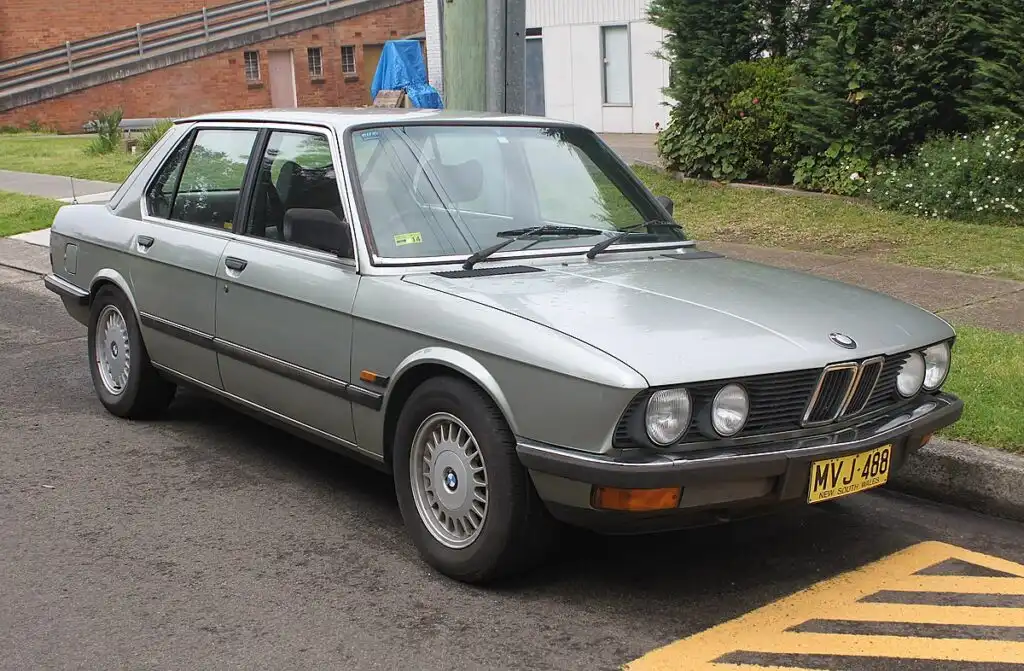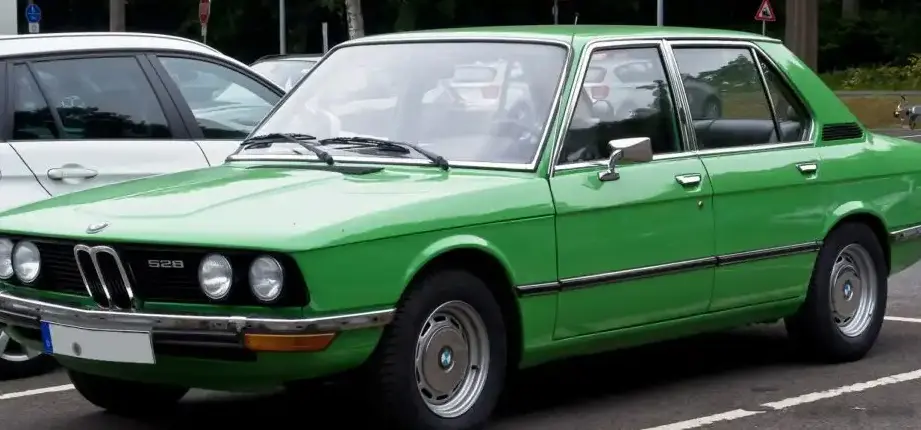
The BMW 5 Series E12 525, produced between 1973 and 1976, represented a significant step forward for BMW in the mid-size executive car segment. Positioned as a step up from the base 520 model, the 525 offered increased performance and a more refined driving experience. It was a key component of the initial E12 generation (1972-1981), which established the 5 Series as a benchmark for sporting sedans. The 525 aimed to balance performance with practicality, appealing to drivers who desired a comfortable and capable vehicle for both daily commuting and longer journeys.
Technical Specifications
| Brand | BMW |
| Model | 5 Series |
| Generation | 5 Series (E12) |
| Type (Engine) | 525 (146 Hp) |
| Start of production | 1973 |
| End of production | 1976 |
| Powertrain Architecture | Internal Combustion engine |
| Body type | Sedan |
| Seats | 5 |
| Doors | 4 |
| Fuel consumption (combined) | 10.5 l/100 km |
| Fuel consumption (US mpg) | 22.4 |
| Fuel consumption (UK mpg) | 26.9 |
| Fuel consumption (km/l) | 9.5 |
| Fuel Type | Petrol (Gasoline) |
| Acceleration 0 – 100 km/h | 10.1 sec |
| Acceleration 0 – 62 mph | 10.1 sec |
| Acceleration 0 – 60 mph | 9.6 sec |
| Maximum speed | 193 km/h (119.92 mph) |
| Weight-to-power ratio | 9.2 kg/Hp |
| Weight-to-torque ratio | 6.3 kg/Nm |
| Power | 146 Hp @ 6000 rpm |
| Power per litre | 58.5 Hp/l |
| Torque | 215 Nm @ 3700 rpm (158.58 lb.-ft. @ 3700 rpm) |
| Engine layout | Front, Longitudinal |
| Engine Model/Code | M30B25 |
| Engine displacement | 2494 cm3 (152.19 cu. in.) |
| Number of cylinders | 6 |
| Engine configuration | Inline |
| Cylinder Bore | 86 mm (3.39 in.) |
| Piston Stroke | 71.6 mm (2.82 in.) |
| Number of valves per cylinder | 2 |
| Fuel injection system | Carburettor |
| Engine aspiration | Naturally aspirated |
| Engine oil capacity | 5.8 l (6.13 US qt | 5.1 UK qt) |
| Kerb Weight | 1345 kg (2965.22 lbs.) |
| Max. weight | 1810 kg (3990.37 lbs.) |
| Max load | 465 kg (1025.15 lbs.) |
| Trunk (boot) space – minimum | 440 l (15.54 cu. ft.) |
| Fuel tank capacity | 70 l (18.49 US gal | 15.4 UK gal) |
| Length | 4620 mm (181.89 in.) |
| Width | 1690 mm (66.54 in.) |
| Height | 1425 mm (56.1 in.) |
| Wheelbase | 2636 mm (103.78 in.) |
| Front track | 1406 mm (55.35 in.) |
| Rear (Back) track | 1442 mm (56.77 in.) |
| Ride height (ground clearance) | 139 mm (5.47 in.) |
| Drivetrain Architecture | Rear wheel drive |
| Drive wheel | Rear wheel drive |
| Number of gears and type of gearbox | 4 gears, manual transmission |
| Front brakes | Disc |
| Rear brakes | Disc |
| Tires size | 175/80 R14 |
| Wheel rims size | 14 |
Powertrain & Engine Architecture
The heart of the 525 was the M30B25 engine, a 2.5-liter inline-six cylinder powerplant. This engine was a cornerstone of BMW’s engineering prowess during the 1970s and 80s. Unlike later BMW engines that embraced fuel injection, the 525 utilized a twin-barrel Solex carburetor for fuel delivery. This carburetor setup, while simpler than injection, provided adequate performance for the time. The engine featured a single overhead camshaft (SOHC) operating two valves per cylinder. The M30 engine family was renowned for its smoothness and durability, and the B25 variant was no exception. The 525 was exclusively offered with a four-speed manual transmission, providing a direct connection between the engine and the rear wheels. This transmission was chosen to complement the engine’s characteristics and deliver a sporty driving experience.
Driving Characteristics
The 525 offered a noticeable step up in performance compared to the 520. The 146 horsepower and 215 Nm (158.58 lb-ft) of torque allowed for a 0-60 mph time of around 9.6 seconds and a top speed of 119.92 mph. While these figures may seem modest by modern standards, they were competitive for the era. The manual transmission provided precise gear changes, and the engine’s torque curve offered good responsiveness throughout the rev range. The 525 felt more eager and refined than the base model, making it a more enjoyable car to drive on both winding roads and open highways. The rear-wheel-drive configuration contributed to a balanced chassis and predictable handling.
Equipment & Trim Levels
The 525 was positioned as a mid-range offering within the E12 5 Series lineup. Standard equipment included comfortable cloth upholstery, a well-appointed dashboard with analog gauges, and basic features like a heater and defroster. Optional extras included a sunroof, power windows, upgraded audio systems, and leather upholstery. The interior design was functional and driver-focused, reflecting BMW’s commitment to creating a rewarding driving experience. The 525 typically featured a more comprehensive level of trim detailing compared to the 520, with higher-quality materials used throughout the cabin.
Chassis & Braking
The E12 5 Series featured a robust chassis with independent suspension at all four wheels. The front suspension utilized MacPherson struts, while the rear employed a semi-trailing arm design. This suspension setup provided a good balance between ride comfort and handling precision. The 525 was equipped with disc brakes on all four wheels, offering ample stopping power for the car’s weight and performance. The steering was unassisted, providing a direct and communicative feel. The chassis was designed to be relatively lightweight, contributing to the car’s agility and responsiveness.
Market Reception & Comparison
The 525 was generally well-received by automotive critics. It was praised for its smooth engine, responsive handling, and comfortable ride. Compared to the 520, the 525 offered a significant performance upgrade, making it a more appealing option for drivers who prioritized driving enjoyment. However, the 525 was more expensive than the 520, and its fuel economy was slightly lower. The later introduction of the 530i and 535i models, with larger and more powerful engines, eventually eclipsed the 525 in terms of performance, but the 525 remained a popular choice for those seeking a well-rounded and reliable mid-size sedan.
Legacy
The BMW E12 525 has become a sought-after classic car among enthusiasts. The M30 engine is known for its durability and relatively simple maintenance requirements. Well-maintained examples of the 525 are still capable of providing a rewarding driving experience today. The car’s classic styling and timeless design have also contributed to its enduring appeal. While finding parts can sometimes be a challenge, a dedicated community of BMW enthusiasts ensures that the E12 525 will continue to be enjoyed for years to come. The 525 represents a pivotal moment in BMW’s history, establishing the 5 Series as a benchmark for sporting sedans and solidifying the brand’s reputation for engineering excellence.