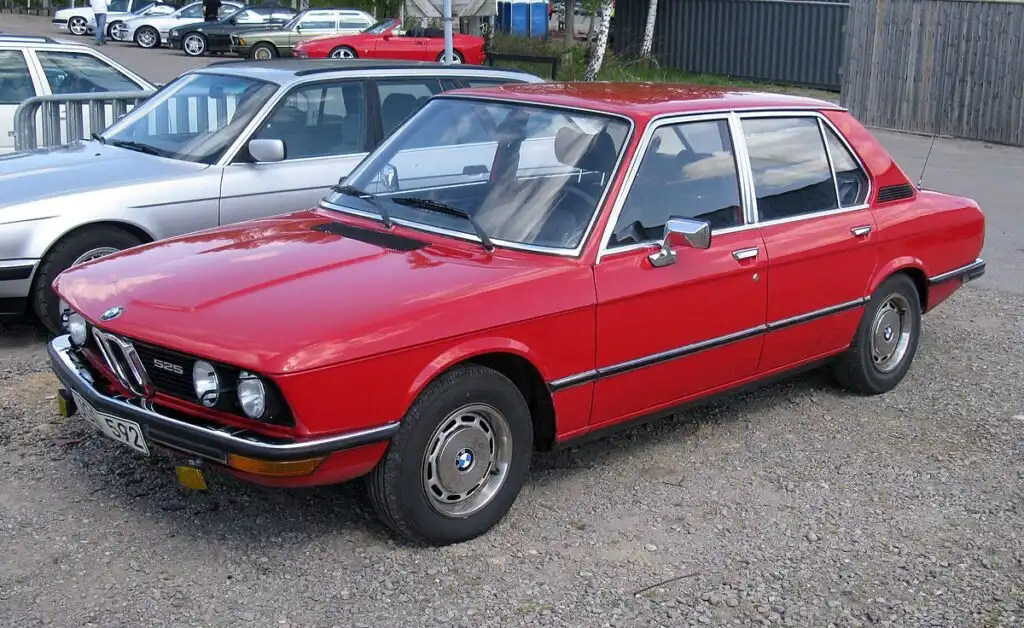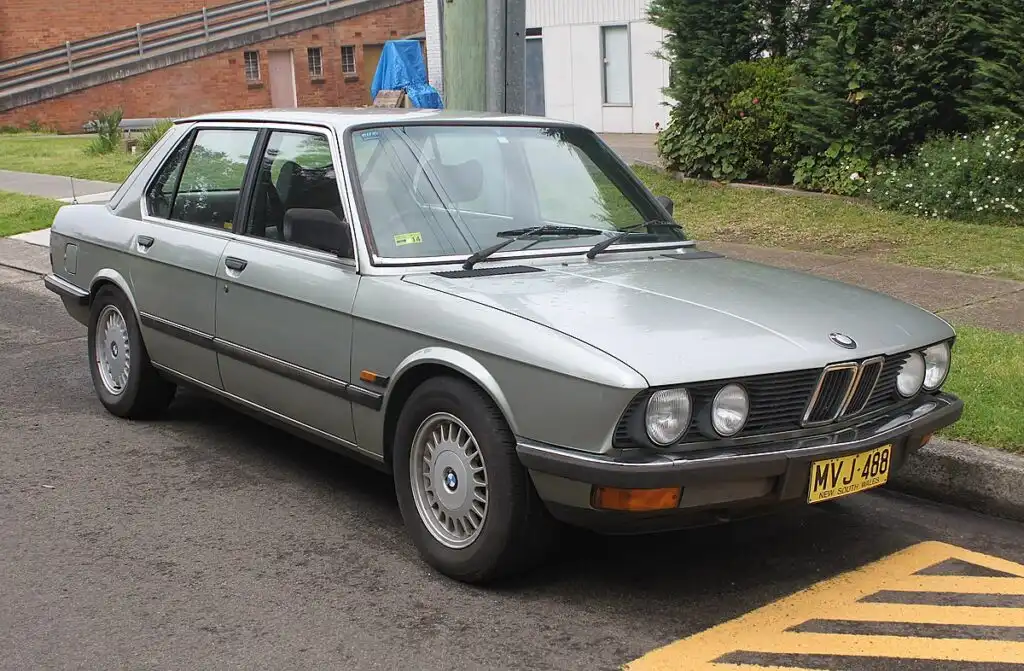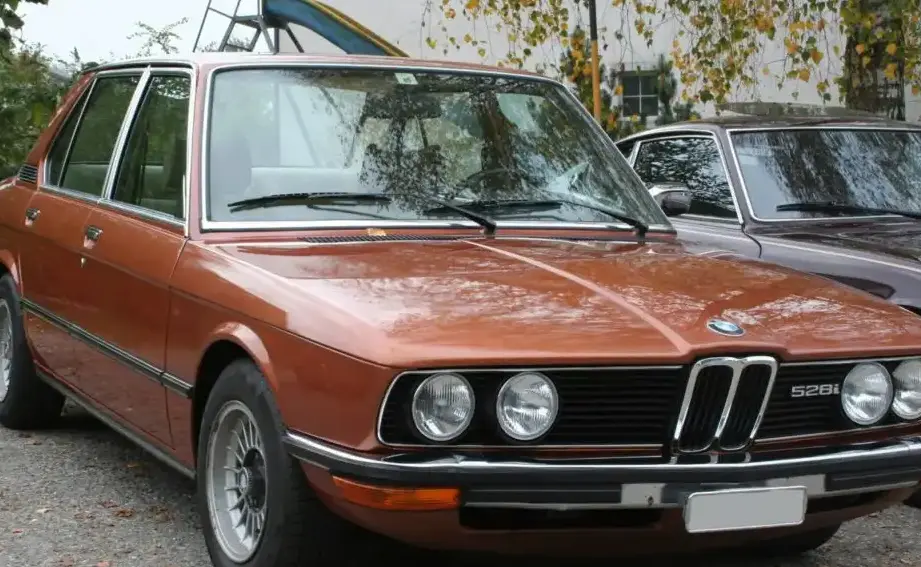
The BMW 528i, produced between 1977 and 1978, represents a significant iteration of the E12 5 Series facelift. Positioned as a performance-oriented variant within the lineup, it offered a substantial upgrade over the base 525e and 520i models. This model year marked a refinement of the original E12, addressing some early production issues and solidifying the 5 Series’ reputation as a sporty, yet luxurious, sedan. The 528i was primarily marketed towards enthusiasts seeking a blend of performance and refinement, establishing a strong foothold for BMW in the burgeoning executive car segment, particularly in Europe and North America.
Technical Specifications
| Brand | BMW |
| Model | 5 Series |
| Generation | 5 Series (E12, Facelift 1976) |
| Type (Engine) | 528i (177 Hp) |
| Start of production | 1977 |
| End of production | 1978 |
| Powertrain Architecture | Internal Combustion engine |
| Body type | Sedan |
| Seats | 5 |
| Doors | 4 |
| Fuel consumption (economy) – combined | 10.6 l/100 km |
| Fuel consumption (economy) – combined | 22.2 US mpg |
| Fuel consumption (economy) – combined | 26.6 UK mpg |
| Fuel consumption (economy) – combined | 9.4 km/l |
| Fuel Type | Petrol (Gasoline) |
| Acceleration 0 – 100 km/h | 9.3 sec |
| Acceleration 0 – 62 mph | 9.3 sec |
| Acceleration 0 – 60 mph | 8.8 sec |
| Maximum speed | 208 km/h |
| Maximum speed | 129.25 mph |
| Weight-to-power ratio | 8 kg/Hp |
| Weight-to-power ratio | 125.5 Hp/tonne |
| Weight-to-torque ratio | 6 kg/Nm |
| Weight-to-torque ratio | 166.7 Nm/tonne |
| Power | 177 Hp @ 5800 rpm |
| Power per litre | 63.5 Hp/l |
| Torque | 235 Nm @ 4300 rpm |
| Torque | 173.33 lb.-ft. @ 4300 rpm |
| Engine layout | Front, Longitudinal |
| Engine Model/Code | M30B28 |
| Engine displacement | 2788 cm3 |
| Engine displacement | 170.13 cu. in. |
| Number of cylinders | 6 |
| Engine configuration | Inline |
| Cylinder Bore | 84 mm |
| Cylinder Bore | 3.31 in. |
| Piston Stroke | 84 mm |
| Piston Stroke | 3.31 in. |
| Compression ratio | 10.2:1 |
| Number of valves per cylinder | 4 |
| Fuel injection system | Multi-port manifold injection |
| Engine aspiration | Naturally aspirated engine |
| Engine oil capacity | 5.8 l |
| Engine oil capacity | 6.13 US qt | 5.1 UK qt |
| Kerb Weight | 1410 kg |
| Kerb Weight | 3108.52 lbs |
| Trunk (boot) space – minimum | 440 l |
| Trunk (boot) space – minimum | 15.54 cu. ft. |
| Fuel tank capacity | 70 l |
| Fuel tank capacity | 18.49 US gal | 15.4 UK gal |
| Length | 4620 mm |
| Length | 181.89 in. |
| Width | 1690 mm |
| Width | 66.54 in. |
| Height | 1425 mm |
| Height | 56.1 in. |
| Wheelbase | 2636 mm |
| Wheelbase | 103.78 in. |
| Front track | 1406 mm |
| Front track | 55.35 in. |
| Rear (Back) track | 1442 mm |
| Rear (Back) track | 56.77 in. |
| Ride height (ground clearance) | 140 mm |
| Ride height (ground clearance) | 5.51 in. |
| Drivetrain Architecture | The Internal combustion engine (ICE) drives the rear wheels of the vehicle. |
| Drive wheel | Rear wheel drive |
| Number of gears and type of gearbox | 5 gears, manual transmission |
| Front brakes | Disc |
| Rear brakes | Disc |
Powertrain & Engine Architecture
The heart of the 528i is the M30B28 engine, a 2.8-liter inline-six cylinder powerplant. This engine, a cornerstone of BMW’s engineering prowess during the 1970s and 80s, featured a cast-iron block and an aluminum cylinder head. The B28 variant utilized Bosch K-Jetronic fuel injection, a mechanical system known for its precision and reliability. This system delivered fuel via a central metering unit, distributing it to individual ports in the intake manifold. The engine boasted a compression ratio of 10.2:1 and employed a single overhead camshaft (SOHC) valvetrain with two valves per cylinder. The 5-speed manual transmission was standard, providing precise gear changes and enhancing the driving experience. The engine’s longitudinal mounting and rear-wheel-drive configuration contributed to the car’s balanced handling characteristics.
Driving Characteristics
The 528i offered a noticeably more engaging driving experience compared to the lower-spec 5 Series models. The 177 horsepower and 173 lb-ft of torque provided brisk acceleration, with a 0-60 mph time of around 8.8 seconds. While not a sports car by modern standards, this performance was competitive for its time. The manual transmission allowed for full control over the engine’s powerband, making the most of the available torque. The gear ratios were well-matched, providing strong acceleration in each gear. Compared to the automatic transmissions offered in other 5 Series variants, the manual version in the 528i delivered a more direct and responsive feel. The car’s suspension, tuned for a balance of comfort and handling, provided a stable and predictable ride, even when pushed hard.
Equipment & Trim Levels
The 528i typically came well-equipped, reflecting its position as the premium offering in the E12 lineup. Standard features included power-assisted steering, disc brakes on all four wheels, and a comfortable interior with cloth upholstery. Optional extras included leather upholstery, air conditioning, a sunroof, and upgraded audio systems. The dashboard layout was functional and driver-focused, with clearly marked gauges and controls. The interior trim was generally understated but well-executed, emphasizing quality materials and craftsmanship. The 528i’s trim level was generally consistent, with few significant variations available.
Chassis & Braking
The E12 5 Series featured a robust chassis with independent suspension at all four corners. The front suspension utilized MacPherson struts, while the rear employed a semi-trailing arm design. This setup provided a good balance of ride comfort and handling precision. The 528i benefited from slightly stiffer suspension components compared to the lower-spec models, further enhancing its handling capabilities. The braking system consisted of disc brakes on all four wheels, providing ample stopping power. The car’s weight distribution was relatively balanced, contributing to its neutral handling characteristics.
Market Reception & Comparison
The 528i was generally well-received by automotive critics, who praised its performance, handling, and build quality. It was often compared favorably to its rivals, such as the Mercedes-Benz W123 and the Audi 100. While the 528i offered more performance than the base 525e and 520i models, it also came with a higher price tag. The 525e, with its fuel-injected engine, offered better fuel economy but lacked the 528i’s outright performance. The 520i was the most affordable option, but it was significantly less powerful. The 528i struck a compelling balance between performance and luxury, making it a popular choice among discerning buyers.
Legacy
The M30B28 engine, found in the 528i, is known for its durability and longevity. With proper maintenance, these engines can reliably exceed 200,000 miles. The E12 5 Series, in general, has developed a strong following among classic car enthusiasts. The 528i, in particular, is highly sought after due to its performance and rarity. Today, well-maintained examples command a premium in the used car market. The 528i represents a high point in BMW’s engineering history, showcasing the company’s commitment to building sporty, luxurious, and reliable automobiles.