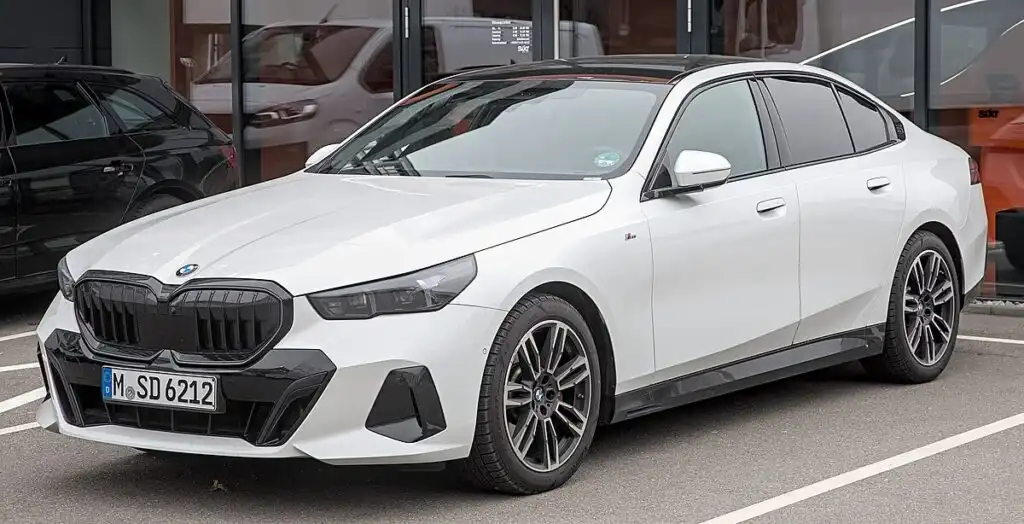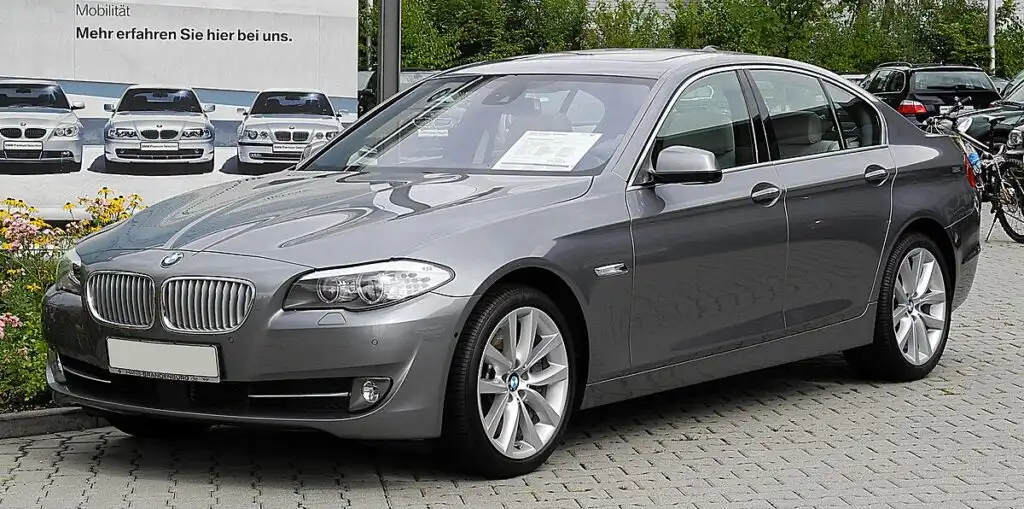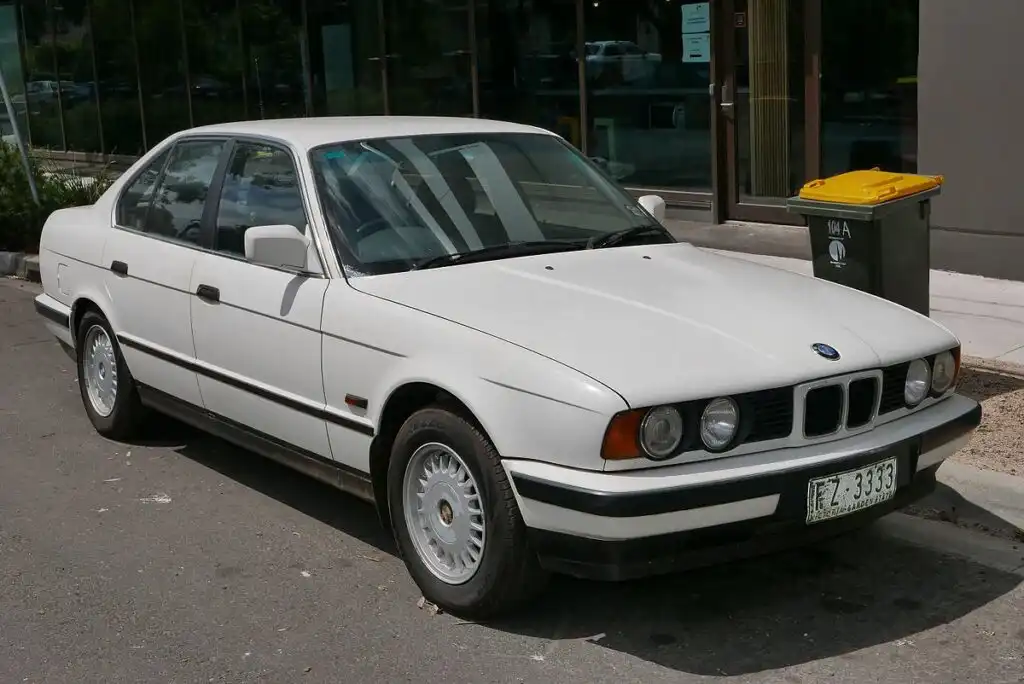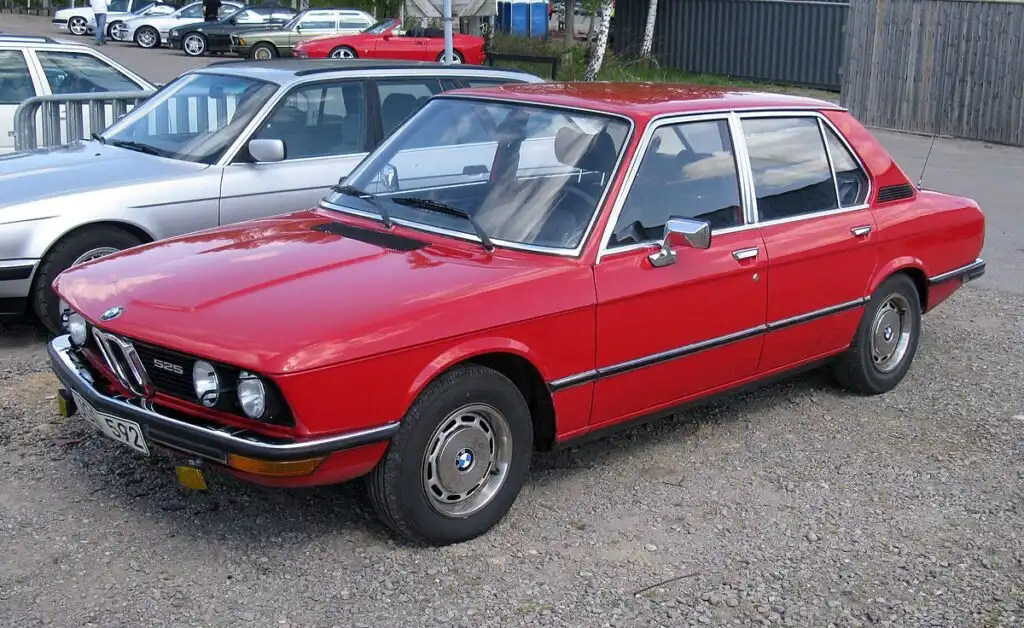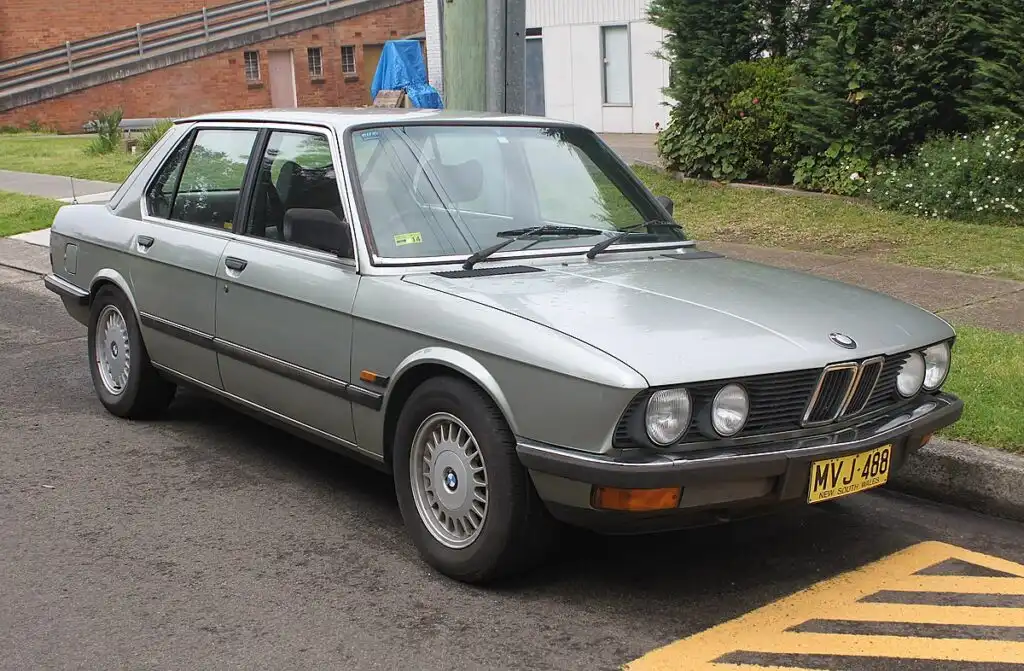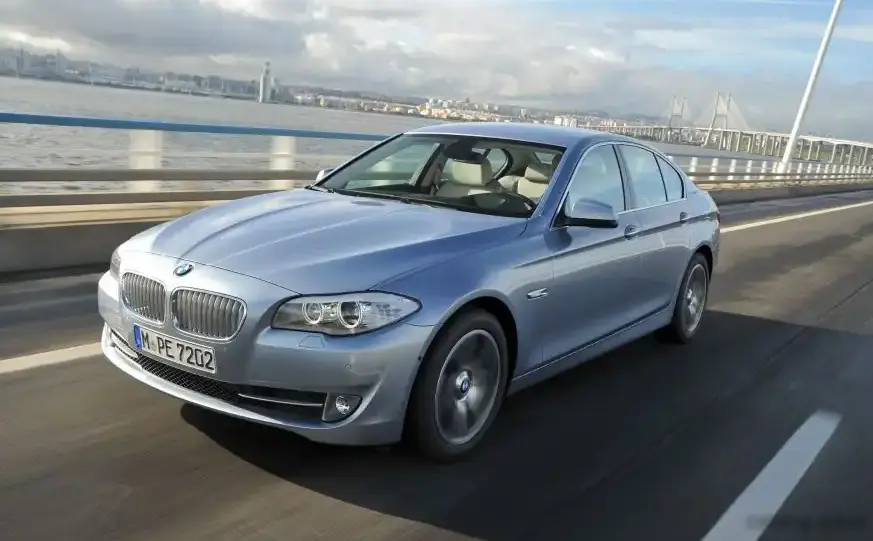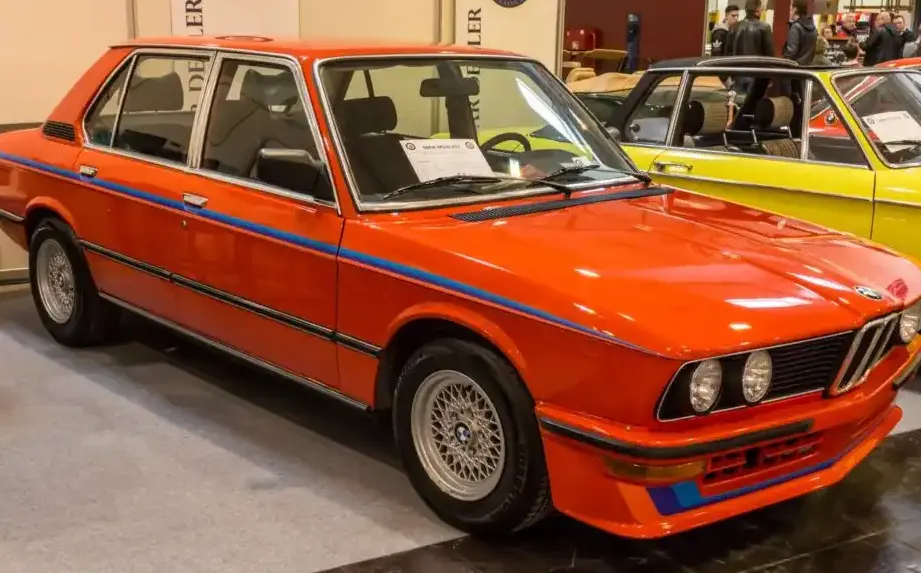
The BMW M535i, produced between 1980 and 1981, represented the high-performance variant of the E12 5 Series. Positioned as the flagship sedan, it aimed to deliver a blend of luxury and exhilarating performance, bridging the gap between the standard 5 Series models and the forthcoming, dedicated M5. The M535i was a limited-production vehicle, primarily intended for the European market, though a small number were imported to North America through grey market channels. It served as a crucial stepping stone in BMW’s development of high-performance road cars, showcasing the potential of the M30 engine and establishing a performance lineage that would define the M5.
Technical Specifications
| Brand | BMW |
| Model | 5 Series |
| Generation | 5 Series (E12, Facelift 1976) |
| Type (Engine) | M535i (218 Hp) |
| Start of production | 1980 |
| End of production | 1981 |
| Powertrain Architecture | Internal Combustion engine |
| Body type | Sedan |
| Seats | 5 |
| Doors | 4 |
| Fuel Type | Petrol (Gasoline) |
| Acceleration 0 – 100 km/h | 7.2 sec |
| Acceleration 0 – 62 mph | 7.2 sec |
| Acceleration 0 – 60 mph | 6.8 sec |
| Maximum speed | 229 km/h (142.29 mph) |
| Weight-to-power ratio | 6.4 kg/Hp, 156.8 Hp/tonne |
| Weight-to-torque ratio | 4.6 kg/Nm, 219.4 Nm/tonne |
| Power | 218 Hp @ 5200 rpm |
| Power per litre | 63.1 Hp/l |
| Torque | 305 Nm @ 4000 rpm (224.96 lb.-ft. @ 4000 rpm) |
| Engine layout | Front, Longitudinal |
| Engine Model/Code | M30B35M |
| Engine displacement | 3453 cm3 (210.71 cu. in.) |
| Number of cylinders | 6 |
| Engine configuration | Inline |
| Engine oil capacity | 5.75 l (6.08 US qt | 5.06 UK qt) |
| Kerb Weight | 1390 kg (3064.43 lbs) |
| Max. weight | 1900 kg (4188.78 lbs) |
| Max load | 510 kg (1124.36 lbs) |
| Trunk (boot) space – minimum | 620 l (21.9 cu. ft) |
| Length | 4618 mm (181.81 in) |
| Width | 1689 mm (66.5 in) |
| Height | 1422 mm (55.98 in) |
| Wheelbase | 2637 mm (103.82 in) |
| Front track | 1422 mm (55.98 in) |
| Rear (Back) track | 1455 mm (57.28 in) |
| Ride height (ground clearance) | 152 mm (5.98 in) |
| Drag coefficient (Cd) | 0.37 |
| Drivetrain Architecture | The Internal combustion engine (ICE) drives the rear wheels of the vehicle. |
| Drive wheel | Rear wheel drive |
| Number of gears and type of gearbox | 5 gears, manual transmission |
| Front brakes | Ventilated discs |
| Rear brakes | Disc |
| Tires size | 195/70 R14 |
| Wheel rims size | 14 |
Powertrain & Engine Architecture
The heart of the M535i was the M30B35M engine, a 3.5-liter inline-six cylinder powerplant. This engine was a significant upgrade over the standard 5 Series engines, featuring a higher compression ratio, larger valves, and a revised camshaft. It utilized Bosch K-Jetronic fuel injection, a mechanical system known for its precision and reliability. The M30 engine was renowned for its smooth power delivery and robust construction. The engine’s block was cast iron, while the cylinder head was aluminum alloy. The M535i was exclusively offered with a 5-speed manual transmission, providing drivers with full control over the engine’s power. This transmission was specifically chosen to handle the increased torque output of the M30B35M engine.
Driving Characteristics
The M535i offered a noticeably more engaging driving experience than its standard 5 Series counterparts. The increased power and torque resulted in brisk acceleration, with 0-60 mph times consistently in the 6.8-7.2 second range. The manual transmission allowed for precise gear changes, maximizing the engine’s performance. While not as overtly sporty as later M cars, the M535i provided a balanced and rewarding driving experience, combining performance with a comfortable ride. The rear-wheel-drive configuration contributed to a balanced chassis, offering good handling characteristics. The steering was precise and well-weighted, providing good feedback to the driver.
Equipment & Trim Levels
The M535i came standard with a relatively well-equipped interior, reflecting its position as the range-topping model. Standard features included sport seats, a leather-wrapped steering wheel, and upgraded instrumentation. Optional extras included a sunroof, air conditioning, and a premium sound system. The interior trim was typically finished in a combination of cloth and leather, with a focus on providing a comfortable and luxurious environment. Exterior features included a rear spoiler, sport suspension, and distinctive M-specific badging.
Chassis & Braking
The M535i featured a reinforced chassis and upgraded suspension components compared to the standard 5 Series. The suspension utilized stiffer springs and dampers, along with a thicker stabilizer bar, to improve handling and reduce body roll. Braking duties were handled by ventilated disc brakes on all four wheels, providing ample stopping power. The tires were typically 195/70 R14, offering a good balance of grip and ride comfort. The suspension setup was tuned to provide a firm but compliant ride, suitable for both spirited driving and long-distance cruising.
Market Reception & Comparison
The M535i was generally well-received by automotive critics, who praised its performance, handling, and overall refinement. It was seen as a worthy competitor to other high-performance sedans of the era, such as the Porsche 928 and the Mercedes-Benz 280E. Compared to the standard 5 Series models, the M535i offered a significant performance upgrade, but at a higher price point. It was also more expensive to maintain due to the more complex engine and suspension components. The M535i’s limited production numbers also contributed to its exclusivity and desirability.
Legacy
The M535i holds a significant place in BMW’s history as a precursor to the iconic M5. It demonstrated BMW’s commitment to high-performance sedans and laid the groundwork for the development of future M cars. Today, the M535i is a sought-after classic car, particularly among BMW enthusiasts. Well-maintained examples command high prices in the collector car market. The M30B35M engine is known for its durability and reliability, but regular maintenance is essential to keep it running smoothly. Finding original parts can be challenging, but a dedicated network of BMW parts suppliers exists to support owners of these classic vehicles. The M535i remains a testament to BMW’s engineering prowess and a symbol of a bygone era of performance sedans.