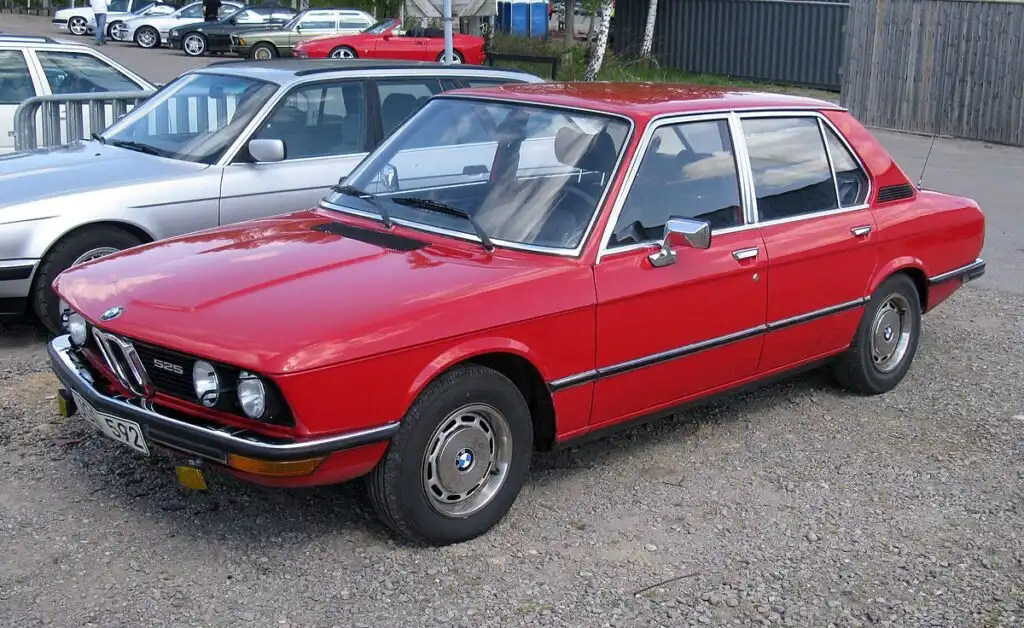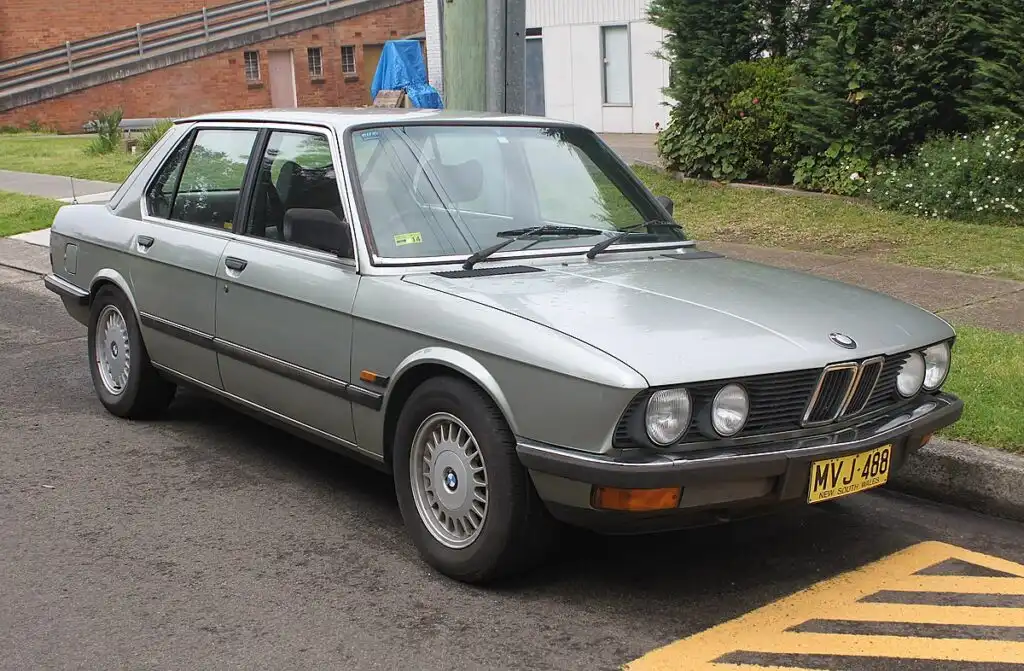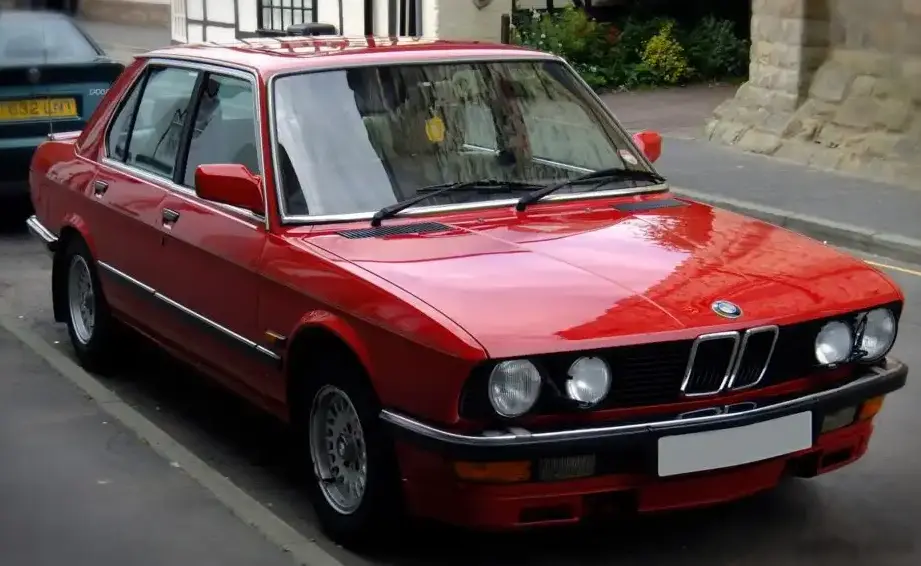
The BMW 5 Series E28 518i, produced between 1983 and 1987, represented the entry point into the acclaimed E28 generation of BMW’s mid-size executive car. Positioned below the 525e and 535i models, the 518i was designed to offer a more affordable and fuel-efficient option, particularly appealing to buyers in markets where smaller displacement engines were favored due to taxation or fuel costs. While often overshadowed by its more powerful siblings, the 518i played a significant role in establishing the E28’s reputation for balanced handling and build quality. It was a key model in BMW’s strategy to broaden the appeal of the 5 Series, offering a blend of practicality, comfort, and the brand’s signature driving experience.
Technical Specifications
| Brand | BMW |
| Model | 5 Series |
| Generation | 5 Series (E28) |
| Type (Engine) | 518i (105 Hp) |
| Start of production | 1983 |
| End of production | 1987 |
| Powertrain Architecture | Internal Combustion engine |
| Body type | Sedan |
| Seats | 5 |
| Doors | 4 |
| Fuel consumption (urban) | 11 l/100 km (21.4 US mpg, 25.7 UK mpg, 9.1 km/l) |
| Fuel consumption (extra urban) | 6.1 l/100 km (38.6 US mpg, 46.3 UK mpg, 16.4 km/l) |
| Fuel consumption (combined) | 8.7 l/100 km (27 US mpg, 32.5 UK mpg, 11.5 km/l) |
| Fuel Type | Petrol (Gasoline) |
| Acceleration 0 – 100 km/h | 12.6 sec |
| Acceleration 0 – 62 mph | 12.6 sec |
| Acceleration 0 – 60 mph | 12 sec |
| Maximum speed | 175 km/h (108.74 mph) |
| Weight-to-power ratio | 11 kg/Hp, 90.5 Hp/tonne |
| Weight-to-torque ratio | 8.6 kg/Nm, 116.4 Nm/tonne |
| Power | 105 Hp @ 5800 rpm |
| Power per litre | 59.5 Hp/l |
| Torque | 135 Nm @ 4500 rpm (99.57 lb.-ft. @ 4500 rpm) |
| Engine layout | Front, Longitudinal |
| Engine Model/Code | M10B18 |
| Engine displacement | 1766 cm3 (107.77 cu. in.) |
| Number of cylinders | 4 |
| Engine configuration | Inline |
| Cylinder Bore | 89 mm (3.5 in.) |
| Piston Stroke | 71 mm (2.8 in.) |
| Compression ratio | 9.7:1 |
| Number of valves per cylinder | 2 |
| Fuel injection system | Carburettor |
| Engine aspiration | Naturally aspirated engine |
| Engine oil capacity | 4 l (4.23 US qt | 3.52 UK qt) |
| Coolant capacity | 7 l (7.4 US qt | 6.16 UK qt) |
| Kerb Weight | 1160 kg (2557.36 lbs.) |
| Trunk (boot) space – minimum | 460 l (16.24 cu. ft.) |
| Fuel tank capacity | 70 l (18.49 US gal | 15.4 UK gal) |
| Length | 4620 mm (181.89 in.) |
| Width | 1700 mm (66.93 in.) |
| Height | 1415 mm (55.71 in.) |
| Wheelbase | 2625 mm (103.35 in.) |
| Front track | 1430 mm (56.3 in.) |
| Rear (Back) track | 1470 mm (57.87 in.) |
| Ride height (ground clearance) | 140 mm (5.51 in.) |
| Drivetrain Architecture | The Internal combustion engine (ICE) drives the rear wheels of the vehicle. |
| Drive wheel | Rear wheel drive |
| Number of gears and type of gearbox | 5 gears, manual transmission |
| Front brakes | Disc |
| Rear brakes | Disc |
Introduction
The BMW 518i, launched in 1983, was a crucial addition to the E28 5 Series lineup. The E28, replacing the E12, represented a significant step forward in BMW’s engineering and design. The 518i was specifically created to offer a more accessible entry point into the 5 Series range, appealing to buyers who prioritized fuel economy and affordability without sacrificing the core BMW driving experience. It was primarily sold in Europe and other markets where smaller engines were preferred, and it served as a counterpoint to the larger, more powerful 525e and 535i models.
Powertrain & Engine Architecture
The heart of the 518i was the M10B18 engine, a 1.8-liter inline-four cylinder unit. This engine was a further development of BMW’s long-running M10 family, known for its robustness and relatively simple design. Unlike the fuel-injected systems found in the 525e and 535i, the 518i utilized a single Solex carburetor for fuel delivery. This contributed to its lower cost and, in some cases, improved cold-weather starting characteristics. The engine produced 105 horsepower at 5800 rpm and 135 Nm (99.57 lb-ft) of torque at 4500 rpm. The engine featured a single overhead camshaft (SOHC) valvetrain with two valves per cylinder. The 518i was exclusively offered with a five-speed manual transmission, providing a direct connection between the engine and the rear wheels. The longitudinal engine layout and rear-wheel drive configuration were hallmarks of BMW’s engineering philosophy at the time.
Driving Characteristics
The 518i’s driving experience was characterized by its balance and predictability. While not as quick as its larger-engined siblings, the 518i offered a surprisingly engaging drive. The 105 hp engine, while modest by modern standards, provided adequate power for everyday driving. The five-speed manual transmission allowed drivers to keep the engine in its optimal power band. Acceleration from 0 to 60 mph took around 12 seconds, and the top speed was approximately 108.74 mph. The car’s relatively light weight (1160 kg or 2557.36 lbs) contributed to its nimble handling. Compared to the 525e and 535i, the 518i felt less stressed and more forgiving, making it a comfortable and enjoyable car for daily commutes and longer journeys.
Equipment & Trim Levels
The 518i typically came with a fairly basic level of equipment, reflecting its position as the entry-level model. Standard features included cloth upholstery, manual windows, and a relatively simple dashboard layout. However, buyers could opt for a range of optional extras, including power windows, central locking, a sunroof, and upgraded audio systems. Interior trim options were limited, with a focus on durable and practical materials. The exterior trim was also relatively understated, with minimal chrome accents. The 518i was often seen as a blank canvas for buyers who wanted to personalize their car with optional equipment.
Chassis & Braking
The E28 5 Series featured a robust chassis with independent suspension at all four wheels. The front suspension utilized MacPherson struts, while the rear suspension employed a semi-trailing arm design. The 518i’s suspension was tuned for comfort and ride quality, providing a smooth and controlled ride. Braking was handled by disc brakes on all four wheels, offering adequate stopping power for the car’s weight and performance. Anti-lock braking system (ABS) was available as an optional extra. The 518i’s chassis and braking system were shared with other E28 models, ensuring a consistent level of performance and safety.
Market Reception & Comparison
The 518i was generally well-received by automotive critics, who praised its balanced handling, comfortable ride, and fuel efficiency. However, some critics noted that the engine lacked the power and refinement of the larger-engined models. Compared to the 525e, the 518i offered better fuel economy but less performance. The 525e, with its fuel injection and slightly larger engine, provided a more responsive driving experience. The 535i, with its six-cylinder engine, was in a different league altogether, offering significantly more power and performance. The 518i appealed to buyers who prioritized practicality and affordability over outright performance.
Legacy
The BMW E28 518i has become a sought-after classic car among enthusiasts. The M10B18 engine, while relatively simple, is known for its durability and reliability. However, like any classic car, the 518i requires regular maintenance to keep it in good condition. Rust can be a concern, particularly in areas with harsh winters. Today, well-maintained examples of the 518i are appreciating in value, as collectors recognize their significance as a key part of BMW’s heritage. The 518i represents a sweet spot in the E28 lineup, offering a blend of classic BMW styling, balanced handling, and relative affordability. It remains a testament to BMW’s commitment to building high-quality, driver-focused cars.