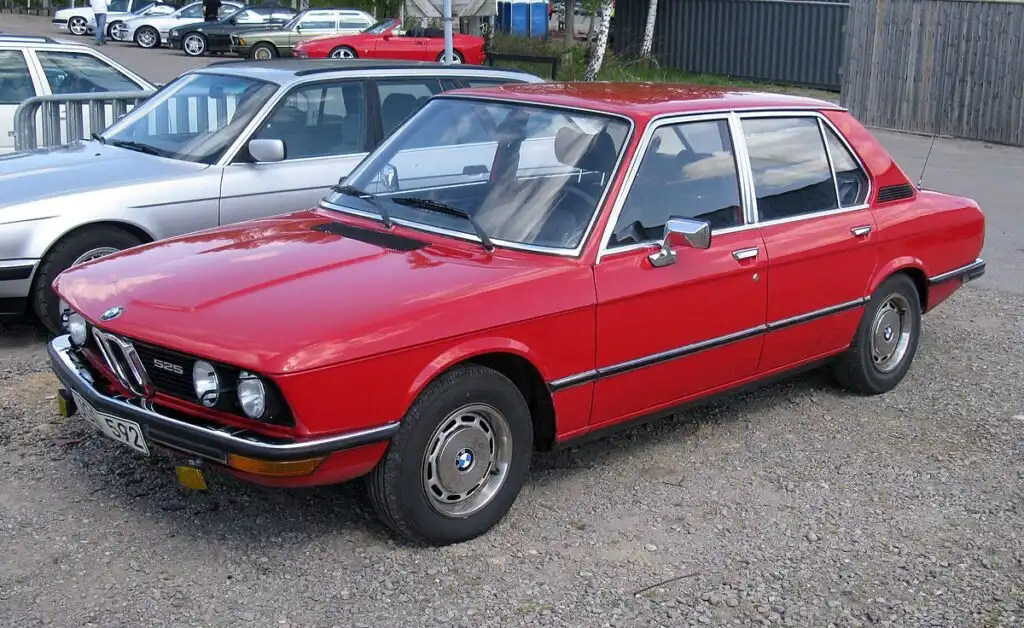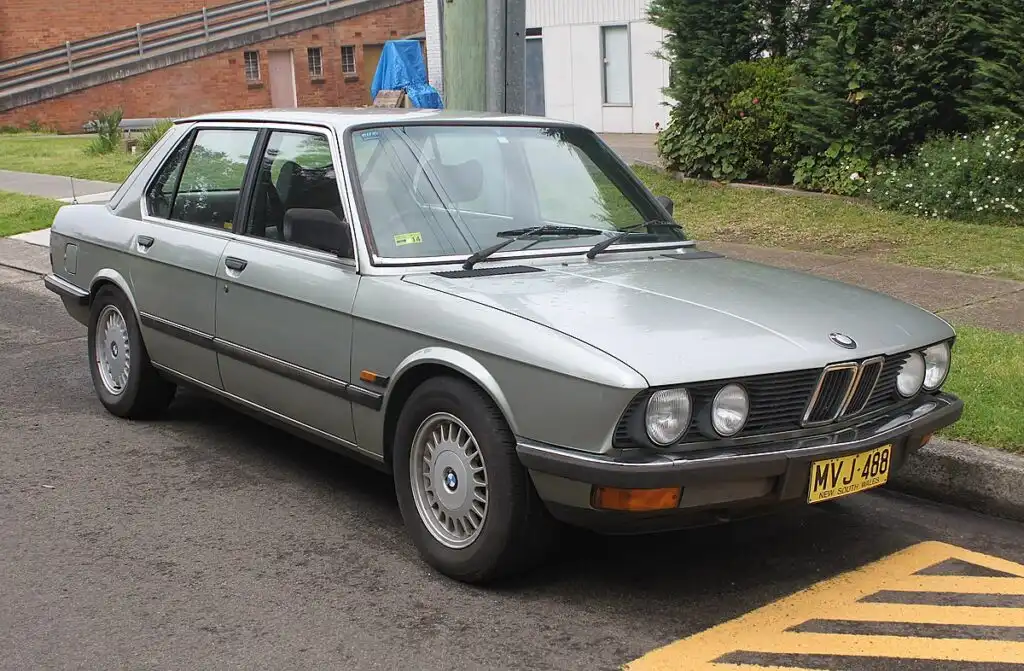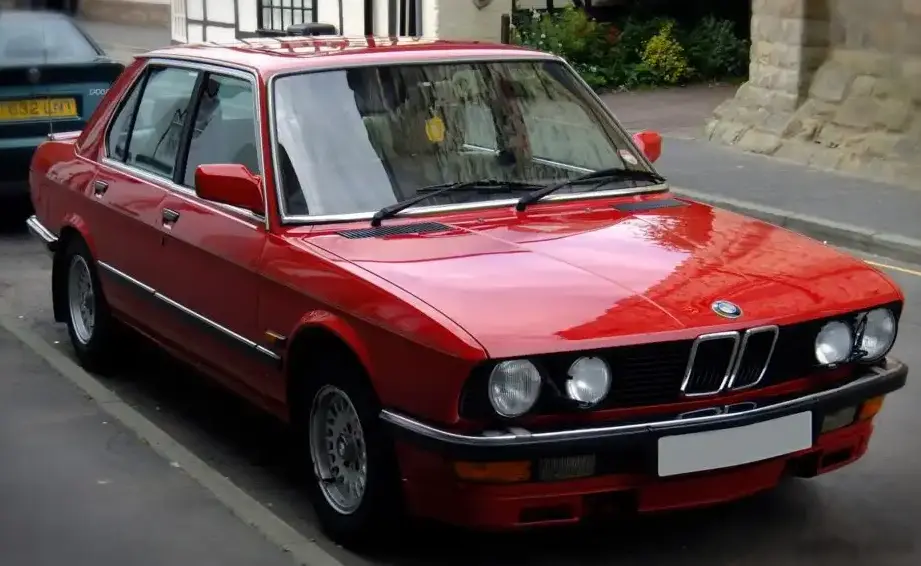
The BMW 5 Series E28 520i, produced between 1985 and 1987, represented an important entry point into the mid-size luxury sedan market for BMW. Positioned as the base model within the E28 generation (which spanned from 1981 to 1988), the 520i offered a blend of BMW’s renowned driving dynamics and a more accessible price point. It served as a stepping stone for buyers aspiring to the more powerful 525i and 535i models. The E28 itself was a pivotal model for BMW, establishing the 5 Series as a serious competitor to established German rivals like Mercedes-Benz and Audi, and setting the stage for future generations of the successful lineage.
Technical Specifications
| Brand | BMW |
| Model | 5 Series |
| Generation | 5 Series (E28) |
| Type (Engine) | 520i (129 Hp) |
| Start of production | 1985 |
| End of production | 1987 |
| Powertrain Architecture | Internal Combustion engine |
| Body type | Sedan |
| Seats | 5 |
| Doors | 4 |
| Fuel consumption (urban) | 12.9 l/100 km (18.2 US mpg, 21.9 UK mpg, 7.8 km/l) |
| Fuel consumption (extra urban) | 7.6 l/100 km (30.9 US mpg, 37.2 UK mpg, 13.2 km/l) |
| Fuel consumption (combined) | 9.4 l/100 km (25 US mpg, 30.1 UK mpg, 10.6 km/l) |
| Fuel Type | Petrol (Gasoline) |
| Acceleration 0 – 100 km/h | 12.1 sec |
| Acceleration 0 – 62 mph | 12.1 sec |
| Acceleration 0 – 60 mph | 11.5 sec |
| Maximum speed | 190 km/h (118.06 mph) |
| Weight-to-power ratio | 9.8 kg/Hp, 101.6 Hp/tonne |
| Weight-to-torque ratio | 7.7 kg/Nm, 129.1 Nm/tonne |
| Power | 129 Hp @ 6000 rpm |
| Power per litre | 64.8 Hp/l |
| Torque | 164 Nm @ 4300 rpm (120.96 lb.-ft. @ 4300 rpm) |
| Engine layout | Front, Longitudinal |
| Engine Model/Code | M20B20 |
| Engine displacement | 1991 cm3 (121.5 cu. in.) |
| Number of cylinders | 6 |
| Engine configuration | Inline |
| Cylinder Bore | 80 mm (3.15 in.) |
| Piston Stroke | 66 mm (2.6 in.) |
| Compression ratio | 8.8:1 |
| Number of valves per cylinder | 2 |
| Fuel injection system | Multi-port manifold injection |
| Engine aspiration | Naturally aspirated engine |
| Engine oil capacity | 4.25 l (4.49 US qt | 3.74 UK qt) |
| Coolant capacity | 10.5 l (11.1 US qt | 9.24 UK qt) |
| Kerb Weight | 1270 kg (2799.87 lbs.) |
| Trunk (boot) space – minimum | 460 l (16.24 cu. ft.) |
| Fuel tank capacity | 70 l (18.49 US gal | 15.4 UK gal) |
| Length | 4620 mm (181.89 in.) |
| Width | 1700 mm (66.93 in.) |
| Height | 1415 mm (55.71 in.) |
| Wheelbase | 2625 mm (103.35 in.) |
| Front track | 1430 mm (56.3 in.) |
| Rear (Back) track | 1470 mm (57.87 in.) |
| Ride height (ground clearance) | 140 mm (5.51 in.) |
| Drivetrain Architecture | The Internal combustion engine (ICE) drives the rear wheels of the vehicle. |
| Drive wheel | Rear wheel drive |
| Number of gears and type of gearbox | 5 gears, manual transmission |
| Front suspension | Coil spring |
| Rear suspension | Coil spring |
| Front brakes | Ventilated discs |
| Rear brakes | Ventilated discs |
| Steering type | Steering rack and pinion |
Powertrain & Engine Architecture
The heart of the 520i was the M20B20 engine, a 2.0-liter inline-six cylinder powerplant. This engine was a cornerstone of BMW’s engineering philosophy during the 1980s, known for its smooth operation and relatively high specific output. The M20 featured a cast iron block and an aluminum cylinder head, utilizing a single overhead camshaft (SOHC) design with two valves per cylinder. Fuel delivery was handled by Bosch Motronic fuel injection, a sophisticated system for its time that optimized fuel efficiency and performance. The 8.8:1 compression ratio was a compromise between performance and the fuel quality available in various markets. The 520i was exclusively offered with a 5-speed manual transmission, providing a direct connection between the engine and the rear wheels. This transmission was known for its precise shift quality, contributing to the car’s engaging driving experience.
Driving Characteristics
The 520i, with its 129 horsepower and 121 lb-ft of torque, wasn’t about outright speed. Acceleration from 0-60 mph took around 11.5 seconds, and top speed was limited to 118 mph. However, the car’s strength lay in its balanced handling and responsive steering. The rear-wheel-drive layout and well-tuned suspension provided a neutral and predictable driving experience. Compared to the more powerful 525i and 535i, the 520i felt less stressed, offering a more relaxed driving experience, particularly on long journeys. The manual transmission allowed for precise control, and the engine’s willingness to rev made it enjoyable to drive even at moderate speeds. The gear ratios were optimized for a balance of fuel economy and usable power in everyday driving situations.
Equipment & Trim Levels
The 520i, being the entry-level model, came with a respectable level of standard equipment. Interior appointments typically included cloth upholstery, although leather was available as an option. Standard features included power windows, central locking, and a basic stereo system. Optional extras included a sunroof, air conditioning, upgraded sound systems, and alloy wheels. The dashboard layout was typical of BMWs of the era, with a driver-focused design and clear, easy-to-read gauges. Trim levels were relatively simple, with most variations coming from the addition of optional packages.
Chassis & Braking
The E28 5 Series utilized a robust chassis with independent suspension at all four wheels. The front suspension employed coil springs and MacPherson struts, while the rear featured a semi-trailing arm suspension with coil springs. This setup provided a good balance of ride comfort and handling precision. Braking duties were handled by ventilated disc brakes on all four wheels, offering ample stopping power for the car’s weight and performance. The steering system was a rack-and-pinion setup, providing precise and responsive steering feel. Stabilizer bars were fitted front and rear to reduce body roll during cornering.
Market Reception & Comparison
The 520i was generally well-received by automotive critics, who praised its handling, build quality, and overall refinement. However, some reviewers noted that the engine lacked the punch of its larger siblings. Compared to the 525i, the 520i offered significantly better fuel economy, making it a more practical choice for daily commuting. Reliability was generally good, although the M20 engine could be prone to oil leaks as it aged. The 520i appealed to buyers who prioritized driving enjoyment and build quality over outright performance.
Legacy
The E28 520i, while not the most powerful variant of the E28 generation, remains a highly regarded classic BMW. The M20 engine is known for its durability and relatively simple maintenance requirements. Today, well-maintained examples are sought after by enthusiasts who appreciate the car’s classic styling, engaging driving dynamics, and timeless BMW character. The 520i represents a sweet spot in the E28 lineup, offering a balance of affordability, reliability, and driving pleasure. Parts availability is generally good, making it a viable option for those looking to restore or maintain a classic BMW.