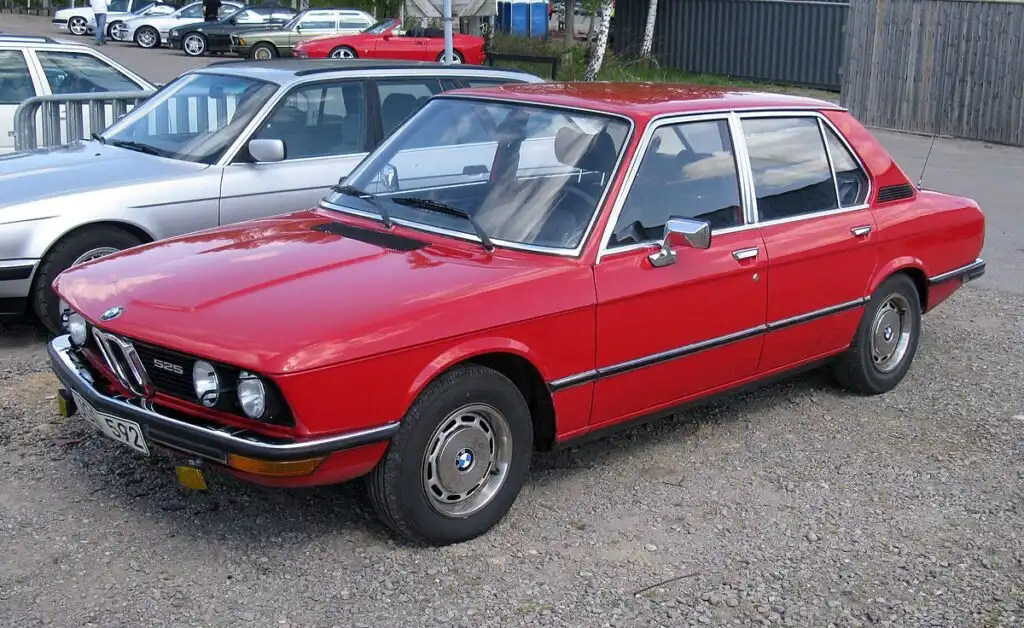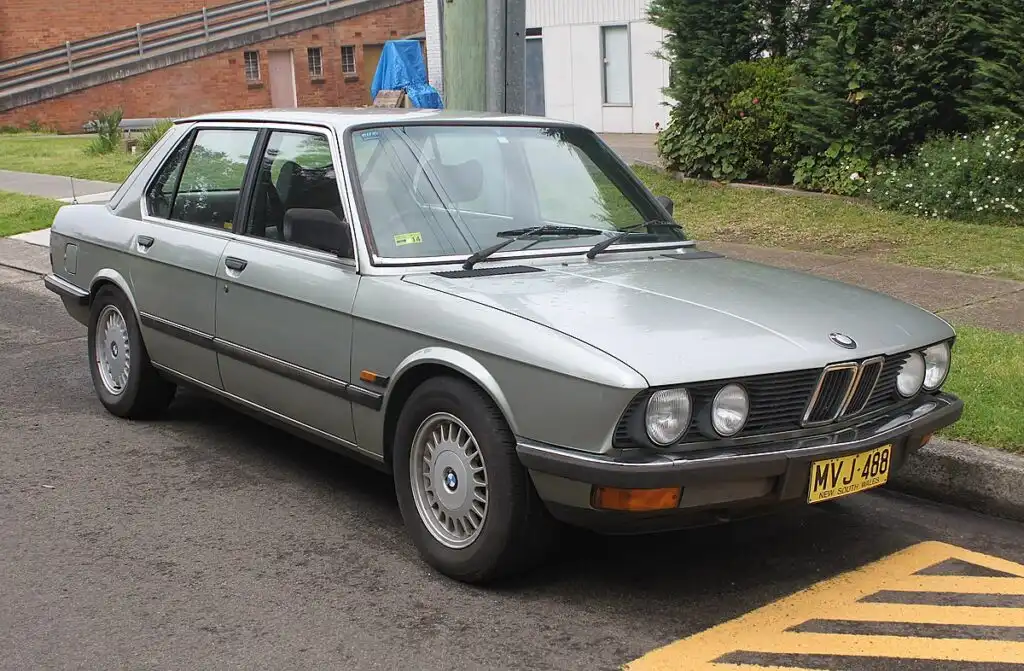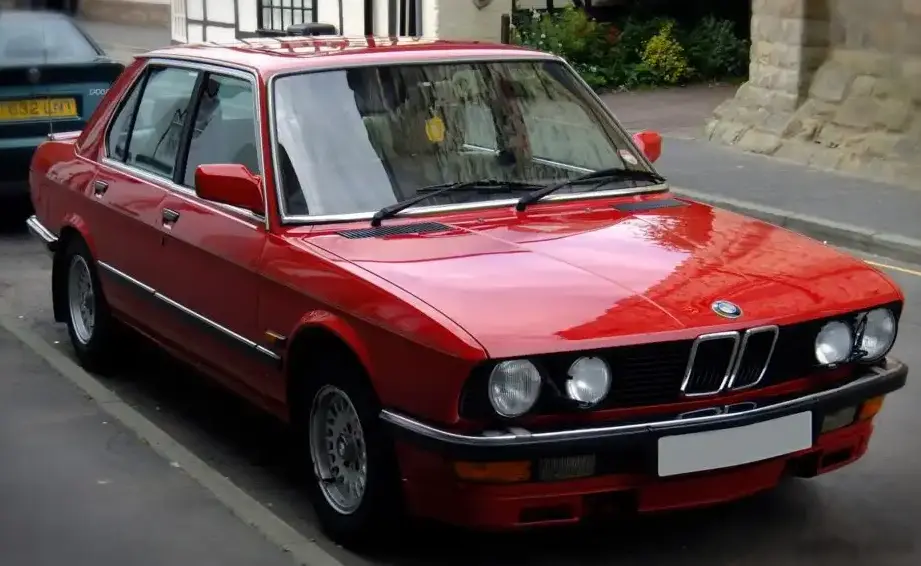
The BMW 5 Series E28 525e, produced from 1983 to 1987, represented a unique approach to fuel efficiency within the mid-size luxury sedan segment. Positioned as a “economy” variant within the E28 lineup – which also included the 528e, 533i, and the high-performance M5 – the 525e aimed to offer a blend of BMW’s renowned driving dynamics with improved gas mileage, particularly appealing to the American market increasingly concerned with fuel costs. It was a key model in establishing BMW’s presence in the US as a premium, yet relatively practical, automotive choice. The ‘e’ designation signified ‘economy’ or ‘European’ specification, reflecting its focus on fuel conservation.
Technical Specifications
| Brand | BMW |
| Model | 5 Series |
| Generation | 5 Series (E28) |
| Type (Engine) | 525e 2.7 (125 Hp) |
| Start of production | 1983 |
| End of production | 1987 |
| Powertrain Architecture | Internal Combustion engine |
| Body type | Sedan |
| Seats | 5 |
| Doors | 4 |
| Fuel consumption (urban) | 11 l/100 km (21.4 US mpg) |
| Fuel consumption (extra urban) | 5.8 l/100 km (40.6 US mpg) |
| Fuel consumption (combined) | 7.4 l/100 km (31.8 US mpg) |
| Fuel Type | Petrol (Gasoline) |
| Acceleration 0 – 100 km/h | 10.7 sec |
| Acceleration 0 – 62 mph | 10.7 sec |
| Acceleration 0 – 60 mph | 10.2 sec |
| Maximum speed | 190 km/h (118.06 mph) |
| Weight-to-power ratio | 9.8 kg/Hp |
| Weight-to-torque ratio | 5.3 kg/Nm |
| Power | 125 Hp @ 4250 rpm |
| Torque | 230 Nm @ 3250 rpm (169.64 lb.-ft. @ 3250 rpm) |
| Engine layout | Front, Longitudinal |
| Engine Model/Code | M20B27 |
| Engine displacement | 2693 cm3 (164.34 cu. in.) |
| Number of cylinders | 6 |
| Engine configuration | Inline |
| Cylinder Bore | 84 mm (3.31 in.) |
| Piston Stroke | 81 mm (3.19 in.) |
| Compression ratio | 22:1 |
| Number of valves per cylinder | 2 |
| Fuel injection system | Carburettor |
| Engine aspiration | Naturally aspirated |
| Engine oil capacity | 4.25 l (4.49 US qt | 3.74 UK qt) |
| Coolant capacity | 12 l (12.68 US qt | 10.56 UK qt) |
| Kerb Weight | 1220 kg (2689.64 lbs.) |
| Trunk (boot) space (minimum) | 460 l (16.24 cu. ft.) |
| Fuel tank capacity | 70 l (18.49 US gal | 15.4 UK gal) |
| Length | 4620 mm (181.89 in.) |
| Width | 1700 mm (66.93 in.) |
| Height | 1415 mm (55.71 in.) |
| Wheelbase | 2625 mm (103.35 in.) |
| Front track | 1430 mm (56.3 in.) |
| Rear track | 1470 mm (57.87 in.) |
| Ride height (ground clearance) | 140 mm (5.51 in.) |
| Drivetrain Architecture | Rear wheel drive |
| Number of gears | 5 gears, manual transmission |
| Front brakes | Disc |
| Rear brakes | Disc |
Powertrain & Engine Architecture
The heart of the 525e was the M20B27 engine, a 2.7-liter inline-six cylinder powerplant. This engine was a modified version of the M20 family, specifically tuned for economy. Unlike the fuel-injected versions found in the 528e and 533i, the 525e utilized a single-barrel Solex carburetor (specifically the 32/36 PDSI model) to reduce complexity and cost. This carburetor setup, while contributing to lower fuel consumption, also resulted in slightly reduced power output compared to its fuel-injected siblings. The engine featured a single overhead camshaft (SOHC) valvetrain with two valves per cylinder. The M20B27 produced 125 horsepower at 4250 rpm and 169.64 lb-ft of torque at 3250 rpm. The engine was mounted longitudinally in the front of the vehicle, driving the rear wheels. The 525e was exclusively offered with a 5-speed manual transmission, providing a more engaging driving experience than an automatic would have.
Driving Characteristics
The 525e’s driving experience was characterized by its smooth, relatively relaxed power delivery. The carburetor and lower compression ratio (9.2:1) contributed to a more linear power curve, making it easy to drive in everyday situations. While not a sports car, the 525e still offered the balanced handling and responsive steering that BMW was known for. Acceleration from 0-60 mph took around 10.2 seconds, which was noticeably slower than the 528e or 533i. The 5-speed manual transmission allowed drivers to keep the engine in its optimal power band, but the carburetor’s limitations were evident during hard acceleration. The gearing was optimized for fuel efficiency, meaning the engine didn’t rev as freely as higher-performance models.
Equipment & Trim Levels
The 525e was generally equipped with a fairly standard set of features for a luxury car of its time. Standard equipment included cloth upholstery, power windows, power door locks, and a basic AM/FM radio. Optional extras included a sunroof, leather upholstery, air conditioning, and a more advanced sound system. The interior design was typical of the E28 series, with a functional and understated layout. The dashboard featured analog gauges for speed, tachometer, fuel level, and coolant temperature. The 525e was positioned as the entry-level model in the 5 Series range, making it more accessible to a wider range of buyers.
Chassis & Braking
The E28 525e utilized a MacPherson strut front suspension and a semi-trailing arm rear suspension. The suspension was tuned for a balance of comfort and handling. The 525e featured disc brakes on all four wheels, providing adequate stopping power for its weight and performance. The braking system was not particularly advanced by modern standards, but it was reliable and effective in normal driving conditions. The car’s weight distribution was relatively balanced, contributing to its neutral handling characteristics.
Market Reception & Comparison
The 525e received mixed reviews from automotive critics. While praised for its fuel efficiency and comfortable ride, it was often criticized for its relatively slow acceleration and the limitations of its carburetor-based fuel system. Compared to the 528e and 533i, the 525e offered significantly less power and performance. However, it was also more affordable and offered better fuel economy. In the US market, the 525e was a popular choice for buyers who wanted a luxury sedan with reasonable running costs. It filled a niche for those who didn’t need the outright performance of the higher-end models.
Legacy
The BMW E28 525e, while not the most sought-after variant of the E28 series, holds a unique place in BMW history. It represented an early attempt to balance performance with fuel efficiency, a trend that would become increasingly important in the automotive industry. The M20B27 engine, while not as powerful as other engines in the M20 family, proved to be relatively reliable and durable. Today, the E28 525e is a popular choice among classic BMW enthusiasts, particularly those who appreciate its simplicity and affordability. Well-maintained examples are becoming increasingly collectible, and the car remains a testament to BMW’s engineering prowess and commitment to driving pleasure.