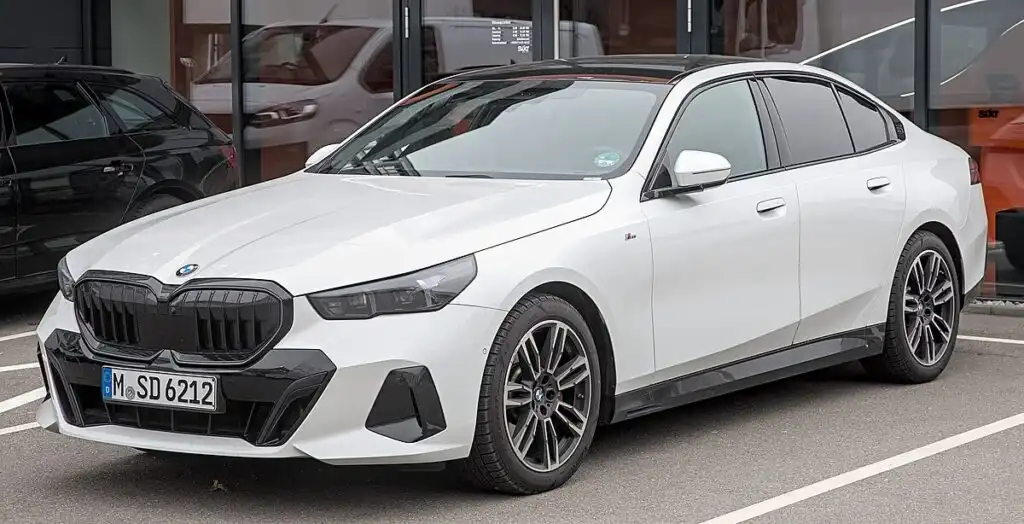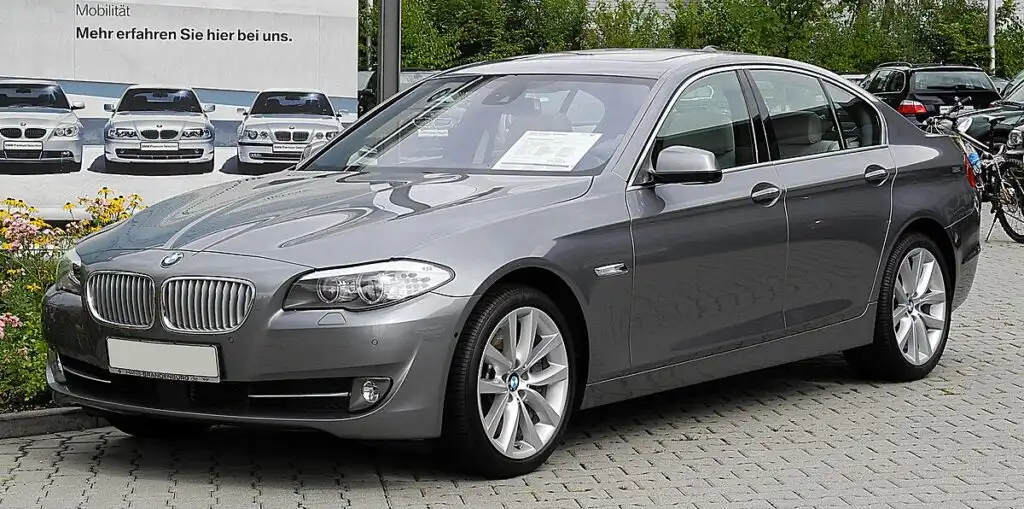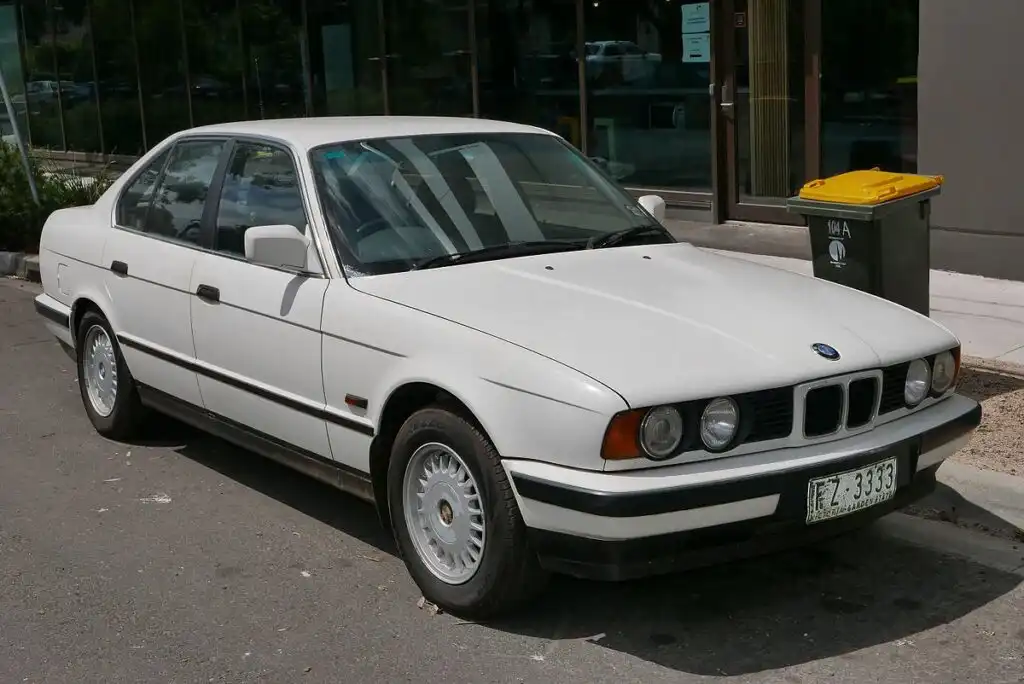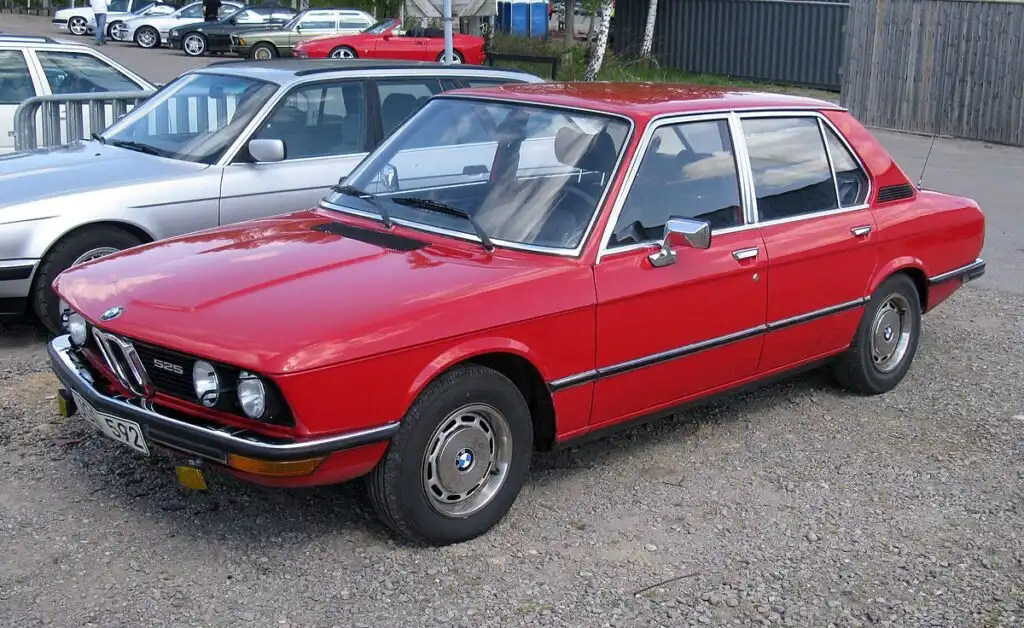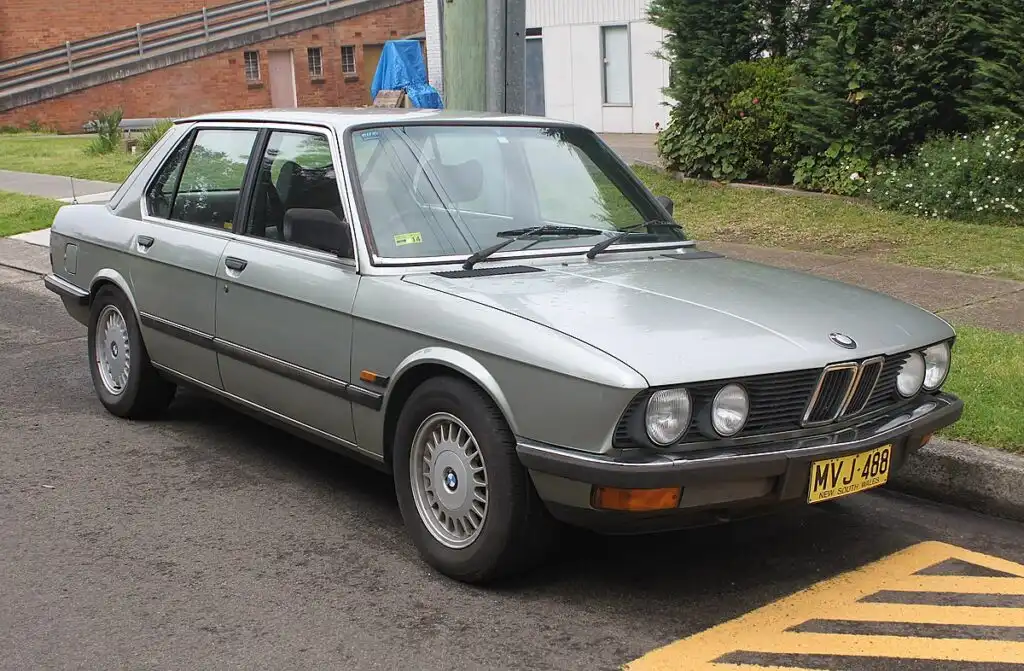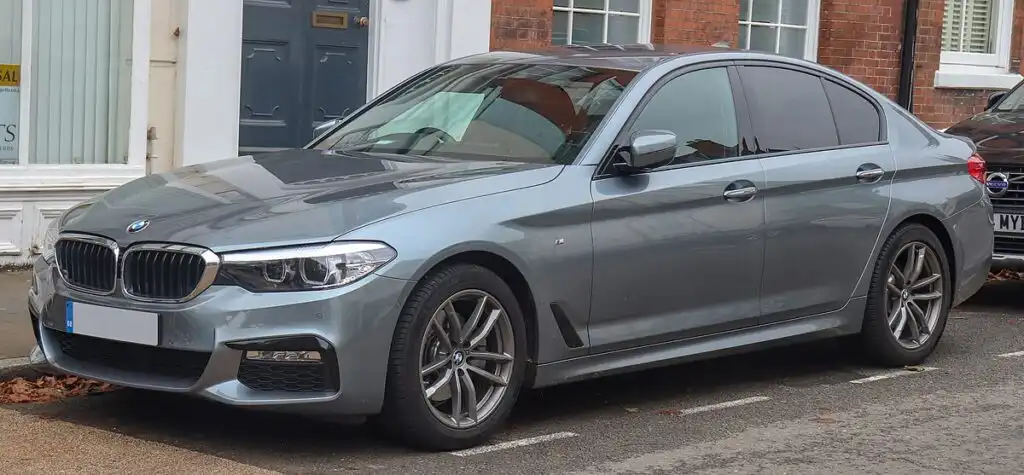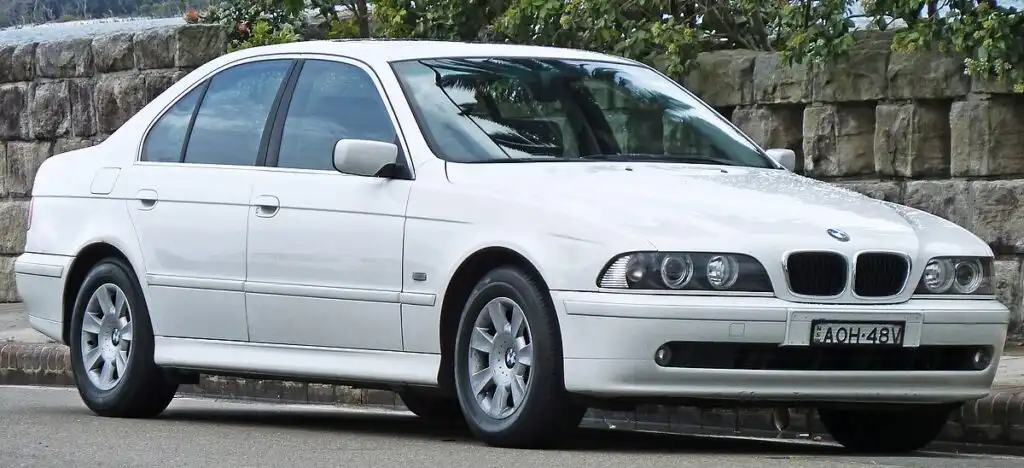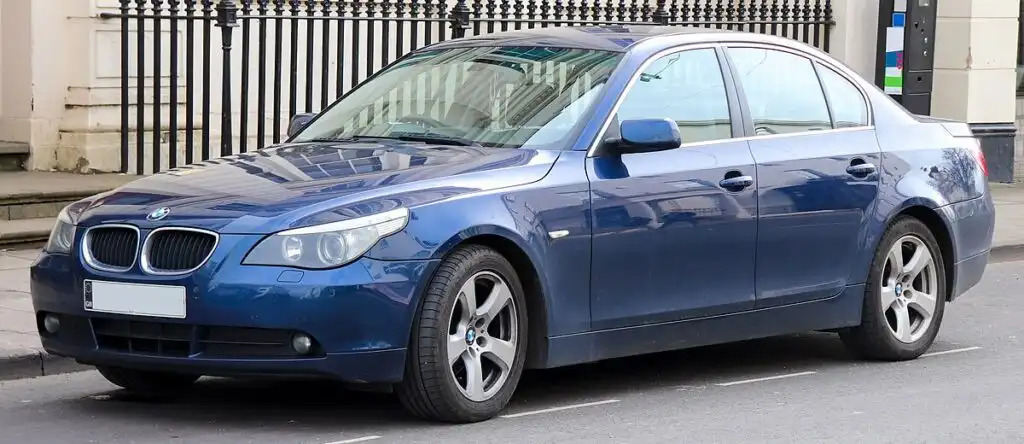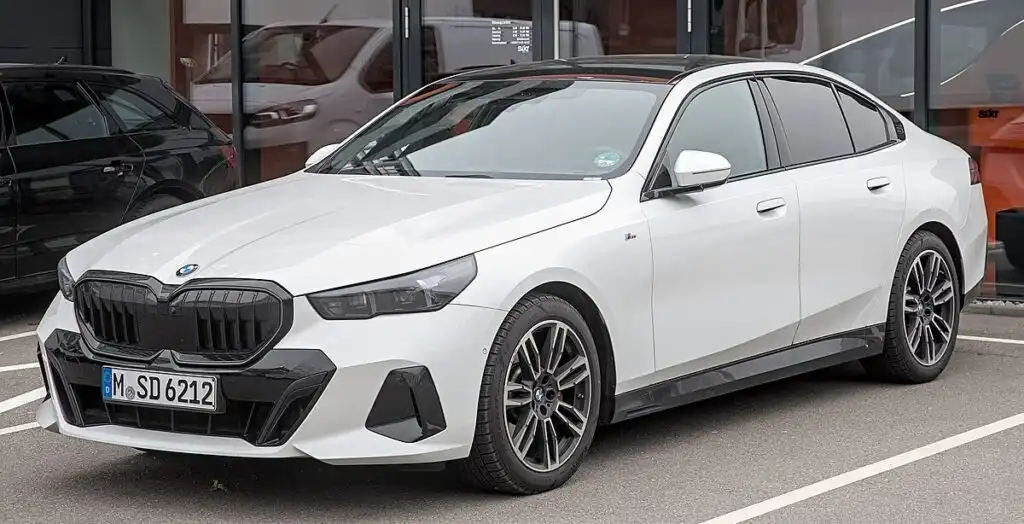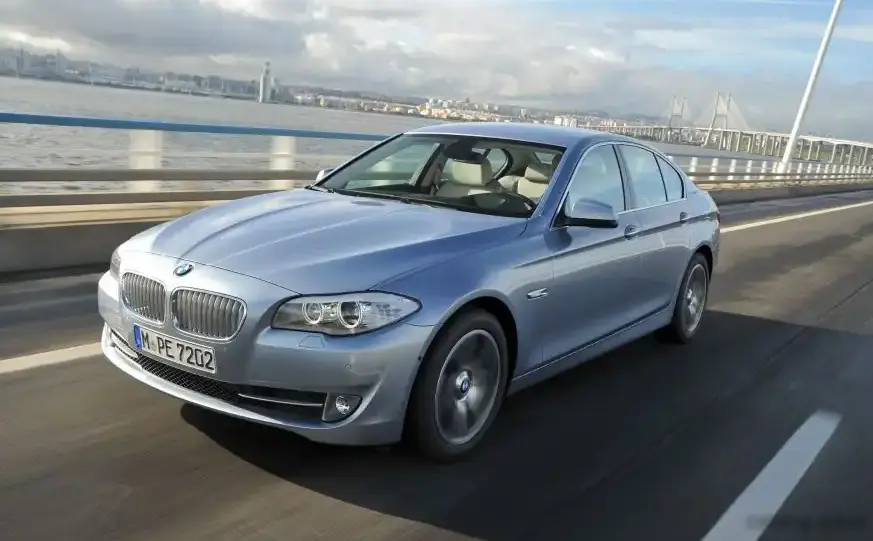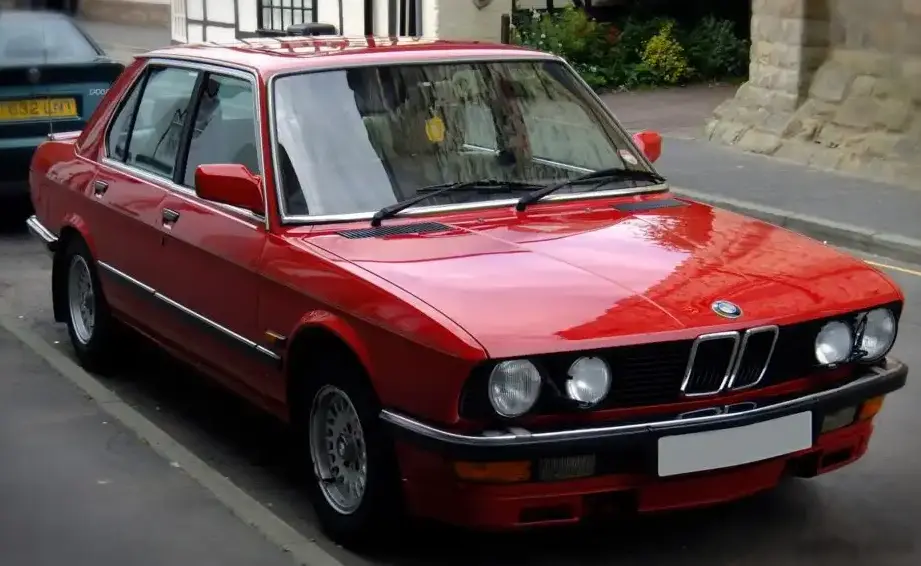
The BMW 525e, produced between 1983 and 1987, was a unique variant within the E28 5 Series lineup. Introduced as BMW’s response to increasing fuel economy demands, particularly in the North American market, the ‘e’ designation signified ‘economy’. This model aimed to offer a blend of BMW’s renowned driving dynamics with improved fuel efficiency, achieved through a modified engine and, in this case, a four-speed automatic transmission. The 525e occupied a middle ground in the E28 range, positioned above the base 520i and below the performance-oriented 535i and M5. It represented a compromise for buyers seeking a comfortable, well-equipped sedan without the higher price tag or sporting focus of its more powerful siblings.
Technical Specifications
| Brand | BMW |
| Model | 5 Series |
| Generation | 5 Series (E28) |
| Type (Engine) | 525e 2.7 (125 Hp) Automatic |
| Start of production | 1983 |
| End of production | 1987 |
| Powertrain Architecture | Internal Combustion engine |
| Body type | Sedan |
| Seats | 5 |
| Doors | 4 |
| Fuel Type | Petrol (Gasoline) |
| Power | 125 Hp @ 4250 rpm |
| Power per litre | 46.4 Hp/l |
| Torque | 230 Nm @ 3250 rpm / 169.64 lb.-ft. @ 3250 rpm |
| Engine layout | Front, Longitudinal |
| Engine Model/Code | M20B27 |
| Engine displacement | 2693 cm3 / 164.34 cu. in. |
| Number of cylinders | 6 |
| Engine configuration | Inline |
| Cylinder Bore | 84 mm / 3.31 in. |
| Piston Stroke | 81 mm / 3.19 in. |
| Compression ratio | 22:1 |
| Number of valves per cylinder | 2 |
| Fuel injection system | Carburettor |
| Engine aspiration | Naturally aspirated engine |
| Engine oil capacity | 4.25 l / 4.49 US qt | 3.74 UK qt |
| Coolant | 12 l / 12.68 US qt | 10.56 UK qt |
| Trunk (boot) space – minimum | 460 l / 16.24 cu. ft. |
| Fuel tank capacity | 70 l / 18.49 US gal | 15.4 UK gal |
| Length | 4620 mm / 181.89 in. |
| Width | 1700 mm / 66.93 in. |
| Height | 1415 mm / 55.71 in. |
| Wheelbase | 2625 mm / 103.35 in. |
| Front track | 1430 mm / 56.3 in. |
| Rear (Back) track | 1470 mm / 57.87 in. |
| Ride height (ground clearance) | 140 mm / 5.51 in. |
| Drivetrain Architecture | The Internal combustion engine (ICE) drives the rear wheels of the vehicle. |
| Drive wheel | Rear wheel drive |
| Number of gears and type of gearbox | 4 gears, automatic transmission |
| Front brakes | Disc |
| Rear brakes | Disc |
Powertrain & Engine Architecture
The heart of the 525e was the M20B27 engine, a 2.7-liter inline-six cylinder powerplant. While based on the M20 family, the ‘B27’ variant featured a lower compression ratio (8.8:1 compared to the 535i’s 9.8:1) and a modified cylinder head with smaller valves. Crucially, it utilized a Bosch Motronic fuel injection system, a significant advancement over the carbureted setups found in earlier BMW models. This system, combined with a revised camshaft profile, prioritized fuel economy and lower emissions. The engine produced 125 horsepower at 4250 rpm and 230 Nm (169.64 lb-ft) of torque at 3250 rpm. The four-speed automatic transmission, a ZF 4HP22 unit, was specifically chosen for its smoothness and efficiency. It featured a torque converter lockup clutch to further improve fuel economy at cruising speeds.
Driving Characteristics
The 525e automatic offered a distinctly different driving experience compared to its manual transmission counterparts or the more powerful 535i. The automatic gearbox, while smooth, resulted in a noticeable reduction in acceleration. The torque converter sapped some of the engine’s power, and the gear ratios were optimized for fuel economy rather than outright performance. 0-60 mph times were typically in the 10-11 second range, considerably slower than the manual 525e or the 535i. However, the automatic provided a relaxed and comfortable driving experience, particularly well-suited for city driving and long highway journeys. The lower compression ratio and revised camshaft also contributed to a softer engine character, with less of the raw responsiveness found in the 535i.
Equipment & Trim Levels
The 525e came reasonably well-equipped for its time. Standard features typically included power windows, power locks, air conditioning, and a basic stereo system. Upholstery was usually cloth, although leather was available as an option. The dashboard layout was typical of the E28 series, with a straightforward design and clearly marked gauges. Optional extras included a sunroof, upgraded stereo systems, and a limited-slip differential (though rare on the automatic version). The trim level was generally considered mid-range, offering a step up in comfort and features compared to the base 520i but lacking the luxury appointments of the 535i.
Chassis & Braking
The 525e shared the E28’s robust chassis and suspension design. It featured independent suspension all around, with MacPherson struts at the front and semi-trailing arms at the rear. Brakes were disc brakes on all four wheels, providing adequate stopping power for the car’s weight and performance. However, the 525e typically lacked the thicker stabilizer bars found on the 535i, resulting in slightly more body roll during cornering. The suspension was tuned for comfort, providing a relatively smooth ride over uneven surfaces.
Market Reception & Comparison
The 525e received mixed reviews upon its introduction. Critics praised its fuel efficiency and comfortable ride, but many found its performance underwhelming, particularly when compared to the 535i. The automatic transmission was often criticized for its lack of responsiveness. However, the 525e proved popular with buyers who prioritized fuel economy and comfort over outright performance. Compared to the 535i, the 525e offered significantly better fuel economy, making it a more practical choice for daily commuting. Compared to the 520i, the 525e provided a noticeable power increase and a more refined driving experience.
Legacy
The BMW 525e, particularly the automatic version, has developed a reputation for reliability, although age and maintenance are now the primary concerns. The M20B27 engine is generally considered durable, and the ZF 4HP22 automatic transmission is known for its robustness. However, like all classic BMWs, the 525e requires regular maintenance to prevent issues. Today, the 525e is a relatively affordable entry point into the E28 5 Series world, appealing to enthusiasts who appreciate its classic styling and comfortable driving experience. While not a performance icon like the M5, the 525e represents an important chapter in BMW’s history, demonstrating the company’s commitment to both driving pleasure and fuel efficiency.