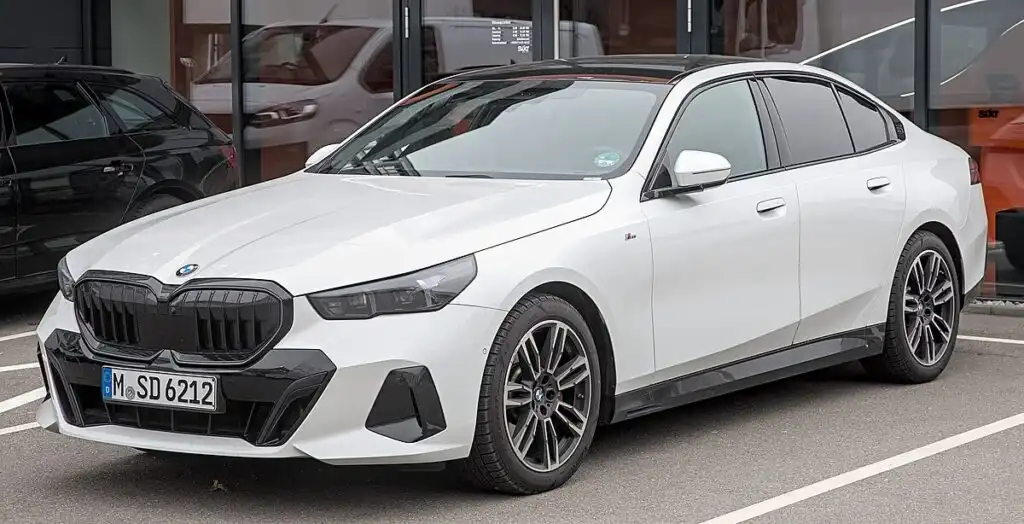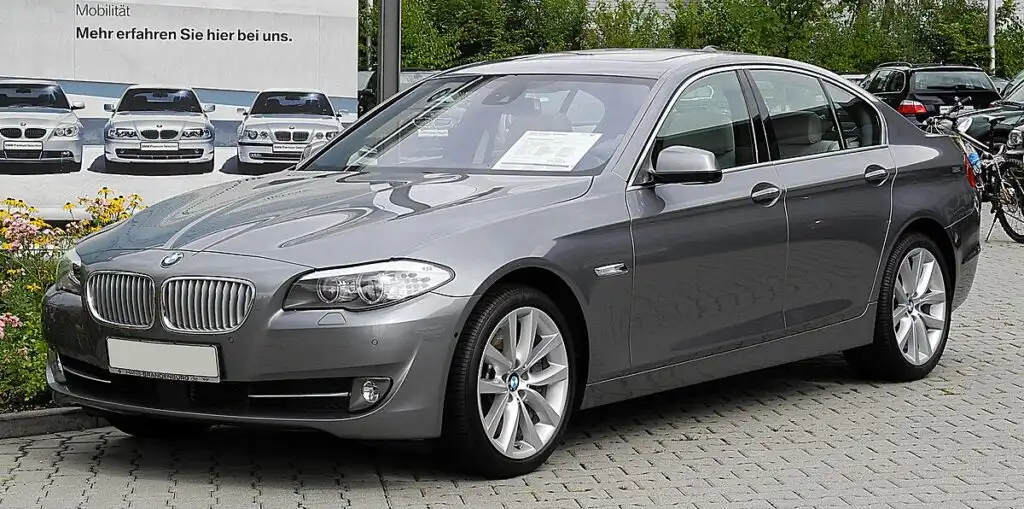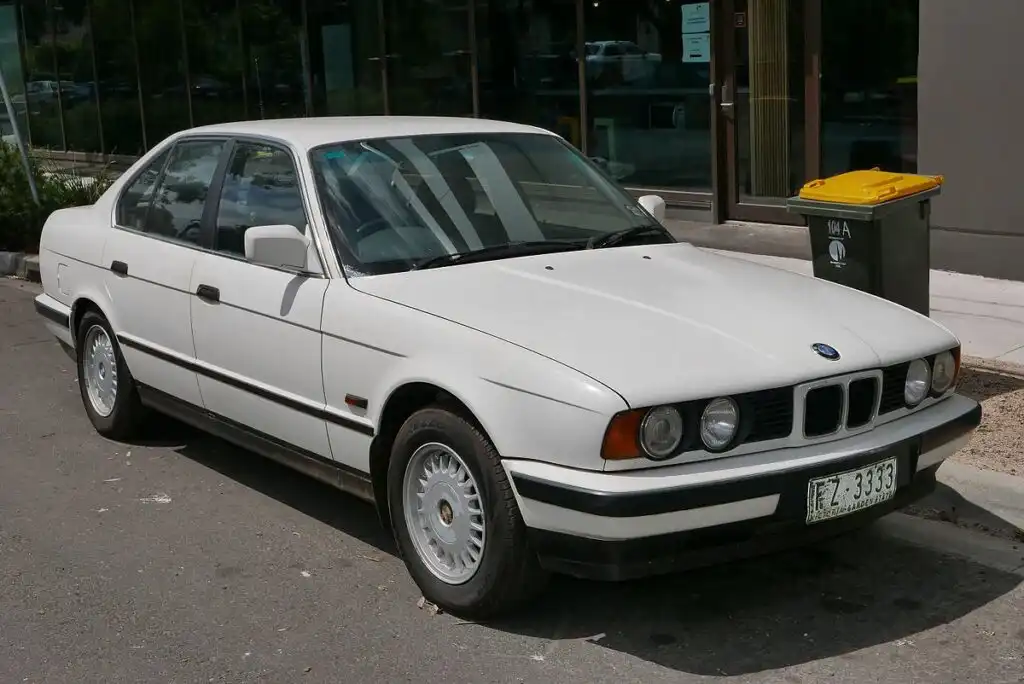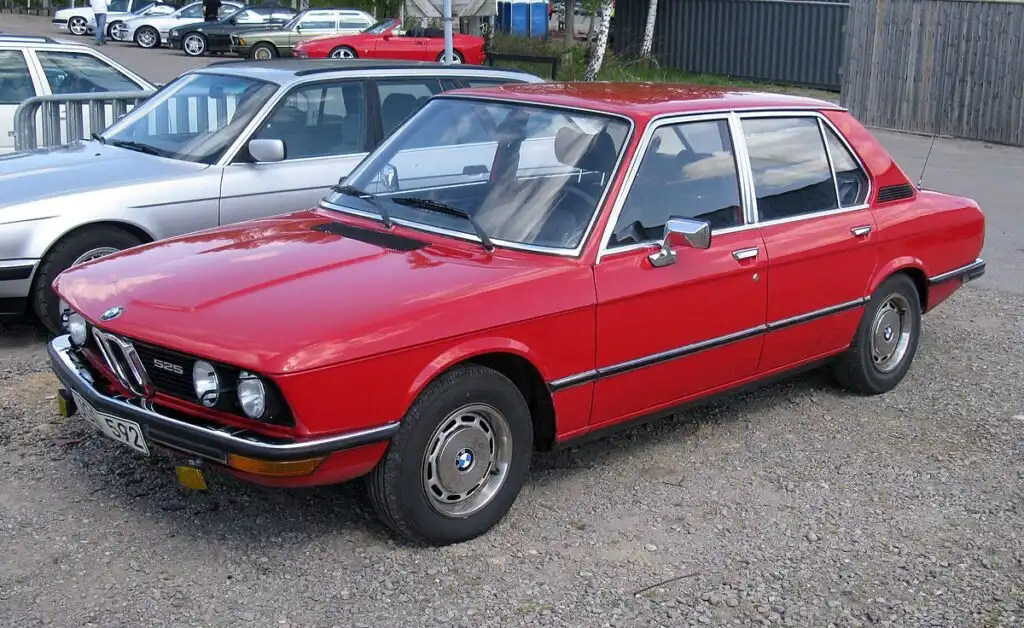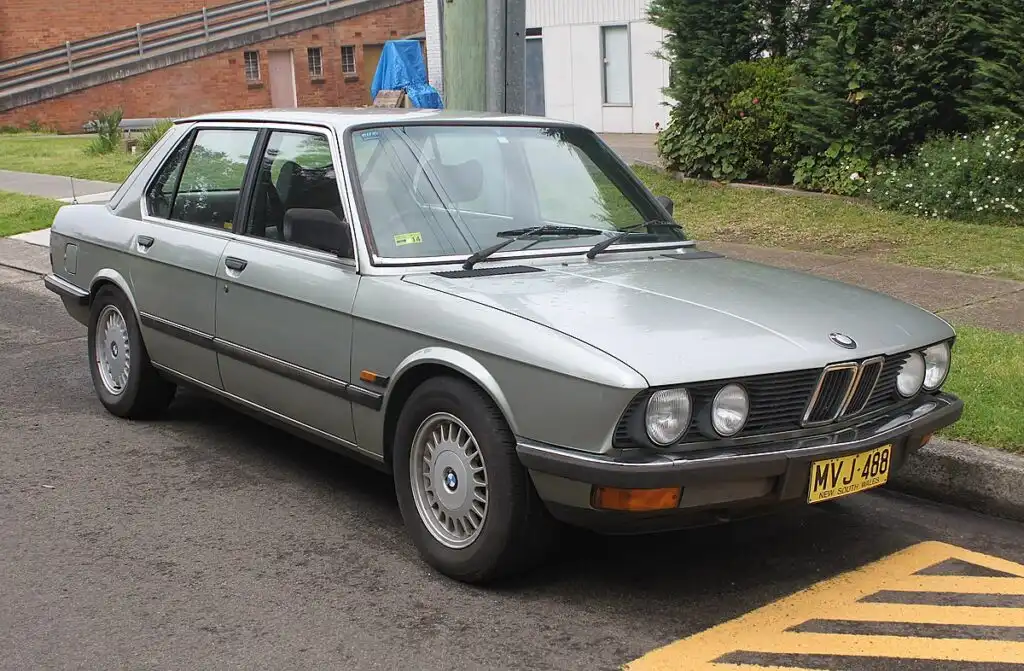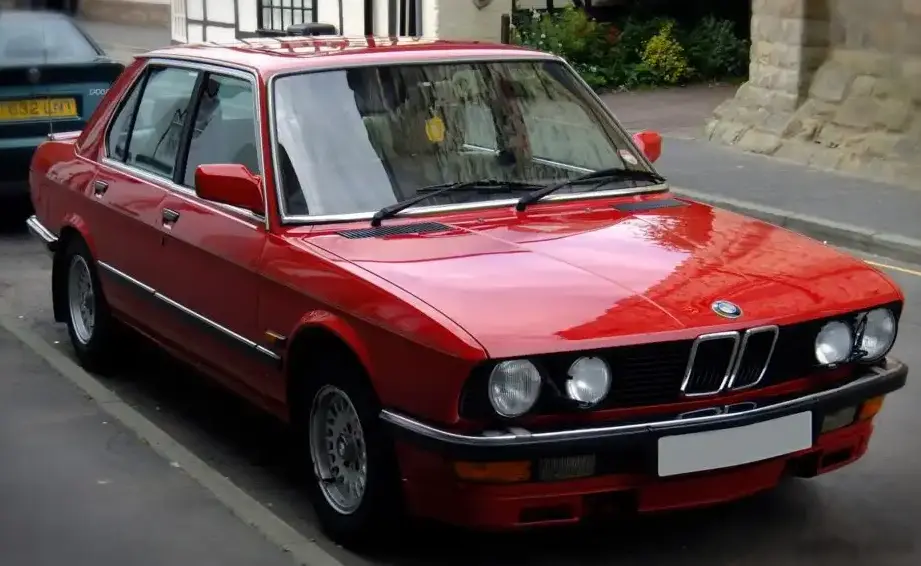
The BMW 5 Series E28 525i, produced between 1981 and 1987, represents a pivotal point in the evolution of BMW’s mid-size executive car. Positioned as a step up from the base 520i, the 525i offered a significant increase in performance and refinement, appealing to drivers seeking a more engaging experience. It was a key model within the E28 generation, which established the 5 Series as a benchmark for handling and build quality. The E28 chassis, internally designated as the ‘E28’, was a significant departure from its predecessor, the E12, offering increased interior space and improved dynamics. This variant, with its 2.5-liter inline-six engine, became a popular choice for enthusiasts and remains a sought-after classic today.
Technical Specifications
| Brand | BMW |
| Model | 5 Series |
| Generation | 5 Series (E28) |
| Type (Engine) | 525i (150 Hp) |
| Start of production | 1981 |
| End of production | 1987 |
| Powertrain Architecture | Internal Combustion engine |
| Body type | Sedan |
| Seats | 5 |
| Doors | 4 |
| Fuel consumption (urban) | 14.1 l/100 km (16.7 US mpg, 20 UK mpg, 7.1 km/l) |
| Fuel consumption (extra urban) | 7.2 l/100 km (32.7 US mpg, 39.2 UK mpg, 13.9 km/l) |
| Fuel consumption (combined) | 10.1 l/100 km (23.3 US mpg, 28 UK mpg, 9.9 km/l) |
| Fuel Type | Petrol (Gasoline) |
| Acceleration 0 – 100 km/h | 9.9 sec |
| Acceleration 0 – 62 mph | 9.9 sec |
| Acceleration 0 – 60 mph | 9.4 sec |
| Maximum speed | 197 km/h (122.41 mph) |
| Weight-to-power ratio | 8.6 kg/Hp, 116.3 Hp/tonne |
| Weight-to-torque ratio | 6 kg/Nm, 166.7 Nm/tonne |
| Power | 150 Hp @ 5500 rpm |
| Power per litre | 60.1 Hp/l |
| Torque | 215 Nm @ 4000 rpm (158.58 lb.-ft. @ 4000 rpm) |
| Engine layout | Front, Longitudinal |
| Engine Model/Code | M30B25 |
| Engine displacement | 2494 cm3 (152.19 cu. in.) |
| Number of cylinders | 6 |
| Engine configuration | Inline |
| Cylinder Bore | 86 mm (3.39 in.) |
| Piston Stroke | 71.6 mm (2.82 in.) |
| Number of valves per cylinder | 2 |
| Fuel injection system | Multi-port manifold injection |
| Engine aspiration | Naturally aspirated engine |
| Engine oil capacity | 4.3 l (4.54 US qt | 3.78 UK qt) |
| Coolant capacity | 10.5 l (11.1 US qt | 9.24 UK qt) |
| Kerb Weight | 1290 kg (2843.96 lbs.) |
| Max. weight | 1800 kg (3968.32 lbs.) |
| Max load | 510 kg (1124.36 lbs.) |
| Trunk (boot) space – minimum | 460 l (16.24 cu. ft.) |
| Fuel tank capacity | 70 l (18.49 US gal | 15.4 UK gal) |
| Length | 4620 mm (181.89 in.) |
| Width | 1700 mm (66.93 in.) |
| Height | 1415 mm (55.71 in.) |
| Wheelbase | 2625 mm (103.35 in.) |
| Front track | 1430 mm (56.3 in.) |
| Rear (Back) track | 1470 mm (57.87 in.) |
| Ride height (ground clearance) | 140 mm (5.51 in.) |
| Drivetrain Architecture | Rear wheel drive |
| Number of gears and type of gearbox | 5 gears, manual transmission |
| Front brakes | Disc |
| Rear brakes | Disc |
| Tires size | 175/80 R14 |
| Wheel rims size | 14 |
Powertrain & Engine Architecture
The heart of the 525i is the M30B25 engine, a 2.5-liter inline-six cylinder powerplant. This engine is a descendant of the M30 family, known for its smoothness and durability. The B25 variant featured a Bosch Motronic fuel injection system, a significant advancement over earlier carbureted BMW engines, improving fuel efficiency and responsiveness. The engine utilized a single overhead camshaft (SOHC) design with two valves per cylinder. Its robust construction and relatively simple design contributed to its longevity. The 525i was exclusively offered with a 5-speed manual transmission, providing a direct connection between the engine and the rear wheels. This transmission was known for its precise shift quality and durability. The engine’s longitudinal mounting and rear-wheel-drive configuration were hallmarks of BMW’s engineering philosophy at the time, prioritizing handling balance and driving engagement.
Driving Characteristics
The 525i offered a noticeably more spirited driving experience than the 520i. The 150 horsepower engine, while not overwhelming by modern standards, provided ample power for comfortable cruising and confident overtaking. The manual transmission allowed drivers to fully exploit the engine’s torque curve, delivering brisk acceleration. The E28 chassis, with its well-tuned suspension, provided excellent handling and a comfortable ride. Compared to later, more powerful 5 Series models like the M5, the 525i prioritized balance and usability over outright performance. The gear ratios in the 5-speed manual were well-matched to the engine’s characteristics, providing good acceleration in each gear. The car felt nimble and responsive, making it a joy to drive on winding roads.
Equipment & Trim Levels
The 525i typically came equipped with a respectable level of standard features for its time. These included power-assisted steering, power-assisted brakes, and a comprehensive instrument cluster. Interior upholstery was typically cloth, although leather was available as an option. Optional extras included a sunroof, air conditioning, power windows, and a premium sound system. The dashboard layout was functional and driver-focused, with clearly marked gauges and controls. Trim levels were relatively simple, with most variations stemming from the addition of optional packages. The 525i aimed for a balance between luxury and sportiness, offering a comfortable and well-equipped interior without the excessive cost of the higher-end models.
Chassis & Braking
The E28 chassis featured independent suspension at all four wheels, utilizing MacPherson struts at the front and semi-trailing arms at the rear. This suspension setup provided a good balance between ride comfort and handling precision. The 525i was equipped with disc brakes on all four wheels, providing ample stopping power. The braking system was not equipped with ABS as standard, although it was available as an option. The car’s relatively light weight, compared to later 5 Series models, contributed to its agile handling. Stabilizer bars were fitted front and rear to reduce body roll during cornering.
Market Reception & Comparison
The 525i was generally well-received by automotive critics, who praised its handling, build quality, and refined engine. It was seen as a compelling alternative to its rivals, such as the Mercedes-Benz W123 and the Audi 100. Compared to the base 520i, the 525i offered a significant performance upgrade, justifying its higher price tag. Fuel economy was reasonable for the time, although not exceptional. Reliability was generally good, although maintenance costs could be higher than some competitors due to the car’s German engineering. The 525i struck a sweet spot in the 5 Series lineup, offering a blend of performance, luxury, and practicality that appealed to a wide range of buyers.
Legacy
The E28 525i has become a highly regarded classic car, appreciated by enthusiasts for its driving dynamics and timeless design. The M30B25 engine is known for its durability and relatively simple maintenance requirements. Well-maintained examples are becoming increasingly rare and valuable. The car’s robust construction and readily available parts supply ensure that it can be kept on the road for many years to come. The E28 525i represents a high point in BMW’s engineering history, embodying the brand’s commitment to building driver-focused automobiles. Today, it remains a popular choice for classic car collectors and enthusiasts who appreciate its blend of performance, style, and heritage.