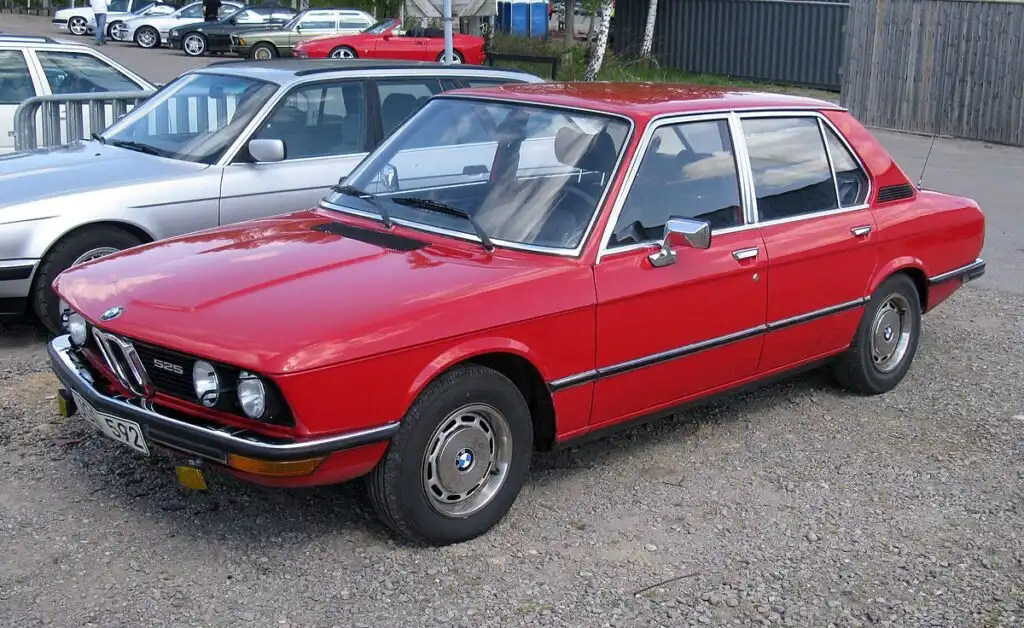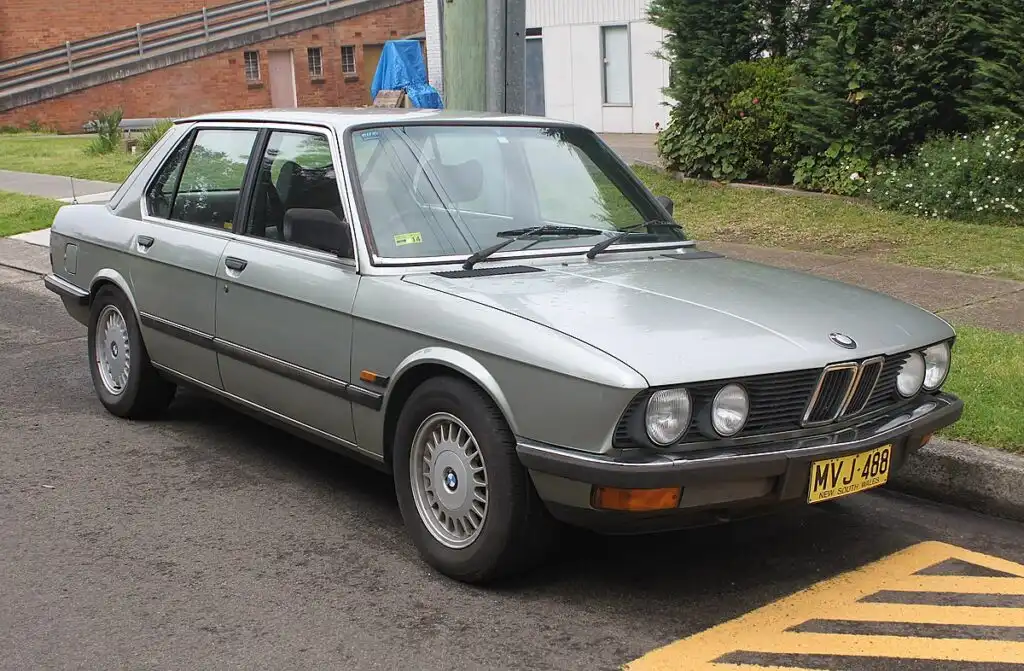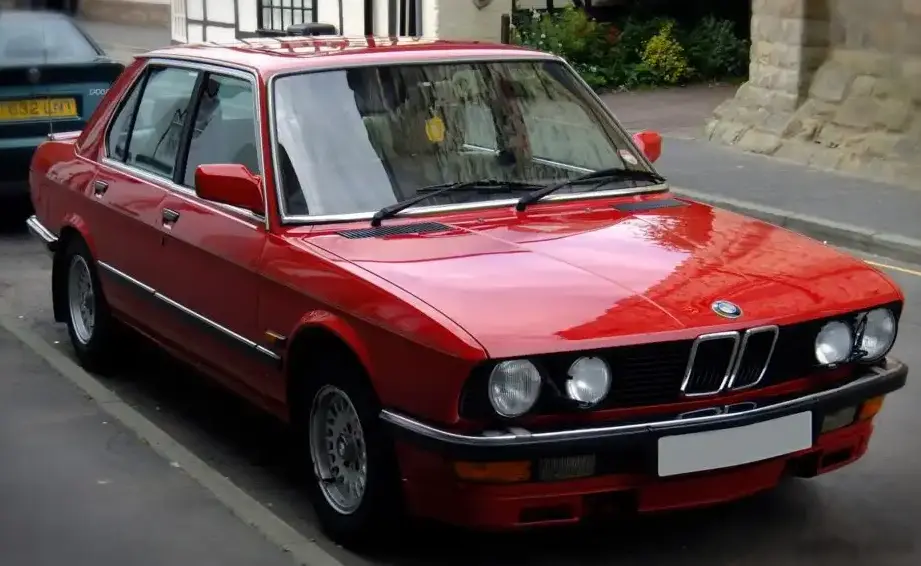
The BMW 535i (E28) Automatic, produced between 1985 and 1987, represented a compelling blend of performance and luxury within the second generation of the BMW 5 Series. Positioned as a mid-range offering within the E28 lineup, it slotted between the more economical 525e and the high-performance M5. This variant aimed to provide a comfortable and refined driving experience without sacrificing the sporting character that defined the 5 Series. The E28 generation, built from 1981 to 1988, was a pivotal model for BMW, solidifying its reputation for building driver-focused automobiles and establishing a clear identity for the 5 Series as a sports sedan.
Technical Specifications
| Brand | BMW |
| Model | 5 Series |
| Generation | 5 Series (E28) |
| Type | 535i (185 Hp) Automatic |
| Start of production | 1985 |
| End of production | 1987 |
| Powertrain Architecture | Internal Combustion engine |
| Body type | Sedan |
| Seats | 5 |
| Doors | 4 |
| Fuel Type | Petrol (Gasoline) |
| Power | 185 Hp @ 5400 rpm |
| Power per litre | 53.9 Hp/l |
| Torque | 290 Nm @ 4000 rpm / 213.89 lb.-ft. @ 4000 rpm |
| Engine layout | Front, Longitudinal |
| Engine Model/Code | M30B34 |
| Engine displacement | 3430 cm3 / 209.31 cu. in. |
| Number of cylinders | 6 |
| Engine configuration | Inline |
| Cylinder Bore | 92 mm / 3.62 in. |
| Piston Stroke | 86 mm / 3.39 in. |
| Compression ratio | 9:1 |
| Number of valves per cylinder | 2 |
| Fuel injection system | Single-point injection |
| Engine aspiration | Naturally aspirated engine |
| Engine oil capacity | 5.75 l / 6.08 US qt | 5.06 UK qt |
| Coolant | 12 l / 12.68 US qt | 10.56 UK qt |
| Trunk (boot) space – minimum | 460 l / 16.24 cu. ft. |
| Fuel tank capacity | 70 l / 18.49 US gal | 15.4 UK gal |
| Length | 4620 mm / 181.89 in. |
| Width | 1700 mm / 66.93 in. |
| Height | 1415 mm / 55.71 in. |
| Wheelbase | 2625 mm / 103.35 in. |
| Front track | 1430 mm / 56.3 in. |
| Rear (Back) track | 1470 mm / 57.87 in. |
| Ride height (ground clearance) | 152 mm / 5.98 in. |
| Drivetrain Architecture | The Internal combustion engine (ICE) drives the rear wheels of the vehicle. |
| Drive wheel | Rear wheel drive |
| Number of gears and type of gearbox | 3 gears, automatic transmission |
| Front brakes | Disc |
| Rear brakes | Disc |
Powertrain & Engine Architecture
The heart of the 535i Automatic is the M30B34 engine, a 3.4-liter inline-six cylinder powerplant. This engine is a descendant of BMW’s long-running M30 family, known for its smoothness and durability. The ‘B34’ designation signifies the 3.4-liter displacement. The engine utilizes a single-point fuel injection system (also known as L-Jetronic), which, while less sophisticated than later multi-port injection systems, provided a good balance of performance and reliability for the time. The engine’s valvetrain consists of a single overhead camshaft operating two valves per cylinder. The automatic transmission is a 3-speed unit, designed to provide smooth and comfortable shifts. It was a common transmission choice for buyers prioritizing ease of use over ultimate performance.
Driving Characteristics
The 535i Automatic offered a distinctly different driving experience compared to its manual transmission counterpart or the higher-output M5. While the 185 horsepower and 214 lb-ft of torque were respectable for the mid-1980s, the automatic transmission slightly dulled the engine’s responsiveness. Acceleration was still brisk, but lacked the immediacy of the manual. The 3-speed automatic’s gear ratios were optimized for cruising comfort and fuel efficiency rather than outright performance. The car felt composed and stable at highway speeds, making it an excellent grand tourer. Compared to the 525e, the 535i offered a noticeable increase in power and torque, resulting in more confident passing maneuvers and a generally more engaging driving experience. However, the 525e, with its lighter weight, could sometimes feel more nimble in city driving.
Equipment & Trim Levels
The 535i Automatic came reasonably well-equipped as standard. Interior features typically included cloth upholstery, power windows, power door locks, and a basic sound system. Leather upholstery, a sunroof, and upgraded audio systems were available as optional extras. The dashboard layout was typical of BMWs of the era, with a driver-focused design and clear, easy-to-read gauges. The trim level generally fell into the mid-range of the E28 offerings, offering a step up in luxury and features compared to the base 525e, but without the full suite of options found on the M5.
Chassis & Braking
The E28 535i utilized a MacPherson strut front suspension and a semi-trailing arm rear suspension. This setup provided a good balance of ride comfort and handling precision. The 535i was equipped with disc brakes on all four wheels, providing ample stopping power. Anti-lock braking system (ABS) was available as an option, a relatively advanced feature for the time. Stabilizer bars were fitted both front and rear, helping to reduce body roll during cornering. The suspension tuning was generally softer than that of the M5, prioritizing ride comfort over ultimate handling performance.
Market Reception & Comparison
The 535i Automatic was generally well-received by automotive critics. It was praised for its smooth engine, comfortable ride, and refined interior. However, some reviewers noted that the automatic transmission diminished the engine’s potential and that the car lacked the sporting edge of the manual transmission version. Fuel economy was considered reasonable for a vehicle of its size and performance, although it was not as fuel-efficient as the 525e. Reliability was generally good, although the single-point fuel injection system could require occasional maintenance. Compared to its rivals, such as the Mercedes-Benz 190E and the Audi 80, the 535i offered a more engaging driving experience and a more sporting character.
Legacy
The BMW E28 535i Automatic has become a sought-after classic among BMW enthusiasts. The M30B34 engine is known for its durability and relatively simple maintenance requirements. While the automatic transmission is not as highly regarded as the manual, it still provides a comfortable and enjoyable driving experience. Well-maintained examples of the 535i Automatic are becoming increasingly rare and valuable. The car represents a significant chapter in BMW’s history, showcasing the company’s commitment to building driver-focused automobiles that combine performance, luxury, and reliability. Today, finding a pristine example requires dedication, but the reward is a classic BMW that embodies the spirit of the 1980s.