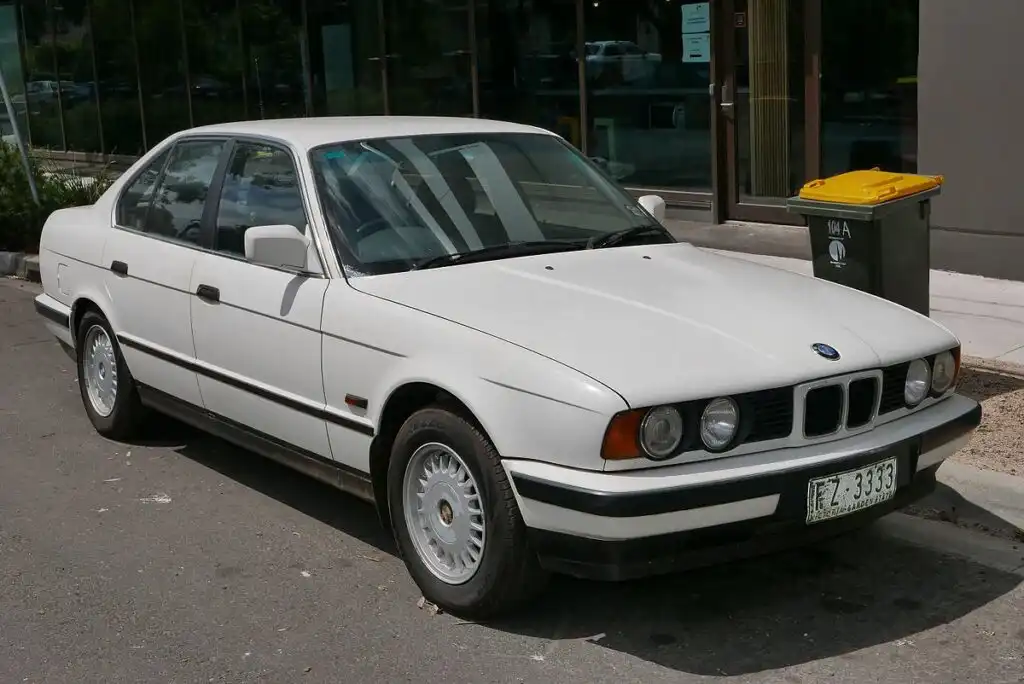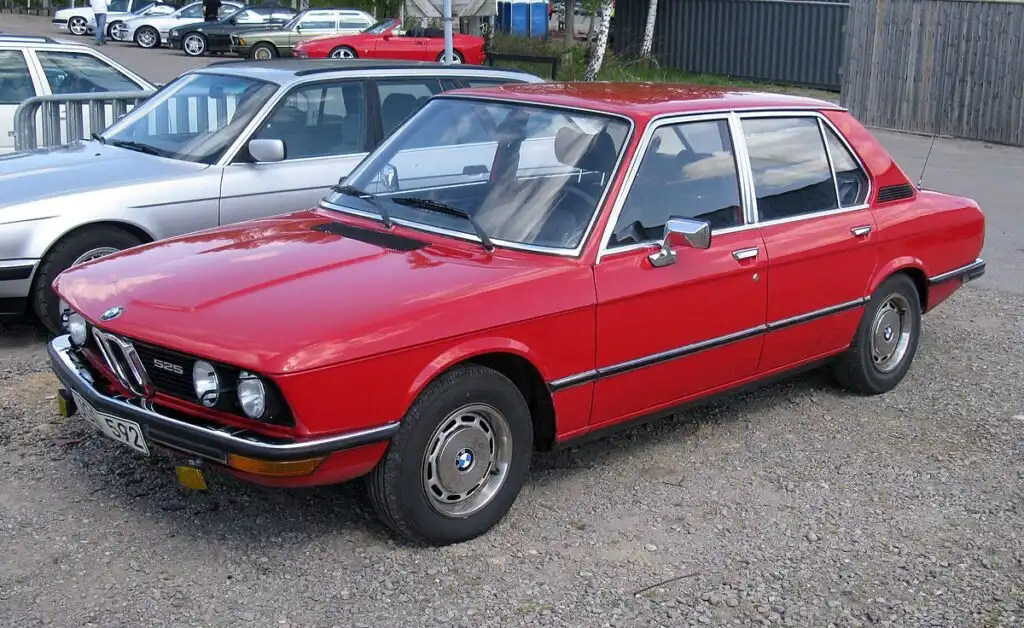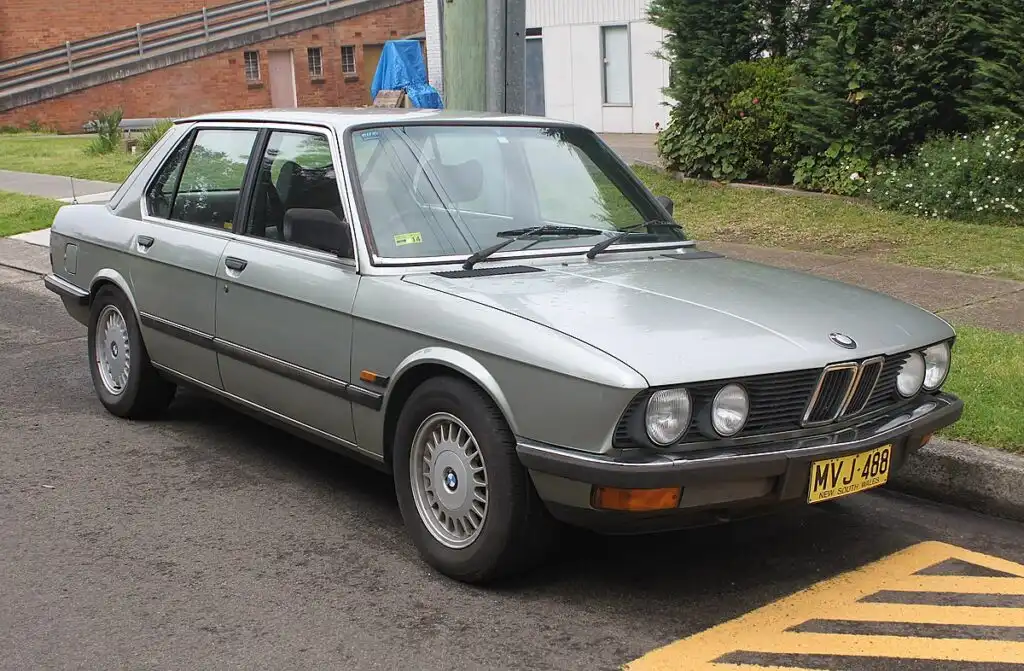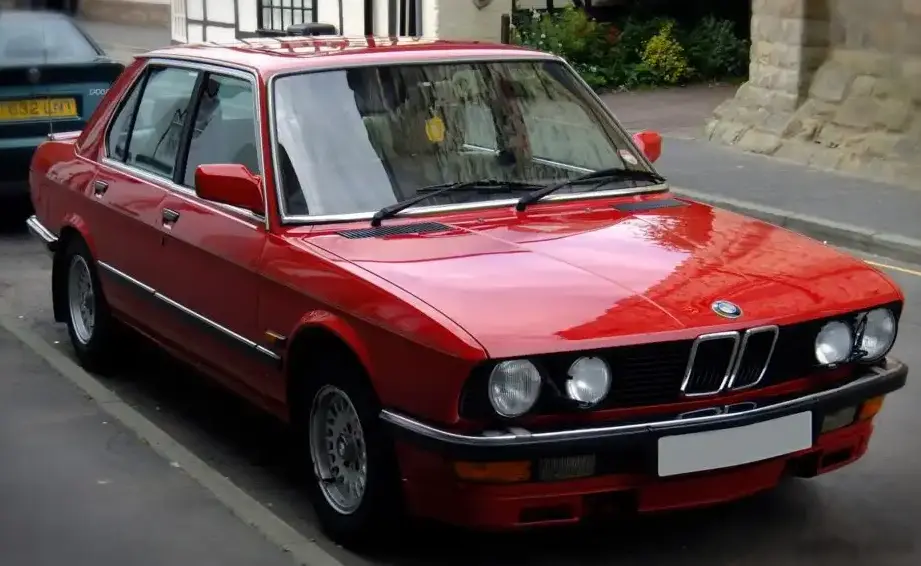
The BMW 5 Series E28 535i, produced between 1985 and 1987, represents a pivotal point in the evolution of BMW’s mid-size executive sedan. Positioned as a performance-oriented variant within the E28 generation (1981-1988), the 535i offered a significant step up in power and refinement compared to the earlier 528i and 530i models. It served as a bridge between the more economical offerings and the eventual introduction of the high-performance M5. The 535i was primarily marketed towards enthusiasts seeking a blend of luxury, handling, and straight-line speed, solidifying BMW’s reputation for building driver-focused automobiles.
Technical Specifications
| Brand | BMW |
| Model | 5 Series |
| Generation | 5 Series (E28) |
| Type (Engine) | 535i (192 Hp) |
| Start of production | 1985 |
| End of production | 1987 |
| Powertrain Architecture | Internal Combustion engine |
| Body type | Sedan |
| Seats | 5 |
| Doors | 4 |
| Fuel Type | Petrol (Gasoline) |
| Power | 192 Hp @ 5400 rpm |
| Power per litre | 56 Hp/l |
| Torque | 290 Nm @ 4000 rpm / 213.89 lb.-ft. @ 4000 rpm |
| Engine layout | Front, Longitudinal |
| Engine Model/Code | M30 |
| Engine displacement | 3430 cm3 / 209.31 cu. in. |
| Number of cylinders | 6 |
| Engine configuration | Inline |
| Cylinder Bore | 92 mm / 3.62 in. |
| Piston Stroke | 86 mm / 3.39 in. |
| Compression ratio | 9:1 |
| Number of valves per cylinder | 2 |
| Fuel injection system | Multi-port manifold injection |
| Engine aspiration | Naturally aspirated engine |
| Engine oil capacity | 5.75 l / 6.08 US qt | 5.06 UK qt |
| Coolant | 12 l / 12.68 US qt | 10.56 UK qt |
| Trunk (boot) space – minimum | 460 l / 16.24 cu. ft. |
| Fuel tank capacity | 70 l / 18.49 US gal | 15.4 UK gal |
| Length | 4620 mm / 181.89 in. |
| Width | 1700 mm / 66.93 in. |
| Height | 1415 mm / 55.71 in. |
| Wheelbase | 2625 mm / 103.35 in. |
| Front track | 1430 mm / 56.3 in. |
| Rear (Back) track | 1470 mm / 57.87 in. |
| Ride height (ground clearance) | 152 mm / 5.98 in. |
| Drivetrain Architecture | The Internal combustion engine (ICE) drives the rear wheels of the vehicle. |
| Drive wheel | Rear wheel drive |
| Number of gears and type of gearbox | 5 gears, manual transmission |
| Front brakes | Disc |
| Rear brakes | Disc |
Powertrain & Engine Architecture
The heart of the 535i is the M30 inline-six engine, specifically the B34 variant. This 3.4-liter engine represents a significant evolution of the M30 family, featuring a larger displacement compared to the 3.3-liter M30 found in earlier 533i models. The engine utilizes a cast iron block and an aluminum cylinder head, a common configuration for BMW engines of the era. Fuel delivery is managed by Bosch Motronic fuel injection, a multi-port system that precisely meters fuel into each cylinder for optimal combustion. The M30 engine is known for its smooth power delivery and robust construction. It employs a single overhead camshaft (SOHC) design with two valves per cylinder. The 535i exclusively came with a Getrag 265 5-speed manual transmission, known for its precise shifts and durability. An automatic transmission was not offered for this specific model.
Driving Characteristics
The 535i delivers a noticeably more engaging driving experience than its lower-powered siblings. The increased displacement and refined fuel injection system result in a broader torque curve, providing strong acceleration throughout the rev range. The 192 horsepower allows for a 0-60 mph time of around 7.5 seconds, respectable performance for the mid-1980s. The manual transmission allows for full control over the engine’s power, and the rear-wheel-drive layout contributes to a balanced and predictable handling characteristic. Compared to the 528i, the 535i feels significantly more powerful, especially at higher speeds. While not as overtly sporty as the later M5, the 535i offers a satisfying blend of performance and comfort.
Equipment & Trim Levels
The 535i was positioned as a premium offering within the E28 lineup, and as such, came standard with a generous array of features. Standard equipment included power windows, power locks, a sunroof, and a high-quality stereo system. The interior was typically trimmed with cloth upholstery, although leather was available as an option. Optional extras included heated seats, automatic climate control, and a limited-slip differential. The dashboard layout is typical of BMWs of the period, with a driver-focused design and clear, easy-to-read gauges. The 535i also featured BMW’s signature check control system, which monitored various vehicle functions and alerted the driver to any potential issues.
Chassis & Braking
The E28 535i utilizes a MacPherson strut front suspension and a semi-trailing arm rear suspension. This setup provides a good balance between ride comfort and handling precision. The 535i benefits from a slightly stiffer suspension tuning compared to the lower-powered models, further enhancing its handling capabilities. Braking duties are handled by disc brakes on all four wheels, providing ample stopping power. Anti-lock braking system (ABS) was available as an option, a relatively advanced feature for the time. The chassis is robust and well-engineered, contributing to the car’s overall feeling of solidity and refinement.
Market Reception & Comparison
The 535i was generally well-received by automotive critics, who praised its powerful engine, refined handling, and comfortable interior. It was often compared favorably to its rivals, such as the Mercedes-Benz 190E and the Audi 80. The 535i offered a more engaging driving experience than the Mercedes-Benz, while providing a similar level of luxury and refinement. Compared to the 528i, the 535i commanded a higher price, but the added performance and features were considered worth the premium by many buyers. Fuel economy was reasonable for a car of its size and performance, averaging around 18-22 mpg in mixed driving. Reliability was generally good, although the M30 engine can be prone to oil leaks as it ages.
Legacy
The E28 535i has become a highly sought-after classic among BMW enthusiasts. Its combination of performance, handling, and build quality has ensured its enduring appeal. The M30 engine is known for its durability and relatively simple maintenance requirements, making it a popular choice for restoration projects. Today, well-maintained examples of the 535i can fetch significant prices in the used car market. The car represents a high point in BMW’s engineering history, and it continues to provide a rewarding driving experience for those who appreciate classic German automobiles. The 535i laid the groundwork for the continued success of the 5 Series, establishing it as a benchmark for mid-size executive sedans.