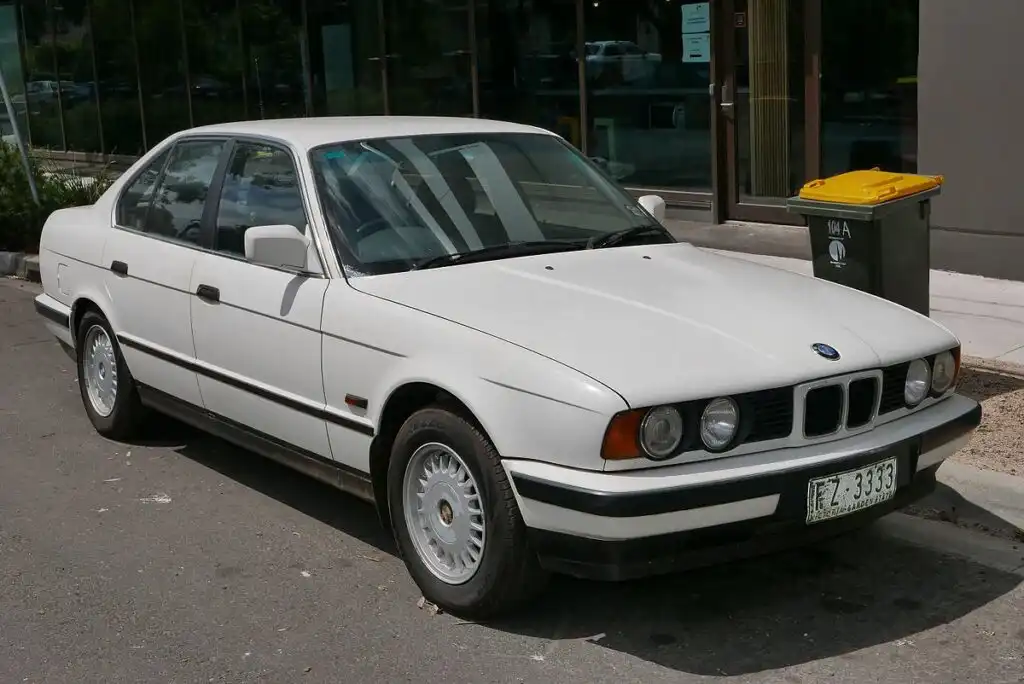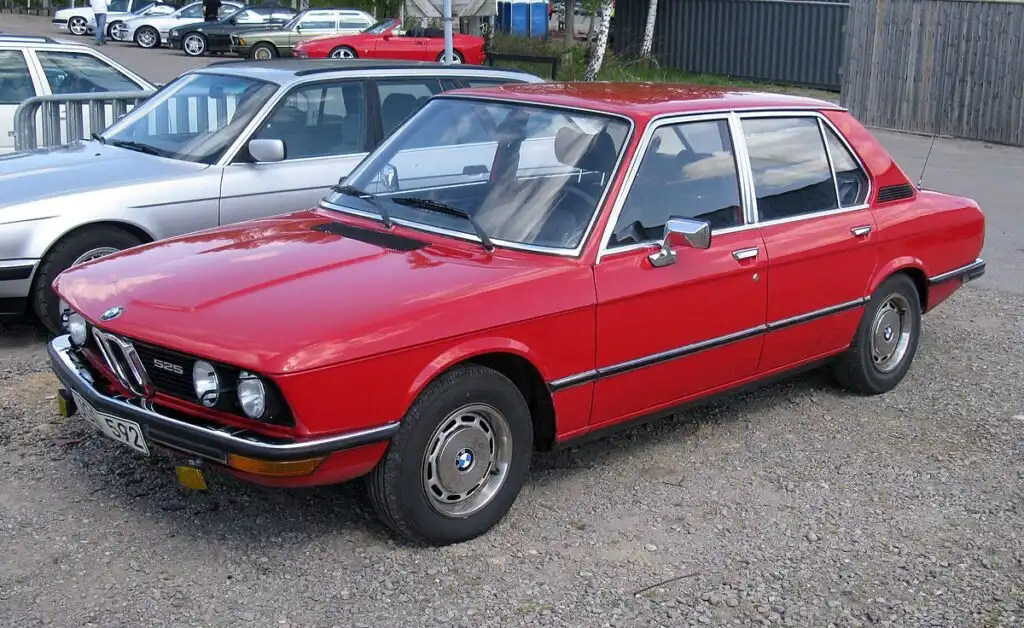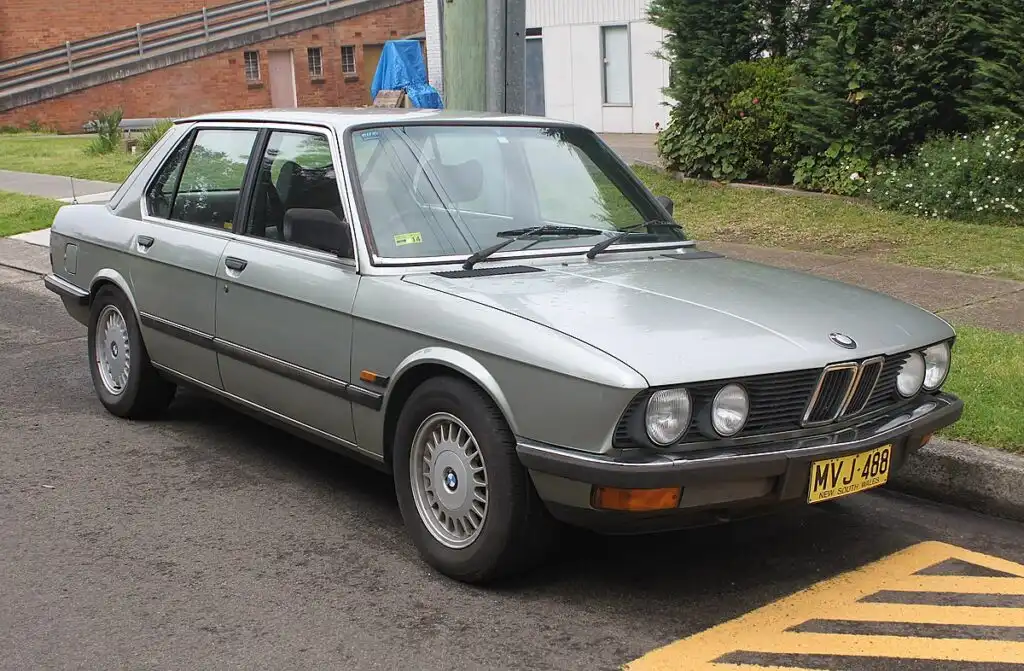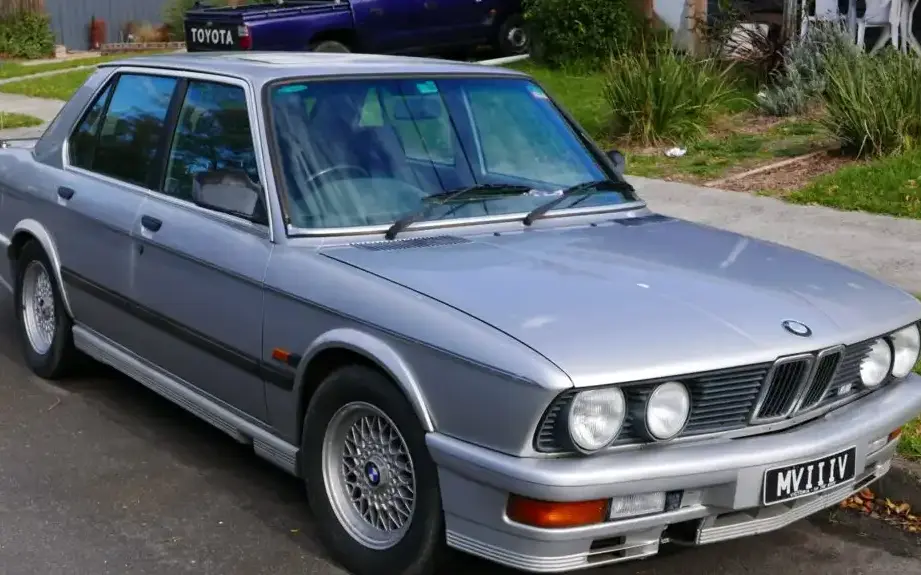
The BMW 5 Series E28 M535i, produced between 1984 and 1987, represents a pivotal moment in the evolution of BMW’s mid-size sedan. Positioned as a high-performance variant of the E28 5 Series, the M535i aimed to deliver a more engaging driving experience than the standard models, bridging the gap between luxury and outright sportiness. It was initially developed for the European market to homologate the engine for racing purposes, but quickly gained a following in North America, becoming a desirable performance sedan. The M535i is considered a precursor to the modern M5, establishing many of the characteristics that would define the M car lineage.
Technical Specifications
| Brand | BMW |
| Model | 5 Series |
| Generation | 5 Series (E28) |
| Type (Engine) | M535i (185 Hp) |
| Start of production | 1984 |
| End of production | 1987 |
| Powertrain Architecture | Internal Combustion engine |
| Body type | Sedan |
| Seats | 5 |
| Doors | 4 |
| Fuel consumption (economy) – urban | 16.1 l/100 km (14.6 US mpg, 17.5 UK mpg, 6.2 km/l) |
| Fuel consumption (economy) – extra urban | 8-9.5 l/100 km (29.4 – 24.8 US mpg, 35.3 – 29.7 UK mpg, 12.5 – 10.5 km/l) |
| Fuel Type | Petrol (Gasoline) |
| Acceleration 0 – 100 km/h | 7.9 sec |
| Acceleration 0 – 62 mph | 7.9 sec |
| Acceleration 0 – 60 mph | 7.5 sec |
| Maximum speed | 217 km/h (134.84 mph) |
| Weight-to-power ratio | 7.1 kg/Hp, 140.7 Hp/tonne |
| Weight-to-torque ratio | 4.5 kg/Nm, 220.5 Nm/tonne |
| Power | 185 Hp @ 5400 rpm |
| Power per litre | 53.9 Hp/l |
| Torque | 290 Nm @ 4000 rpm (213.89 lb.-ft. @ 4000 rpm) |
| Engine layout | Front, Longitudinal |
| Engine Model/Code | M30B34 |
| Engine displacement | 3430 cm3 (209.31 cu. in.) |
| Number of cylinders | 6 |
| Engine configuration | Inline |
| Cylinder Bore | 92 mm (3.62 in.) |
| Piston Stroke | 86 mm (3.39 in.) |
| Compression ratio | 8:1 |
| Number of valves per cylinder | 2 |
| Fuel injection system | Multi-port manifold injection |
| Engine aspiration | Naturally aspirated engine |
| Valvetrain | SOHC |
| Engine oil capacity | 5.75 l (6.08 US qt | 5.06 UK qt) |
| Coolant | 12 l (12.68 US qt | 10.56 UK qt) |
| Kerb Weight | 1315 kg (2899.08 lbs.) |
| Max. weight | 1900 kg (4188.78 lbs.) |
| Max load | 585 kg (1289.7 lbs.) |
| Trunk (boot) space – minimum | 460 l (16.24 cu. ft.) |
| Fuel tank capacity | 70 l (18.49 US gal | 15.4 UK gal) |
| Max. roof load | 75 kg (165.35 lbs.) |
| Permitted trailer load with brakes (12%) | 1500 kg (3306.93 lbs.) |
| Permitted trailer load without brakes | 500 kg (1102.31 lbs.) |
| Length | 4604 mm (181.26 in.) |
| Width | 1710 mm (67.32 in.) |
| Height | 1397 mm (55 in.) |
| Wheelbase | 2628 mm (103.46 in.) |
| Front track | 1430 mm (56.3 in.) |
| Rear (Back) track | 1460 mm (57.48 in.) |
| Minimum turning circle | 11 m (36.09 ft.) |
| Drivetrain Architecture | Rear wheel drive |
| Number of gears and type of gearbox | 5 gears, manual transmission |
| Front suspension | Spring Strut, Transverse stabilizer |
| Rear suspension | Independent coil spring, Transverse stabilizer, Trailing arm |
| Front brakes | Ventilated discs |
| Rear brakes | Disc |
| Assisting systems | ABS (Anti-lock braking system) |
| Steering type | Cone worm with recirculation balls |
| Power steering | Hydraulic Steering |
| Tires size | 220/55 R16 |
| Wheel rims size | 16 |
Powertrain & Engine Architecture
The heart of the M535i is the M30B34 engine, a 3.4-liter inline-six cylinder powerplant. This engine was derived from the standard BMW M30 engine, but significantly upgraded for performance. Key modifications included a larger bore, a higher compression ratio (8:1), and a revised cylinder head with larger valves. The engine utilized Bosch Motronic fuel injection, a sophisticated system for its time, which optimized fuel delivery and ignition timing for improved efficiency and power. The M30B34 produced 185 horsepower at 5400 rpm and 290 Nm (213.89 lb-ft) of torque at 4000 rpm. The engine’s single overhead camshaft (SOHC) design, while not as advanced as dual overhead cam setups, was known for its durability and smooth power delivery. The M535i was exclusively offered with a 5-speed manual transmission, providing drivers with full control over the engine’s power. This transmission was robust and well-matched to the engine’s characteristics.
Driving Characteristics
The M535i offered a noticeably more engaging driving experience than the standard 5 Series models. The increased power and torque of the M30B34 engine, combined with the close-ratio 5-speed manual transmission, resulted in brisk acceleration. Zero to 60 mph was achievable in around 7.5 seconds, a respectable figure for the mid-1980s. The car felt balanced and responsive, with precise steering and well-controlled body roll. While not as raw or uncompromising as later M cars, the M535i provided a satisfying blend of performance and comfort. The engine’s torque curve was relatively flat, providing strong pull throughout the rev range, making it a capable cruiser as well as a spirited performer. Compared to the later M5 (E28), which featured a larger 3.5-liter engine, the M535i felt slightly less potent, but also more accessible and easier to drive on a daily basis.
Equipment & Trim Levels
The M535i came reasonably well-equipped, reflecting its position as a premium performance sedan. Standard features included sport seats with distinctive cloth upholstery, a leather-wrapped steering wheel, and a comprehensive instrument cluster. Power windows and central locking were also standard. Optional extras included a sunroof, air conditioning, and upgraded audio systems. The interior design was functional and understated, with a focus on driver ergonomics. The M535i also featured unique exterior styling cues, including a rear spoiler, sport suspension, and distinctive alloy wheels. These visual enhancements helped to differentiate it from the standard 5 Series models.
Chassis & Braking
The M535i benefited from a revised suspension setup compared to the standard 5 Series. Stiffer springs and dampers, along with a thicker front stabilizer bar, reduced body roll and improved handling. The rear suspension featured independent coil springs and a trailing arm design. Braking duties were handled by ventilated disc brakes at the front and solid discs at the rear. An Anti-lock Braking System (ABS) was standard, enhancing safety and stability during hard braking. The car’s chassis was robust and well-engineered, providing a solid foundation for its performance capabilities.
Market Reception & Comparison
The M535i was generally well-received by automotive critics. It was praised for its strong performance, balanced handling, and comfortable ride. Some critics noted that the engine, while powerful, lacked the ultimate punch of some of its rivals. However, the M535i’s overall refinement and usability were highly regarded. Compared to other performance sedans of the era, such as the Mercedes-Benz 190E 2.3-16, the M535i offered a more engaging driving experience and a more powerful engine. Fuel economy was reasonable for a performance car of its time, averaging around 17.5 mpg in the UK cycle.
Legacy
The BMW M535i holds a significant place in BMW’s history as a precursor to the modern M5. It established many of the design and engineering principles that would define the M car lineage. Today, the M535i is a sought-after classic car, particularly among BMW enthusiasts. Well-maintained examples are becoming increasingly rare and valuable. The M30B34 engine is known for its durability, but regular maintenance is essential to keep it running reliably. The car’s relatively simple mechanical design makes it easier to maintain and repair than many modern performance cars. The M535i remains a compelling choice for those seeking a classic BMW with a blend of performance, comfort, and style.