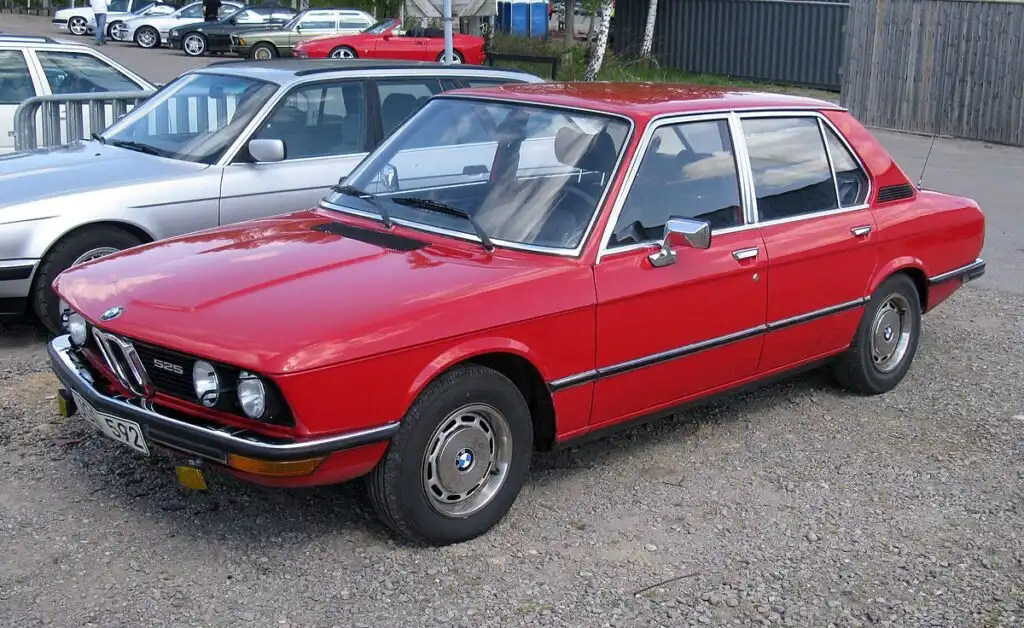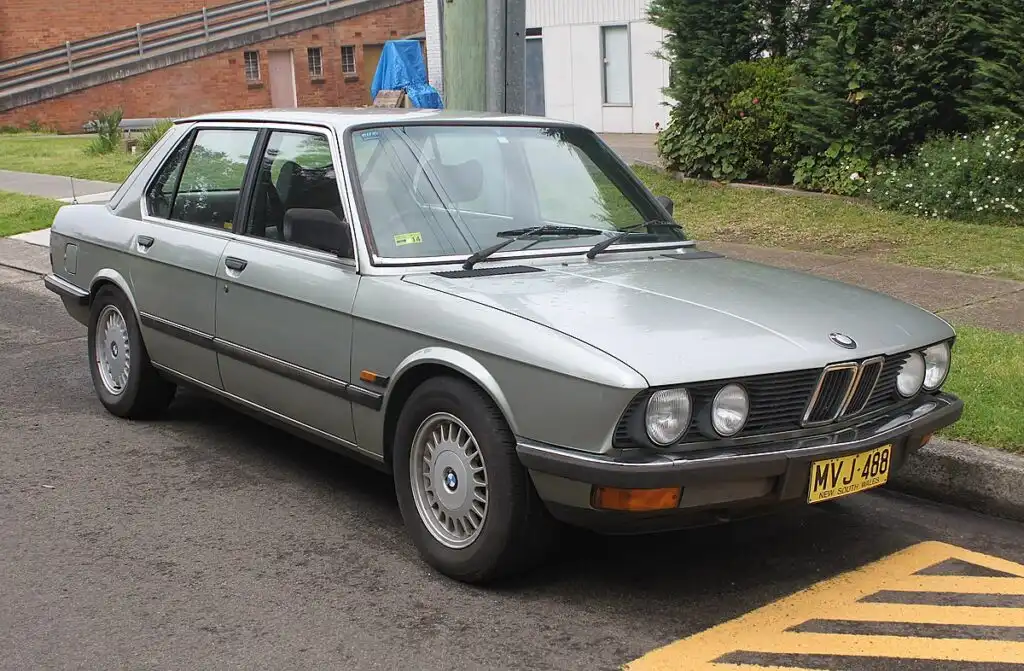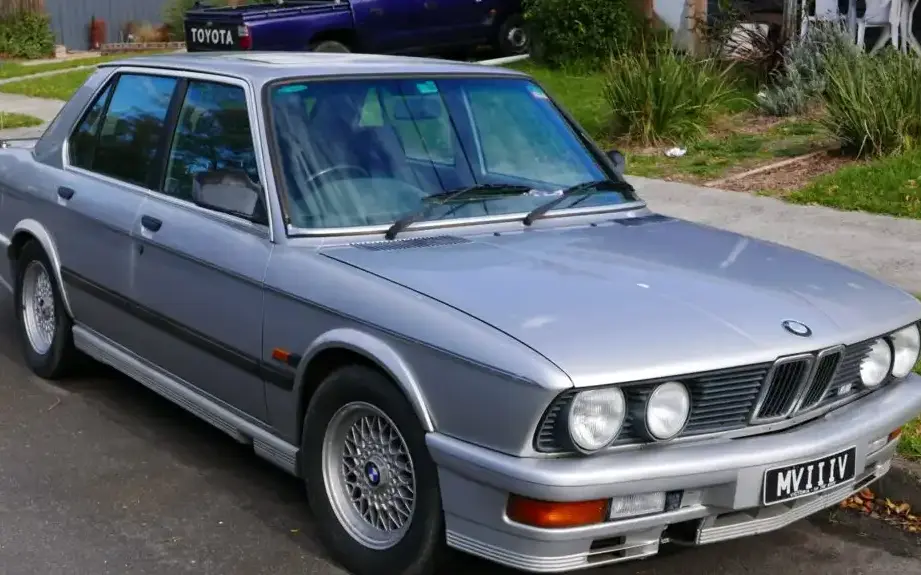
The BMW 5 Series E28 M535i Automatic, produced between 1984 and 1987, represents a pivotal moment in the evolution of BMW’s mid-size sedan. Positioned as a high-performance variant within the E28 generation (1981-1988), the M535i aimed to bridge the gap between the standard 5 Series and the full-fledged M5 that would arrive later. This particular configuration, pairing the 3.4-liter M30B34 engine with a four-speed automatic transmission, offered a blend of luxury, performance, and relative ease of use, appealing to buyers who desired spirited driving without the involvement of a manual gearbox. It was a significant offering in the North American market, where automatics were overwhelmingly preferred.
Technical Specifications
| Brand | BMW |
| Model | 5 Series |
| Generation | 5 Series (E28) |
| Type (Engine) | M535i (218 Hp) Automatic |
| Start of production | 1984 |
| End of production | 1987 |
| Powertrain Architecture | Internal Combustion engine |
| Body type | Sedan |
| Seats | 5 |
| Doors | 4 |
| Fuel consumption (urban) | 16 l/100 km (14.7 US mpg) |
| Fuel consumption (extra urban) | 7.1-8.8 l/100 km (33.1 – 26.7 US mpg) |
| Fuel Type | Petrol (Gasoline) |
| Acceleration 0 – 100 km/h | 8.9 sec |
| Acceleration 0 – 62 mph | 8.9 sec |
| Acceleration 0 – 60 mph | 8.5 sec |
| Maximum speed | 223 km/h (138.57 mph) |
| Weight-to-power ratio | 6 kg/Hp |
| Weight-to-torque ratio | 4.2 kg/Nm |
| Power | 218 Hp @ 5500 rpm |
| Torque | 310 Nm @ 4000 rpm (228.64 lb.-ft. @ 4000 rpm) |
| Engine layout | Front, Longitudinal |
| Engine Model/Code | M30B34 |
| Engine displacement | 3430 cm3 (209.31 cu. in.) |
| Number of cylinders | 6 |
| Engine configuration | Inline |
| Cylinder Bore | 92 mm (3.62 in.) |
| Piston Stroke | 86 mm (3.39 in.) |
| Compression ratio | 10:1 |
| Number of valves per cylinder | 2 |
| Fuel injection system | Multi-port manifold injection |
| Engine aspiration | Naturally aspirated engine |
| Valvetrain | SOHC |
| Engine oil capacity | 5.75 l (6.08 US qt) |
| Coolant | 12 l (12.68 US qt) |
| Kerb Weight | 1315 kg (2899.08 lbs.) |
| Max. weight | 1900 kg (4188.78 lbs.) |
| Max load | 585 kg (1289.7 lbs.) |
| Trunk (boot) space – minimum | 460 l (16.24 cu. ft.) |
| Fuel tank capacity | 70 l (18.49 US gal) |
| Length | 4604 mm (181.26 in.) |
| Width | 1710 mm (67.32 in.) |
| Height | 1397 mm (55 in.) |
| Wheelbase | 2628 mm (103.46 in.) |
| Front track | 1430 mm (56.3 in.) |
| Rear (Back) track | 1460 mm (57.48 in.) |
| Minimum turning circle | 11 m (36.09 ft.) |
| Drivetrain Architecture | Rear wheel drive |
| Number of gears | 4 |
| Gearbox type | Automatic transmission |
| Front suspension | Spring Strut, Transverse stabilizer |
| Rear suspension | Independent coil spring, Transverse stabilizer, Trailing arm |
| Front brakes | Ventilated discs |
| Rear brakes | Disc |
| Assisting systems | ABS (Anti-lock braking system) |
| Steering type | Cone worm with recirculation balls |
| Power steering | Hydraulic Steering |
| Tires size | 220/55 R16 |
| Wheel rims size | 16 |
Powertrain & Engine Architecture
The heart of the M535i Automatic is the M30B34, a 3.4-liter inline-six engine. This engine, a derivative of the standard BMW M30 family, featured a cast iron block and an aluminum cylinder head. It utilized Bosch Motronic fuel injection, a relatively advanced system for its time, and a single overhead camshaft (SOHC) design. The M30B34 differed from its smaller displacement siblings through increased bore size and a higher compression ratio (10:1), contributing to its increased power output. The four-speed automatic transmission, a ZF 4HP22 unit, was chosen for its smoothness and reliability. While not as performance-oriented as a manual transmission, it provided comfortable and effortless cruising, aligning with the car’s grand touring character. The automatic’s gear ratios were tuned to balance acceleration with fuel efficiency, though the M535i Automatic was never intended to be a fuel miser.
Driving Characteristics
The M535i Automatic offered a distinct driving experience compared to the manual transmission version and other 5 Series models. The automatic transmission, while smooth, did introduce a slight performance penalty. Acceleration from 0-60 mph took approximately 8.5 seconds, slightly slower than the manual. However, the automatic provided a more relaxed driving experience, particularly in city traffic. The engine delivered strong torque throughout the rev range, making overtaking effortless. The suspension, tuned for a balance of comfort and handling, provided a stable and controlled ride. The car felt planted and secure, even at higher speeds. Compared to the later M5, the M535i Automatic felt less raw and more refined, prioritizing comfort and usability.
Equipment & Trim Levels
The M535i Automatic came standard with a relatively comprehensive list of features for the mid-1980s. Interior appointments included sport seats upholstered in leather, power windows, power locks, and a sunroof. The dashboard featured a comprehensive instrument cluster with gauges for oil temperature, voltmeter, and fuel economy. Optional extras included air conditioning, a premium sound system, and metallic paint. The trim level was generally consistent across M535i models, with the automatic transmission being the primary differentiator. The interior trim was typically dark wood or black plastic, offering a sophisticated and understated aesthetic.
Chassis & Braking
The E28 chassis was known for its robust construction and balanced handling. The M535i Automatic featured a reinforced suspension compared to standard 5 Series models, including thicker stabilizer bars and stiffer springs. The front suspension utilized MacPherson struts, while the rear employed a semi-trailing arm independent suspension. Braking duties were handled by ventilated discs at the front and solid discs at the rear. An Anti-lock Braking System (ABS) was standard, enhancing safety and control during hard braking. The car’s weight distribution was nearly 50/50, contributing to its neutral handling characteristics.
Market Reception & Comparison
The M535i Automatic received generally positive reviews from automotive journalists. Critics praised its powerful engine, comfortable ride, and refined interior. However, some noted that the automatic transmission detracted slightly from the car’s overall performance potential. Compared to the 535i with a manual transmission, the automatic version was seen as more suitable for long-distance cruising and everyday driving. Fuel economy was reasonable for a performance sedan of its era, averaging around 17 mpg in combined driving. Reliability was generally good, although the M30 engine was known to be susceptible to cooling system issues if not properly maintained.
Legacy
The BMW E28 M535i Automatic holds a respected place in automotive history. It served as a precursor to the iconic M5, demonstrating BMW’s commitment to high-performance sedans. Today, well-maintained examples are highly sought after by collectors and enthusiasts. The M30B34 engine is known for its durability and tunability, making it a popular choice for restoration projects. While the automatic transmission may not be preferred by purists, it remains a viable option for those seeking a comfortable and refined classic BMW. The car’s blend of performance, luxury, and build quality ensures its continued appeal for years to come. Finding one in excellent condition is becoming increasingly difficult, driving up values in the classic car market.