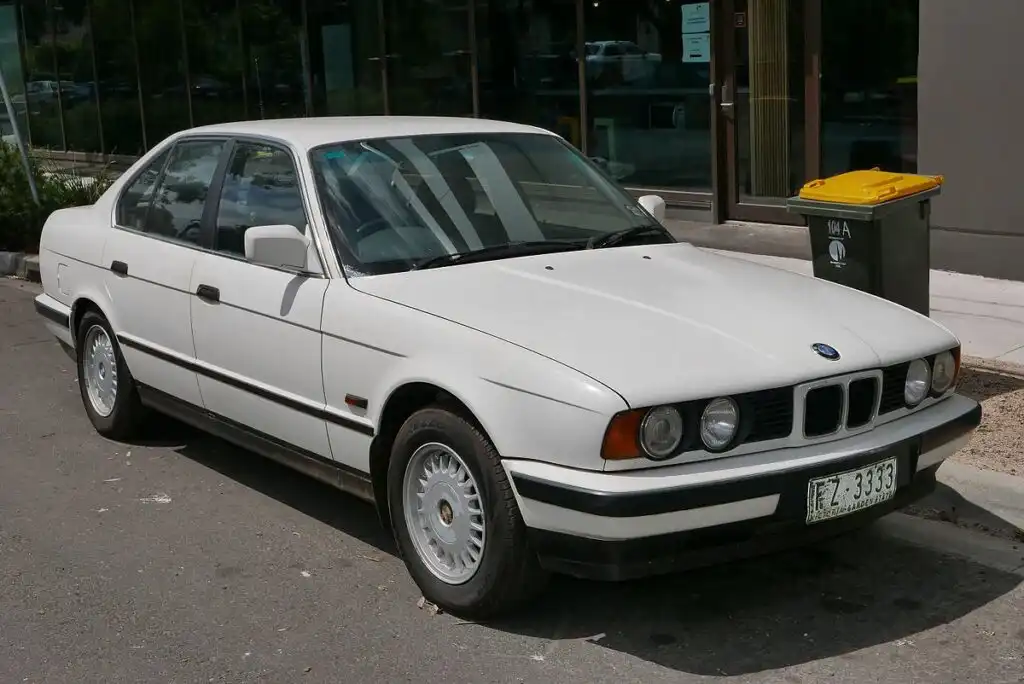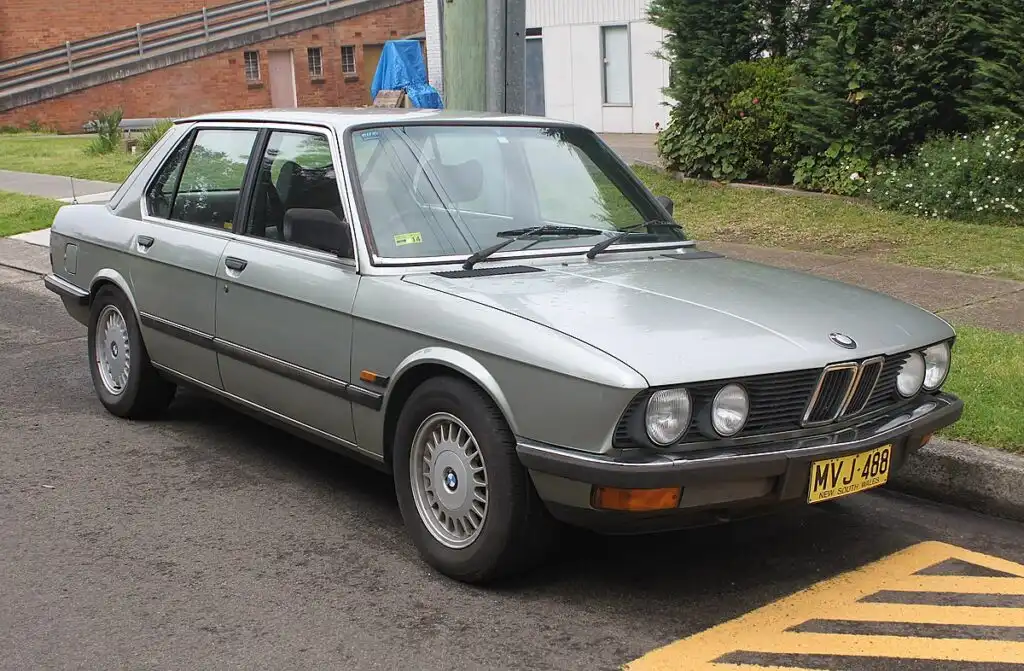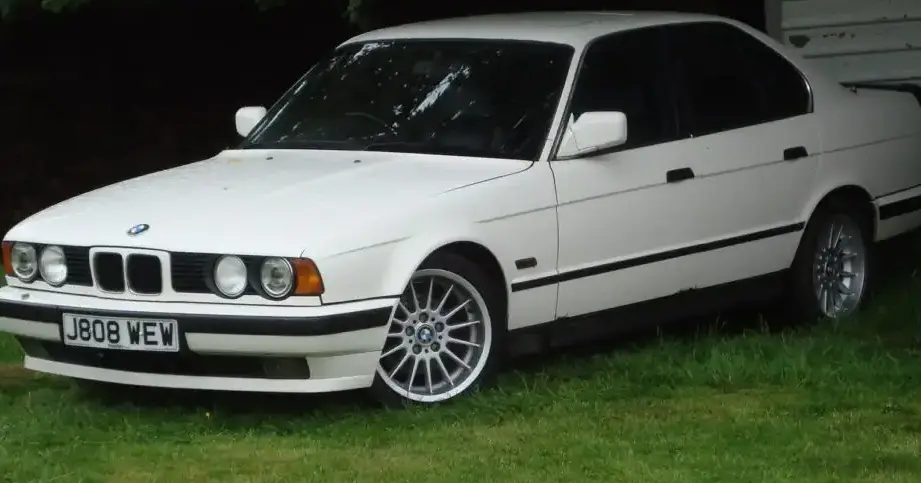
The BMW 5 Series E34 520i, produced between 1988 and 1991, represented the entry point into the highly successful E34 generation of BMW’s mid-size executive car. Positioned below the 525i and 535i/540i models, the 520i offered a balance of BMW’s renowned driving dynamics with improved fuel efficiency and a lower price point. It was a popular choice for buyers seeking a premium sedan without the higher running costs associated with the larger-displacement engines. The E34 platform itself was a significant leap forward for BMW, introducing advancements in chassis technology, safety features, and overall refinement compared to its E28 predecessor.
Technical Specifications
| Brand | BMW |
| Model | 5 Series |
| Generation | 5 Series (E34) |
| Type (Engine) | 520i (129 Hp) |
| Start of production | 1988 |
| End of production | 1991 |
| Powertrain Architecture | Internal Combustion engine |
| Body type | Sedan |
| Seats | 5 |
| Doors | 4 |
| Fuel consumption (urban) | 13.6 l/100 km (17.3 US mpg) |
| Fuel consumption (extra urban) | 9.2 l/100 km (25.6 US mpg) |
| Fuel Type | Petrol (Gasoline) |
| Acceleration 0 – 100 km/h | 11.9 sec |
| Acceleration 0 – 62 mph | 11.9 sec |
| Acceleration 0 – 60 mph | 11.3 sec |
| Maximum speed | 203 km/h (126.14 mph) |
| Weight-to-power ratio | 10.9 kg/Hp |
| Weight-to-torque ratio | 8.5 kg/Nm |
| Power | 129 Hp @ 6000 rpm |
| Torque | 164 Nm @ 4300 rpm (120.96 lb.-ft. @ 4300 rpm) |
| Engine layout | Front, Longitudinal |
| Engine Model/Code | M20B20 |
| Engine displacement | 1990 cm3 (121.44 cu. in.) |
| Number of cylinders | 6 |
| Engine configuration | Inline |
| Compression ratio | 8.8:1 |
| Number of valves per cylinder | 2 |
| Engine oil capacity | 4.25 l (4.49 US qt | 3.74 UK qt) |
| Coolant capacity | 10.5 l (11.1 US qt | 9.24 UK qt) |
| Kerb Weight | 1400 kg (3086.47 lbs) |
| Max. weight | 1910 kg (4210.83 lbs) |
| Max load | 510 kg (1124.36 lbs) |
| Trunk (boot) space – minimum | 460 l (16.24 cu. ft.) |
| Fuel tank capacity | 80 l (21.13 US gal | 17.6 UK gal) |
| Length | 4720 mm (185.83 in) |
| Width | 1751 mm (68.94 in) |
| Height | 1412 mm (55.59 in) |
| Wheelbase | 2761 mm (108.7 in) |
| Minimum turning circle | 11 m (36.09 ft) |
| Drivetrain Architecture | Rear wheel drive |
| Number of gears | 5 gears, manual transmission |
| Front suspension | Wishbone |
| Rear suspension | Spring Strut |
| Front brakes | Disc |
| Rear brakes | Disc |
| Power steering | Hydraulic Steering |
| Tires size | 195/65 R15 |
| Wheel rims size | 15 |
Powertrain & Engine Architecture
The heart of the 520i was the M20B20, a 2.0-liter inline-six cylinder engine. This engine was a development of BMW’s long-running M20 series, known for its smooth power delivery and robust construction. The M20B20 featured a cast iron block and an aluminum cylinder head, employing a single overhead camshaft (SOHC) design with two valves per cylinder. Fuel injection was handled by a Bosch Motronic system, providing precise fuel metering for improved efficiency and reduced emissions. The engine produced 129 horsepower at 6000 rpm and 164 Nm (120.96 lb-ft) of torque at 4300 rpm. The 520i was exclusively offered with a 5-speed manual transmission, providing a direct connection between the engine and the rear wheels. This transmission was known for its precise shift quality and durability.
Driving Characteristics
The 520i, with its 2.0-liter engine and manual transmission, offered a distinctly different driving experience compared to its larger-engined siblings. While not as overtly powerful as the 525i or 535i, the 520i provided a more nimble and engaging feel. The lower weight over the front axle contributed to improved steering response and cornering balance. Acceleration was adequate for everyday driving, with a 0-60 mph time of around 11.3 seconds. The engine’s torque curve was relatively flat, providing usable power across a wide range of engine speeds. The 5-speed manual transmission allowed drivers to fully exploit the engine’s capabilities, while the gear ratios were well-matched for both city and highway driving. Compared to the automatic transmissions offered in other 5 Series models, the manual gearbox in the 520i provided a more direct and sporty driving experience.
Equipment & Trim Levels
The 520i typically came standard with a respectable level of equipment, reflecting BMW’s commitment to providing a premium driving experience. Standard features included power windows, central locking, a basic stereo system, and cloth upholstery. The interior design was functional and well-built, with a focus on ergonomics. Optional extras included leather upholstery, a sunroof, air conditioning, and upgraded audio systems. Trim levels were relatively simple, with most variations stemming from the addition of optional packages. The 520i’s interior was generally more restrained than that of the higher-spec models, reflecting its position as the entry-level variant.
Chassis & Braking
The E34 5 Series featured a sophisticated chassis design that contributed significantly to its handling prowess. The front suspension utilized a MacPherson strut setup with a stabilizer bar, while the rear suspension employed a semi-trailing arm design. This configuration provided a good balance of ride comfort and handling precision. The 520i was equipped with disc brakes on all four wheels, providing ample stopping power. Power-assisted steering was standard, offering a light and precise steering feel. The chassis was designed to be relatively lightweight, contributing to the car’s agility. The 520i’s suspension tuning was generally softer than that of the higher-performance models, prioritizing ride comfort over outright handling.
Market Reception & Comparison
The 520i was generally well-received by automotive critics, who praised its balanced driving dynamics, fuel efficiency, and relatively affordable price. It was seen as a sensible choice for buyers who wanted a premium sedan without the expense of the larger-engined models. Compared to the 525i, the 520i offered slightly better fuel economy but less outright performance. The 525i, with its larger 2.5-liter engine, provided a more exhilarating driving experience but at the cost of increased fuel consumption. In terms of reliability, the M20B20 engine was generally considered to be very durable, although regular maintenance was essential. The 520i’s simpler equipment level also meant there were fewer potential points of failure compared to the more heavily optioned models.
Legacy
The E34 520i has developed a strong following among BMW enthusiasts. The M20B20 engine is known for its longevity and relatively simple maintenance requirements. Today, well-maintained examples of the 520i are sought after by collectors and enthusiasts who appreciate the car’s classic styling and engaging driving dynamics. While not as highly valued as the 535i or 540i, the 520i offers a more affordable entry point into the E34 ownership experience. The car’s robust construction and readily available parts supply ensure that it will continue to be enjoyed by enthusiasts for years to come. The E34 520i remains a testament to BMW’s engineering prowess and its commitment to building high-quality, driver-focused automobiles.