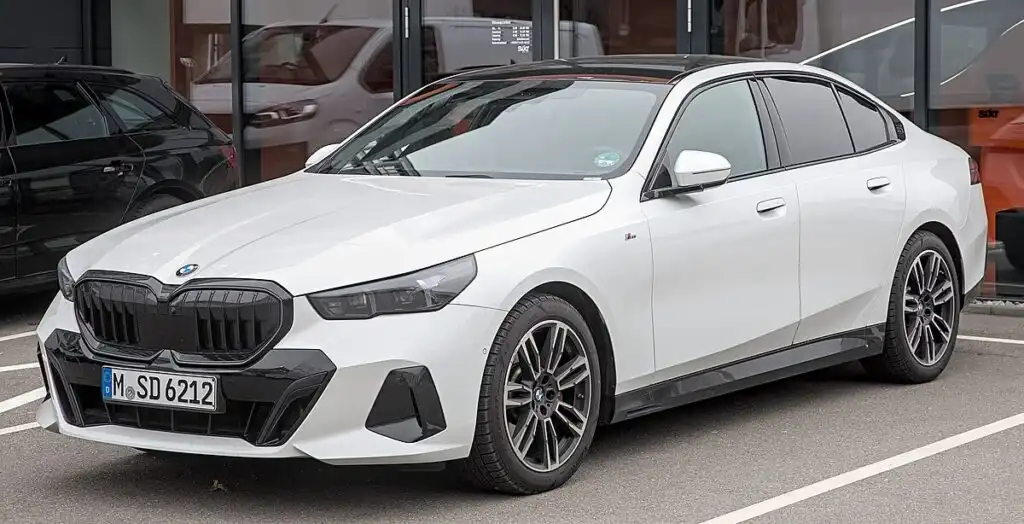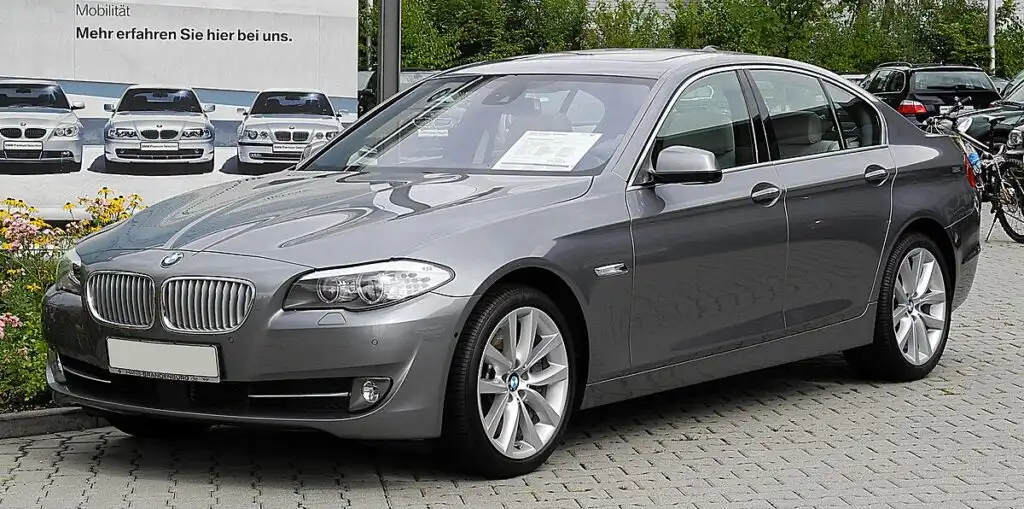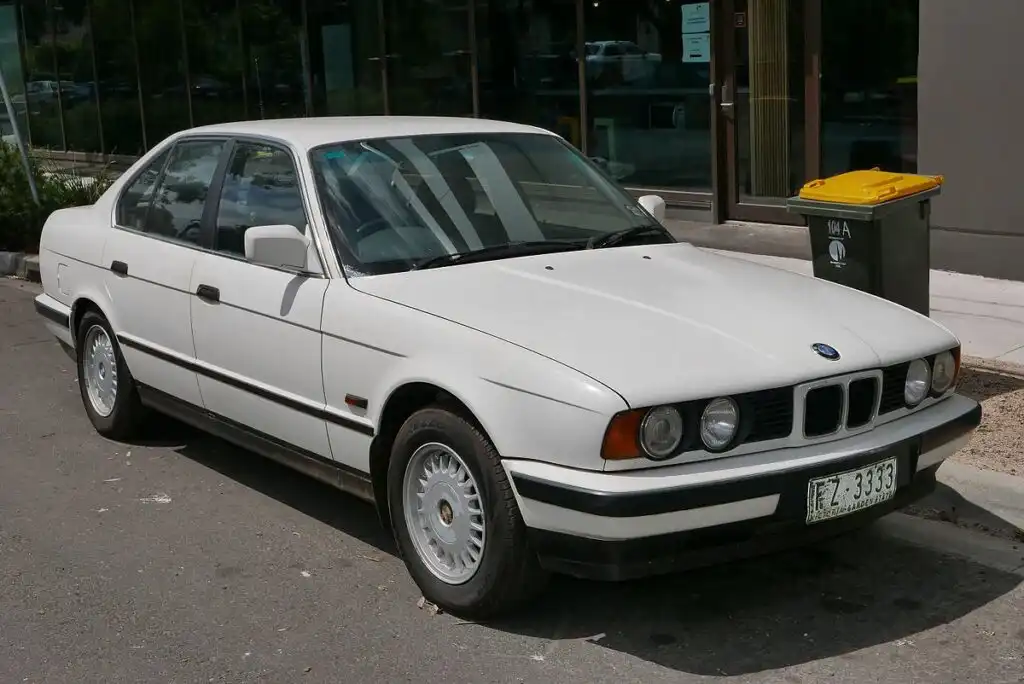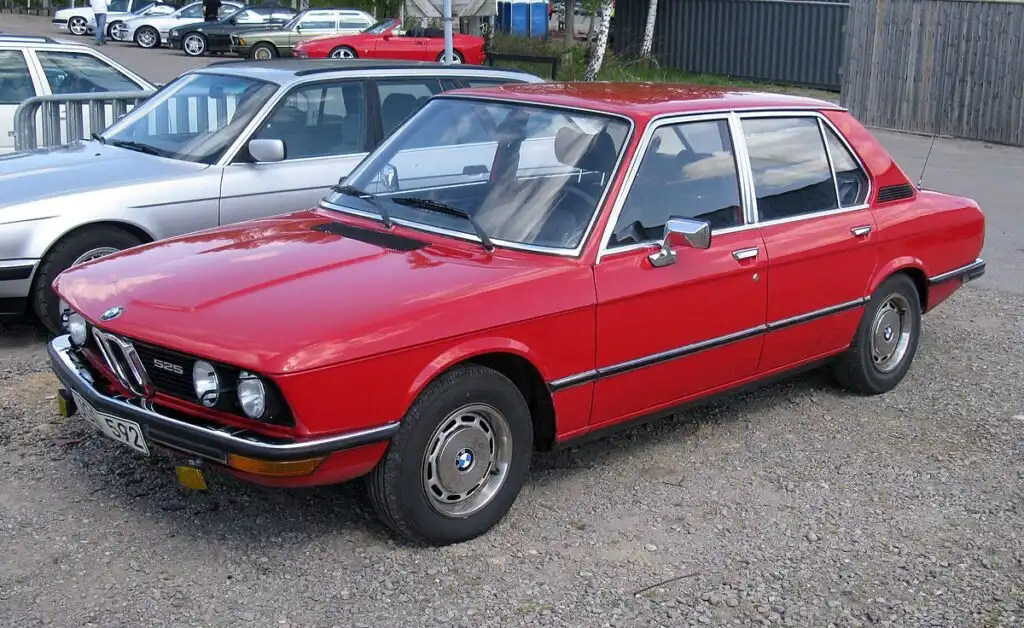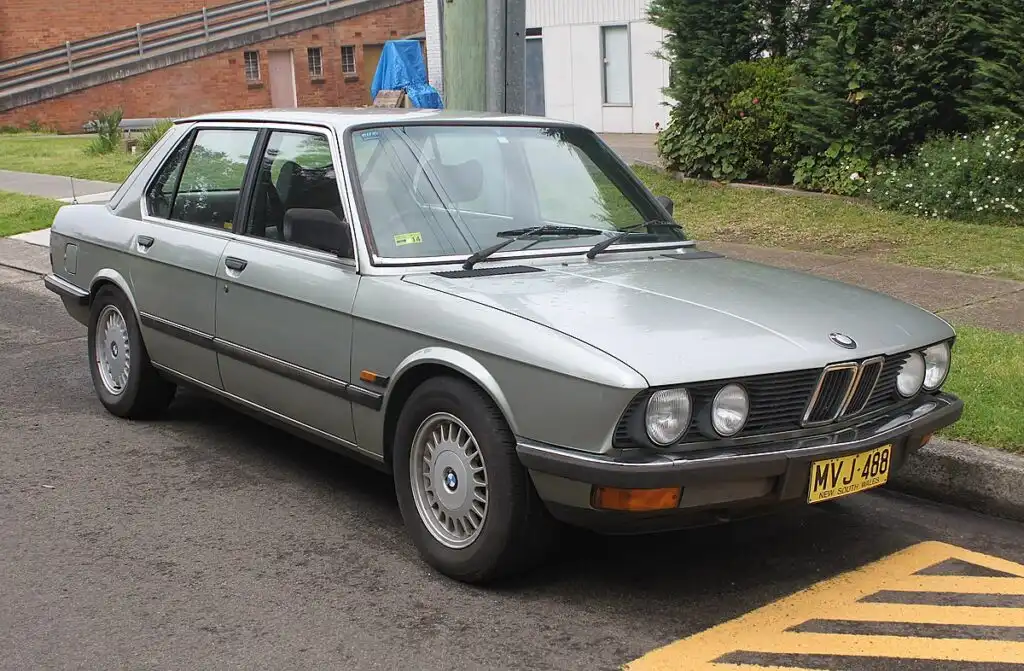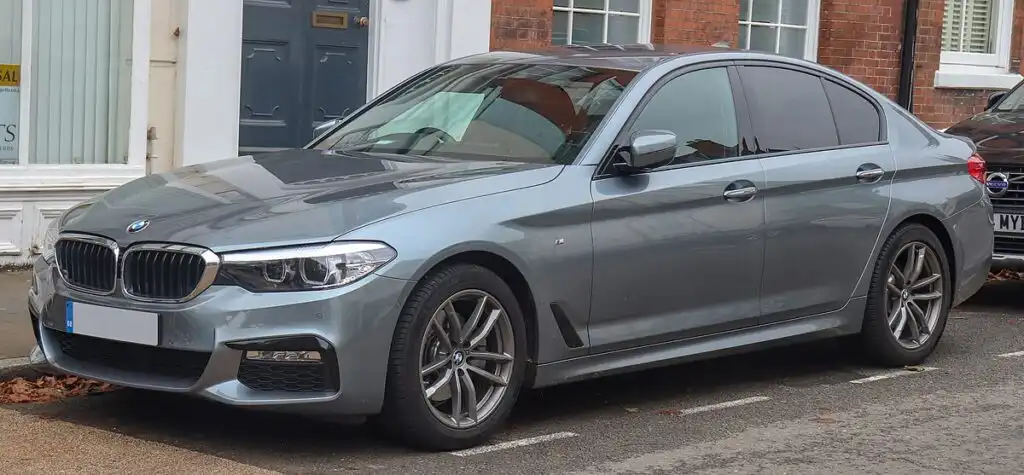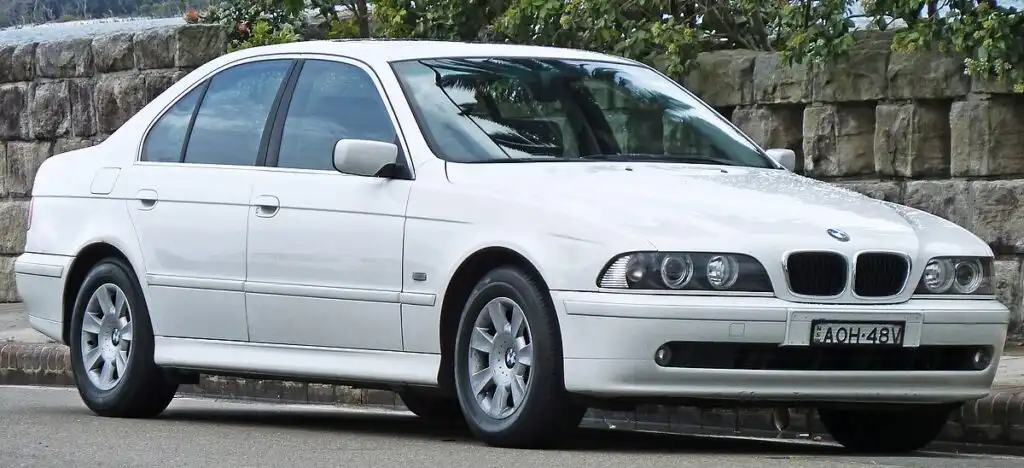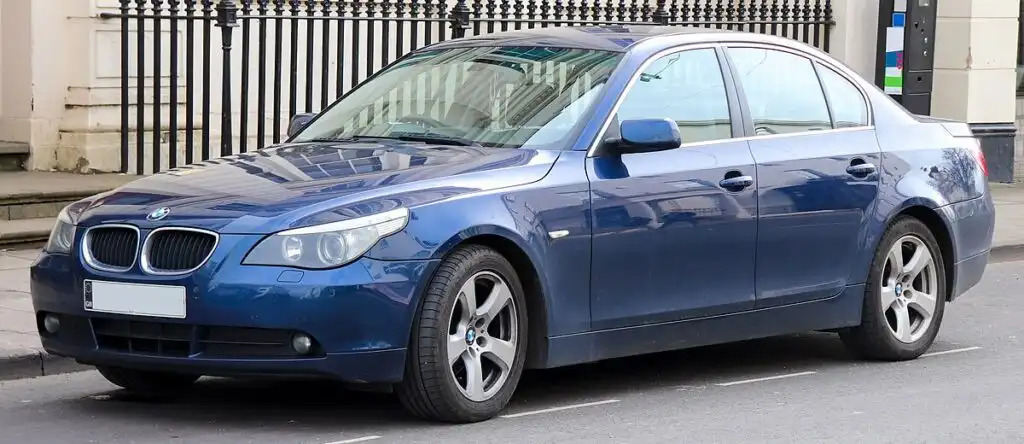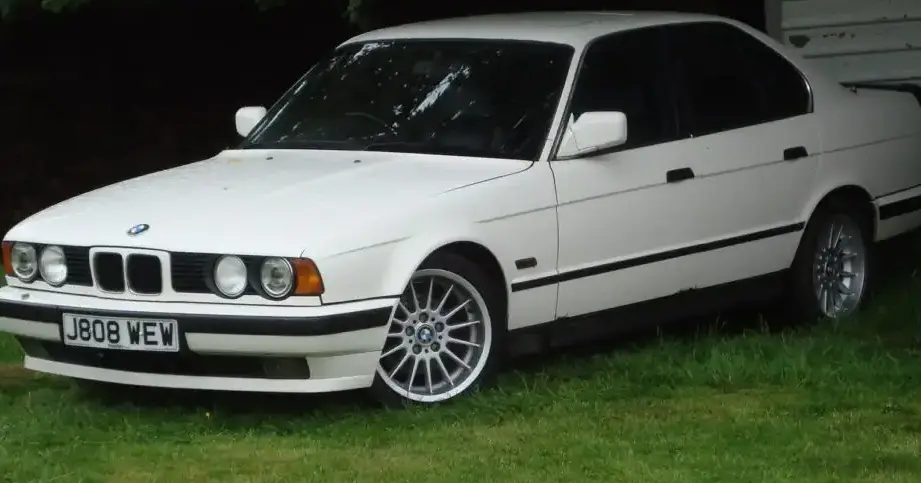
The BMW 5 Series E34 530i, produced between 1988 and 1991, represents a pivotal point in the evolution of BMW’s mid-size executive sedan. Positioned as a higher-performance variant within the E34 generation (which spanned 1988-1996), the 530i offered a significant step up in power and refinement compared to the base 525i models. It served as a bridge between the more economical options and the flagship 540i, appealing to drivers seeking a blend of performance and luxury. The E34 platform itself was a substantial leap forward for BMW, introducing advancements in chassis technology, engine design, and overall build quality.
Technical Specifications
| Brand | BMW |
| Model | 5 Series |
| Generation | 5 Series (E34) |
| Type (Engine) | 530i (188 Hp) |
| Start of production | 1988 |
| End of production | 1991 |
| Powertrain Architecture | Internal Combustion engine |
| Body type | Sedan |
| Seats | 5 |
| Doors | 4 |
| Fuel consumption (urban) | 15.9 l/100 km (14.8 US mpg, 17.8 UK mpg, 6.3 km/l) |
| Fuel Type | Petrol (Gasoline) |
| Acceleration 0 – 100 km/h | 8.5 sec |
| Acceleration 0 – 62 mph | 8.5 sec |
| Acceleration 0 – 60 mph | 8.1 sec |
| Maximum speed | 227 km/h (141.05 mph) |
| Weight-to-power ratio | 8 kg/Hp, 124.5 Hp/tonne |
| Weight-to-torque ratio | 5.8 kg/Nm, 172.2 Nm/tonne |
| Power | 188 Hp @ 5800 rpm |
| Power per litre | 63 Hp/l |
| Torque | 260 Nm @ 4300 rpm (191.77 lb.-ft. @ 4300 rpm) |
| Engine layout | Front, Longitudinal |
| Engine Model/Code | M30B30 |
| Engine displacement | 2986 cm3 (182.22 cu. in.) |
| Number of cylinders | 6 |
| Engine configuration | Inline |
| Compression ratio | 9:1 |
| Number of valves per cylinder | 2 |
| Engine aspiration | Naturally aspirated |
| Engine oil capacity | 5.75 l (6.08 US qt | 5.06 UK qt) |
| Coolant capacity | 12 l (12.68 US qt | 10.56 UK qt) |
| Kerb Weight | 1510 kg (3328.98 lbs) |
| Max. weight | 2020 kg (4453.34 lbs) |
| Max load | 510 kg (1124.36 lbs) |
| Trunk (boot) space – minimum | 460 l (16.24 cu. ft.) |
| Fuel tank capacity | 80 l (21.13 US gal | 17.6 UK gal) |
| Length | 4720 mm (185.83 in) |
| Width | 1751 mm (68.94 in) |
| Height | 1412 mm (55.59 in) |
| Wheelbase | 2761 mm (108.7 in) |
| Minimum turning circle | 11 m (36.09 ft) |
| Drivetrain Architecture | Rear wheel drive |
| Number of gears | 5 |
| Gearbox type | Manual transmission |
| Assisting systems | ABS (Anti-lock braking system), Hydraulic Power Steering |
| Tires size | 195/65 R15 |
| Wheel rims size | 15 |
Powertrain & Engine Architecture
The heart of the 530i is the M30B30 engine, a 3.0-liter inline-six cylinder powerplant. This engine is a descendant of BMW’s long-running M30 family, known for its smoothness and durability. The B30 variant featured a Bosch Motronic fuel injection system, managing fuel delivery and ignition timing for optimal performance and emissions. The engine utilized a single overhead camshaft (SOHC) design with two valves per cylinder. This configuration, while not as technologically advanced as later DOHC BMW engines, provided a good balance of power, reliability, and cost. The M30B30 produced 188 horsepower at 5800 rpm and 260 Nm (191.77 lb-ft) of torque at 4300 rpm. The engine’s longitudinal mounting and rear-wheel-drive configuration were hallmarks of BMW’s engineering philosophy at the time. The 5-speed manual transmission was standard, providing precise gear changes and enhancing the driving experience.
Driving Characteristics
The 530i with the 5-speed manual transmission offered a noticeably more engaging driving experience than the base 525i. The increased power and torque of the M30B30 engine provided brisk acceleration, with a 0-60 mph time of around 8.1 seconds. While not a sports car by modern standards, the 530i felt quick and responsive for its era. The manual gearbox allowed drivers to fully exploit the engine’s powerband, while the rear-wheel-drive layout contributed to balanced handling. The gear ratios were well-chosen, providing strong acceleration in each gear. Compared to the later automatic transmission options, the manual version offered a more direct connection to the engine and a more involving driving experience.
Equipment & Trim Levels
The 530i typically came well-equipped, reflecting its position as a premium model. Standard features included power windows, power locks, a sunroof, and air conditioning. Interior upholstery was typically cloth, but leather was available as an option. The dashboard layout was functional and driver-focused, with clear instrumentation and logically placed controls. Optional extras included a premium sound system, heated seats, and a trip computer. The trim level could vary depending on the market, but generally, the 530i offered a higher level of refinement and comfort than the lower-spec 525i models.
Chassis & Braking
The E34 5 Series featured a sophisticated chassis design for its time. It utilized independent suspension all around, with MacPherson struts at the front and semi-trailing arms at the rear. This setup provided a comfortable ride while maintaining good handling characteristics. The 530i typically came equipped with disc brakes on all four wheels, providing ample stopping power. Anti-lock braking system (ABS) was standard, enhancing safety. Stabilizer bars were fitted front and rear to reduce body roll during cornering. The chassis was designed to be rigid and durable, contributing to the car’s overall stability and handling.
Market Reception & Comparison
The 530i was generally well-received by automotive critics. It was praised for its smooth engine, refined ride, and balanced handling. Compared to the 525i, the 530i offered a significant performance upgrade, making it a more appealing choice for drivers who enjoyed spirited driving. However, it was also more expensive than the 525i. The 540i, with its larger V8 engine, offered even more performance, but at a considerably higher price point. Fuel economy was reasonable for a car of its size and performance, but not exceptional. Reliability was generally good, although maintenance costs could be higher than for some other vehicles in its class.
Legacy
The E34 530i has become a sought-after classic among BMW enthusiasts. The M30B30 engine is known for its durability and relatively simple maintenance requirements. Well-maintained examples are becoming increasingly rare and valuable. The car’s combination of performance, luxury, and classic BMW styling has made it a favorite among collectors and drivers alike. While modern cars offer significantly more power and technology, the E34 530i remains a rewarding and engaging driving experience, representing a high point in BMW’s engineering history. Finding a rust-free example is key, as corrosion can be a significant issue with these older vehicles. Parts availability is generally good, although some specific components may be difficult to source.