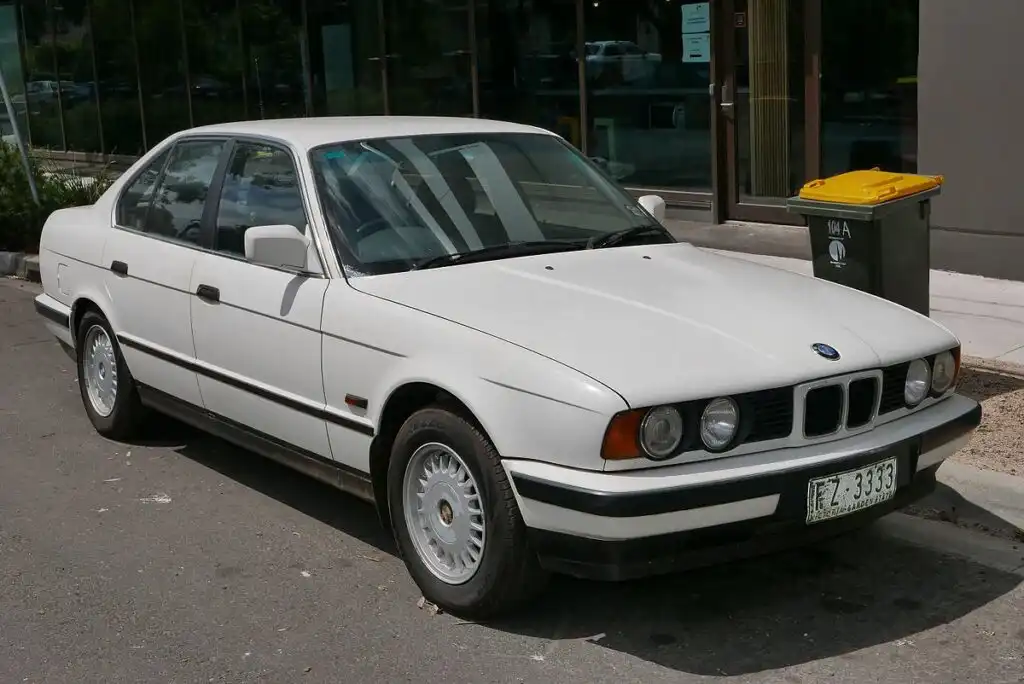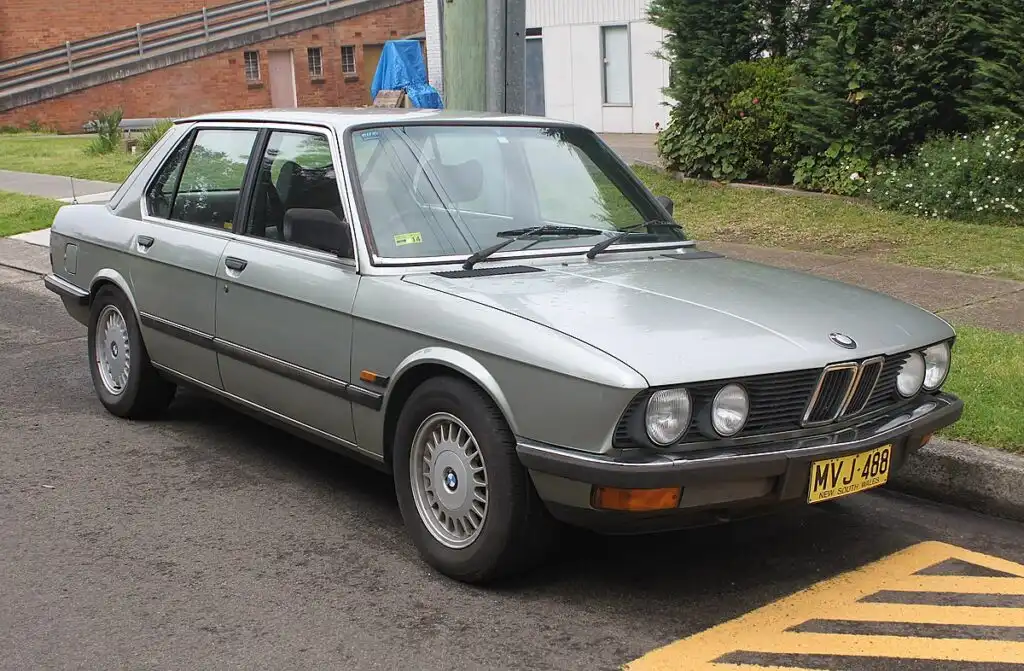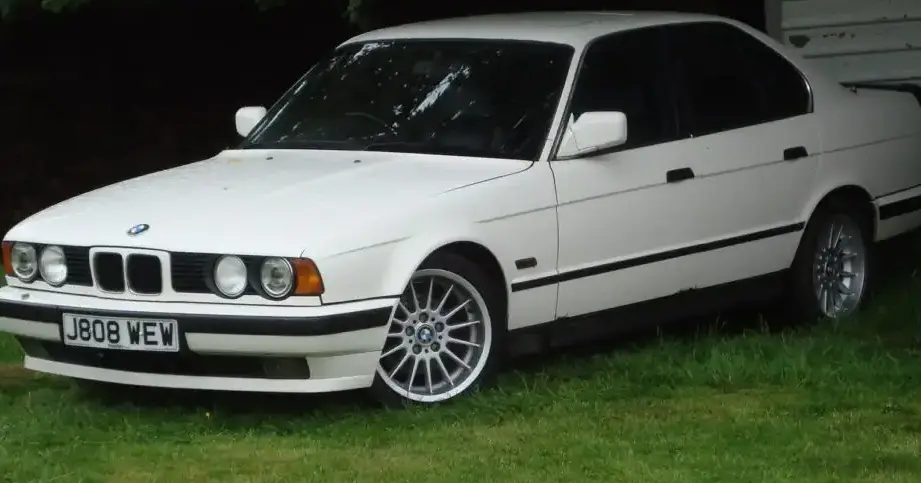
The BMW 5 Series E34 530i V8, produced between 1992 and 1995, represents a high-performance variant within the second generation of the 5 Series (E34) executive car. Positioned as a premium offering, it distinguished itself from the four-cylinder and six-cylinder models through its potent V8 engine and refined driving experience. The E34 generation, launched in 1988, was a significant step forward for BMW, establishing a new benchmark for handling, build quality, and technological sophistication in the mid-size luxury segment. The 530i V8 was primarily marketed in Europe and North America, appealing to buyers seeking a blend of performance and luxury.
Technical Specifications
| Brand | BMW |
| Model | 5 Series |
| Generation | 5 Series (E34) |
| Type (Engine) | 530i V8 (218 Hp) |
| Start of production | 1992 |
| End of production | 1995 |
| Powertrain Architecture | Internal Combustion engine |
| Body type | Sedan |
| Seats | 5 |
| Doors | 4 |
| Fuel consumption (combined) | 10.8 l/100 km |
| Fuel consumption (US mpg) | 21.8 US mpg |
| Fuel consumption (UK mpg) | 26.2 UK mpg |
| Fuel consumption (km/l) | 9.3 km/l |
| Fuel Type | Petrol (Gasoline) |
| Acceleration 0 – 100 km/h | 7.7 sec |
| Acceleration 0 – 62 mph | 7.7 sec |
| Acceleration 0 – 60 mph | 7.3 sec |
| Maximum speed | 235 km/h (146.02 mph) |
| Weight-to-power ratio | 7.2 kg/Hp |
| Weight-to-torque ratio | 5.4 kg/Nm |
| Power | 218 Hp @ 5800 rpm |
| Power per litre | 72.7 Hp/l |
| Torque | 290 Nm @ 4500 rpm (213.89 lb.-ft. @ 4500 rpm) |
| Engine layout | Front, Longitudinal |
| Engine Model/Code | M60B30 |
| Engine displacement | 2997 cm3 (182.89 cu. in.) |
| Number of cylinders | 8 |
| Engine configuration | V-engine |
| Cylinder Bore | 84 mm (3.31 in.) |
| Piston Stroke | 67.6 mm (2.66 in.) |
| Compression ratio | 10.5:1 |
| Number of valves per cylinder | 4 |
| Fuel injection system | Multi-port manifold injection |
| Engine aspiration | Naturally aspirated engine |
| Valvetrain | DOHC |
| Engine oil capacity | 7.5 l (7.93 US qt | 6.6 UK qt) |
| Coolant capacity | 12.5 l (13.21 US qt | 11 UK qt) |
| Kerb Weight | 1565 kg (3450.23 lbs.) |
| Max. weight | 2075 kg (4574.59 lbs.) |
| Max load | 510 kg (1124.36 lbs.) |
| Trunk (boot) space – minimum | 460 l (16.24 cu. ft.) |
| Fuel tank capacity | 80 l (21.13 US gal | 17.6 UK gal) |
| Length | 4720 mm (185.83 in.) |
| Width | 1751 mm (68.94 in.) |
| Height | 1412 mm (55.59 in.) |
| Wheelbase | 2761 mm (108.7 in.) |
| Front track | 1470 mm (57.87 in.) |
| Rear (Back) track | 1495 mm (58.86 in.) |
| Drivetrain Architecture | Rear wheel drive |
| Drive wheel | Rear wheel drive |
| Number of gears | 5 gears, manual transmission |
| Front suspension | Wishbone |
| Rear suspension | Spring Strut |
| Front brakes | Ventilated discs |
| Rear brakes | Disc |
| Assisting systems | ABS (Anti-lock braking system) |
| Power steering | Hydraulic Steering |
| Tires size | 225/60 R15 |
| Wheel rims size | 15 |
Powertrain & Engine Architecture
The heart of the 530i V8 is the M60B30 engine, a 3.0-liter naturally aspirated V8. This engine, a cornerstone of BMW’s engineering prowess in the early 1990s, featured all-aluminum construction, a significant weight-saving measure for the time. It employed a dual overhead camshaft (DOHC) valvetrain with four valves per cylinder, optimizing airflow for increased power output. Fuel delivery was managed by a Bosch Motronic multi-port fuel injection system, ensuring precise fuel metering and efficient combustion. The M60B30 produced 218 horsepower at 5800 rpm and 290 Nm (213.89 lb-ft) of torque at 4500 rpm. The engine’s longitudinal mounting and rear-wheel-drive configuration were typical of BMW’s performance-oriented designs. The standard transmission was a 5-speed manual, although a 4-speed automatic transmission was also available, albeit impacting acceleration slightly.
Driving Characteristics
The 530i V8 offered a distinctly different driving experience compared to the four and six-cylinder E34 models. The V8 engine provided smooth, linear power delivery, with ample torque available throughout the rev range. This resulted in effortless cruising and strong acceleration. While the 0-60 mph time of around 7.3 seconds (with manual transmission) wasn’t groundbreaking by modern standards, it was competitive for its era. The manual transmission offered precise shifts and enhanced driver engagement, while the automatic provided convenience, though at the expense of some responsiveness. The E34’s well-tuned suspension, featuring independent wishbone front suspension and a semi-trailing arm rear suspension, contributed to excellent handling and ride comfort. The car felt planted and stable, even at higher speeds.
Equipment & Trim Levels
The 530i V8 was generally well-equipped, reflecting its position as a premium model. Standard features included power windows, power locks, a sunroof, and air conditioning. Leather upholstery was common, and options such as heated front seats, a premium sound system, and automatic climate control were available. The interior design was functional and elegant, with a focus on driver ergonomics. The dashboard layout was clean and straightforward, with easy-to-read gauges. Exterior styling was understated yet sporty, with a subtle rear spoiler and alloy wheels.
Chassis & Braking
The E34 530i V8 utilized a robust chassis designed for both comfort and handling. The front suspension employed a MacPherson strut design with a wishbone, while the rear featured a semi-trailing arm setup. This configuration provided a good balance between ride quality and cornering stability. Braking duties were handled by ventilated disc brakes at the front and solid discs at the rear. Anti-lock Braking System (ABS) was standard, enhancing safety and control during hard braking. The steering was hydraulic power-assisted, providing precise and responsive steering feel.
Market Reception & Comparison
The 530i V8 was generally well-received by automotive critics, who praised its powerful engine, refined handling, and luxurious interior. However, its relatively high price and fuel consumption were noted drawbacks. Compared to the 525i (with its inline-six engine), the 530i V8 offered significantly more power and a more luxurious experience, but at a higher cost. The 525i was often seen as a more practical and economical choice for everyday driving. The 530i V8 also stood apart from the diesel-powered 525td, which prioritized fuel efficiency over performance.
Legacy
The BMW E34 530i V8 remains a sought-after classic car among enthusiasts. The M60B30 engine is known for its durability and relatively straightforward maintenance, although parts availability can be a challenge. Well-maintained examples command a premium in the used car market. The E34 generation as a whole is celebrated for its timeless design, engaging driving dynamics, and overall build quality. The 530i V8, in particular, represents a high point in BMW’s engineering history, offering a unique blend of performance, luxury, and driving pleasure.