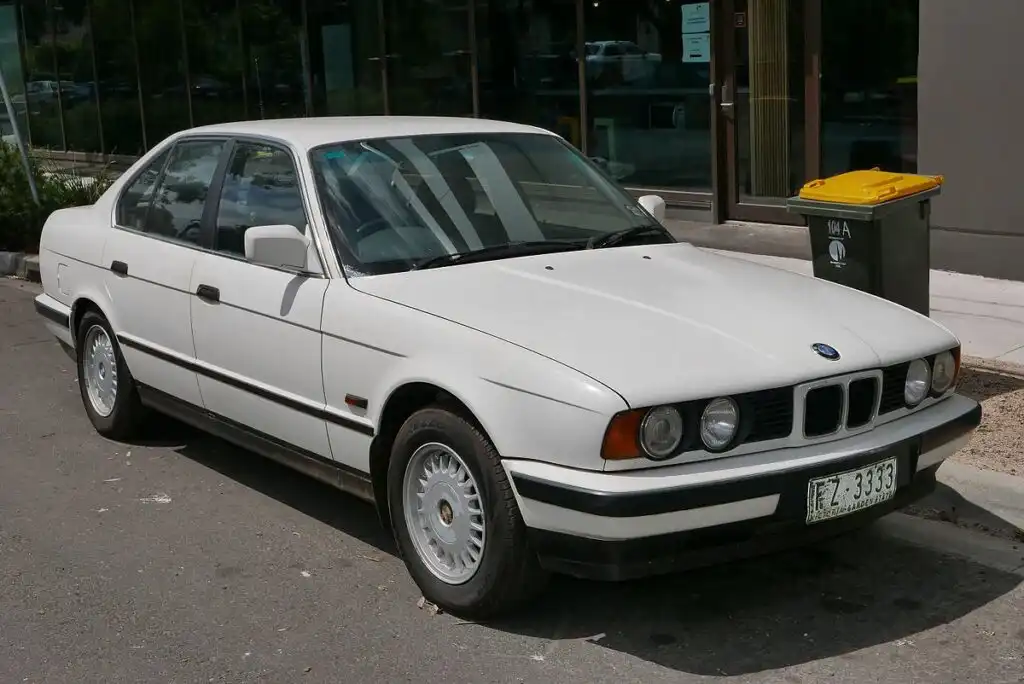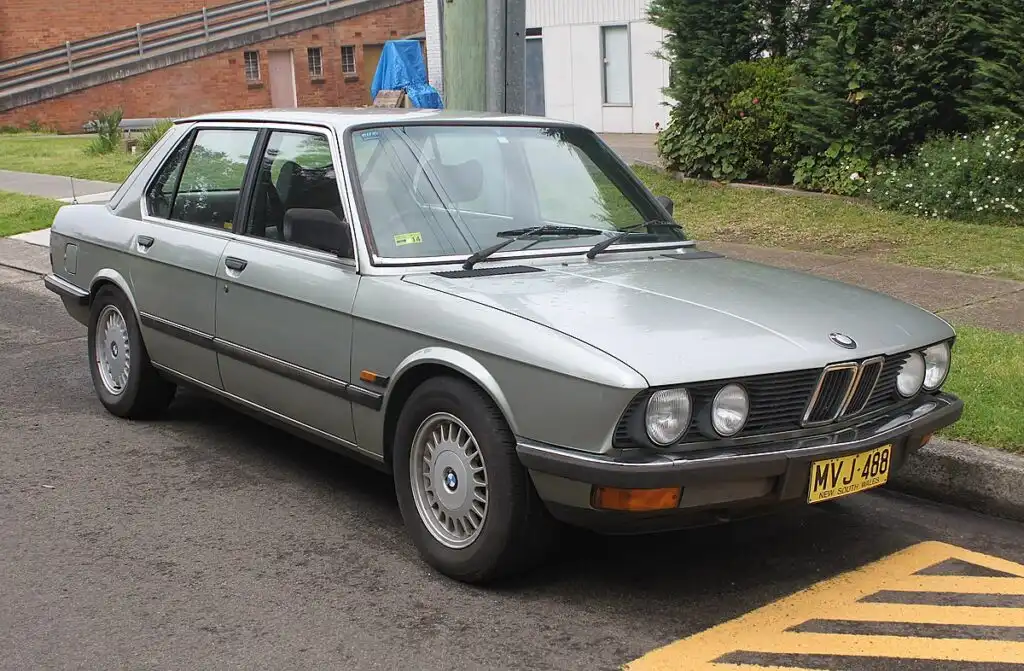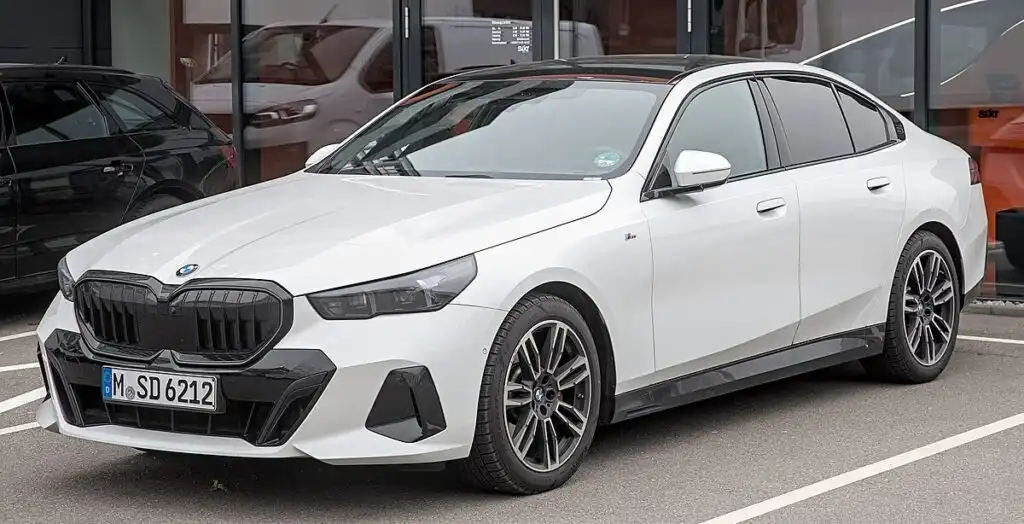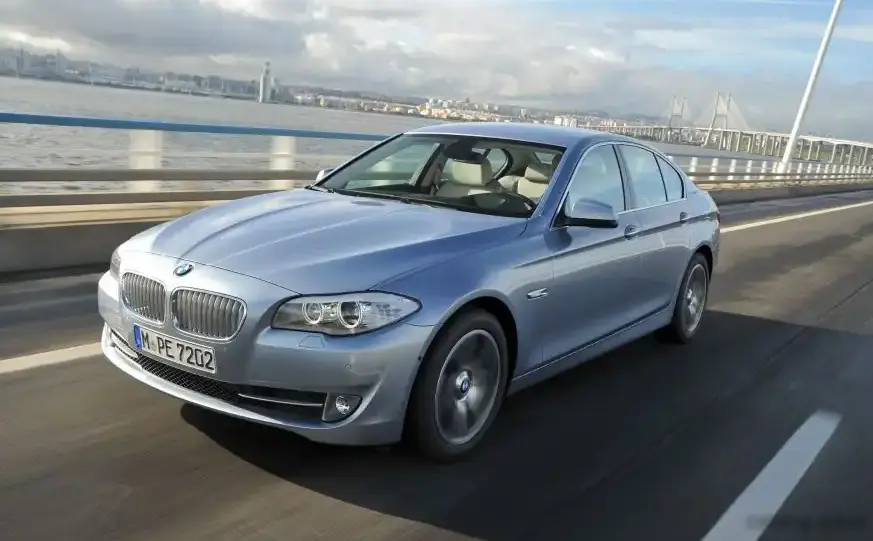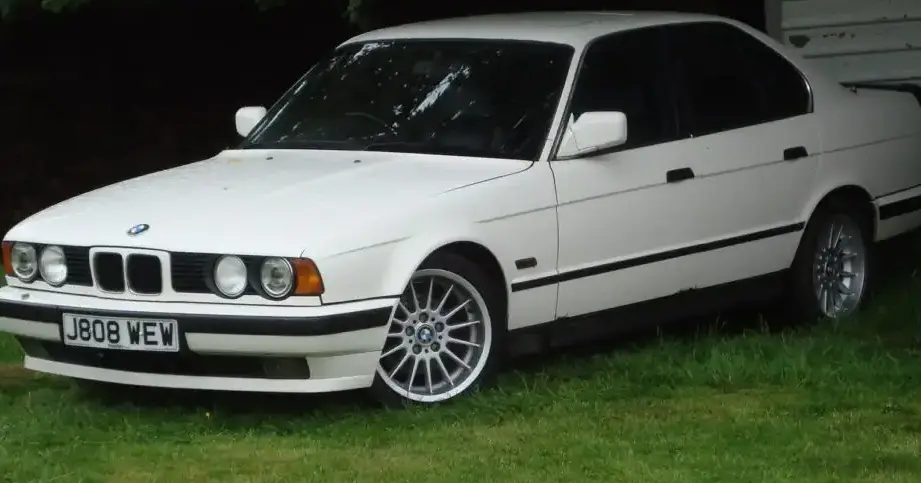
The BMW 535i, produced between 1988 and 1995, represents a significant evolution in the E34 5 Series lineup. Positioned as a performance-oriented variant, it bridged the gap between the more economical 525i and the flagship M5. The 535i was a key model for BMW in North America and Europe, offering a blend of luxury, handling, and straight-line speed that appealed to enthusiasts and executives alike. It was built on the 5 Series (E34) platform, known for its robust construction and balanced driving dynamics.
Technical Specifications
| Brand | BMW |
| Model | 5 Series |
| Generation | 5 Series (E34) |
| Type (Engine) | 535i (211 Hp) |
| Start of production | 1988 |
| End of production | 1995 |
| Powertrain Architecture | Internal Combustion engine |
| Body type | Sedan |
| Seats | 5 |
| Doors | 4 |
| Fuel consumption (urban) | 17.3 l/100 km (13.6 US mpg, 16.3 UK mpg, 5.8 km/l) |
| Fuel consumption (extra urban) | 8 l/100 km (29.4 US mpg, 35.3 UK mpg, 12.5 km/l) |
| Fuel consumption (combined) | 9.8 l/100 km (24 US mpg, 28.8 UK mpg, 10.2 km/l) |
| Fuel Type | Petrol (Gasoline) |
| Acceleration 0 – 100 km/h | 7.7 sec |
| Acceleration 0 – 62 mph | 7.7 sec |
| Acceleration 0 – 60 mph | 7.3 sec |
| Maximum speed | 235 km/h (146.02 mph) |
| Weight-to-power ratio | 7.6 kg/Hp, 131.9 Hp/tonne |
| Weight-to-torque ratio | 5.2 kg/Nm, 190.6 Nm/tonne |
| Power | 211 Hp @ 5700 rpm |
| Power per litre | 61.5 Hp/l |
| Torque | 305 Nm @ 4000 rpm (224.96 lb.-ft. @ 4000 rpm) |
| Engine layout | Front, Longitudinal |
| Engine Model/Code | M30B35 |
| Engine displacement | 3430 cm3 (209.31 cu. in.) |
| Number of cylinders | 6 |
| Engine configuration | Inline |
| Cylinder Bore | 92 mm (3.62 in.) |
| Piston Stroke | 86 mm (3.39 in.) |
| Compression ratio | 9:1 |
| Number of valves per cylinder | 2 |
| Fuel injection system | Multi-port manifold injection |
| Engine aspiration | Naturally aspirated engine |
| Valvetrain | OHC |
| Engine oil capacity | 5.75 l (6.08 US qt | 5.06 UK qt) |
| Coolant | 12 l (12.68 US qt | 10.56 UK qt) |
| Kerb Weight | 1600 kg (3527.4 lbs.) |
| Max. weight | 2035 kg (4486.41 lbs.) |
| Max load | 435 kg (959.01 lbs.) |
| Trunk (boot) space – minimum | 460 l (16.24 cu. ft.) |
| Fuel tank capacity | 80 l (21.13 US gal | 17.6 UK gal) |
| Length | 4720 mm (185.83 in.) |
| Width | 1751 mm (68.94 in.) |
| Height | 1412 mm (55.59 in.) |
| Wheelbase | 2761 mm (108.7 in.) |
| Front track | 1470 mm (57.87 in.) |
| Rear (Back) track | 1495 mm (58.86 in.) |
| Drivetrain Architecture | The Internal combustion engine (ICE) drives the rear wheels of the vehicle. |
| Drive wheel | Rear wheel drive |
| Number of gears and type of gearbox | 5 gears, manual transmission |
| Front suspension | Wishbone |
| Rear suspension | Spring Strut |
| Front brakes | Ventilated discs |
| Rear brakes | Disc |
| Assisting systems | ABS (Anti-lock braking system), Hydraulic Steering |
| Tires size | 225/60 R15 |
| Wheel rims size | 15 |
Powertrain & Engine Architecture
The heart of the 535i is the M30B35 engine, a 3.5-liter inline-six cylinder powerplant. This engine is a descendant of the long-running M30 family, known for its smoothness and durability. The B35 variant featured a Bosch Motronic fuel injection system, managing fuel delivery and ignition timing for optimal performance and emissions. The engine utilized a single overhead camshaft (OHC) design, operating two valves per cylinder. Its 9:1 compression ratio was a compromise between performance and the fuel quality available in various markets. The M30B35 produced 211 horsepower at 5700 rpm and 225 lb-ft of torque at 4000 rpm. The engine’s longitudinal mounting and rear-wheel-drive configuration were hallmarks of BMW’s engineering philosophy at the time. The 5-speed manual transmission was standard, providing precise control and a direct connection to the engine.
Driving Characteristics
The 535i offered a noticeably more engaging driving experience than the 525i. The increased power and torque of the M30B35 allowed for quicker acceleration and more confident passing maneuvers. While not as raw or focused as the M5, the 535i provided a balanced blend of performance and comfort. The manual transmission’s gear ratios were well-matched to the engine’s powerband, delivering strong acceleration in each gear. The rear-wheel-drive layout contributed to the car’s balanced handling, although it required more driver skill in adverse weather conditions compared to all-wheel-drive alternatives. Compared to later BMW engines, the M30B35 felt less refined at high RPMs, but its linear power delivery and robust construction were highly regarded.
Equipment & Trim Levels
The 535i typically came well-equipped, reflecting its position as a premium model. Standard features included power windows, power locks, a sunroof, and air conditioning. Interior upholstery was typically cloth, with leather options available. The dashboard layout was functional and driver-focused, with clear instrumentation. Optional extras included a premium sound system, heated seats, and automatic climate control. The trim level could vary depending on the market, with some regions offering more customization options than others. Sport packages were available, adding features like sport suspension, upgraded wheels, and more aggressive styling cues.
Chassis & Braking
The E34 5 Series chassis was renowned for its rigidity and well-tuned suspension. The 535i utilized a wishbone front suspension and a semi-trailing arm rear suspension, providing a comfortable ride and responsive handling. Ventilated disc brakes were standard on all four wheels, offering ample stopping power. Anti-lock braking system (ABS) was also standard, enhancing safety. The 535i’s suspension was generally tuned for a balance between comfort and handling, with slightly stiffer springs and dampers compared to the 525i. Stabilizer bars were fitted front and rear to reduce body roll during cornering.
Market Reception & Comparison
The 535i was generally well-received by automotive critics. It was praised for its smooth engine, balanced handling, and comfortable ride. Compared to the 525i, the 535i offered a significant performance upgrade, while remaining more affordable and practical than the M5. Fuel economy was reasonable for a car of its size and performance, although it was not a primary selling point. Reliability was generally good, although the M30 engine was known to be susceptible to oil leaks as it aged. The 535i competed with other luxury sedans from Mercedes-Benz, Audi, and Lexus.
Legacy
The BMW E34 535i has become a sought-after classic among BMW enthusiasts. Its robust construction, engaging driving dynamics, and timeless styling have ensured its enduring appeal. The M30B35 engine, while not the most technologically advanced, is known for its durability and relatively simple maintenance requirements. Well-maintained examples of the 535i are becoming increasingly rare and valuable. Today, it represents a high point in BMW’s engineering history, offering a unique blend of performance, luxury, and driving pleasure that is difficult to replicate in modern cars. Finding parts can be challenging, but a dedicated aftermarket supports the E34 platform, ensuring that these cars can continue to be enjoyed for years to come.