Technical Specifications
| Brand | BMW |
| Model | 5 Series |
| Generation | 5 Series (E39) |
| Type (Engine) | 520i (150 Hp) |
| Start of production | 1995 |
| End of production | 1998 |
| Powertrain Architecture | Internal Combustion engine |
| Body type | Sedan |
| Seats | 5 |
| Doors | 4 |
| Fuel consumption (urban) | 12.6 l/100 km (18.7 US mpg, 22.4 UK mpg, 7.9 km/l) |
| Fuel consumption (extra urban) | 6.9 l/100 km (34.1 US mpg, 40.9 UK mpg, 14.5 km/l) |
| Fuel consumption (combined) | 9.7 l/100 km (24.2 US mpg, 29.1 UK mpg, 10.3 km/l) |
| Fuel Type | Petrol (Gasoline) |
| Acceleration 0 – 100 km/h | 10.2 sec |
| Acceleration 0 – 62 mph | 10.2 sec |
| Acceleration 0 – 60 mph | 9.7 sec |
| Maximum speed | 220 km/h (136.7 mph) |
| Weight-to-power ratio | 9.8 kg/Hp, 102 Hp/tonne |
| Weight-to-torque ratio | 7.7 kg/Nm, 129.3 Nm/tonne |
| Power | 150 Hp @ 5900 rpm |
| Power per litre | 75.3 Hp/l |
| Torque | 190 Nm @ 4200 rpm (140.14 lb.-ft. @ 4200 rpm) |
| Engine layout | Front, Longitudinal |
| Engine Model/Code | M52B20 |
| Engine displacement | 1991 cm3 (121.5 cu. in.) |
| Number of cylinders | 6 |
| Engine configuration | Inline |
| Cylinder Bore | 80 mm (3.15 in.) |
| Piston Stroke | 66 mm (2.6 in.) |
| Compression ratio | 11:1 |
| Number of valves per cylinder | 4 |
| Fuel injection system | Multi-port manifold injection |
| Engine aspiration | Naturally aspirated engine |
| Valvetrain | DOHC |
| Engine oil capacity | 6.5 l (6.87 US qt | 5.72 UK qt) |
| Coolant | 10.5 l (11.1 US qt | 9.24 UK qt) |
| Kerb Weight | 1470 kg (3240.8 lbs.) |
| Max. weight | 1980 kg (4365.15 lbs.) |
| Max load | 510 kg (1124.36 lbs.) |
| Trunk (boot) space – minimum | 460 l (16.24 cu. ft.) |
| Fuel tank capacity | 70 l (18.49 US gal | 15.4 UK gal) |
| Length | 4775 mm (187.99 in.) |
| Width | 1800 mm (70.87 in.) |
| Height | 1435 mm (56.5 in.) |
| Wheelbase | 2830 mm (111.42 in.) |
| Front track | 1516 mm (59.69 in.) |
| Rear (Back) track | 1530 mm (60.24 in.) |
| Drivetrain Architecture | The Internal combustion engine (ICE) drives the rear wheels of the vehicle. |
| Drive wheel | Rear wheel drive |
| Number of gears and type of gearbox | 5 gears, manual transmission |
| Front suspension | Wishbone |
| Rear suspension | Several levers and rods |
| Front brakes | Ventilated discs |
| Rear brakes | Disc |
| Assisting systems | ABS (Anti-lock braking system) |
| Steering type | Steering rack and pinion |
| Power steering | Hydraulic Steering |
| Tires size | 205/65 R15 |
| Wheel rims size | 15 |
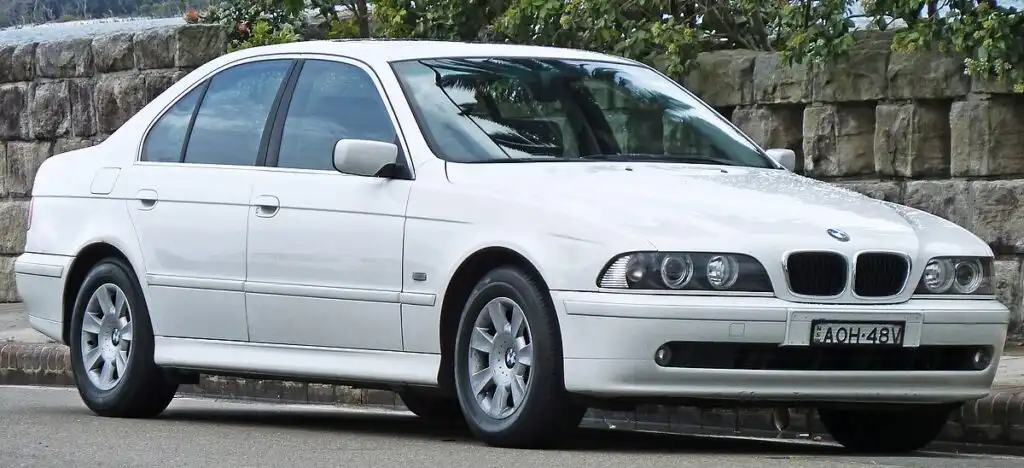
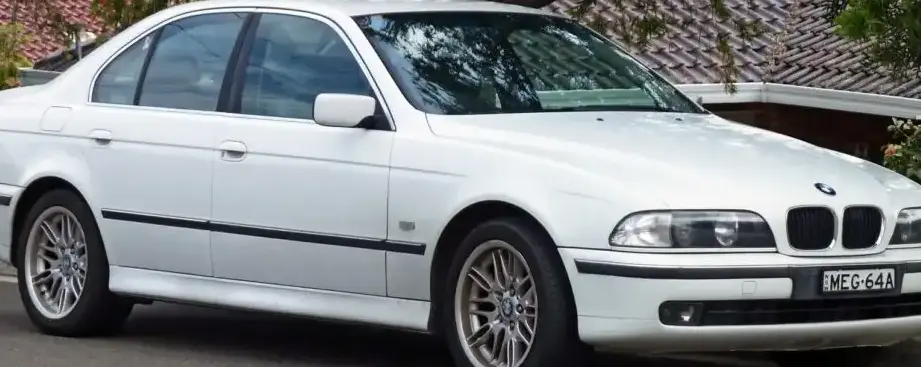
The BMW 520i (E39) was introduced in 1995 as the entry-level model in the highly regarded E39 5 Series lineup. Powered by the M52B20, a 2.0-liter inline-six engine, it represented a more accessible entry point into the E39 generation. The E39 platform, succeeding the E34, marked a substantial advancement in refinement, technology, and the overall driving experience. The 520i aimed to deliver the quintessential BMW experience – a balance of handling, comfort, and a premium interior – at a more affordable price point than its more powerful siblings, the 523i, 528i, and the high-performance M5. It found particular favor in European markets where fuel economy and vehicle taxation were significant purchasing considerations.
Powertrain & Engine Architecture
The 520i’s engine was the M52B20, a 1,991 cc inline-six. This naturally aspirated engine featured a cast iron block and an aluminum cylinder head. It employed Bosch Motronic 1.7 fuel injection and a double overhead camshaft (DOHC) valvetrain with four valves per cylinder. The M52 engine family was celebrated for its smooth power delivery and generally strong reliability. While a 5-speed manual transmission was offered, the 5-speed automatic transmission was a popular choice for those prioritizing ease of use. The automatic, while providing smooth shifts, did result in a slight performance decrease compared to the manual. The engine produced 150 horsepower at 5,900 rpm and 190 Nm (140 lb-ft) of torque at 4,200 rpm.
Driving Characteristics
The 520i, equipped with its 150 hp engine and automatic transmission, offered a comfortable and relaxed driving experience. Acceleration was sufficient for daily commutes, achieving a 0-60 mph time of approximately 9.7 seconds. However, it was demonstrably slower than the 523i or 528i models. The automatic transmission, while smooth, lacked the driver engagement of the manual option. The gear ratios were optimized for fuel efficiency and a comfortable ride, rather than outright performance. The E39’s well-engineered chassis and suspension delivered a balanced ride, providing a good compromise between comfort and handling. The steering was precise and responsive, a hallmark of BMWs from that era.
Equipment & Trim Levels
The 520i came standard with a solid array of features, including power windows, power locks, air conditioning, and an AM/FM stereo. The standard interior upholstery was cloth, though leather was available as an optional upgrade. The dashboard typically featured wood trim accents. A range of optional extras were available, such as a sunroof, heated seats, automatic climate control, and a premium sound system. The 520i often served as a base for buyers to personalize their vehicle with their preferred options.
Chassis & Braking
The E39 5 Series boasted a robust chassis with independent suspension on all four wheels. The front suspension utilized a MacPherson strut design, while the rear suspension employed a multi-link setup. This configuration provided excellent ride quality and handling characteristics. The 520i typically featured ventilated disc brakes at the front and solid disc brakes at the rear. An anti-lock braking system (ABS) was standard equipment. The suspension components were tuned to prioritize ride comfort without compromising handling precision.
Market Reception & Comparison
Automotive critics generally praised the 520i for its comfortable ride, refined interior, and balanced handling. However, some noted that the 150 hp engine felt somewhat underpowered, particularly when paired with the automatic transmission. Compared to the 523i and 528i, the 520i offered lower running costs due to its smaller engine and improved fuel economy. It was a popular choice for buyers who valued practicality and affordability over sheer performance. It was considered a sensible and well-rounded option within the mid-size luxury sedan segment.
Legacy
The M52B20 engine, powering the 520i, is recognized for its durability and relatively straightforward maintenance. While not as highly sought after as the higher-performance engines in the E39 range, the 520i remains a popular choice among BMW enthusiasts seeking an affordable and reliable classic. Today, well-maintained examples of the E39 520i can be found on the used car market, offering a taste of BMW’s engineering at a reasonable price. Common issues include wear and tear on suspension components and potential oil leaks, but overall, the 520i is considered a relatively reliable vehicle, especially considering its age. Its blend of comfort, practicality, and BMW’s driving dynamics continues to appeal to a wide range of drivers.