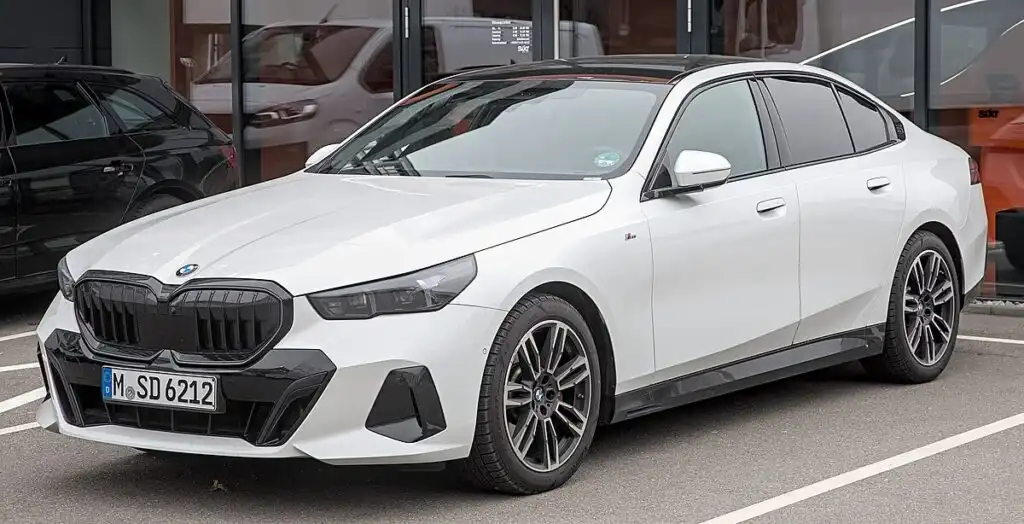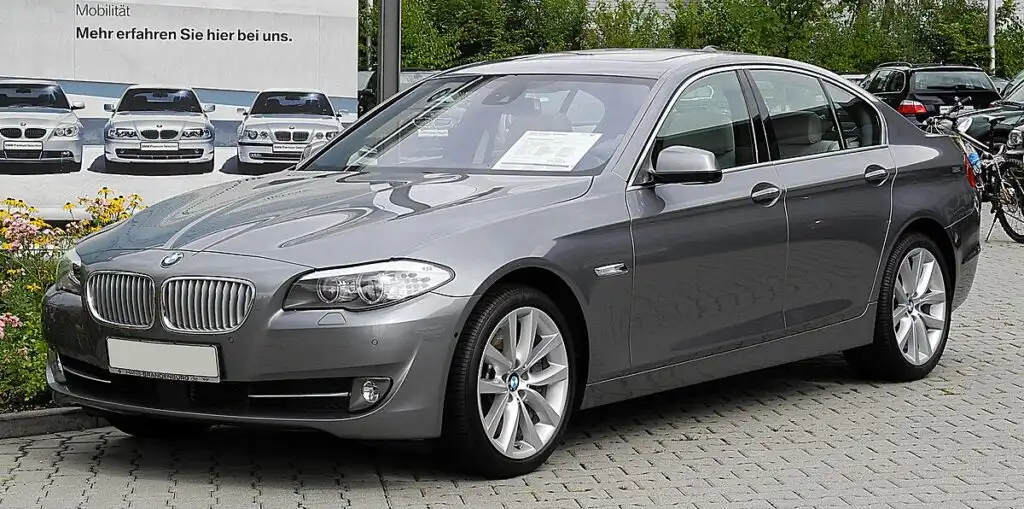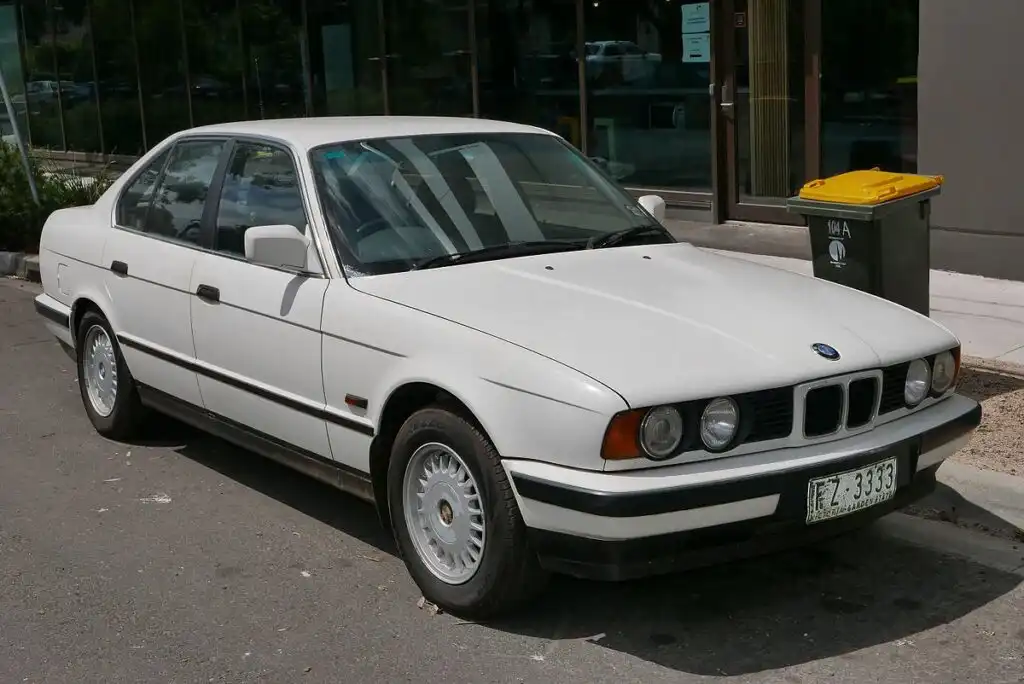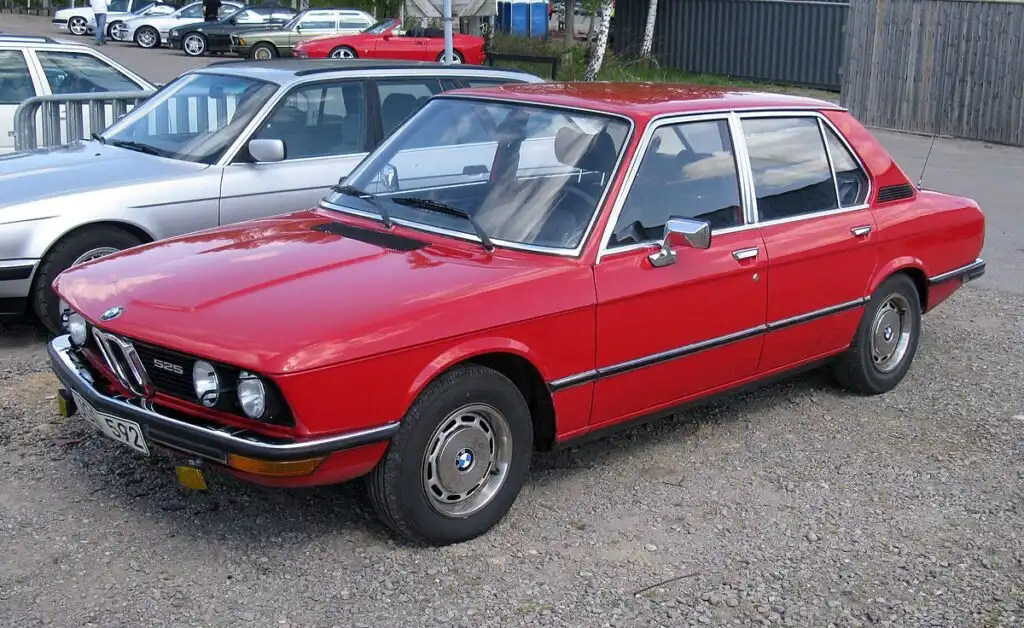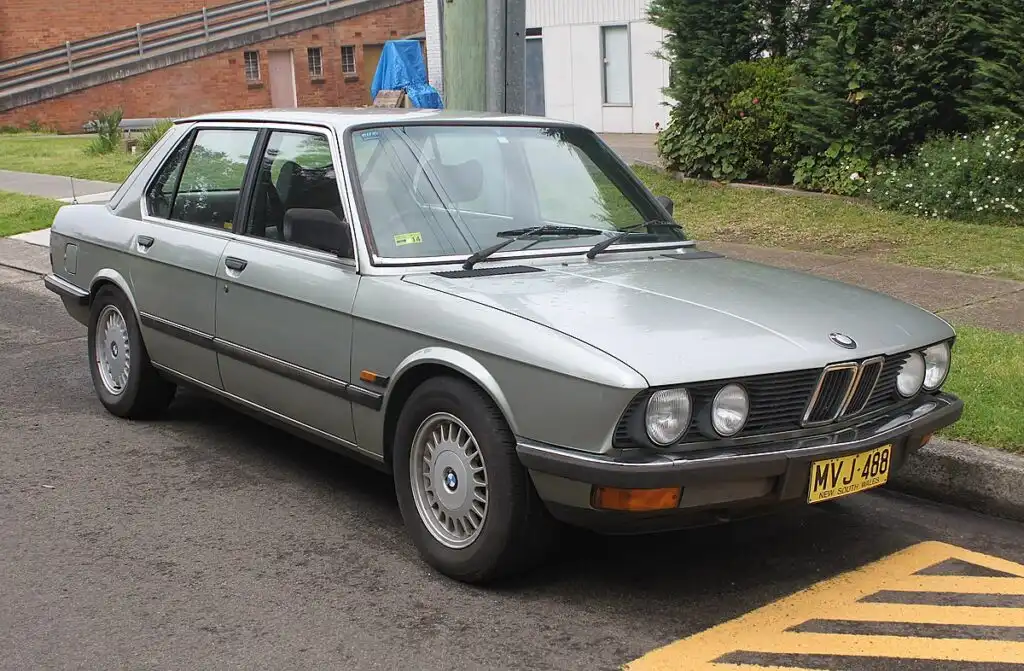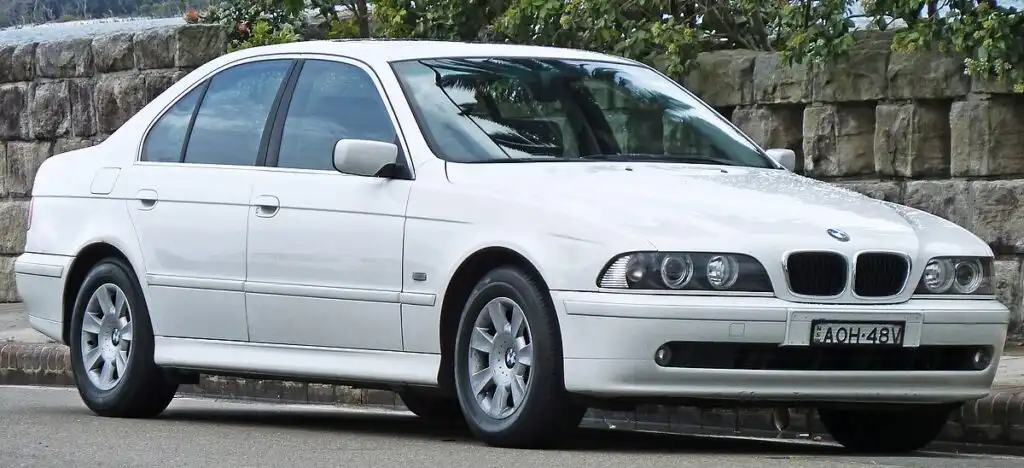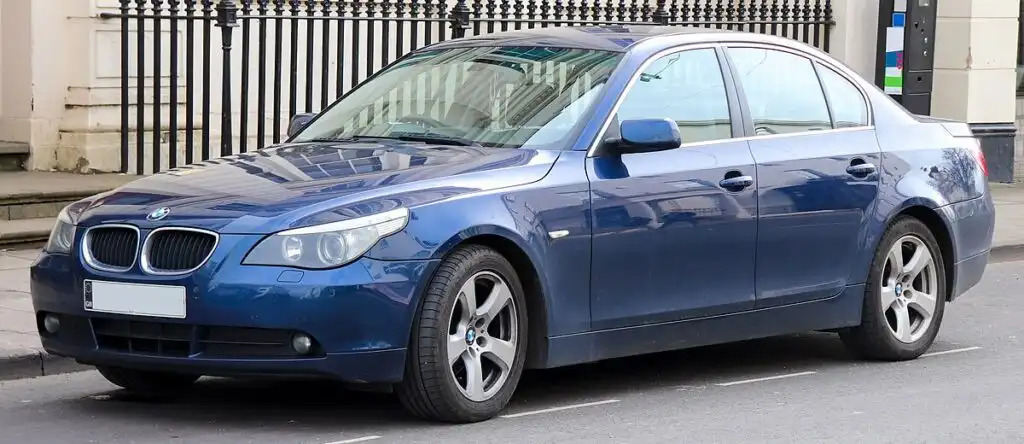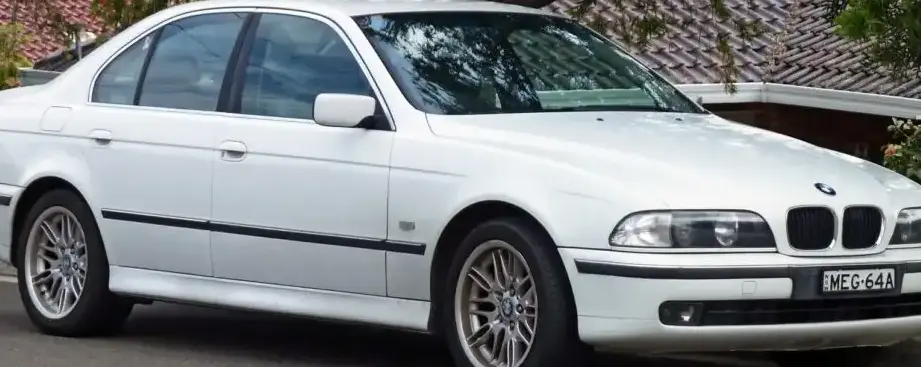
The BMW 5 Series E39 520i Automatic, produced from 1995 to 1998, represented the entry point into the highly acclaimed E39 generation. This model served as a crucial volume seller, offering the renowned BMW driving experience with a focus on comfort and fuel efficiency. Positioned below the 523i, 528i, and 540i variants, the 520i Automatic catered to buyers prioritizing a smooth, refined ride over outright performance. It was a popular choice in European markets and gained a foothold in North America as a more accessible luxury sedan.
Technical Specifications
| Brand | BMW |
| Model | 5 Series |
| Generation | 5 Series (E39) |
| Type (Engine) | 520i (150 Hp) Automatic |
| Start of production | 1995 |
| End of production | 1998 |
| Powertrain Architecture | Internal Combustion engine |
| Body type | Sedan |
| Seats | 5 |
| Doors | 4 |
| Fuel consumption (urban) | 14.5 l/100 km (16.2 US mpg, 19.5 UK mpg, 6.9 km/l) |
| Fuel consumption (extra urban) | 7.4 l/100 km (31.8 US mpg, 38.2 UK mpg, 13.5 km/l) |
| Fuel consumption (combined) | 9.7 l/100 km (24.2 US mpg, 29.1 UK mpg, 10.3 km/l) |
| Fuel Type | Petrol (Gasoline) |
| Acceleration 0 – 100 km/h | 11.5 sec |
| Acceleration 0 – 62 mph | 11.5 sec |
| Acceleration 0 – 60 mph | 10.9 sec |
| Maximum speed | 210 km/h (130.49 mph) |
| Weight-to-power ratio | 9.8 kg/Hp, 102 Hp/tonne |
| Weight-to-torque ratio | 7.7 kg/Nm, 129.3 Nm/tonne |
| Power | 150 Hp @ 5900 rpm |
| Power per litre | 75.3 Hp/l |
| Torque | 190 Nm @ 4200 rpm (140.14 lb.-ft. @ 4200 rpm) |
| Engine layout | Front, Longitudinal |
| Engine Model/Code | M52B20 |
| Engine displacement | 1991 cm3 (121.5 cu. in.) |
| Number of cylinders | 6 |
| Engine configuration | Inline |
| Cylinder Bore | 80 mm (3.15 in.) |
| Piston Stroke | 66 mm (2.6 in.) |
| Compression ratio | 11:1 |
| Number of valves per cylinder | 4 |
| Fuel injection system | Multi-port manifold injection |
| Engine aspiration | Naturally aspirated engine |
| Valvetrain | DOHC |
| Engine oil capacity | 6.5 l (6.87 US qt | 5.72 UK qt) |
| Coolant | 10.5 l (11.1 US qt | 9.24 UK qt) |
| Kerb Weight | 1470 kg (3240.8 lbs.) |
| Max. weight | 1980 kg (4365.15 lbs.) |
| Max load | 510 kg (1124.36 lbs.) |
| Trunk (boot) space – minimum | 460 l (16.24 cu. ft.) |
| Fuel tank capacity | 70 l (18.49 US gal | 15.4 UK gal) |
| Length | 4775 mm (187.99 in.) |
| Width | 1800 mm (70.87 in.) |
| Height | 1435 mm (56.5 in.) |
| Wheelbase | 2830 mm (111.42 in.) |
| Front track | 1516 mm (59.69 in.) |
| Rear (Back) track | 1530 mm (60.24 in.) |
| Drivetrain Architecture | The Internal combustion engine (ICE) drives the rear wheels of the vehicle. |
| Drive wheel | Rear wheel drive |
| Number of gears and type of gearbox | 5 gears, automatic transmission |
| Front suspension | Wishbone |
| Rear suspension | Several levers and rods |
| Front brakes | Ventilated discs |
| Rear brakes | Disc |
| Assisting systems | ABS (Anti-lock braking system) |
| Steering type | Steering rack and pinion |
| Power steering | Hydraulic Steering |
| Tires size | 205/65 R15 V |
| Wheel rims size | 15 |
Powertrain & Engine Architecture
The heart of the 520i Automatic is the M52B20, a 2.0-liter inline-six engine. This engine is a naturally aspirated, single overhead camshaft (SOHC) design, though it features dual camshafts (DOHC) for the intake valves. It utilizes Bosch Motronic fuel injection and a relatively high 11:1 compression ratio for the time. The M52 engine family was known for its smooth power delivery and inherent balance, characteristics that translated well to the 520i. The automatic transmission used was a 5-speed unit, specifically the ZF 5HP19. This transmission was a workhorse, known for its reliability and smooth shifting, though it wasn’t particularly quick-shifting by modern standards. The transmission’s programming prioritized comfort and fuel economy over aggressive performance.
Driving Characteristics
The 520i Automatic offered a comfortable and refined driving experience. With 150 horsepower and 190 Nm (140 lb-ft) of torque, acceleration was adequate but not exhilarating. The 0-60 mph time hovered around 10.9 seconds, making it noticeably slower than the 523i or 528i models. The automatic transmission’s gear ratios were geared towards fuel efficiency, meaning the engine often felt strained during quick overtaking maneuvers. However, for everyday driving and cruising, the 520i provided a relaxed and enjoyable experience. The suspension, tuned for comfort, absorbed bumps well, and the steering offered a good balance of feel and assistance.
Equipment & Trim Levels
The 520i Automatic typically came standard with features like power windows, power locks, air conditioning, and an AM/FM stereo. Upholstery was usually cloth, though leather was available as an option. Optional extras included a sunroof, heated seats, automatic climate control, and a premium sound system. The trim level was generally considered the base model, but it still offered a respectable level of equipment for a luxury sedan of its era. The interior design was typical BMW – functional, well-built, and focused on the driver.
Chassis & Braking
The E39 5 Series featured a robust chassis with a MacPherson strut front suspension and a multi-link rear suspension. The 520i typically came equipped with ventilated disc brakes at the front and solid disc brakes at the rear. Anti-lock braking system (ABS) was standard. The suspension was tuned for comfort, with softer springs and dampers compared to the higher-performance models. Stabilizer bars were fitted front and rear to reduce body roll during cornering. The overall handling was secure and predictable, though not as sporty as the 528i or 540i.
Market Reception & Comparison
The 520i Automatic was generally well-received by critics as a comfortable and fuel-efficient entry-level luxury sedan. However, some reviewers noted its lack of outright performance compared to its siblings. Fuel economy was a strong point, with combined figures around 24.2 US mpg. Reliability was generally good, though the automatic transmission could require maintenance over time. Compared to the 523i, the 520i offered a lower price point but sacrificed performance. The 528i and 540i provided significantly more power but came at a higher cost.
Legacy
The E39 520i Automatic has aged remarkably well and remains a popular choice among BMW enthusiasts. The M52B20 engine is known for its durability and relatively simple maintenance requirements. While not the fastest E39 variant, it offers a compelling combination of comfort, reliability, and classic BMW driving dynamics. Today, well-maintained examples command reasonable prices in the used car market, making them an accessible entry point into the world of E39 ownership. The ZF 5HP19 transmission, while requiring periodic servicing, is generally considered robust and capable of handling the engine’s output for many years.