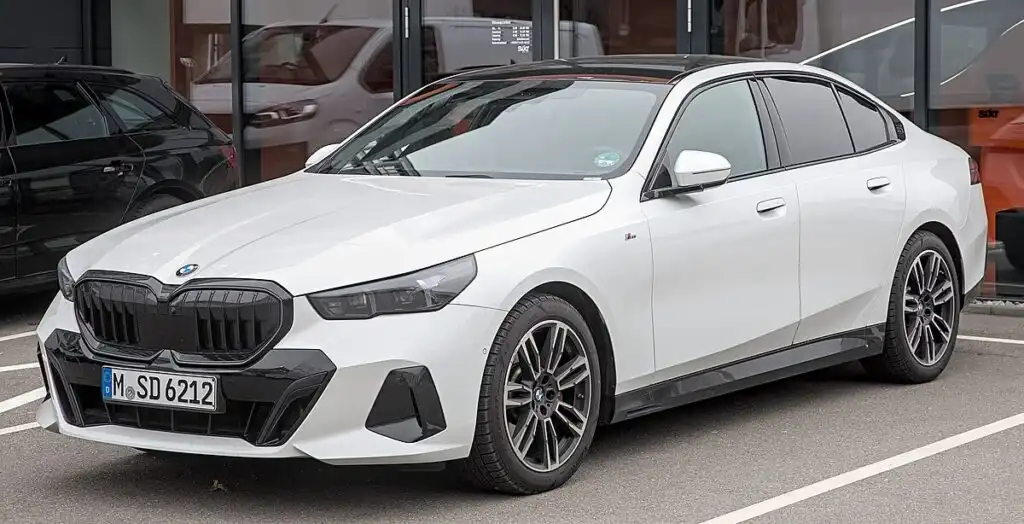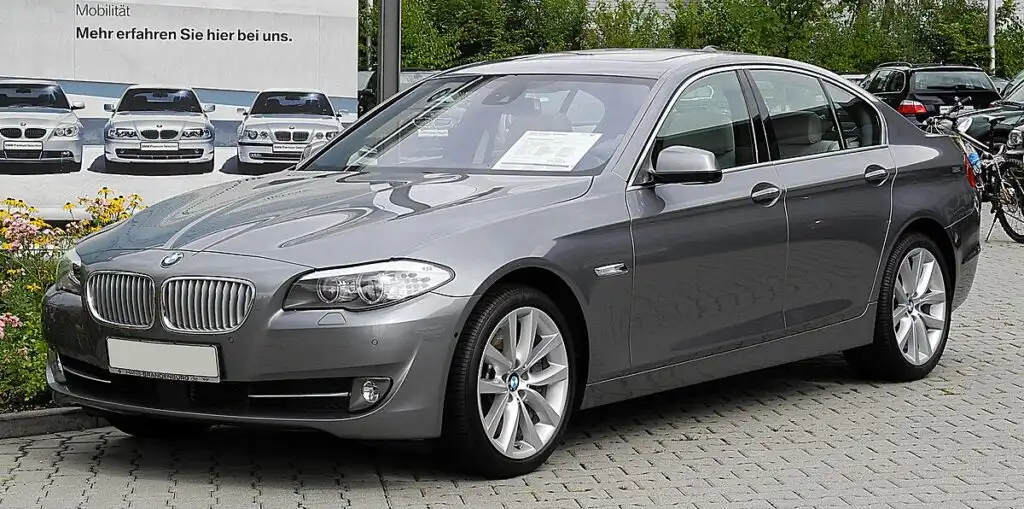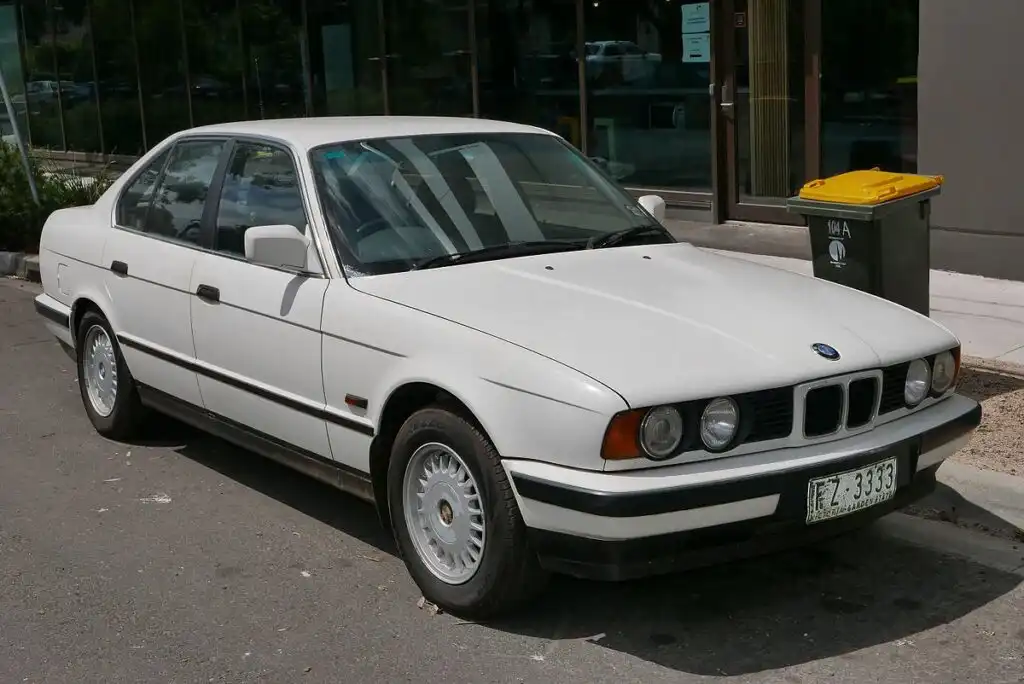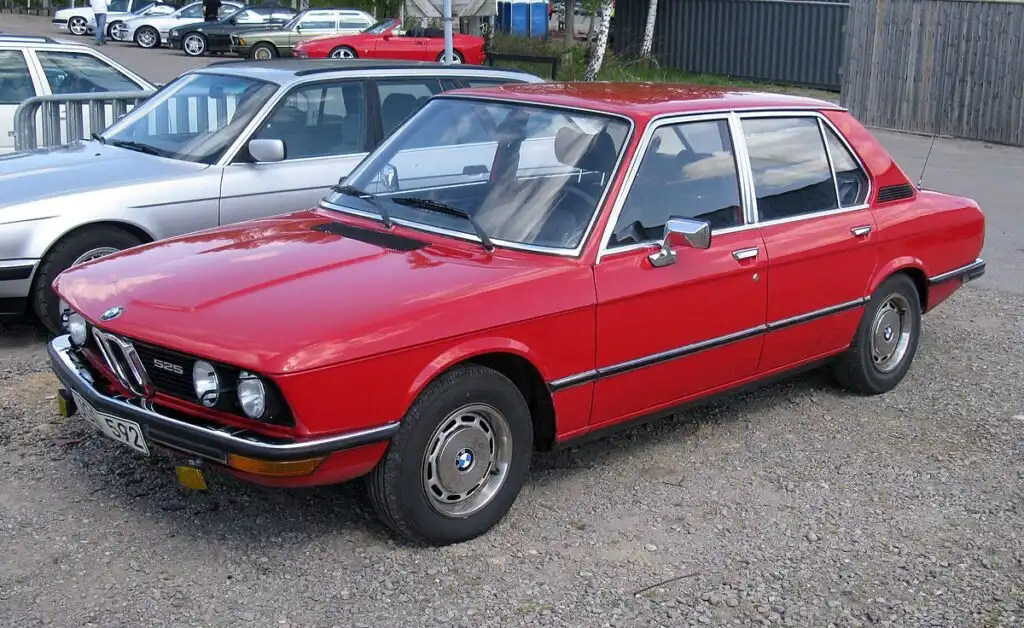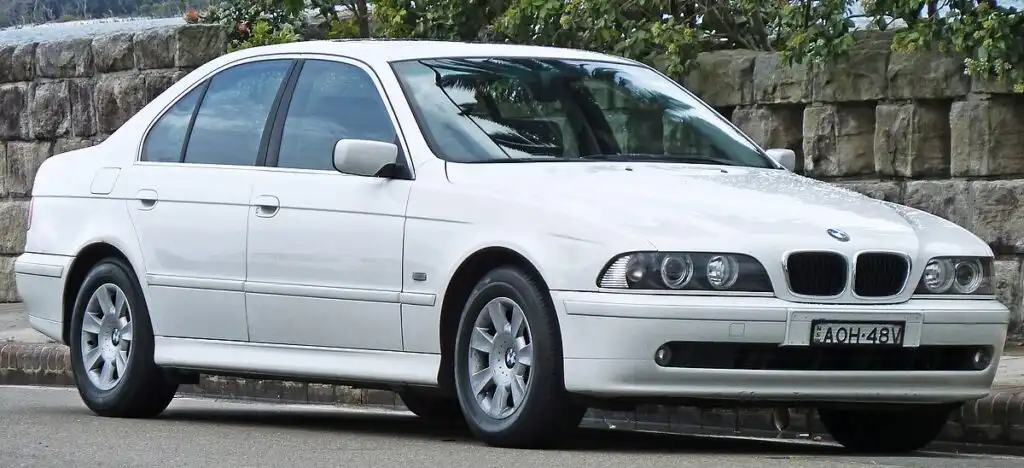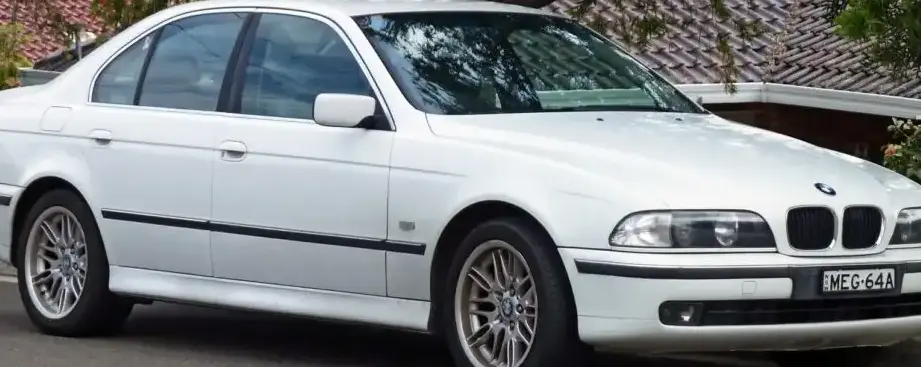
The BMW 5 Series (E39) 525tds, produced between 1996 and 2000, represented a significant offering in the European market as a diesel-powered variant of the popular executive sedan. Positioned as a fuel-efficient alternative within the E39 range, it catered to drivers prioritizing economy without entirely sacrificing performance. The 525tds utilized BMW’s M51D25 engine, a 2.5-liter inline-six diesel, and was primarily sold in Europe where diesel engines enjoyed greater acceptance and lower taxation than gasoline counterparts. While not offered in the North American market, the E39 5 Series as a whole became renowned for its build quality, driving dynamics, and relatively timeless design.
Technical Specifications
| Brand | BMW |
| Model | 5 Series |
| Generation | 5 Series (E39) |
| Type (Engine) | 525tds (143 Hp) |
| Start of production | 1996 |
| End of production | 2000 |
| Powertrain Architecture | Internal Combustion engine |
| Body type | Sedan |
| Seats | 5 |
| Doors | 4 |
| Fuel consumption (urban) | 11.5 l/100 km (20.5 US mpg) |
| Fuel consumption (extra urban) | 6.2 l/100 km (37.9 US mpg) |
| Fuel Type | Diesel |
| Acceleration 0 – 100 km/h | 10.4 sec |
| Acceleration 0 – 62 mph | 10.4 sec |
| Acceleration 0 – 60 mph | 9.9 sec |
| Maximum speed | 211 km/h (131.11 mph) |
| Weight-to-power ratio | 10.9 kg/Hp |
| Weight-to-torque ratio | 5.6 kg/Nm |
| Power | 143 Hp @ 4600 rpm |
| Power per litre | 57.2 Hp/l |
| Torque | 280 Nm @ 2200 rpm (206.52 lb.-ft. @ 2200 rpm) |
| Engine layout | Front, Longitudinal |
| Engine Model/Code | M51D25 |
| Engine displacement | 2498 cm3 (152.44 cu. in.) |
| Number of cylinders | 6 |
| Engine configuration | Inline |
| Cylinder Bore | 80 mm (3.15 in.) |
| Piston Stroke | 82.8 mm (3.26 in.) |
| Compression ratio | 22:1 |
| Number of valves per cylinder | 2 |
| Fuel injection system | Precombustion chamber injection |
| Engine aspiration | Turbocharger, Intercooler |
| Valvetrain | OHC |
| Engine oil capacity | 6.75 l (7.13 US qt | 5.94 UK qt) |
| Coolant | 10 l (10.57 US qt | 8.8 UK qt) |
| Kerb Weight | 1555 kg (3428.19 lbs.) |
| Max. weight | 2015 kg (4442.31 lbs.) |
| Max load | 460 kg (1014.13 lbs.) |
| Trunk (boot) space – minimum | 460 l (16.24 cu. ft.) |
| Fuel tank capacity | 70 l (18.49 US gal | 15.4 UK gal) |
| Length | 4775 mm (187.99 in.) |
| Width | 1800 mm (70.87 in.) |
| Height | 1435 mm (56.5 in.) |
| Wheelbase | 2830 mm (111.42 in.) |
| Front track | 1516 mm (59.69 in.) |
| Rear (Back) track | 1530 mm (60.24 in.) |
| Drivetrain Architecture | Rear wheel drive |
| Drive wheel | Rear wheel drive |
| Number of gears and type of gearbox | 5 gears, manual transmission |
| Front suspension | Wishbone |
| Rear suspension | Several levers and rods |
| Front brakes | Ventilated discs |
| Rear brakes | Disc |
| Assisting systems | ABS (Anti-lock braking system) |
| Steering type | Steering rack and pinion |
| Power steering | Hydraulic Steering |
| Tires size | 205/65 R15 |
| Wheel rims size | 15 |
Powertrain & Engine Architecture
The heart of the 525tds is the M51D25 engine, a 2.5-liter inline-six diesel. This engine utilized a precombustion chamber injection system, a common technology for diesel engines of the era, which improved combustion efficiency and reduced engine noise compared to direct injection systems. A turbocharger with an intercooler was employed to boost power output to 143 horsepower and 280 Nm (206.52 lb-ft) of torque. The engine’s robust construction and relatively low-stress design contributed to its longevity. The 5-speed manual transmission was standard, providing a balance between fuel economy and driver control. While an automatic transmission was available on other E39 models, it was not typically paired with the 525tds, as the engine’s torque characteristics were better suited to the manual gearbox.
Driving Characteristics
The 525tds offered a distinctly different driving experience compared to its gasoline-powered siblings. While lacking the outright acceleration of the 528i or 530i, it provided ample torque from low engine speeds, making it a relaxed and effortless cruiser. The manual transmission allowed for precise control, and the gear ratios were optimized for fuel efficiency. Acceleration to 100 km/h (62 mph) took approximately 10.4 seconds, and top speed was limited to 211 km/h (131 mph). Compared to the higher-output gasoline engines, the 525tds prioritized fuel economy, achieving around 37.9 US mpg on the extra-urban cycle. The driving experience was characterized by a quiet cabin and a comfortable ride, typical of the E39 platform.
Equipment & Trim Levels
The 525tds typically came equipped with a respectable level of standard features, including power windows, central locking, and an anti-lock braking system (ABS). Interior upholstery was generally cloth, although leather options were available. The dashboard layout was consistent with other E39 models, featuring a clear and functional design. Optional extras included a sunroof, automatic climate control, and a premium sound system. The trim level was generally considered mid-range within the E39 lineup, offering a good balance of features and affordability.
Chassis & Braking
The E39 525tds utilized a robust chassis with a wishbone front suspension and a multi-link rear suspension. This setup provided a comfortable ride and precise handling. Front brakes were ventilated discs, while rear brakes were solid discs. The ABS system enhanced braking performance and stability. The suspension was tuned to provide a balance between comfort and handling, making the car suitable for both long-distance cruising and spirited driving. The weight distribution was relatively balanced, contributing to the car’s neutral handling characteristics.
Market Reception & Comparison
The 525tds was well-received in Europe as a practical and fuel-efficient executive sedan. Critics praised its comfortable ride, quiet cabin, and strong torque output. However, some noted that it lacked the sporty character of the gasoline-powered models. Compared to the 528i and 530i, the 525tds offered significantly better fuel economy but less outright performance. Compared to other diesel-powered competitors, such as the Mercedes-Benz E-Class and Audi A6, the 525tds was considered to be a strong contender, offering a compelling combination of performance, economy, and build quality.
Legacy
The M51D25 engine, found in the 525tds, is known for its durability and reliability. Properly maintained examples can accumulate high mileage with minimal issues. In the used car market today, the E39 525tds is a relatively affordable option for those seeking a classic BMW sedan. While finding well-maintained examples can be challenging, the car’s robust construction and relatively simple mechanicals make it a rewarding ownership experience. The 525tds represents a unique chapter in the E39’s history, offering a fuel-efficient and practical alternative to the more common gasoline-powered models.