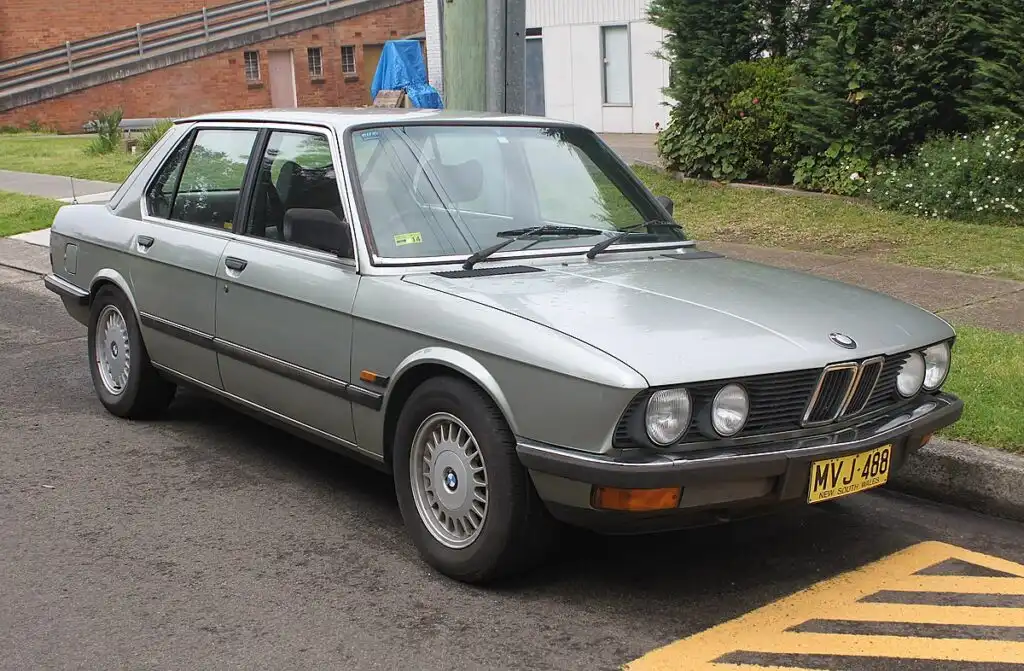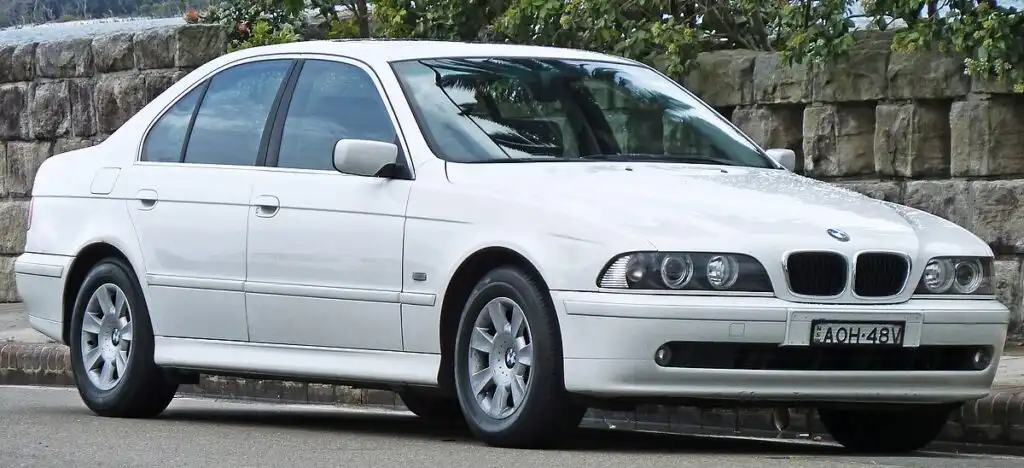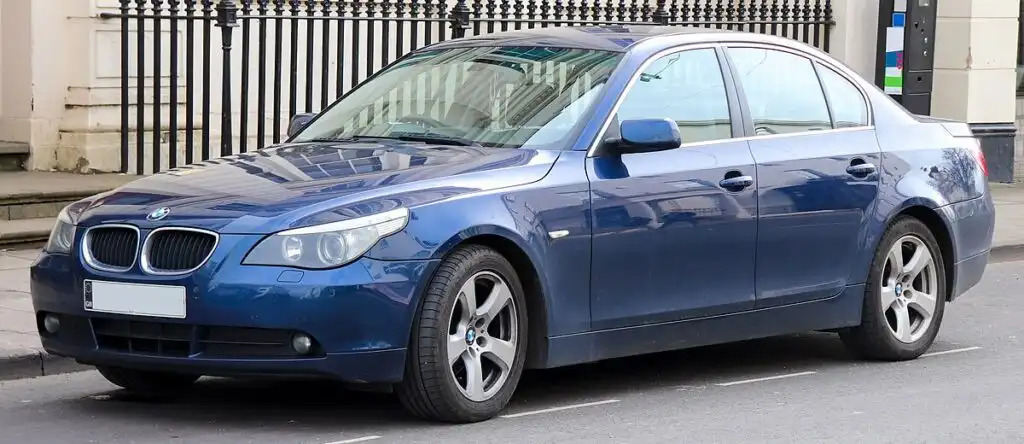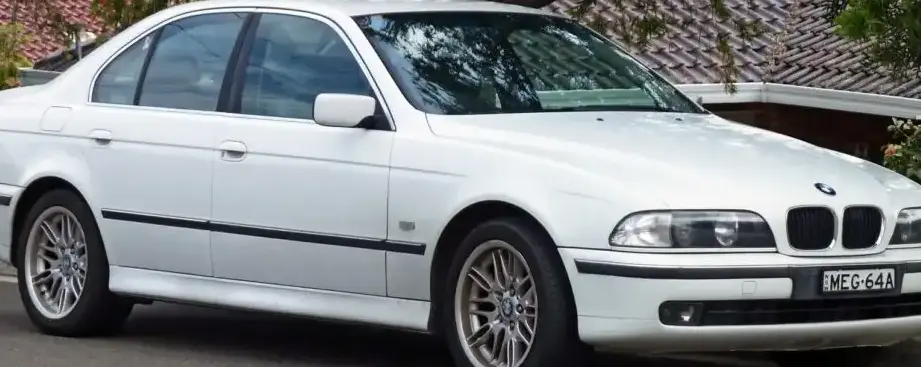
The BMW 5 Series (E39) 530d, produced from 1998 to 2000, marked a pivotal moment for BMW in the executive sedan segment, particularly in Europe where diesel engines were rapidly gaining acceptance. This variant, powered by a 2.9-liter inline-six diesel engine, offered a compelling combination of performance and fuel economy, appealing to drivers seeking a refined and economical driving experience. The 530d occupied a mid-range position within the E39 5 Series lineup, sitting above the 520d and below the more powerful 540i and the high-performance M5. It was a crucial model for BMW as they aimed to broaden the 5 Series’ appeal to a wider customer base, capitalizing on the growing demand for diesel-powered luxury vehicles.
Technical Specifications
| Brand | BMW |
| Model | 5 Series |
| Generation | 5 Series (E39) |
| Type (Engine) | 530d (184 Hp) |
| Start of production | 1998 |
| End of production | 2000 |
| Powertrain Architecture | Internal Combustion engine |
| Body type | Sedan |
| Seats | 5 |
| Doors | 4 |
| Fuel consumption (urban) | 9.8 l/100 km (24 US mpg, 28.8 UK mpg, 10.2 km/l) |
| Fuel consumption (extra urban) | 5.7 l/100 km (41.3 US mpg, 49.6 UK mpg, 17.5 km/l) |
| Fuel consumption (combined) | 7.8 l/100 km (30.2 US mpg, 36.2 UK mpg, 12.8 km/l) |
| Fuel Type | Diesel |
| Acceleration 0 – 100 km/h | 8 sec |
| Acceleration 0 – 62 mph | 8 sec |
| Acceleration 0 – 60 mph | 7.6 sec |
| Maximum speed | 225 km/h (139.81 mph) |
| Emission standard | Euro 3 |
| Weight-to-power ratio | 8.6 kg/Hp, 116.8 Hp/tonne |
| Weight-to-torque ratio | 4 kg/Nm, 247.6 Nm/tonne |
| Power | 184 Hp @ 4000 rpm |
| Power per litre | 62.9 Hp/l |
| Torque | 390 Nm @ 1750 rpm (287.65 lb.-ft. @ 1750 rpm) |
| Engine layout | Front, Longitudinal |
| Engine Model/Code | M57D30 |
| Engine displacement | 2926 cm3 (178.56 cu. in.) |
| Number of cylinders | 6 |
| Engine configuration | Inline |
| Cylinder Bore | 84 mm (3.31 in.) |
| Piston Stroke | 88 mm (3.46 in.) |
| Compression ratio | 18:1 |
| Number of valves per cylinder | 4 |
| Fuel injection system | Diesel Commonrail |
| Engine aspiration | Turbocharger, Intercooler |
| Engine oil capacity | 6.5 l (6.87 US qt | 5.72 UK qt) |
| Coolant | 9.2 l (9.72 US qt | 8.09 UK qt) |
| Kerb Weight | 1575 kg (3472.28 lbs.) |
| Max. weight | 2115 kg (4662.78 lbs.) |
| Max load | 540 kg (1190.5 lbs.) |
| Trunk (boot) space – minimum | 460 l (16.24 cu. ft.) |
| Fuel tank capacity | 70 l (18.49 US gal | 15.4 UK gal) |
| Length | 4775 mm (187.99 in.) |
| Width | 1800 mm (70.87 in.) |
| Height | 1435 mm (56.5 in.) |
| Wheelbase | 2830 mm (111.42 in.) |
| Front track | 1512 mm (59.53 in.) |
| Rear (Back) track | 1526 mm (60.08 in.) |
| Drivetrain Architecture | The Internal combustion engine (ICE) drives the rear wheels of the vehicle. |
| Drive wheel | Rear wheel drive |
| Number of gears and type of gearbox | 5 gears, manual transmission |
| Front suspension | Wishbone |
| Rear suspension | Several levers and rods |
| Front brakes | Disc |
| Rear brakes | Disc |
| Assisting systems | ABS (Anti-lock braking system) |
| Steering type | Steering rack and pinion |
| Power steering | Hydraulic Steering |
| Tires size | 225/65 R15 W |
| Wheel rims size | 15 |
Powertrain & Engine Architecture
The core of the 530d is the M57D30, a 2.9-liter inline-six diesel engine. This engine represented a significant leap forward for BMW, incorporating common rail direct injection technology. This system enabled more precise fuel delivery, leading to enhanced combustion efficiency, reduced emissions, and a smoother power delivery. The M57D30 was equipped with a single turbocharger and an intercooler, boosting output to 184 horsepower and 390 Nm (287.65 lb-ft) of torque. The engine’s robust construction and relatively straightforward design contributed to its long-term reliability. A 5-speed manual transmission was standard, providing a direct connection between the engine and the rear wheels. An automatic transmission was also offered, but the manual was preferred by driving enthusiasts for its responsiveness and engagement.
Driving Characteristics
The 530d delivered a distinctly different driving experience compared to its gasoline-powered counterparts. While not as overtly sporty as the 540i, the 530d provided abundant torque from low engine speeds, making it effortless to drive in everyday conditions. The 0-60 mph time of approximately 7.6 seconds was respectable for the era, and the engine continued to pull strongly throughout the rev range. The manual transmission’s gear ratios were well-matched to the engine’s characteristics, allowing for smooth and efficient gear changes. Compared to the higher-output 540i, the 530d prioritized fuel economy and relaxed cruising over outright performance. However, it still retained the signature BMW characteristics of precise steering and a well-balanced chassis.
Equipment & Trim Levels
The 530d typically came standard with a comprehensive array of features, including power windows, central locking, air conditioning, and an upgraded audio system. Interior upholstery was generally cloth, with leather options available as an upgrade. The dashboard layout was consistent with the E39, featuring a clean and functional design. Optional extras included a sunroof, navigation system, heated seats, and upgraded wheel designs. Trim levels could vary depending on the market, but generally, the 530d offered a comfortable and well-appointed interior.
Chassis & Braking
The E39 5 Series boasted a sophisticated chassis design, featuring a multi-link rear suspension that delivered excellent ride comfort and handling. The 530d utilized disc brakes on all four wheels, providing ample stopping power. ABS (Anti-lock Braking System) was standard, enhancing safety and stability. The suspension was tuned to strike a balance between comfort and handling, making the 530d a capable and enjoyable car to drive on a variety of road surfaces. Stabilizer bars were fitted both front and rear to minimize body roll during cornering.
Market Reception & Comparison
The 530d was generally well-received by automotive critics, who lauded its fuel efficiency, refined engine, and comfortable ride. It was considered a compelling alternative to gasoline-powered executive sedans, particularly for drivers who frequently covered long distances. Compared to the 520d, the 530d offered a substantial performance boost, while remaining more affordable than the 540i. Fuel economy was a key selling point, with the 530d achieving around 30.2 US mpg in combined driving. Reliability was also generally good, although, like any complex vehicle, the E39 5 Series could be susceptible to certain age-related issues.
Legacy
The BMW E39 530d has become a highly sought-after classic among automotive enthusiasts. The M57D30 engine is renowned for its durability and longevity, and well-maintained examples can still provide reliable service today. The 530d’s blend of performance, fuel efficiency, and comfort has ensured its enduring appeal. In the used car market, prices for well-preserved examples have been steadily increasing, reflecting the growing appreciation for this iconic BMW model. While maintenance costs can be higher than for more contemporary vehicles, the E39 530d remains a rewarding and enjoyable car to own and drive.