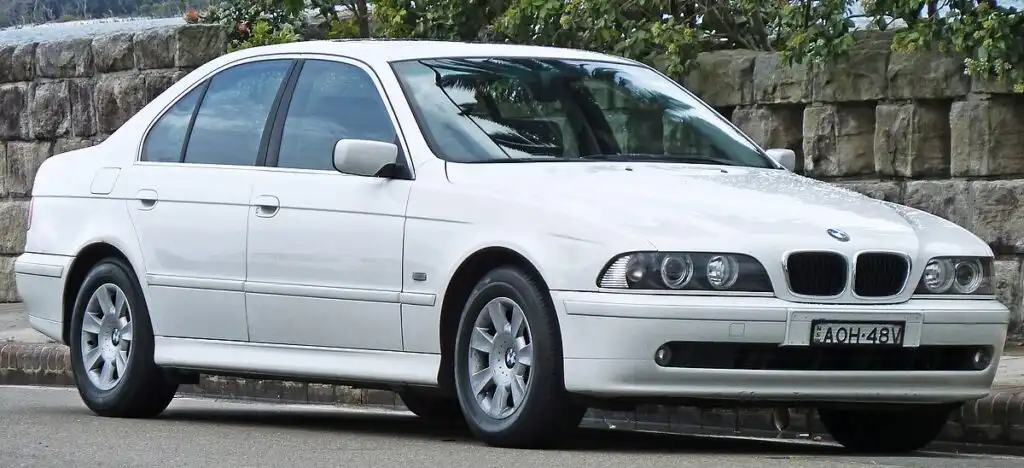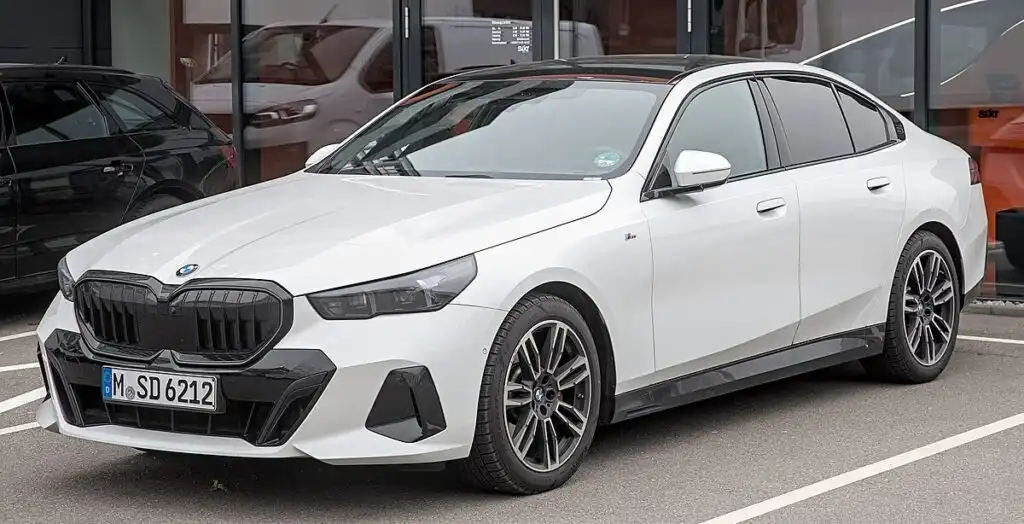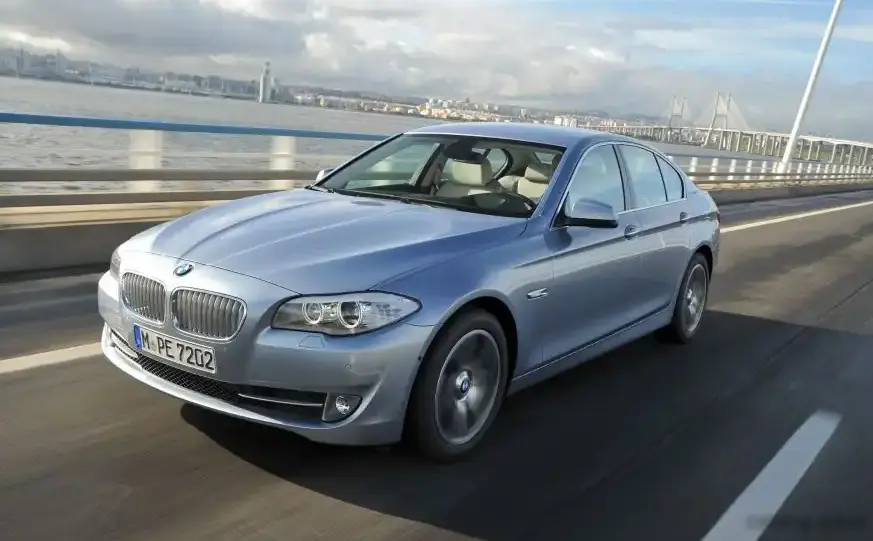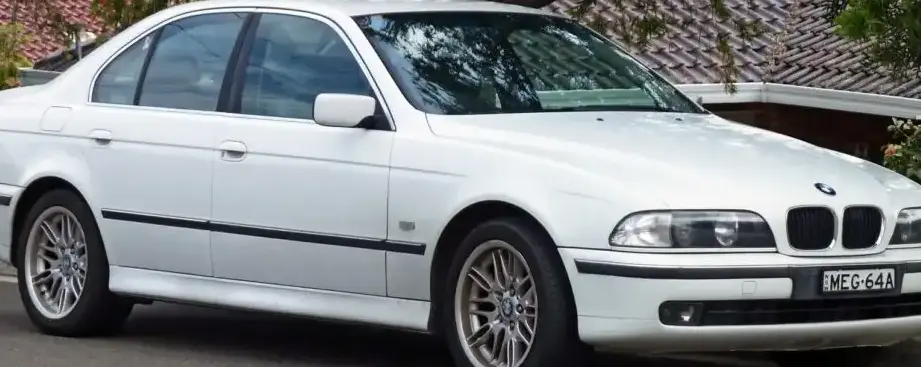
The BMW 5 Series (E39) 535i, produced from 1996 to 1998, represented a significant step forward in the mid-size luxury sedan segment. Positioned as a performance-oriented variant within the E39 generation (which spanned 1995-2003), the 535i distinguished itself with its naturally aspirated V8 engine. It served as a bridge between the more economical six-cylinder models and the high-performance M5, appealing to drivers seeking a blend of refinement, power, and driving enjoyment. The E39 platform itself was a landmark achievement for BMW, lauded for its balanced chassis, build quality, and sophisticated engineering.
Technical Specifications
| Brand | BMW |
| Model | 5 Series |
| Generation | 5 Series (E39) |
| Type (Engine) | 535i V8 (235 Hp) |
| Start of production | 1996 |
| End of production | 1998 |
| Powertrain Architecture | Internal Combustion engine |
| Body type | Sedan |
| Seats | 5 |
| Doors | 4 |
| Fuel consumption (combined) | 10.2 l/100 km |
| Fuel consumption (US mpg) | 23.1 US mpg |
| Fuel consumption (UK mpg) | 27.7 UK mpg |
| Fuel consumption (km/l) | 9.8 km/l |
| Fuel Type | Petrol (Gasoline) |
| Acceleration 0 – 100 km/h | 7 sec |
| Acceleration 0 – 62 mph | 7 sec |
| Acceleration 0 – 60 mph | 6.7 sec |
| Maximum speed | 247 km/h (153.48 mph) |
| Weight-to-power ratio | 6.9 kg/Hp |
| Weight-to-torque ratio | 5 kg/Nm |
| Power | 235 Hp @ 5700 rpm |
| Power per litre | 67.2 Hp/l |
| Torque | 320 Nm @ 3300 rpm (236.02 lb.-ft. @ 3300 rpm) |
| Engine layout | Front, Longitudinal |
| Engine Model/Code | M62B35 |
| Engine displacement | 3498 cm3 (213.46 cu. in.) |
| Number of cylinders | 8 |
| Engine configuration | V-engine |
| Cylinder Bore | 84 mm (3.31 in.) |
| Piston Stroke | 78.9 mm (3.11 in.) |
| Compression ratio | 10:1 |
| Number of valves per cylinder | 4 |
| Fuel injection system | Multi-port manifold injection |
| Engine aspiration | Naturally aspirated engine |
| Valvetrain | DOHC |
| Engine oil capacity | 7.5 l (7.93 US qt | 6.6 UK qt) |
| Coolant capacity | 12 l (12.68 US qt | 10.56 UK qt) |
| Kerb Weight | 1615 kg (3560.47 lbs.) |
| Max. weight | 2105 kg (4640.73 lbs.) |
| Max load | 490 kg (1080.27 lbs.) |
| Trunk (boot) space – minimum | 460 l (16.24 cu. ft.) |
| Fuel tank capacity | 70 l (18.49 US gal | 15.4 UK gal) |
| Length | 4775 mm (187.99 in.) |
| Width | 1800 mm (70.87 in.) |
| Height | 1435 mm (56.5 in.) |
| Wheelbase | 2830 mm (111.42 in.) |
| Front track | 1515 mm (59.65 in.) |
| Rear (Back) track | 1526 mm (60.08 in.) |
| Drivetrain Architecture | The Internal combustion engine (ICE) drives the rear wheels of the vehicle. |
| Drive wheel | Rear wheel drive |
| Number of gears and type of gearbox | 5 gears, manual transmission |
| Front suspension | Wishbone |
| Rear suspension | Several levers and rods |
| Front brakes | Ventilated discs |
| Rear brakes | Ventilated discs |
| Assisting systems | ABS (Anti-lock braking system) |
| Steering type | Cone worm with recirculation balls |
| Power steering | Hydraulic Steering |
| Tires size | 225/50 R15 |
| Wheel rims size | 15 |
Powertrain & Engine Architecture
The heart of the 535i was the M62B35 engine, a 3.5-liter naturally aspirated V8. This engine represented a departure from the inline-six configurations traditionally favored by BMW. The M62 featured all-aluminum construction, contributing to a relatively lightweight design for its displacement. It utilized a dual overhead camshaft (DOHC) valvetrain with four valves per cylinder, optimizing airflow for increased power output. Fuel delivery was managed by a multi-port fuel injection system, providing precise fuel metering. The engine produced 235 horsepower at 5700 rpm and 236 lb-ft of torque at 3300 rpm. The standard transmission was a 5-speed manual, though a 5-speed automatic transmission was also available, impacting acceleration slightly.
Driving Characteristics
The 535i with the manual transmission offered a responsive and engaging driving experience. The V8 delivered smooth, linear power throughout the rev range, making it easy to modulate throttle and maintain control. While not as overtly aggressive as the M5, the 535i provided ample acceleration for both highway cruising and spirited driving. The automatic transmission, while convenient, did introduce some power loss and a less direct connection to the engine. Gear ratios were tuned for a balance of performance and fuel efficiency. Compared to the 528i (inline-six), the 535i offered significantly more torque and a more refined power delivery. It lacked the ultimate track capability of the M5, but provided a more comfortable and usable daily driving experience.
Equipment & Trim Levels
The 535i typically came well-equipped, reflecting its position as a premium model. Standard features included leather upholstery, power-adjustable front seats with memory function, automatic climate control, a premium sound system, and alloy wheels. Optional extras included a sunroof, navigation system, sport package (with stiffer suspension and sport seats), and upgraded interior trim options. The interior design was characterized by BMW’s typically understated elegance, with a focus on ergonomics and driver comfort. Dashboard layout was clean and functional, with intuitive controls.
Chassis & Braking
The E39 535i utilized a sophisticated chassis design featuring a multi-link rear suspension. This suspension setup provided excellent ride quality and handling balance. The front suspension employed a MacPherson strut design. Braking duties were handled by ventilated disc brakes on all four wheels, providing ample stopping power. Anti-lock braking system (ABS) was standard. The 535i’s weight distribution was well-balanced, contributing to its neutral handling characteristics. Stabilizer bars were fitted front and rear to minimize body roll during cornering.
Market Reception & Comparison
The 535i was generally well-received by automotive critics. It was praised for its smooth and powerful V8 engine, refined ride quality, and well-appointed interior. Some critics noted that the automatic transmission dulled the driving experience somewhat, and that the fuel economy was not particularly impressive. Compared to the 528i, the 535i offered a noticeable performance upgrade, but at a higher price point. Against competitors like the Mercedes-Benz E430 and Audi A6 4.2, the 535i was often considered to offer a more engaging driving experience.
Legacy
The M62B35 engine, while not without its quirks, proved to be a relatively reliable powerplant when properly maintained. Common issues included cooling system failures (particularly the plastic expansion tank) and oil leaks. The E39 535i has developed a strong following among BMW enthusiasts, and well-maintained examples command a premium in the used car market. Its combination of performance, luxury, and driving dynamics has cemented its place as a classic of the era. Finding a low-mileage, well-cared-for 535i is becoming increasingly difficult, but the rewards for those who do are significant.