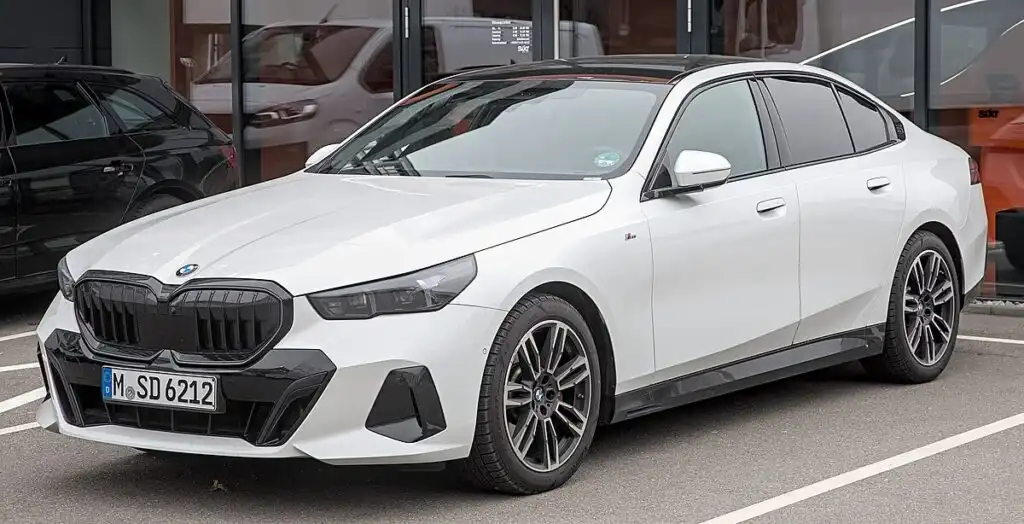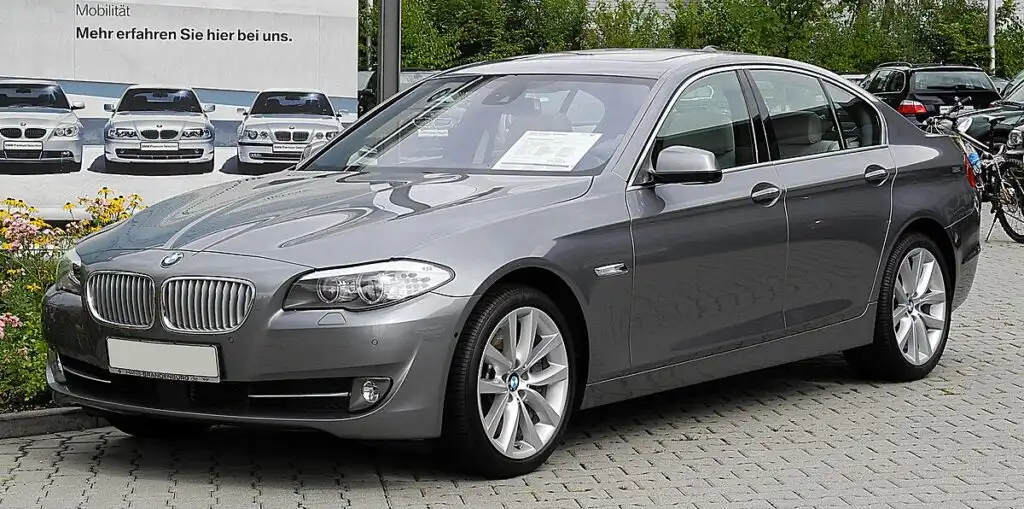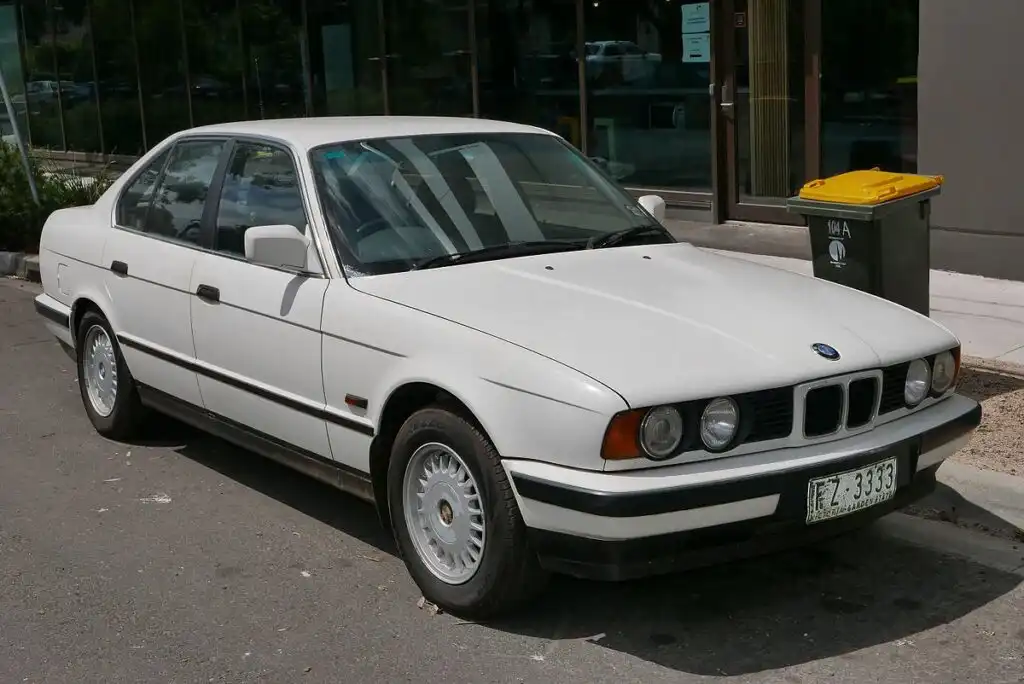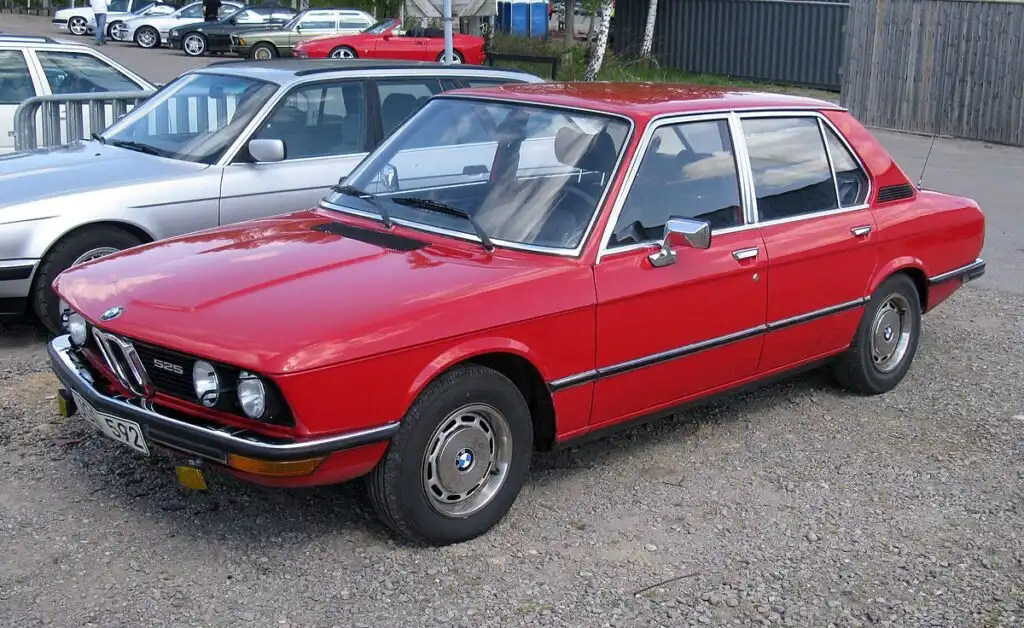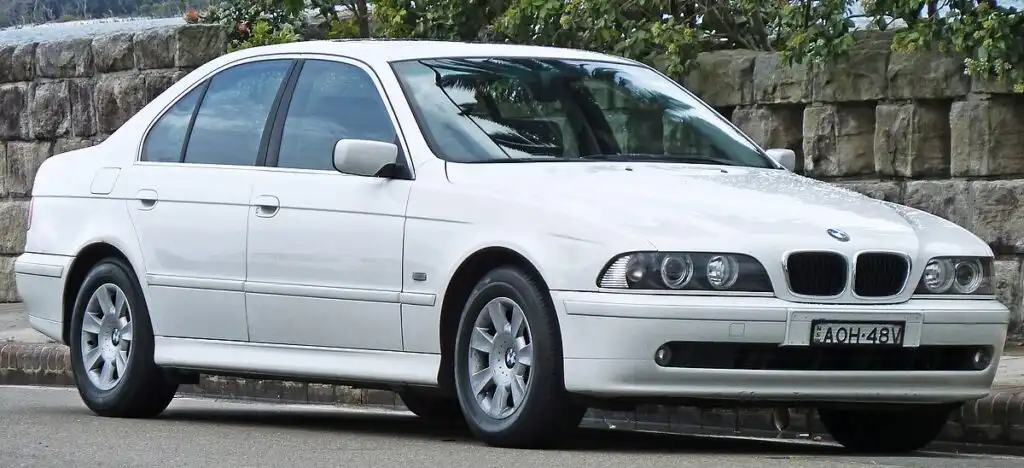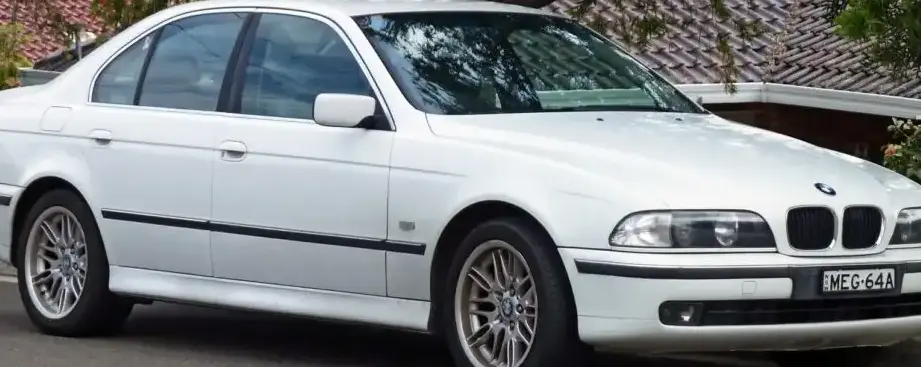
The BMW 540i V8, produced between 1998 and 2000, represented the performance pinnacle of the E39 5 Series generation. Positioned as the flagship model, it offered a significant step up in power and refinement compared to the 528i and 530i variants. Built in Germany, the E39 5 Series was BMW’s mid-size luxury sedan, designed to compete with the Mercedes-Benz E-Class and Audi A6. The 540i, with its naturally aspirated V8 engine and automatic transmission, catered to buyers seeking a blend of exhilarating performance and sophisticated comfort. It was a relatively short-lived model, superseded by the next-generation E60 5 Series in 2003.
Technical Specifications
| Brand | BMW |
| Model | 5 Series |
| Generation | 5 Series (E39) |
| Type (Engine) | 540i V8 (286 Hp) Automatic |
| Start of production | 1998 |
| End of production | 2000 |
| Powertrain Architecture | Internal Combustion engine |
| Body type | Sedan |
| Seats | 5 |
| Doors | 4 |
| Fuel consumption (economy) – urban | 19.9 l/100 km (11.8 US mpg) |
| Fuel consumption (economy) – extra urban | 9 l/100 km (26.1 US mpg) |
| Fuel Type | Petrol (Gasoline) |
| Acceleration 0 – 100 km/h | 6.5 sec |
| Acceleration 0 – 62 mph | 6.5 sec |
| Acceleration 0 – 60 mph | 6.2 sec |
| Maximum speed | 250 km/h (155.34 mph) |
| Weight-to-power ratio | 5.7 kg/Hp |
| Weight-to-torque ratio | 3.7 kg/Nm |
| Power | 286 Hp @ 5400 rpm |
| Torque | 440 Nm @ 3600 rpm (324.53 lb.-ft. @ 3600 rpm) |
| Engine layout | Front, Longitudinal |
| Engine Model/Code | M62B44 |
| Engine displacement | 4398 cm3 (268.38 cu. in.) |
| Number of cylinders | 8 |
| Engine configuration | V-engine |
| Cylinder Bore | 92 mm (3.62 in.) |
| Piston Stroke | 82.7 mm (3.26 in.) |
| Compression ratio | 10:1 |
| Number of valves per cylinder | 4 |
| Fuel injection system | Multi-port manifold injection |
| Engine aspiration | Naturally aspirated engine |
| Engine oil capacity | 7.5 l (7.93 US qt | 6.6 UK qt) |
| Coolant | 12 l (12.68 US qt | 10.56 UK qt) |
| Kerb Weight | 1630 kg (3593.53 lbs.) |
| Max. weight | 2170 kg (4784.03 lbs.) |
| Max load | 540 kg (1190.5 lbs.) |
| Trunk (boot) space – minimum | 460 l (16.24 cu. ft.) |
| Fuel tank capacity | 70 l (18.49 US gal | 15.4 UK gal) |
| Length | 4775 mm (187.99 in.) |
| Width | 1800 mm (70.87 in.) |
| Height | 1435 mm (56.5 in.) |
| Wheelbase | 2830 mm (111.42 in.) |
| Front track | 1512 mm (59.53 in.) |
| Rear (Back) track | 1526 mm (60.08 in.) |
| Drivetrain Architecture | Rear wheel drive |
| Number of gears and type of gearbox | 5 gears, automatic transmission |
| Front suspension | Wishbone |
| Rear suspension | Several levers and rods |
| Front brakes | Ventilated discs |
| Rear brakes | Ventilated discs |
| Assisting systems | ABS (Anti-lock braking system) |
| Steering type | Cone worm with recirculation balls |
| Power steering | Hydraulic Steering |
| Tires size | 225/55 R16W |
| Wheel rims size | 16 |
Powertrain & Engine Architecture
The heart of the 540i was the M62B44, a 4.4-liter naturally aspirated V8 engine. This engine featured an aluminum alloy block and cylinder heads, contributing to a relatively lightweight construction for its size. It utilized a double overhead camshaft (DOHC) design with four valves per cylinder, enhancing breathing and power output. Fuel delivery was managed by a Bosch Motronic multi-port fuel injection system. The M62 engine was known for its smooth power delivery and distinctive V8 sound. The 540i was exclusively paired with a 5-speed automatic transmission (5HP30), chosen for its smooth shifting and ability to handle the engine’s substantial torque. This transmission featured adaptive shift programming, adjusting shift points based on driving style.
Driving Characteristics
The 540i Automatic offered a markedly different driving experience compared to the 528i or 530i models, and even compared to the 540i with a manual transmission. The automatic transmission, while smooth, did introduce a slight degree of torque converter slip, resulting in a less direct connection to the engine. Acceleration from 0-60 mph took approximately 6.2 seconds, a respectable figure for the late 1990s. The V8 engine provided ample low-end torque, making everyday driving effortless. However, the automatic transmission’s programming prioritized comfort over outright performance, meaning the engine didn’t rev as eagerly as it would in a manual-equipped car. The gear ratios were tuned for relaxed cruising, making it an excellent grand tourer.
Equipment & Trim Levels
The 540i came standard with a generous array of features, reflecting its position as the range-topping model. Standard equipment included leather upholstery, power-adjustable front seats with memory function, automatic climate control, a premium sound system, and a sunroof. Optional extras included navigation system, sport seats, upgraded interior trim, and a self-leveling rear suspension. The interior design was characterized by its understated elegance and high-quality materials. The dashboard layout was typical of BMW at the time, with a driver-focused design and intuitive controls.
Chassis & Braking
The E39 5 Series featured a sophisticated chassis design, incorporating a multi-link rear suspension for improved ride comfort and handling. The 540i typically came equipped with larger stabilizer bars compared to the lower-trim models, further enhancing its cornering stability. Braking duties were handled by ventilated disc brakes on all four wheels, providing ample stopping power. Anti-lock braking system (ABS) was standard. The steering system utilized a hydraulic power steering setup, offering a balanced feel between assistance and feedback.
Market Reception & Comparison
The 540i was generally well-received by automotive critics, who praised its powerful engine, refined ride, and luxurious interior. However, the automatic transmission was sometimes criticized for being less engaging than the manual option. Fuel economy was also a concern, with the V8 engine consuming significantly more fuel than the inline-six engines offered in the 528i and 530i. Compared to its rivals, the 540i offered a compelling blend of performance and luxury, but the Mercedes-Benz E430 and Audi A6 4.2 offered similar levels of refinement and power. Reliability was generally good, although the M62 engine was known to be susceptible to coolant leaks over time.
Legacy
Today, the E39 540i V8 is considered a desirable classic BMW. The M62 engine, while requiring occasional maintenance, is generally regarded as a robust and reliable powerplant. Parts availability is good, and a thriving community of enthusiasts ensures that these cars are well-supported. The 540i Automatic remains a popular choice for those seeking a comfortable and capable grand tourer with a distinctive V8 soundtrack. Its blend of performance, luxury, and relative affordability has cemented its place as a modern classic.