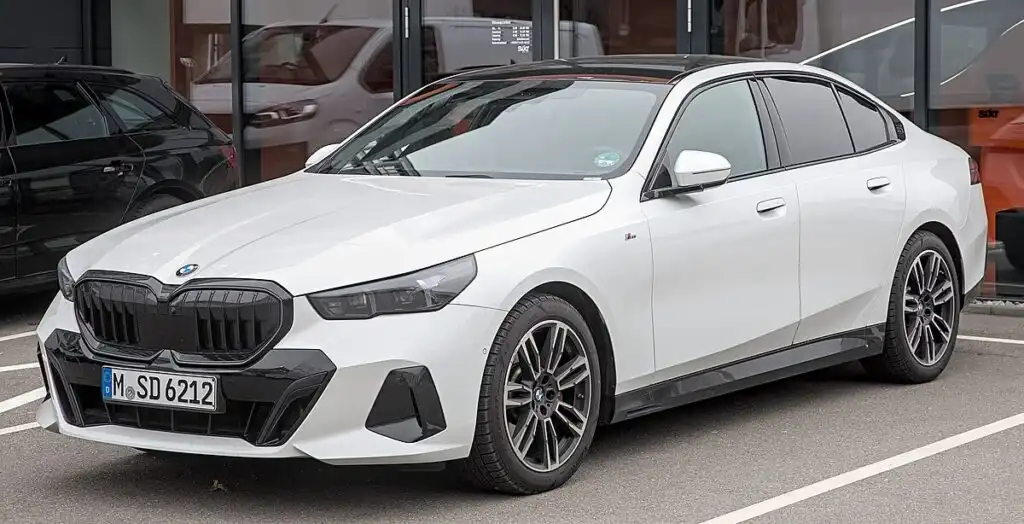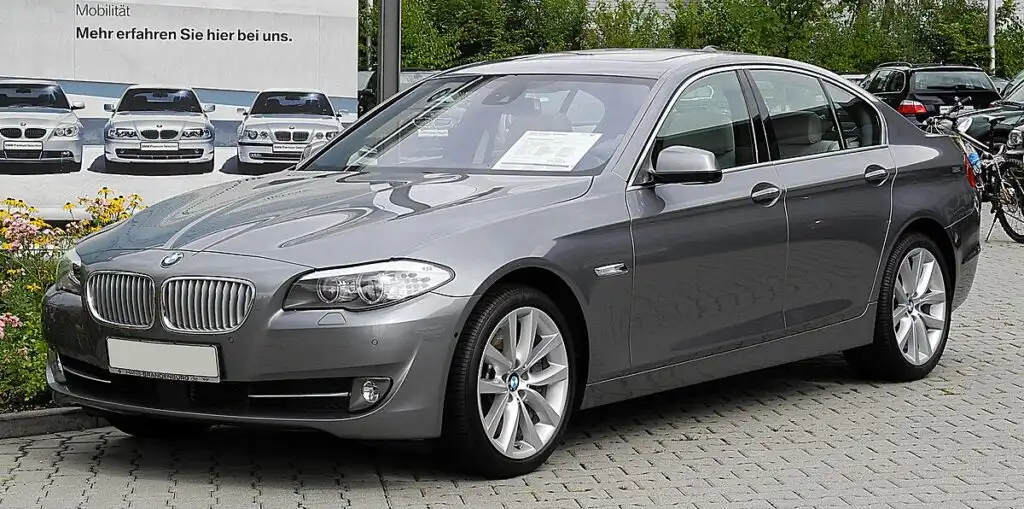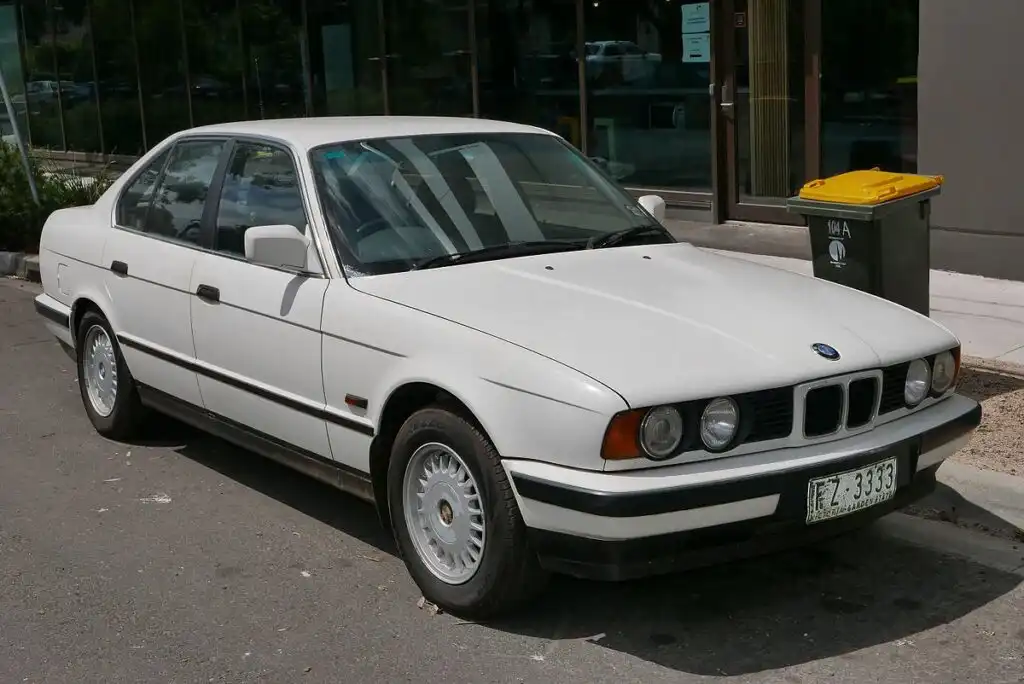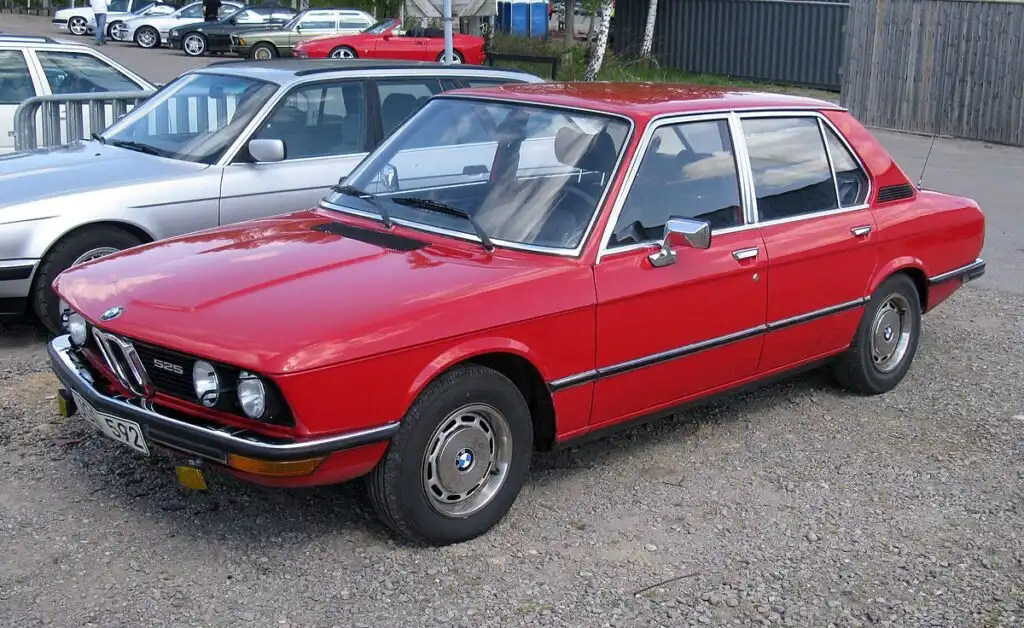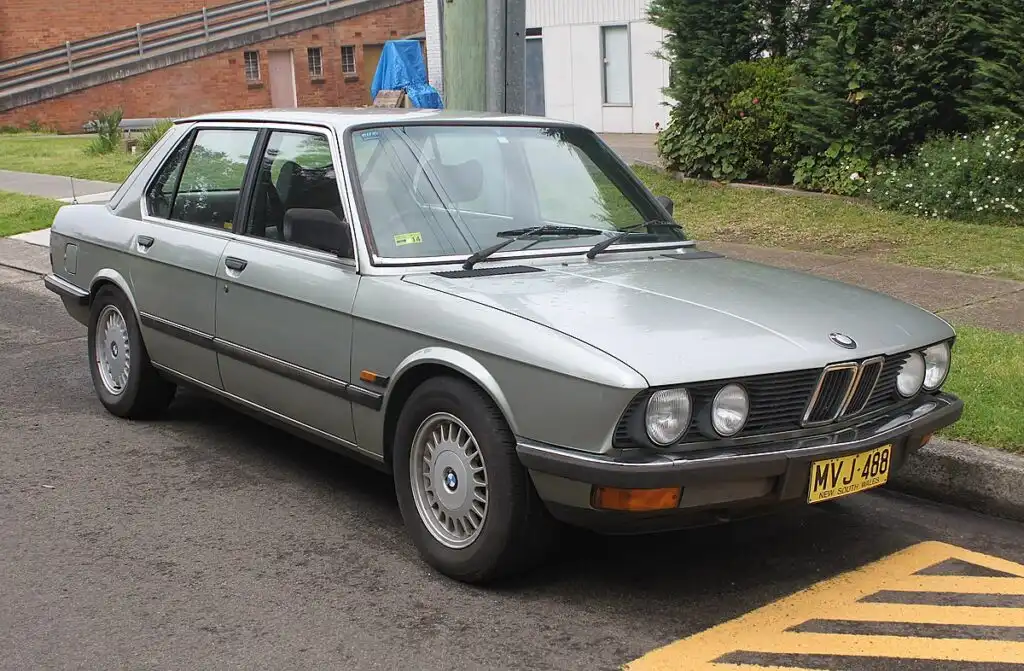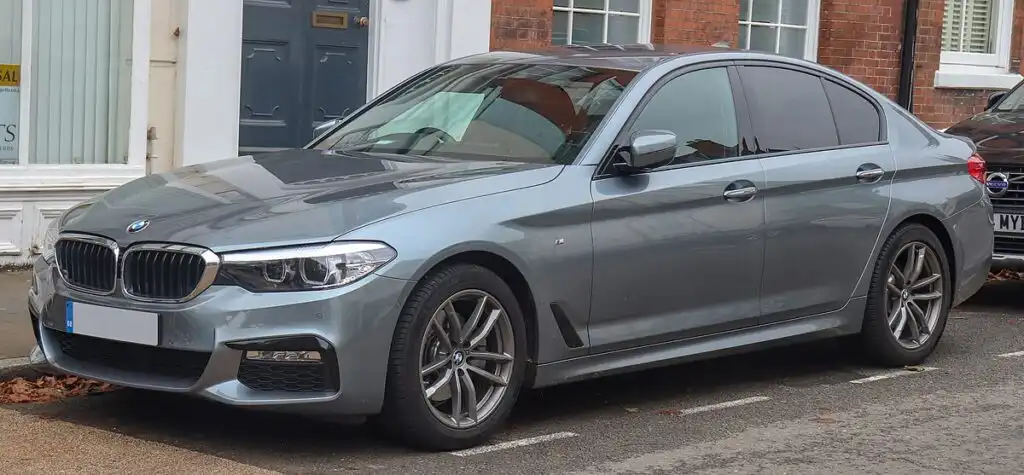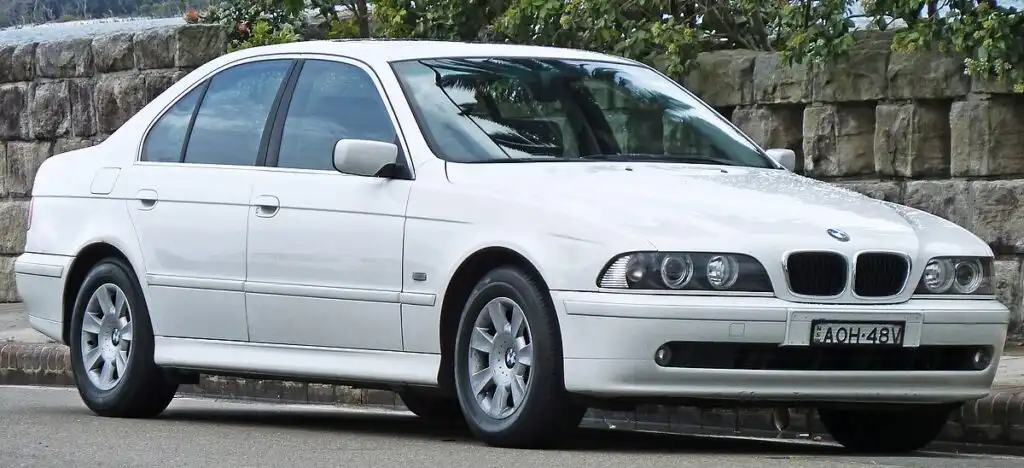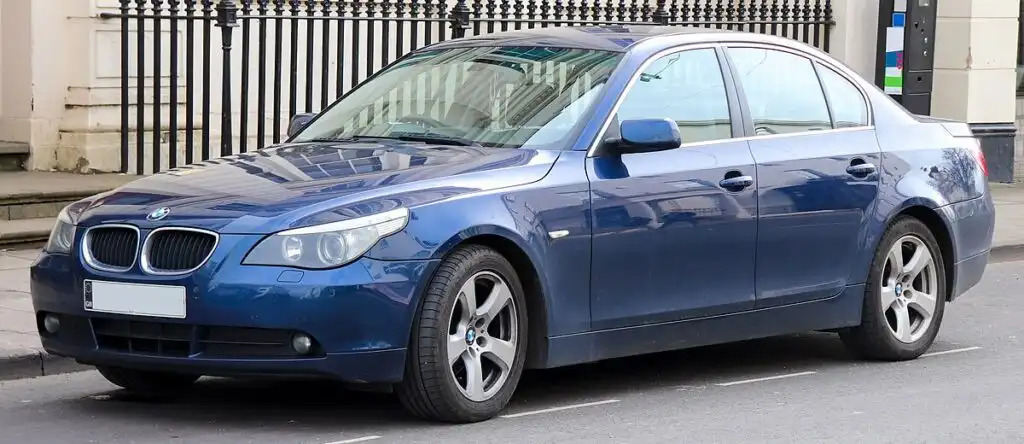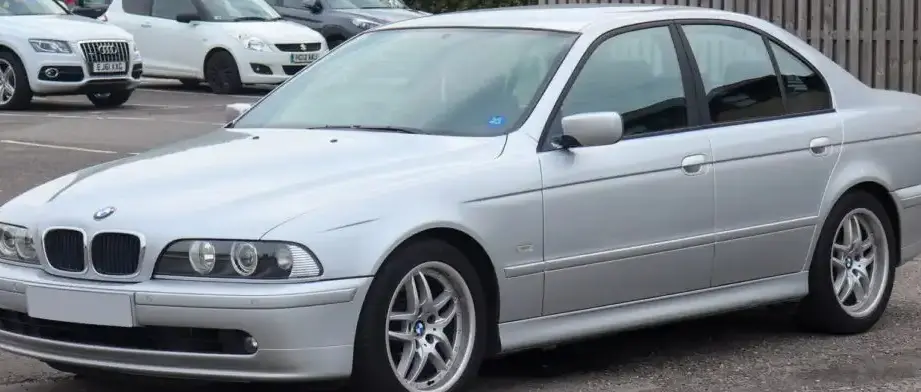
The BMW 525d, introduced as part of the E39 5 Series facelift in 2000 and continuing through 2003, represented BMW’s entry into the diesel-powered executive sedan market. Positioned as a fuel-efficient alternative to its gasoline-powered siblings, the 525d aimed to broaden the appeal of the E39 platform, particularly in Europe where diesel engines were – and continue to be – highly favored. This variant utilized BMW’s then-new M57D25 engine, offering a balance of performance and economy within the 5 Series range. It was a key offering in a generation known for its build quality, driving dynamics, and relatively understated styling.
Technical Specifications
| Brand | BMW |
| Model | 5 Series |
| Generation | 5 Series (E39, Facelift 2000) |
| Type (Engine) | 525d (163 Hp) |
| Start of production | 2000 year |
| End of production | 2003 year |
| Powertrain Architecture | Internal Combustion engine |
| Body type | Sedan |
| Seats | 5 |
| Doors | 4 |
| Fuel consumption (urban) | 9.2 l/100 km (25.6 US mpg) |
| Fuel consumption (extra urban) | 5.3 l/100 km (44.4 US mpg) |
| Fuel consumption (combined) | 6.7 l/100 km (35.1 US mpg) |
| Fuel Type | Diesel |
| Acceleration 0 – 100 km/h | 8.9 sec |
| Acceleration 0 – 62 mph | 8.9 sec |
| Acceleration 0 – 60 mph | 8.5 sec |
| Maximum speed | 219 km/h (136.08 mph) |
| Weight-to-power ratio | 9.7 kg/Hp |
| Weight-to-torque ratio | 4.5 kg/Nm |
| Power | 163 Hp @ 4000 rpm |
| Torque | 350 Nm @ 2000 rpm (258.15 lb.-ft. @ 2000 rpm) |
| Engine layout | Front, Longitudinal |
| Engine Model/Code | M57D25 |
| Engine displacement | 2497 cm3 (152.38 cu. in.) |
| Number of cylinders | 6 |
| Engine configuration | Inline |
| Cylinder Bore | 80 mm (3.15 in.) |
| Piston Stroke | 82.8 mm (3.26 in.) |
| Compression ratio | 17.5:1 |
| Number of valves per cylinder | 4 |
| Fuel injection system | Diesel Commonrail |
| Engine aspiration | Turbocharger, Intercooler |
| Valvetrain | OHC |
| Engine oil capacity | 6.5 l (6.87 US qt | 5.72 UK qt) |
| Coolant capacity | 9.2 l (9.72 US qt | 8.09 UK qt) |
| Kerb Weight | 1575 kg (3472.28 lbs.) |
| Max. weight | 2115 kg (4662.78 lbs.) |
| Max load | 540 kg (1190.5 lbs.) |
| Trunk (boot) space – minimum | 460 l (16.24 cu. ft.) |
| Fuel tank capacity | 70 l (18.49 US gal | 15.4 UK gal) |
| Length | 4775 mm (187.99 in.) |
| Width | 1800 mm (70.87 in.) |
| Height | 1435 mm (56.5 in.) |
| Wheelbase | 2830 mm (111.42 in.) |
| Front track | 1512 mm (59.53 in.) |
| Rear track | 1526 mm (60.08 in.) |
| Ride height (ground clearance) | 120 mm (4.72 in.) |
| Drivetrain Architecture | Rear wheel drive |
| Number of gears | 5 |
| Gearbox type | Manual transmission |
| Front suspension | Wishbone |
| Rear suspension | Several levers and rods |
| Front brakes | Ventilated discs |
| Rear brakes | Ventilated discs |
| Assisting systems | ABS (Anti-lock braking system) |
| Steering type | Steering rack and pinion |
| Power steering | Hydraulic Steering |
| Tires size | 205/65 R15 |
| Wheel rims size | 15 |
Powertrain & Engine Architecture
The heart of the 525d is the M57D25, a 2.5-liter inline-six diesel engine. This engine was a significant step forward for BMW, incorporating common rail direct injection, a variable geometry turbocharger, and four valves per cylinder. The common rail system, operating at extremely high pressures, allowed for finer control of fuel delivery, resulting in improved combustion efficiency and reduced emissions. The turbocharger, with its variable geometry vanes, provided a broader torque curve and minimized turbo lag. The engine produced 163 horsepower at 4000 rpm and a substantial 258 lb-ft of torque at just 2000 rpm. The 5-speed manual transmission was standard, providing a direct connection to the engine’s power. While an automatic transmission was available, it was less common and often perceived as detracting from the driving experience.
Driving Characteristics
The 525d offered a distinctly different driving experience compared to its gasoline-powered counterparts. While lacking the outright acceleration of the 530i or 540i, the 525d excelled in providing strong, usable torque from low engine speeds. This made it a relaxed and effortless cruiser, particularly on highways. The manual transmission, with its well-defined gate, allowed for precise gear changes and enhanced driver engagement. The gear ratios were optimized for fuel efficiency and mid-range acceleration, rather than outright performance. Compared to the higher-output models, the 525d felt less eager to rev, but its abundant torque meant it rarely needed to be pushed hard. The rear-wheel-drive configuration, a hallmark of BMW sedans, contributed to balanced handling and a sporty feel.
Equipment & Trim Levels
The 525d typically came equipped with a respectable level of standard features, including power windows, power locks, air conditioning, and an AM/FM stereo. Upholstery was generally cloth, although leather was available as an option. Optional extras included a sunroof, heated seats, a navigation system, and upgraded audio systems. Trim levels were relatively simple, with most customization occurring through individual option selections. The interior design was typical of the E39, characterized by a clean, functional layout and high-quality materials. The dashboard featured analog gauges and a straightforward control layout, prioritizing usability over flashy aesthetics.
Chassis & Braking
The 525d shared the E39’s robust chassis and suspension design. Front suspension utilized a MacPherson strut setup, while the rear employed a multi-link independent suspension. This configuration provided a comfortable ride while maintaining good handling characteristics. Brakes consisted of ventilated discs at all four corners, providing ample stopping power. Anti-lock braking system (ABS) was standard. Due to the diesel engine’s added weight, the 525d often featured slightly stiffer suspension components compared to the lighter gasoline models. Stabilizer bars were used front and rear to reduce body roll during cornering.
Market Reception & Comparison
The 525d was generally well-received by automotive critics, particularly in Europe. It was praised for its fuel efficiency, strong torque, and comfortable ride. However, some reviewers noted that the engine lacked the refinement and responsiveness of its gasoline counterparts. Compared to the 530i, the 525d offered significantly better fuel economy but less overall performance. Against the 540i, the difference in performance was even more pronounced. The 525d’s main advantage lay in its ability to deliver a premium driving experience with lower running costs. Reliability was generally good, although the common rail injection system could be prone to issues if not properly maintained.
Legacy
The M57D25 engine proved to be a durable and reliable powerplant, and many 525d models continue to be driven today. The E39 525d has gained a reputation as a solid and dependable used car, offering a good balance of comfort, economy, and driving enjoyment. While not as sought-after as the higher-performance 540i, the 525d represents a compelling option for those seeking a classic BMW sedan with lower running costs. Maintenance costs are generally reasonable, although sourcing parts for the diesel-specific components can sometimes be challenging. The 525d remains a testament to BMW’s engineering prowess and its commitment to providing a diverse range of vehicles to meet the needs of different drivers.