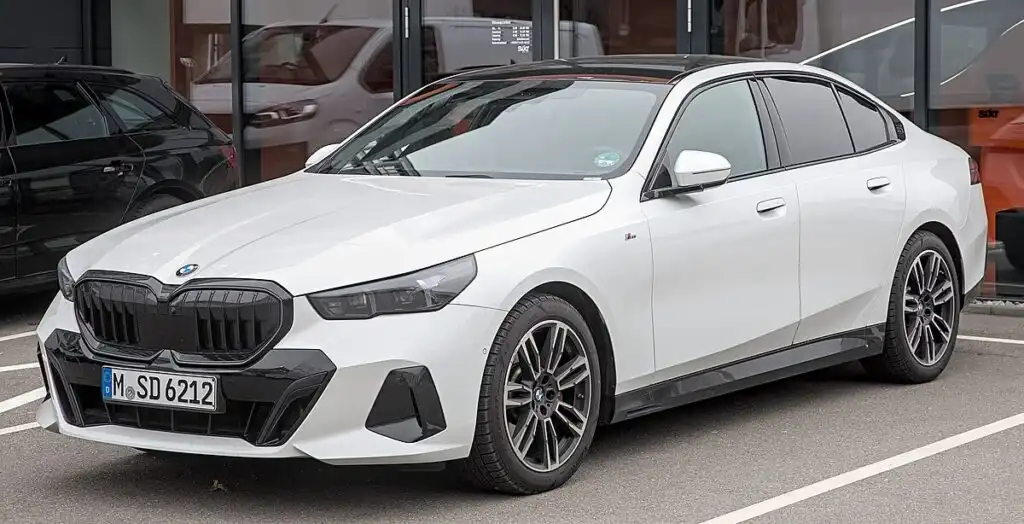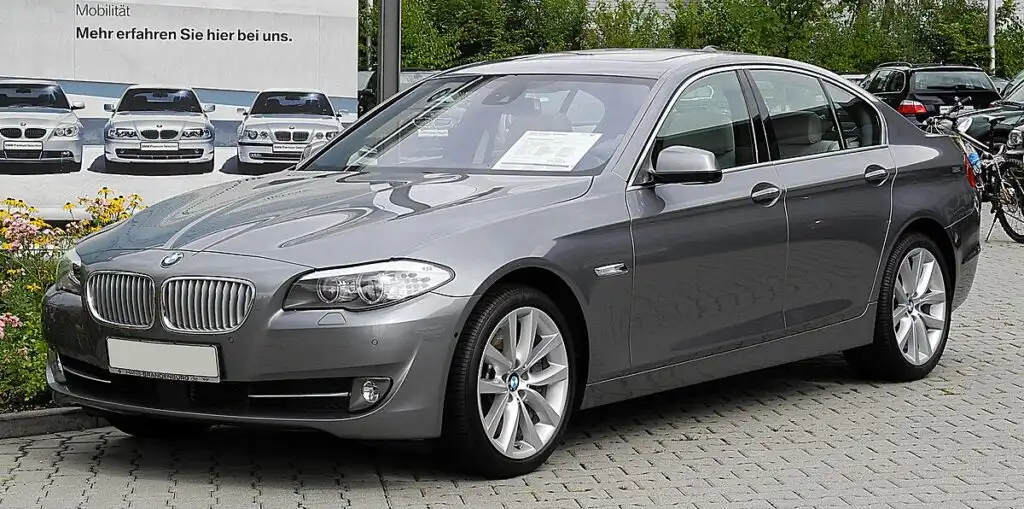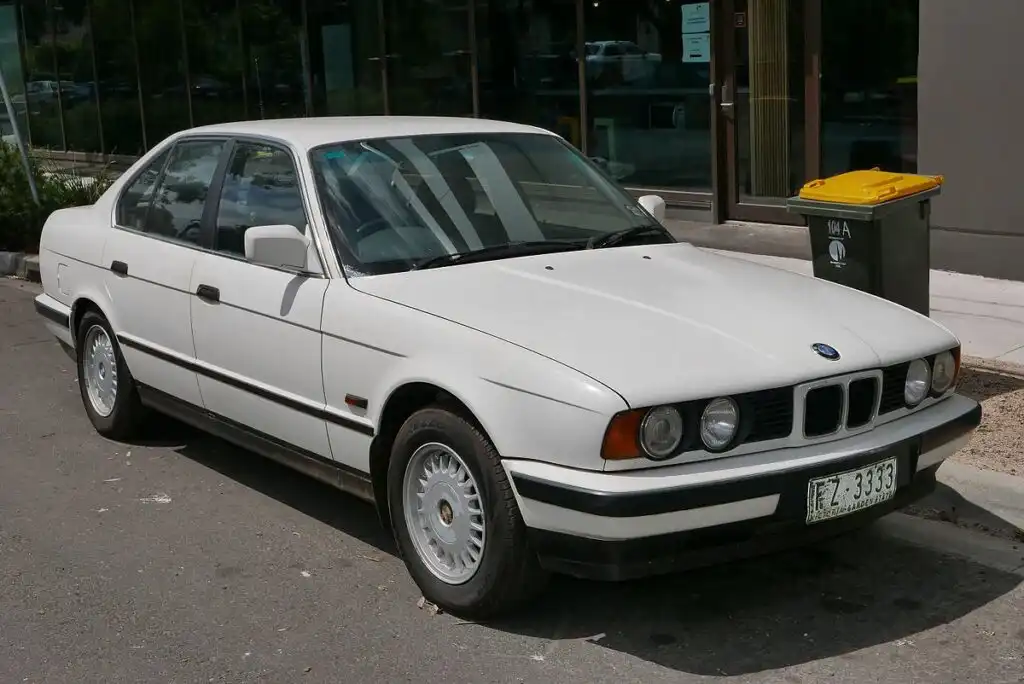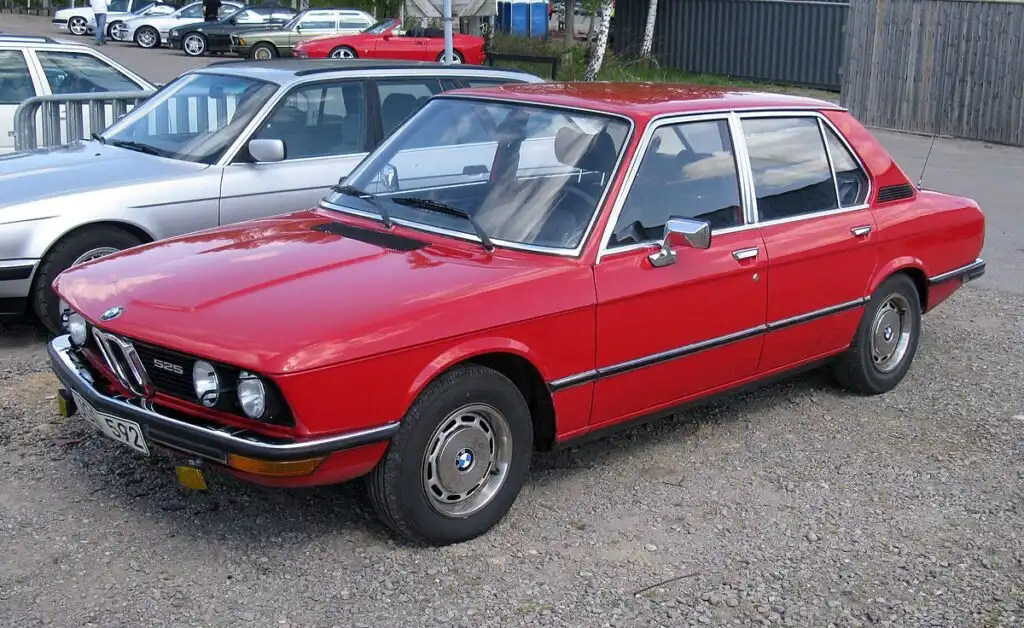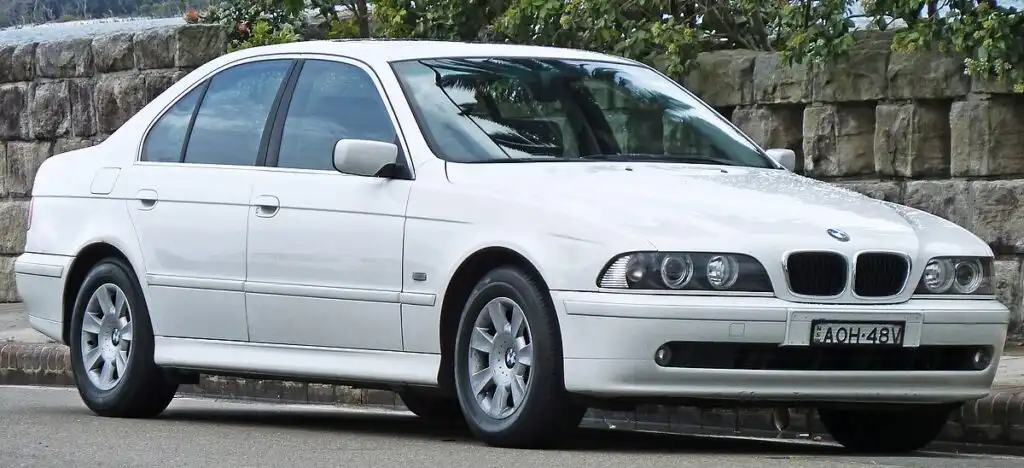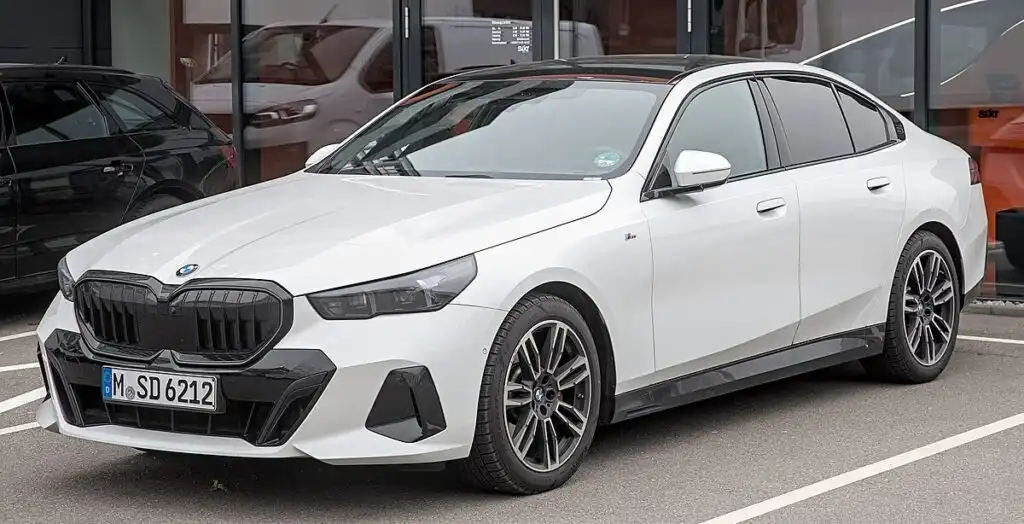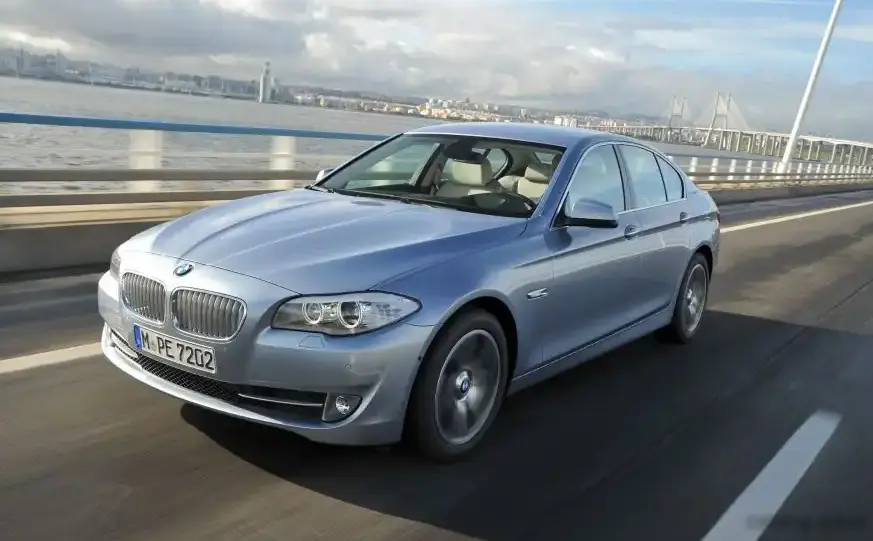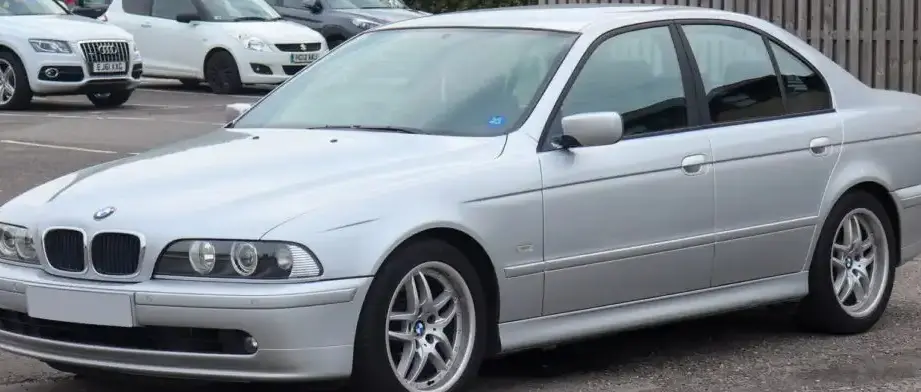
The BMW 525d Steptronic, introduced as part of the E39 5 Series facelift in 2000 and continuing through 2004, represented a significant step in BMW’s diesel offerings for the European market and increasingly, for those seeking fuel efficiency in other regions. This variant combined a 2.5-liter inline-six diesel engine with BMW’s Steptronic automatic transmission, positioning itself as a comfortable and economical choice within the broader 5 Series lineup. It aimed to bridge the gap between the entry-level 520d and the more performance-oriented 530d, appealing to drivers prioritizing refinement and long-distance cruising capability.
Technical Specifications
| Brand | BMW |
| Model | 5 Series |
| Generation | 5 Series (E39, Facelift 2000) |
| Type (Engine) | 525d (163 Hp) Steptronic |
| Start of production | 2000 |
| End of production | 2004 |
| Powertrain Architecture | Internal Combustion engine |
| Body type | Sedan |
| Seats | 5 |
| Doors | 4 |
| Fuel consumption (urban) | 11 l/100 km (21.4 US mpg, 25.7 UK mpg, 9.1 km/l) |
| Fuel consumption (extra urban) | 6.4 l/100 km (36.8 US mpg, 44.1 UK mpg, 15.6 km/l) |
| Fuel consumption (combined) | 8.1 l/100 km (29 US mpg, 34.9 UK mpg, 12.3 km/l) |
| Fuel Type | Diesel |
| Acceleration 0 – 100 km/h | 9.1 sec |
| Acceleration 0 – 62 mph | 9.1 sec |
| Acceleration 0 – 60 mph | 8.6 sec |
| Maximum speed | 219 km/h (136.08 mph) |
| Weight-to-power ratio | 9.8 kg/Hp, 102.2 Hp/tonne |
| Weight-to-torque ratio | 4.6 kg/Nm, 219.4 Nm/tonne |
| Power | 163 Hp @ 4000 rpm |
| Power per litre | 65.3 Hp/l |
| Torque | 350 Nm @ 2000 rpm (258.15 lb.-ft. @ 2000 rpm) |
| Engine layout | Front, Longitudinal |
| Engine Model/Code | M57D25 |
| Engine displacement | 2497 cm3 (152.38 cu. in.) |
| Number of cylinders | 6 |
| Engine configuration | Inline |
| Cylinder Bore | 80 mm (3.15 in.) |
| Piston Stroke | 82.8 mm (3.26 in.) |
| Compression ratio | 17.5:1 |
| Number of valves per cylinder | 4 |
| Fuel injection system | Diesel Commonrail |
| Engine aspiration | Turbocharger, Intercooler |
| Valvetrain | OHC |
| Engine oil capacity | 6.5 l (6.87 US qt | 5.72 UK qt) |
| Coolant | 9.2 l (9.72 US qt | 8.09 UK qt) |
| Kerb Weight | 1595 kg (3516.37 lbs.) |
| Max. weight | 2135 kg (4706.87 lbs.) |
| Max load | 540 kg (1190.5 lbs.) |
| Trunk (boot) space – minimum | 460 l (16.24 cu. ft.) |
| Fuel tank capacity | 70 l (18.49 US gal | 15.4 UK gal) |
| Length | 4775 mm (187.99 in.) |
| Width | 1800 mm (70.87 in.) |
| Height | 1435 mm (56.5 in.) |
| Wheelbase | 2830 mm (111.42 in.) |
| Front track | 1512 mm (59.53 in.) |
| Rear (Back) track | 1526 mm (60.08 in.) |
| Ride height (ground clearance) | 120 mm (4.72 in.) |
| Drivetrain Architecture | Rear wheel drive |
| Number of gears and type of gearbox | 5 gears, automatic transmission |
| Front suspension | Wishbone |
| Rear suspension | Several levers and rods |
| Front brakes | Ventilated discs |
| Rear brakes | Ventilated discs |
| Assisting systems | ABS (Anti-lock braking system) |
| Steering type | Steering rack and pinion |
| Power steering | Hydraulic Steering |
| Tires size | 205/65 VR15 |
| Wheel rims size | 15 |
Powertrain & Engine Architecture
The heart of the 525d Steptronic is the M57D25, a 2.5-liter inline-six diesel engine. This engine was a cornerstone of BMW’s diesel strategy in the early 2000s, known for its robust construction and relatively smooth operation for a diesel. The ‘D25’ designation indicates its approximate displacement. The M57 featured a cast iron block and aluminum cylinder head, a common configuration for durability. Crucially, it employed common rail direct injection, a technology that allowed for precise fuel delivery and improved combustion efficiency. The common rail system, operating at extremely high pressures, atomized the fuel into a fine mist, enhancing mixing with air and reducing emissions. A turbocharger with an intercooler was standard, boosting power output and improving torque across the rev range. The engine utilized a single overhead camshaft (OHC) design, operating four valves per cylinder. The Steptronic automatic transmission was a 5-speed unit, offering both fully automatic operation and a manual shift mode for greater driver control. This transmission was known for its smooth shifts and responsiveness, contributing to the overall refined driving experience.
Driving Characteristics
The 525d Steptronic offered a distinctly different driving experience compared to its petrol-powered siblings and even the higher-output 530d. While not a sports car, the 350 Nm (258 lb-ft) of torque available from 2000 rpm provided ample pulling power for everyday driving and overtaking maneuvers. The automatic transmission, while smooth, did slightly diminish the sense of urgency compared to a manual gearbox. Acceleration from 0-60 mph took around 8.6 seconds, respectable for the era, but noticeably slower than the 530i. The gear ratios were tuned for fuel efficiency and comfortable cruising, rather than outright performance. The engine was relatively quiet for a diesel, but the characteristic diesel clatter was still present, particularly at idle. The focus was on providing a relaxed and effortless driving experience, making it well-suited for long journeys.
Equipment & Trim Levels
The 525d Steptronic typically came equipped with a solid base of standard features, including automatic climate control, power windows, power mirrors, and a basic audio system. Upholstery was generally cloth, although leather was available as an option. The dashboard layout was typical of the E39, characterized by a functional and understated design. Optional extras included a premium sound system, navigation system, sunroof, and heated seats. The Steptronic transmission itself was considered a premium feature, adding to the overall cost of the vehicle. Wood trim was often included to enhance the interior ambiance.
Chassis & Braking
The E39 5 Series featured a well-engineered chassis with a MacPherson strut front suspension and a multi-link rear suspension. The 525d, being a mid-range model, generally utilized slightly softer spring rates and stabilizer bars compared to the more performance-focused variants. Braking was handled by ventilated discs on all four wheels, providing adequate stopping power. Anti-lock Braking System (ABS) was standard. The suspension setup prioritized ride comfort and stability, making it a capable and predictable handler.
Market Reception & Comparison
The 525d Steptronic was generally well-received by automotive critics as a practical and economical choice within the 5 Series range. It was praised for its fuel efficiency, comfortable ride, and refined driving experience. However, some critics noted that the performance was not as exhilarating as the petrol-powered models. Compared to the 520d, the 525d offered a noticeable power upgrade, while remaining more affordable than the 530d. Fuel economy was a key selling point, particularly in Europe where diesel fuel was significantly cheaper than petrol. Reliability was generally good, although the common rail injection system could be prone to issues if not properly maintained.
Legacy
The M57D25 engine proved to be a durable and reliable powerplant, and many examples are still on the road today. The 525d Steptronic has become a popular choice among enthusiasts seeking a comfortable and economical classic BMW. While maintenance costs can be higher than more modern vehicles, the robust construction of the engine and transmission means that they can withstand high mileage with proper care. The Steptronic transmission, while generally reliable, can require occasional servicing. Today, the 525d Steptronic represents a compelling blend of classic BMW styling, comfortable driving dynamics, and reasonable running costs, making it a desirable option in the used car market.