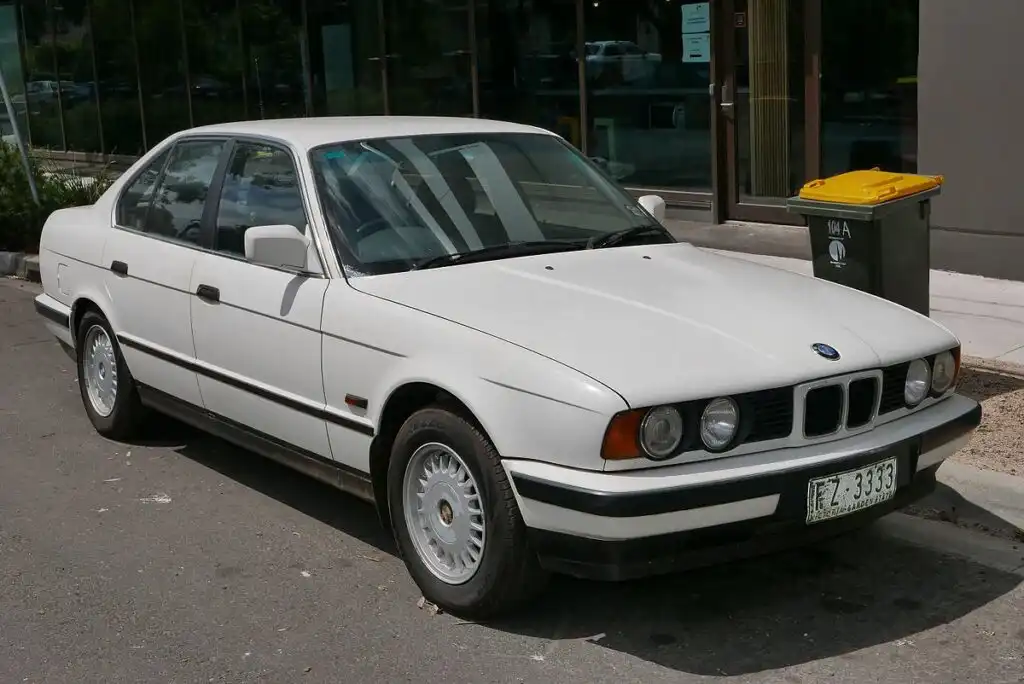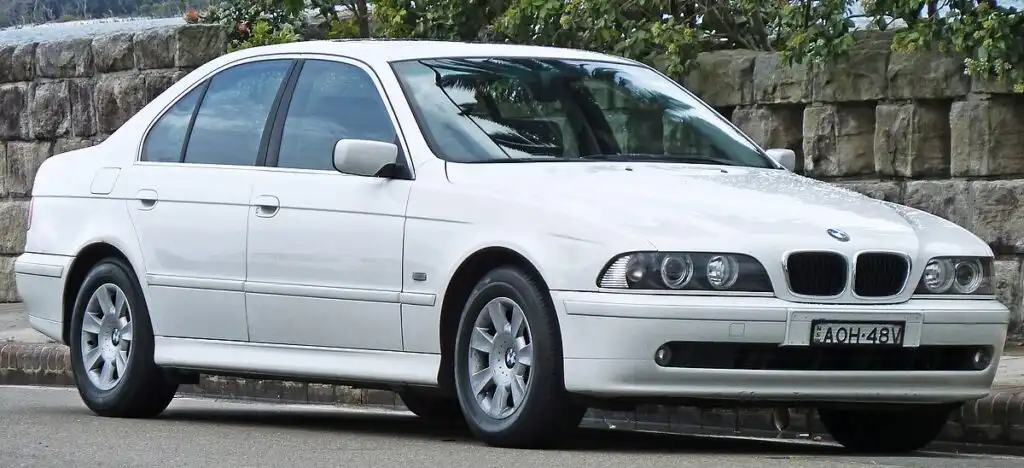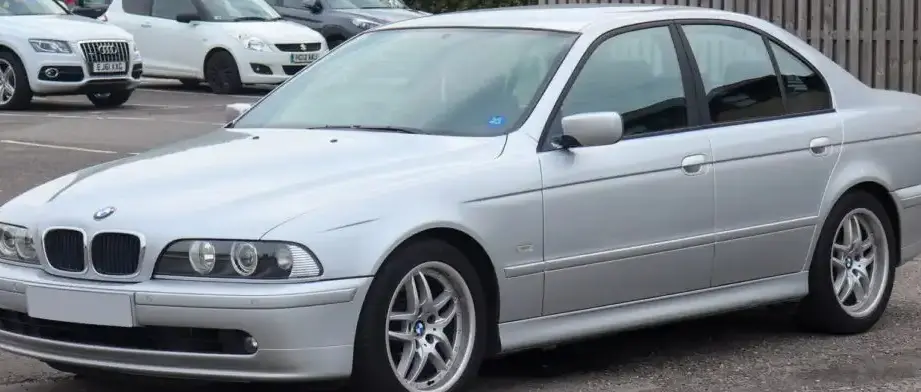
The BMW 525i 24V, produced from 2000 to 2003, represents a significant iteration of the E39 5 Series facelift. Positioned as a mid-range offering within the lineup, it aimed to balance performance and economy for buyers seeking a comfortable and capable executive sedan. This variant utilized the naturally aspirated M54 inline-six engine, paired with a five-speed automatic transmission, making it a popular choice for those prioritizing ease of driving over outright sportiness. The E39 generation, renowned for its build quality and driving dynamics, cemented BMW’s reputation for creating driver-focused vehicles.
Technical Specifications
| Brand | BMW |
| Model | 5 Series |
| Generation | 5 Series (E39, Facelift 2000) |
| Type (Engine) | 525i 24V (192 Hp) |
| Start of production | 2000 |
| End of production | 2003 |
| Powertrain Architecture | Internal Combustion engine |
| Body type | Sedan |
| Seats | 5 |
| Doors | 4 |
| Fuel consumption (urban) | 13.1 l/100 km (18 US mpg, 21.6 UK mpg) |
| Fuel consumption (extra urban) | 7.2 l/100 km (32.7 US mpg, 39.2 UK mpg) |
| Fuel consumption (combined) | 9.4 l/100 km (25 US mpg, 30.1 UK mpg) |
| Fuel Type | Petrol (Gasoline) |
| Acceleration 0 – 100 km/h | 8.1 sec |
| Acceleration 0 – 62 mph | 8.1 sec |
| Acceleration 0 – 60 mph | 7.7 sec |
| Maximum speed | 238 km/h (147.89 mph) |
| Weight-to-power ratio | 8.2 kg/Hp |
| Weight-to-torque ratio | 6.4 kg/Nm |
| Power | 192 Hp @ 6000 rpm |
| Torque | 245 Nm @ 3500 rpm (180.7 lb.-ft. @ 3500 rpm) |
| Engine layout | Front, Longitudinal |
| Engine Model/Code | M54B25 |
| Engine displacement | 2494 cm3 (152.19 cu. in.) |
| Number of cylinders | 6 |
| Engine configuration | Inline |
| Cylinder Bore | 84 mm (3.31 in.) |
| Piston Stroke | 75 mm (2.95 in.) |
| Compression ratio | 10.5:1 |
| Number of valves per cylinder | 4 |
| Fuel injection system | Multi-port manifold injection |
| Engine aspiration | Naturally aspirated |
| Valvetrain | DOHC |
| Engine oil capacity | 6.5 l (6.87 US qt | 5.72 UK qt) |
| Coolant capacity | 10.5 l (11.1 US qt | 9.24 UK qt) |
| Kerb Weight | 1575 kg (3472.28 lbs.) |
| Max. weight | 2010 kg (4431.29 lbs.) |
| Max load | 435 kg (959.01 lbs.) |
| Trunk (boot) space – minimum | 460 l (16.24 cu. ft.) |
| Fuel tank capacity | 70 l (18.49 US gal | 15.4 UK gal) |
| Length | 4775 mm (187.99 in.) |
| Width | 1800 mm (70.87 in.) |
| Height | 1435 mm (56.5 in.) |
| Wheelbase | 2830 mm (111.42 in.) |
| Front track | 1516 mm (59.69 in.) |
| Rear track | 1530 mm (60.24 in.) |
| Drivetrain | Rear wheel drive |
| Number of gears | 5 |
| Gearbox type | Automatic |
| Front suspension | Wishbone |
| Rear suspension | Inclined Lever |
| Front brakes | Ventilated discs |
| Rear brakes | Ventilated discs |
| Assisting systems | ABS (Anti-lock braking system) |
| Steering type | Steering rack and pinion |
| Power steering | Hydraulic |
| Tires size | 225/60 R15 |
| Wheel rims size | 15 |
INTRODUCTION
The BMW 525i 24V (2000-2003) occupied a crucial position in the E39 5 Series range. Following the mid-cycle facelift in 1998, the 525i received updates to its styling, interior, and engine management systems. It was designed to appeal to buyers who desired the prestige and refinement of the 5 Series without the higher price tag and performance focus of the 530i or 540i models. The combination of the M54 engine and automatic transmission provided a smooth and comfortable driving experience, making it well-suited for daily commuting and long-distance travel. The E39 platform, known for its balanced chassis and responsive steering, ensured a rewarding driving experience even in this more accessible trim level.
Powertrain & Engine Architecture
At the heart of the 525i 24V lies the M54B25, a 2.5-liter inline-six engine. This engine is a descendant of the highly regarded M52 series, benefiting from improvements in engine management, variable valve timing (VANOS), and overall refinement. The M54B25 utilizes a single overhead camshaft (SOHC) design per cylinder bank, operating with four valves per cylinder. Fuel delivery is managed by a Bosch Motronic system employing multi-port fuel injection. The engine’s robust construction and relatively simple design contribute to its reliability. The five-speed automatic transmission (typically the ZF 5HP19) was chosen for its smooth shifting and overall refinement. This transmission features electronic control and adaptive shift programming, adjusting shift points based on driving style and conditions. While not as sporty as the available manual transmission, the automatic provided a more relaxed driving experience, aligning with the target audience for this trim.
Driving Characteristics
The 525i automatic delivers a comfortable and refined driving experience. Acceleration from 0-60 mph takes approximately 7.7 seconds, which, while not blistering, is adequate for most driving situations. The automatic transmission’s gear ratios are tuned for smooth transitions and fuel efficiency, rather than aggressive acceleration. Compared to the manual transmission version of the 525i, the automatic feels slightly less responsive, particularly during quick overtaking maneuvers. However, the automatic’s ease of use and relaxed cruising ability make it a popular choice for daily driving. Compared to the higher-output 530i and 540i models, the 525i offers a more manageable power delivery, making it less prone to wheelspin and easier to control in adverse conditions. The E39’s well-tuned suspension provides a comfortable ride, absorbing bumps and imperfections in the road surface effectively.
Equipment & Trim Levels
The 525i 24V came standard with a respectable array of features, including power windows, power locks, a sunroof, and air conditioning. Interior upholstery typically consisted of cloth or leatherette, with leather being an optional upgrade. Standard dashboard trim was wood veneer, although other finishes were available. Optional extras included a premium sound system, navigation system, heated front seats, and automatic climate control. The 525i often served as a base for buyers to add options, allowing them to customize the vehicle to their preferences. Sport packages were available, adding features like sport seats, a sport suspension, and unique alloy wheels.
Chassis & Braking
The E39 5 Series features a robust chassis with independent suspension at all four wheels. The front suspension utilizes a MacPherson strut design, while the rear suspension employs an integral-arm setup. This configuration provides a good balance of ride comfort and handling precision. The 525i typically came equipped with ventilated disc brakes on all four wheels, providing ample stopping power. Anti-lock braking system (ABS) was standard, enhancing safety and control during emergency braking situations. The steering system is a rack-and-pinion design with hydraulic power assistance, offering precise and responsive steering feel. Stabilizer bars are fitted to both the front and rear axles to reduce body roll during cornering.
Market Reception & Comparison
The 525i 24V was generally well-received by automotive critics. It was praised for its comfortable ride, refined interior, and balanced handling. However, some critics noted that the automatic transmission could feel sluggish at times, and the engine’s performance was not as exhilarating as that of the 530i or 540i. In terms of fuel economy, the 525i offered a reasonable compromise between performance and efficiency, achieving around 25 mpg in combined driving. Compared to the 530i, the 525i offered a lower purchase price and slightly better fuel economy, making it a more attractive option for budget-conscious buyers. Compared to the diesel-powered 525d (available in Europe), the 525i offered a smoother and quieter driving experience, but with slightly lower fuel economy.
Legacy
The M54B25 engine, found in the 525i 24V, is known for its durability and reliability. With proper maintenance, these engines can easily exceed 200,000 miles. The E39 5 Series, as a whole, has developed a strong following among enthusiasts, and well-maintained examples are highly sought after in the used car market. The 525i automatic, while not the most performance-oriented variant, remains a popular choice for those seeking a comfortable, reliable, and affordable luxury sedan. Common maintenance items include oil changes, coolant flushes, and VANOS system servicing. The availability of aftermarket parts and a strong online community ensures that these vehicles can be kept on the road for years to come.