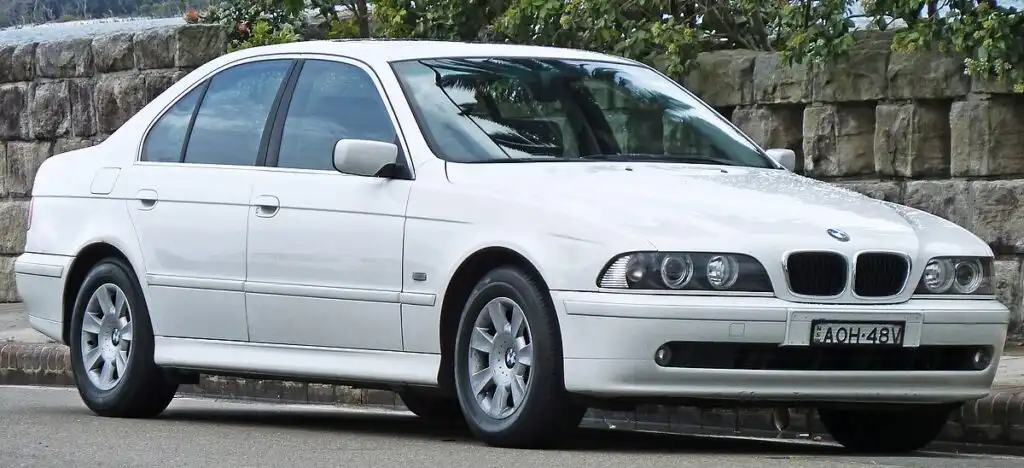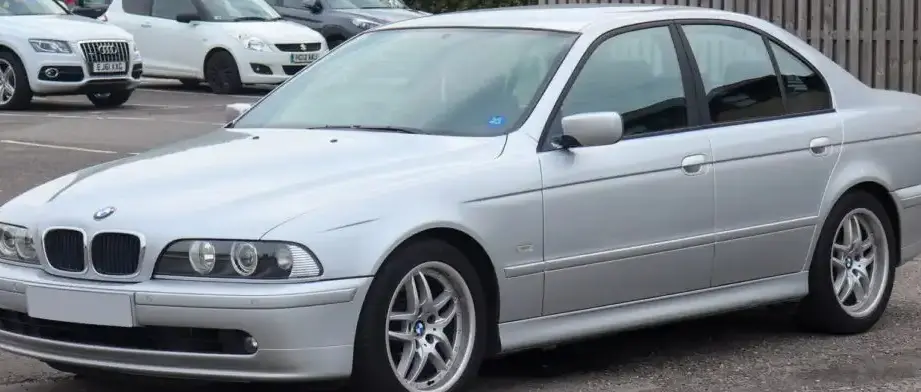
The BMW 530d, introduced as part of the E39 5 Series facelift in 2000 and continuing through 2003, represented a significant step forward in diesel performance and refinement for the executive sedan segment. This variant, powered by the M57D30 engine, offered a compelling blend of fuel efficiency, strong torque, and respectable horsepower, making it a popular choice in European markets. While not officially sold in the United States during its production run, the E39 530d has gained a following among enthusiasts importing examples for its unique driving experience and build quality. It occupied a mid-range position within the E39 lineup, slotting above the 525d and below the more powerful 540d.
Technical Specifications
| Brand | BMW |
| Model | 5 Series |
| Generation | 5 Series (E39, Facelift 2000) |
| Type (Engine) | 530d (193 Hp) |
| Start of production | 2000 year |
| End of production | 2003 year |
| Powertrain Architecture | Internal Combustion engine |
| Body type | Sedan |
| Seats | 5 |
| Doors | 4 |
| Fuel consumption (urban) | 9.7 l/100 km (24.2 US mpg) |
| Fuel consumption (extra urban) | 5.6 l/100 km (42 US mpg) |
| Fuel consumption (combined) | 7.1 l/100 km (33.1 US mpg) |
| Fuel Type | Diesel |
| Acceleration 0 – 100 km/h | 7.8 sec |
| Acceleration 0 – 62 mph | 7.8 sec |
| Acceleration 0 – 60 mph | 7.4 sec |
| Maximum speed | 230 km/h (142.92 mph) |
| Weight-to-power ratio | 8.4 kg/Hp |
| Weight-to-torque ratio | 4 kg/Nm |
| Power | 193 Hp @ 4000 rpm |
| Torque | 410 Nm @ 1750 rpm (302.4 lb.-ft. @ 1750 rpm) |
| Engine layout | Front, Longitudinal |
| Engine Model/Code | M57D30 |
| Engine displacement | 2926 cm3 (178.56 cu. in.) |
| Number of cylinders | 6 |
| Engine configuration | Inline |
| Cylinder Bore | 84 mm (3.31 in.) |
| Piston Stroke | 88 mm (3.46 in.) |
| Compression ratio | 18:1 |
| Number of valves per cylinder | 4 |
| Fuel injection system | Diesel Commonrail |
| Engine aspiration | Turbocharger, Intercooler |
| Engine oil capacity | 6.5 l (6.87 US qt | 5.72 UK qt) |
| Coolant capacity | 9.2 l (9.72 US qt | 8.09 UK qt) |
| Kerb Weight | 1625 kg (3582.51 lbs.) |
| Max. weight | 2165 kg (4773.01 lbs.) |
| Max load | 540 kg (1190.5 lbs.) |
| Trunk (boot) space – minimum | 460 l (16.24 cu. ft.) |
| Fuel tank capacity | 70 l (18.49 US gal | 15.4 UK gal) |
| Length | 4775 mm (187.99 in.) |
| Width | 1800 mm (70.87 in.) |
| Height | 1435 mm (56.5 in.) |
| Wheelbase | 2830 mm (111.42 in.) |
| Front track | 1516 mm (59.69 in.) |
| Rear (Back) track | 1530 mm (60.24 in.) |
| Drivetrain Architecture | Rear wheel drive |
| Number of gears | 5 |
| Gearbox type | Manual transmission |
| Front suspension | Wishbone |
| Rear suspension | Several levers and rods |
| Front brakes | Ventilated discs |
| Rear brakes | Ventilated discs |
| Assisting systems | ABS (Anti-lock braking system) |
| Steering type | Steering rack and pinion |
| Power steering | Hydraulic Steering |
| Tires size | 225/55 R16 |
| Wheel rims size | 16 |
Powertrain & Engine Architecture
The heart of the E39 530d is the M57D30, a 3.0-liter inline-six cylinder diesel engine. This engine was a significant advancement for BMW, utilizing common rail direct injection technology to deliver improved fuel economy, reduced emissions, and increased power compared to earlier diesel offerings. The M57D30 featured a cast iron block, aluminum cylinder head, and four valves per cylinder. A variable geometry turbocharger (VGT) with an intercooler further enhanced performance, providing strong low-end torque and a broad powerband. The engine produced 193 horsepower at 4000 rpm and a substantial 302 lb-ft of torque at just 1750 rpm. The 5-speed manual transmission was standard, providing precise shifts and a direct connection to the engine. While an automatic transmission was available, the manual was favored by enthusiasts for its responsiveness and engagement.
Driving Characteristics
The E39 530d with the manual transmission offered a surprisingly engaging driving experience. The abundant low-end torque made everyday driving effortless, with strong acceleration in any gear. While not a sports car, the 530d could accelerate from 0 to 60 mph in around 7.4 seconds, a respectable figure for a diesel-powered executive sedan of that era. Compared to the 525d, the 530d offered a noticeable performance boost, while remaining more fuel-efficient than the larger 540d. The manual gearbox allowed for precise control, and the chassis provided a comfortable yet composed ride. The automatic transmission, while smooth, did detract slightly from the overall driving experience, feeling less responsive and diminishing the engine’s character.
Equipment & Trim Levels
The E39 530d typically came well-equipped, reflecting its position as a premium sedan. Standard features included automatic climate control, power windows and locks, a multi-function steering wheel, and a high-quality audio system. Interior upholstery was typically cloth or leather, with wood trim accents available. Optional extras included a sunroof, navigation system, sport seats, and upgraded audio systems. Trim levels varied slightly depending on the market, but generally offered a range of customization options to suit individual preferences.
Chassis & Braking
The E39 5 Series featured a robust chassis with independent suspension at all four wheels. The front suspension utilized a MacPherson strut design, while the rear employed a multi-link setup. This configuration provided a comfortable ride and good handling characteristics. Brakes consisted of ventilated discs all around, providing ample stopping power. Anti-lock braking system (ABS) was standard, enhancing safety and control. The 530d’s weight of around 3583 lbs was well-managed by the suspension, resulting in a balanced and predictable driving experience.
Market Reception & Comparison
The E39 530d was generally well-received by automotive critics, particularly in Europe where diesel engines were more prevalent. It was praised for its fuel efficiency, strong torque, and refined driving experience. Compared to its gasoline-powered siblings, the 530d offered significantly better fuel economy, making it an attractive option for high-mileage drivers. While the 540d offered more outright power, the 530d provided a more balanced combination of performance and efficiency. Reliability was generally good, although like any complex vehicle, the E39 530d could be prone to age-related issues.
Legacy
The E39 530d has become a sought-after classic among BMW enthusiasts. The M57D30 engine is known for its durability and longevity, and well-maintained examples can still provide reliable service today. The combination of a robust engine, comfortable chassis, and refined interior has made the E39 530d a popular choice for those seeking a classic BMW with modern sensibilities. While finding parts can sometimes be a challenge, the E39 530d remains a testament to BMW’s engineering prowess and a rewarding driving experience.