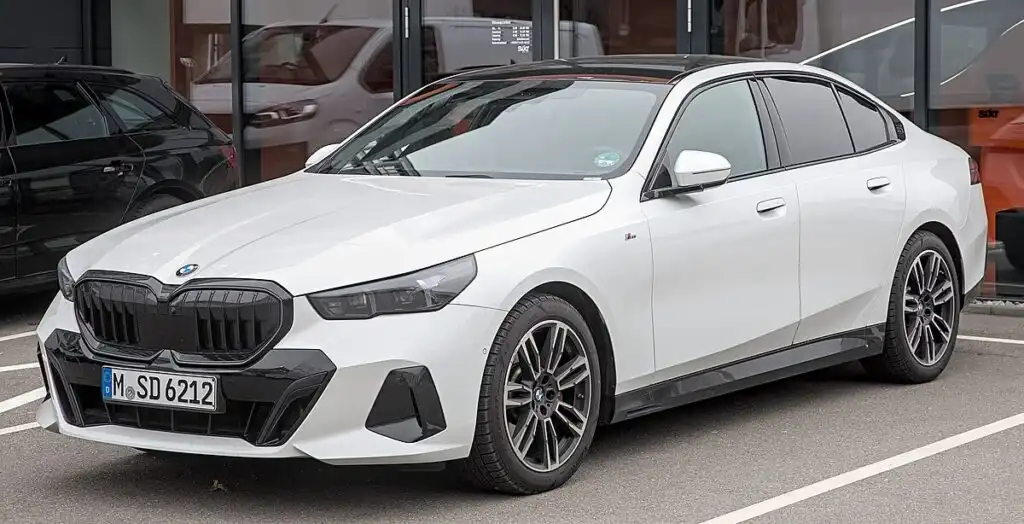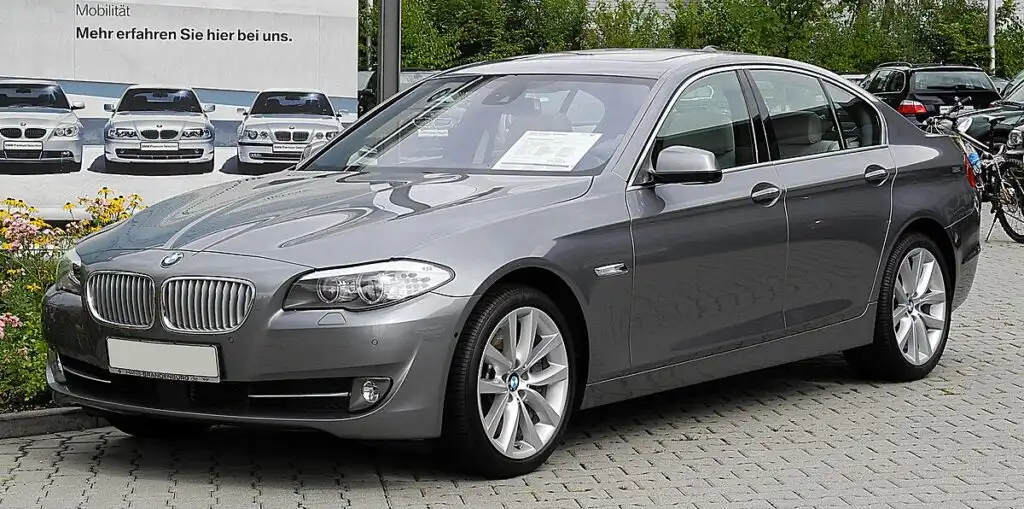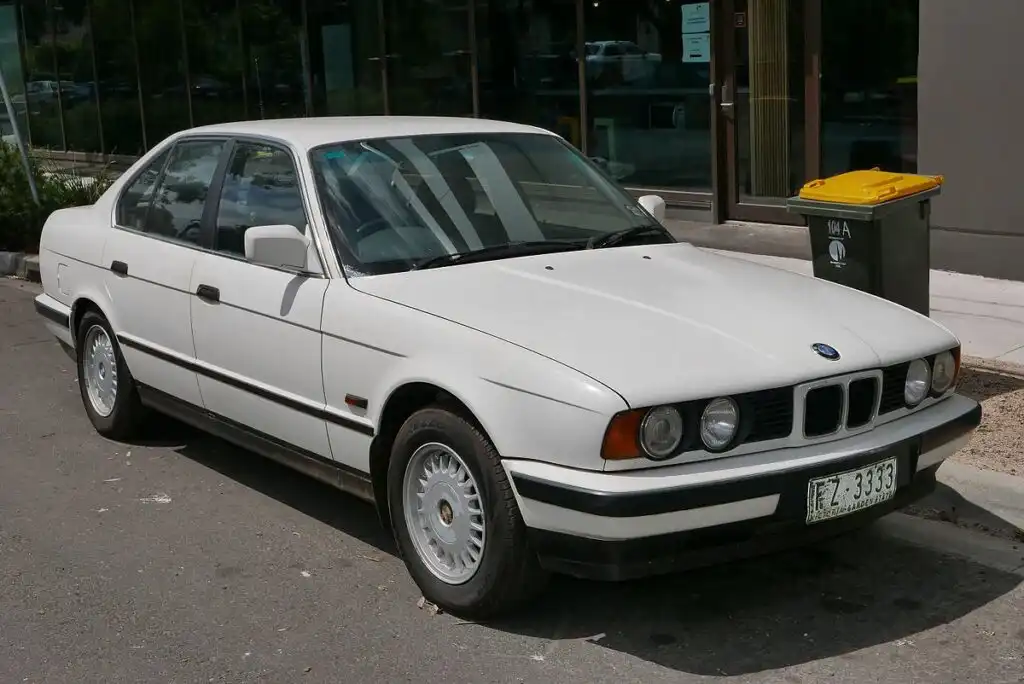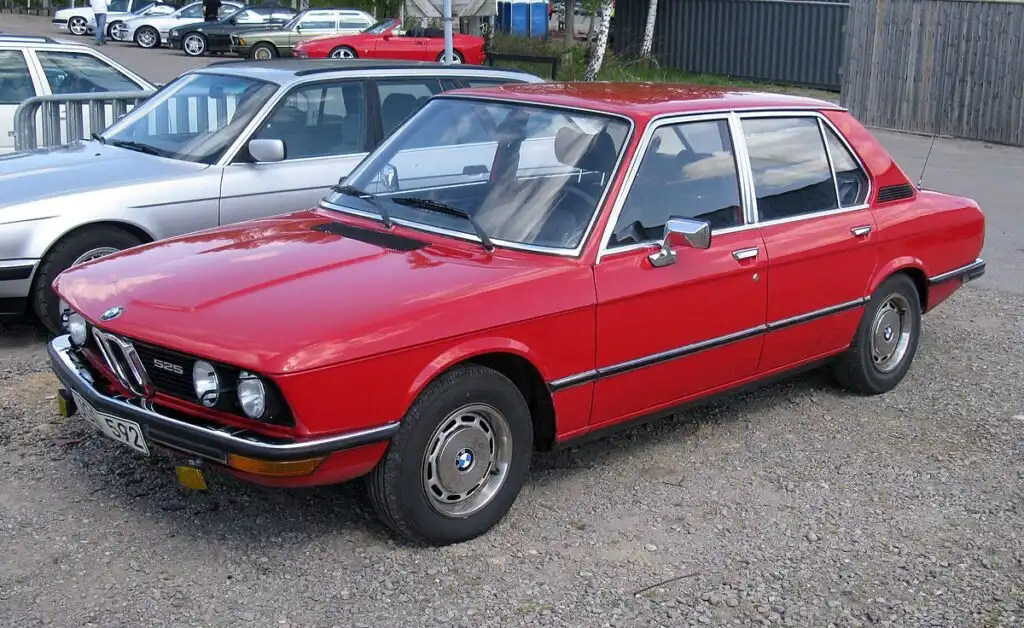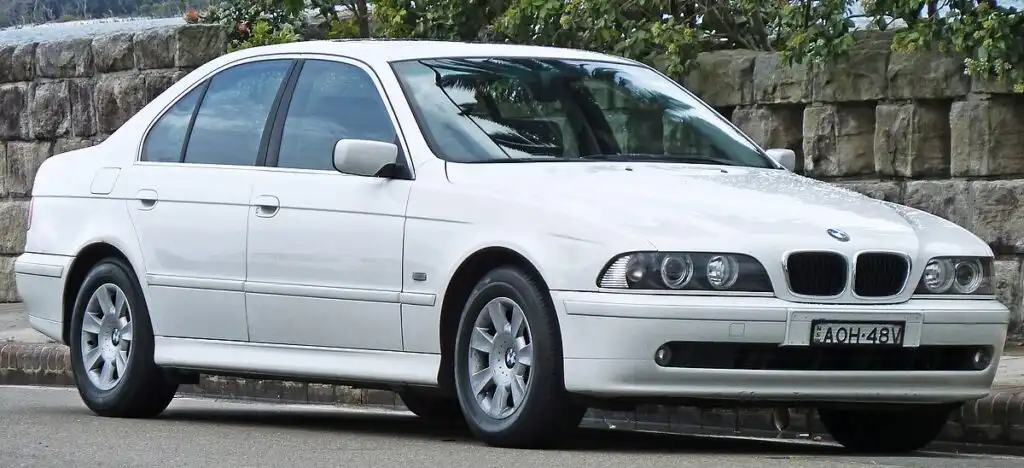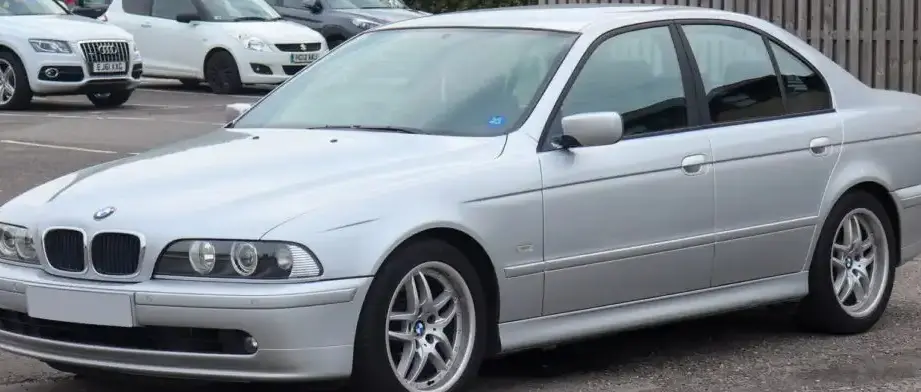
The BMW 530i, part of the E39 5 Series facelift produced from 2000 to 2003, represented a compelling blend of performance and luxury within the mid-size executive car segment. This variant, equipped with the M54B30 engine and a 5-speed Steptronic automatic transmission, occupied a sweet spot in the lineup, offering a significant step up in power and refinement compared to the base 523i and 525i models, while remaining more accessible than the flagship 540i. The E39 facelift, introduced in September 1998, brought revised styling, updated engines, and improved technology, solidifying the 5 Series’ reputation as a benchmark for driving dynamics and build quality.
Technical Specifications
| Brand | BMW |
| Model | 5 Series |
| Generation | 5 Series (E39, Facelift 2000) |
| Type (Engine) | 530i 24V (231 Hp) Steptronic |
| Start of production | 2000 |
| End of production | 2003 |
| Powertrain Architecture | Internal Combustion engine |
| Body type | Sedan |
| Seats | 5 |
| Doors | 4 |
| Fuel consumption (urban) | 15.7 l/100 km (15 US mpg, 18 UK mpg, 6.4 km/l) |
| Fuel consumption (extra urban) | 8.1 l/100 km (29 US mpg, 34.9 UK mpg, 12.3 km/l) |
| Fuel consumption (combined) | 10.7 l/100 km (22 US mpg, 26.4 UK mpg, 9.3 km/l) |
| Fuel Type | Petrol (Gasoline) |
| Acceleration 0 – 100 km/h | 7.6 sec |
| Acceleration 0 – 62 mph | 7.6 sec |
| Acceleration 0 – 60 mph | 7.2 sec |
| Maximum speed | 244 km/h (151.61 mph) |
| Weight-to-power ratio | 6.7 kg/Hp, 150 Hp/tonne |
| Weight-to-torque ratio | 5.1 kg/Nm, 194.8 Nm/tonne |
| Power | 231 Hp @ 5900 rpm |
| Power per litre | 77.5 Hp/l |
| Torque | 300 Nm @ 3500 rpm (221.27 lb.-ft. @ 3500 rpm) |
| Engine layout | Front, Longitudinal |
| Engine Model/Code | M54B30 |
| Engine displacement | 2979 cm3 (181.79 cu. in.) |
| Number of cylinders | 6 |
| Engine configuration | Inline |
| Cylinder Bore | 84 mm (3.31 in.) |
| Piston Stroke | 89.6 mm (3.53 in.) |
| Compression ratio | 10.2:1 |
| Number of valves per cylinder | 4 |
| Fuel injection system | Multi-port manifold injection |
| Engine aspiration | Naturally aspirated engine |
| Valvetrain | DOHC |
| Engine oil capacity | 6.5 l (6.87 US qt | 5.72 UK qt) |
| Coolant | 10.5 l (11.1 US qt | 9.24 UK qt) |
| Kerb Weight | 1540 kg (3395.12 lbs.) |
| Max. weight | 2070 kg (4563.57 lbs.) |
| Max load | 530 kg (1168.45 lbs.) |
| Trunk (boot) space – minimum | 460 l (16.24 cu. ft.) |
| Fuel tank capacity | 70 l (18.49 US gal | 15.4 UK gal) |
| Length | 4775 mm (187.99 in.) |
| Width | 1800 mm (70.87 in.) |
| Height | 1435 mm (56.5 in.) |
| Wheelbase | 2830 mm (111.42 in.) |
| Front track | 1516 mm (59.69 in.) |
| Rear (Back) track | 1530 mm (60.24 in.) |
| Drivetrain Architecture | Rear wheel drive |
| Drive wheel | Rear wheel drive |
| Number of gears and type of gearbox | 5 gears, automatic transmission |
| Front suspension | Wishbone |
| Rear suspension | Several levers and rods |
| Front brakes | Ventilated discs |
| Rear brakes | Disc |
| Assisting systems | ABS (Anti-lock braking system) |
| Steering type | Steering rack and pinion |
| Power steering | Hydraulic Steering |
| Tires size | 225/55 R16 |
| Wheel rims size | 16 |
Powertrain & Engine Architecture
The heart of the 530i was the M54B30, a 3.0-liter inline-six engine. This engine represented a significant evolution of BMW’s long-standing straight-six tradition. It featured a cast iron block with an aluminum cylinder head, double overhead camshafts (DOHC), and four valves per cylinder. The M54 utilized a Bosch Motronic MS 5.2 engine management system controlling multi-port fuel injection. This system optimized fuel delivery for both performance and efficiency. The engine produced 231 horsepower at 5900 rpm and 300 Nm (221 lb-ft) of torque at 3500 rpm. The Steptronic automatic transmission was a 5-speed unit offering both fully automatic operation and a manual shift mode, allowing drivers to have some control over gear selection. This transmission was known for its smooth shifts and responsiveness, contributing to a refined driving experience.
Driving Characteristics
The 530i Steptronic offered a balanced driving experience. While not as overtly sporty as the 540i or a 530i equipped with a manual transmission, the automatic provided a comfortable and effortless driving experience, particularly in urban environments. The automatic transmission’s gear ratios were tuned for a blend of acceleration and fuel economy. Acceleration from 0 to 60 mph took approximately 7.2 seconds, and the car had a top speed of 151.61 mph. Compared to the 523i and 525i, the 530i felt noticeably more powerful, with stronger acceleration in all gears. The automatic transmission, while smooth, did introduce a slight efficiency penalty compared to the manual, resulting in slightly lower fuel economy.
Equipment & Trim Levels
The 530i typically came well-equipped as standard. This included features like automatic climate control, power windows and locks, a premium sound system, and leather upholstery. Optional extras were plentiful, including a navigation system, sport seats, sunroof, and upgraded trim options. The interior design was characterized by BMW’s typically understated elegance, with a focus on ergonomics and build quality. The dashboard layout was clean and functional, with all controls within easy reach of the driver.
Chassis & Braking
The E39 5 Series featured a sophisticated chassis design. The front suspension utilized a MacPherson strut setup, while the rear employed a multi-link independent suspension. This configuration provided a comfortable ride while maintaining excellent handling characteristics. The 530i was equipped with ventilated disc brakes at the front and solid disc brakes at the rear. Anti-lock braking system (ABS) was standard, enhancing safety and control during hard braking. The steering was a hydraulic power-assisted rack and pinion system, providing precise and responsive steering feel.
Market Reception & Comparison
The 530i was generally well-received by automotive critics. It was praised for its powerful engine, refined ride, and high-quality interior. Compared to the 523i and 525i, the 530i offered a significant performance upgrade, making it a more appealing choice for drivers who prioritized power and responsiveness. However, the 540i, with its larger engine, remained the ultimate performance variant. Fuel economy was considered reasonable for a car of its size and performance, although it was not as fuel-efficient as the smaller-engined models. Reliability was generally good, although like all BMWs of this era, preventative maintenance was crucial.
Legacy
The E39 530i, particularly the facelift models, have developed a strong following among enthusiasts. The M54B30 engine is known for its durability and relatively straightforward maintenance. While age and mileage inevitably take their toll, well-maintained examples remain capable and enjoyable to drive. The Steptronic automatic transmission, while not as sought after as the manual, is generally reliable if properly serviced. Today, the E39 530i represents a compelling value proposition in the used car market, offering a blend of luxury, performance, and driving dynamics that is difficult to match in more modern vehicles. Finding a well-preserved example requires careful inspection, but the rewards – a classic BMW driving experience – are well worth the effort.