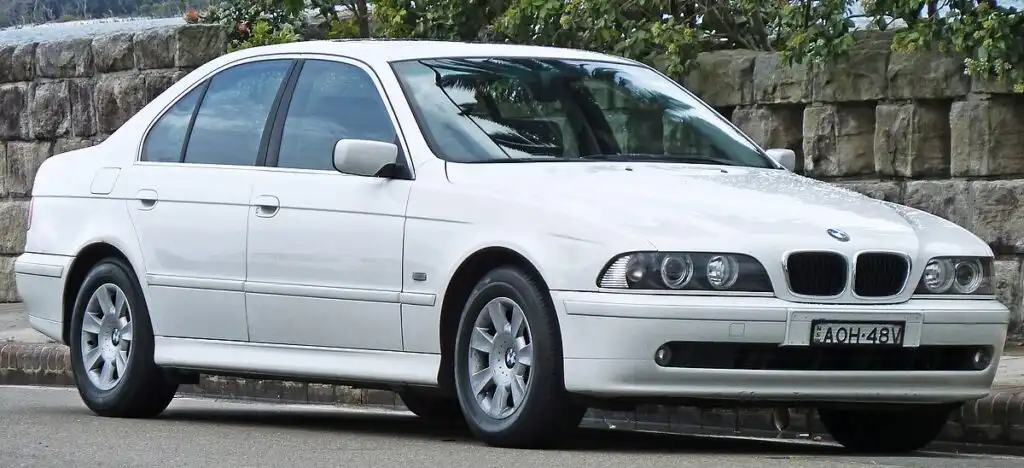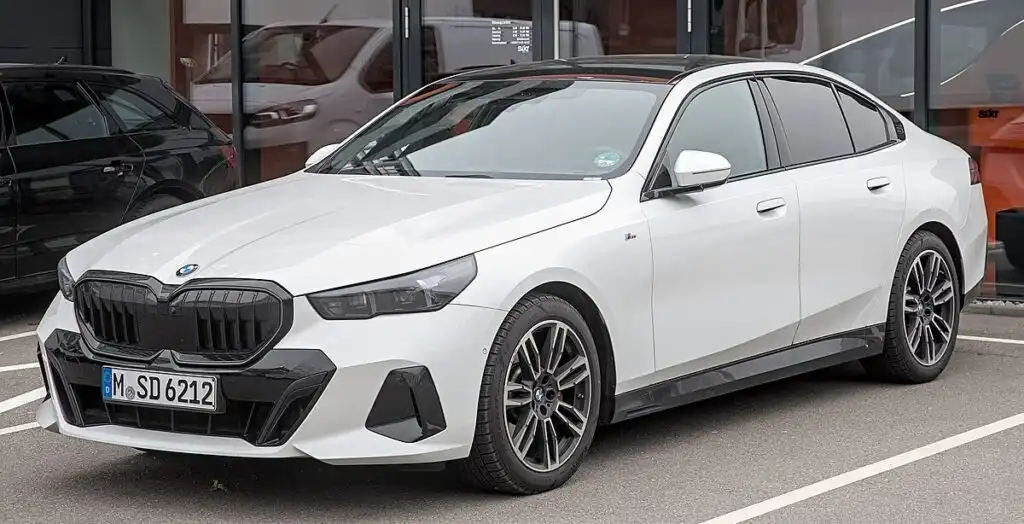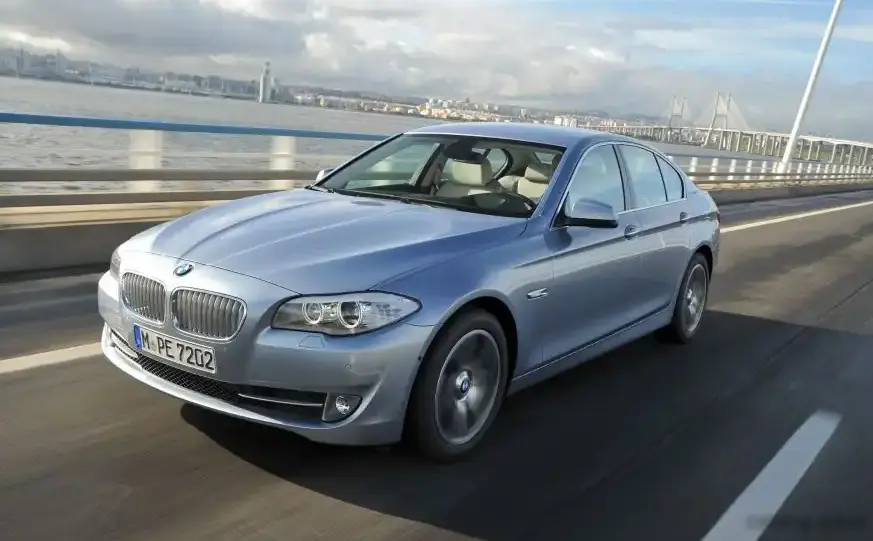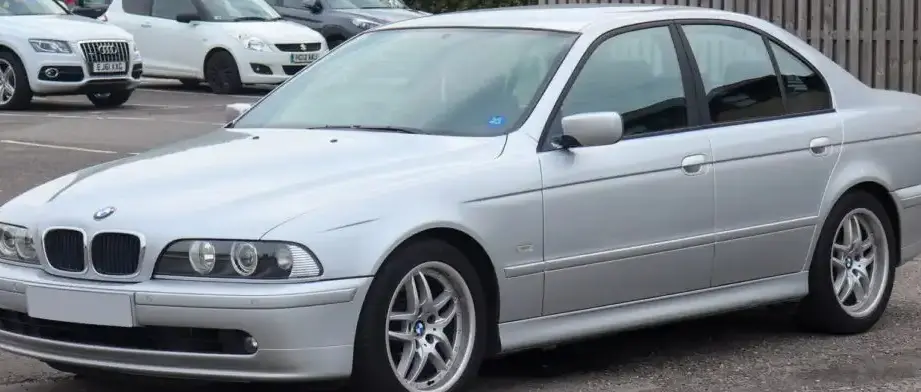
The BMW 535i, specifically the variant produced from 2000 to 2003 as part of the E39 facelift, represents a high-performance iteration of the fifth-generation 5 Series. Positioned as a step up from the 528i and below the flagship 540i, the 535i offered a compelling blend of luxury, performance, and technology. This model year saw significant revisions to the E39 platform, including updated styling, improved interior materials, and refinements to the engine and suspension. The 535i was primarily marketed towards buyers seeking a sophisticated and powerful executive sedan, appealing to those who desired a more engaging driving experience than the six-cylinder models but didn’t require the outright expense of the V12-powered 540i.
Technical Specifications
| Brand | BMW |
| Model | 5 Series |
| Generation | 5 Series (E39, Facelift 2000) |
| Type (Engine) | 535i V8 (245 Hp) |
| Start of production | 2000 year |
| End of production | 2003 year |
| Powertrain Architecture | Internal Combustion engine |
| Body type | Sedan |
| Seats | 5 |
| Doors | 4 |
| Fuel consumption (economy) – urban (NEDC) | 17.5 l/100 km (13.4 US mpg, 16.1 UK mpg, 5.7 km/l) |
| Fuel consumption (economy) – extra urban (NEDC) | 8.5 l/100 km (27.7 US mpg, 33.2 UK mpg, 11.8 km/l) |
| Fuel consumption (economy) – combined (NEDC) | 11.8 l/100 km (19.9 US mpg, 23.9 UK mpg, 8.5 km/l) |
| CO2 emissions (NEDC) | 283 g/km |
| Fuel Type | Petrol (Gasoline) |
| Acceleration 0 – 100 km/h | 6.9 sec |
| Acceleration 0 – 62 mph | 6.9 sec |
| Acceleration 0 – 60 mph | 6.6 sec |
| Maximum speed | 250 km/h (155.34 mph), Electronically limited |
| Emission standard | Euro 4 |
| Weight-to-power ratio | 6.6 kg/Hp, 152.2 Hp/tonne |
| Weight-to-torque ratio | 4.7 kg/Nm, 214.3 Nm/tonne |
| Power | 245 Hp @ 5800 rpm |
| Power per litre | 70 Hp/l |
| Torque | 345 Nm @ 3800 rpm (254.46 lb.-ft. @ 3800 rpm) |
| Engine layout | Front, Longitudinal |
| Engine Model/Code | M62B35TU |
| Engine displacement | 3498 cm3 (213.46 cu. in.) |
| Number of cylinders | 8 |
| Engine configuration | V-engine |
| Cylinder Bore | 84 mm (3.31 in.) |
| Piston Stroke | 78.9 mm (3.11 in.) |
| Compression ratio | 10:1 |
| Number of valves per cylinder | 4 |
| Fuel injection system | Multi-port manifold injection |
| Engine aspiration | Naturally aspirated engine |
| Valvetrain | DOHC |
| Engine oil capacity | 7.5 l (7.93 US qt | 6.6 UK qt) |
| Coolant | 12 l (12.68 US qt | 10.56 UK qt) |
| Kerb Weight | 1610 kg (3549.44 lbs.) |
| Max. weight | 2150 kg (4739.94 lbs.) |
| Max load | 540 kg (1190.5 lbs.) |
| Trunk (boot) space – minimum | 460 l (16.24 cu. ft.) |
| Fuel tank capacity | 70 l (18.49 US gal | 15.4 UK gal) |
| Max. roof load | 100 kg (220.46 lbs.) |
| Permitted trailer load with brakes (12%) | 2000 kg (4409.25 lbs.) |
| Permitted trailer load without brakes | 750 kg (1653.47 lbs.) |
| Length | 4775 mm (187.99 in.) |
| Width | 1800 mm (70.87 in.) |
| Width including mirrors | 1981 mm (77.99 in.) |
| Height | 1435 mm (56.5 in.) |
| Wheelbase | 2830 mm (111.42 in.) |
| Front track | 1512 mm (59.53 in.) |
| Rear (Back) track | 1526 mm (60.08 in.) |
| Minimum turning circle (turning diameter) | 11.3 m (37.07 ft.) |
| Drivetrain Architecture | The Internal combustion engine (ICE) drives the rear wheels of the vehicle. |
| Drive wheel | Rear wheel drive |
| Number of gears and type of gearbox | 5 gears, manual transmission |
| Front suspension | Spring Strut, Transverse stabilizer |
| Rear suspension | Independent multi-link suspension, Transverse stabilizer |
| Front brakes | Ventilated discs |
| Rear brakes | Ventilated discs |
| Assisting systems | ABS (Anti-lock braking system) |
| Steering type | Cone worm with recirculation balls |
| Power steering | Hydraulic Steering |
| Tires size | 225/55 R16 |
| Wheel rims size | 7J x 16 |
Powertrain & Engine Architecture
The heart of the 535i is the M62B35TU engine, a 3.5-liter naturally aspirated V8. This engine is a significant evolution of the M62 family, incorporating features like individual throttle bodies and a refined engine management system. The “TU” designation signifies “Technische Upgrade” (Technical Upgrade), indicating improvements over the earlier M62B35. The engine utilizes multi-port fuel injection and a double overhead camshaft (DOHC) valvetrain with four valves per cylinder. This configuration allows for a broad torque curve and a responsive power delivery. The engine produces 245 horsepower at 5800 rpm and 345 Nm (254.46 lb-ft) of torque at 3800 rpm. The 5-speed manual transmission was standard, providing a direct connection to the engine’s power. While an automatic transmission was available, the manual was favored by enthusiasts for its enhanced driving experience.
Driving Characteristics
The 535i with the manual transmission delivers a refined yet engaging driving experience. The V8 engine provides ample power for both comfortable cruising and spirited driving. Acceleration from 0 to 60 mph takes approximately 6.6 seconds, making it a quick car for its era. The manual gearbox offers precise shifts and allows the driver to fully exploit the engine’s powerband. Compared to the 528i, the 535i offers a noticeable increase in performance, particularly in mid-range acceleration. The 540i, with its larger V8, provides even more power, but the 535i strikes a good balance between performance and fuel economy. The rear-wheel-drive configuration contributes to a balanced chassis and predictable handling.
Equipment & Trim Levels
The 535i came standard with a generous array of features, including leather upholstery, power-adjustable front seats, automatic climate control, and a premium sound system. Optional extras included a sport package (adding sport seats, suspension, and exterior trim), a navigation system, and a sunroof. Interior trim options ranged from wood veneers to aluminum accents, allowing buyers to personalize their vehicle. The facelifted E39 models also featured updated interior lighting and improved switchgear.
Chassis & Braking
The E39 5 Series boasts a robust chassis with a MacPherson strut front suspension and a multi-link rear suspension. The 535i benefits from a slightly stiffer suspension setup compared to the six-cylinder models, enhancing handling and stability. Braking duties are handled by ventilated disc brakes on all four wheels, providing ample stopping power. Anti-lock braking system (ABS) is standard. The steering is a hydraulic power-assisted rack-and-pinion system, offering precise and responsive control.
Market Reception & Comparison
The 535i was well-received by automotive critics, who praised its powerful engine, refined handling, and luxurious interior. It was often seen as a sweet spot in the 5 Series lineup, offering a compelling combination of performance and value. Compared to the 528i, the 535i offered a significant performance upgrade, while remaining more affordable than the 540i. Fuel economy, however, was a concern, with the V8 engine consuming considerably more fuel than the six-cylinder alternatives. Reliability was generally good, although preventative maintenance, particularly regarding cooling system components, was crucial.
Legacy
Today, the E39 535i is considered a classic BMW, appreciated by enthusiasts for its driving dynamics and timeless design. The M62B35TU engine is known for its durability, but regular maintenance is essential to prevent issues such as oil leaks and cooling system failures. Well-maintained examples command a premium in the used car market. The 535i represents a high point in BMW’s engineering prowess, offering a blend of luxury, performance, and driving enjoyment that remains appealing even decades after its production ended.