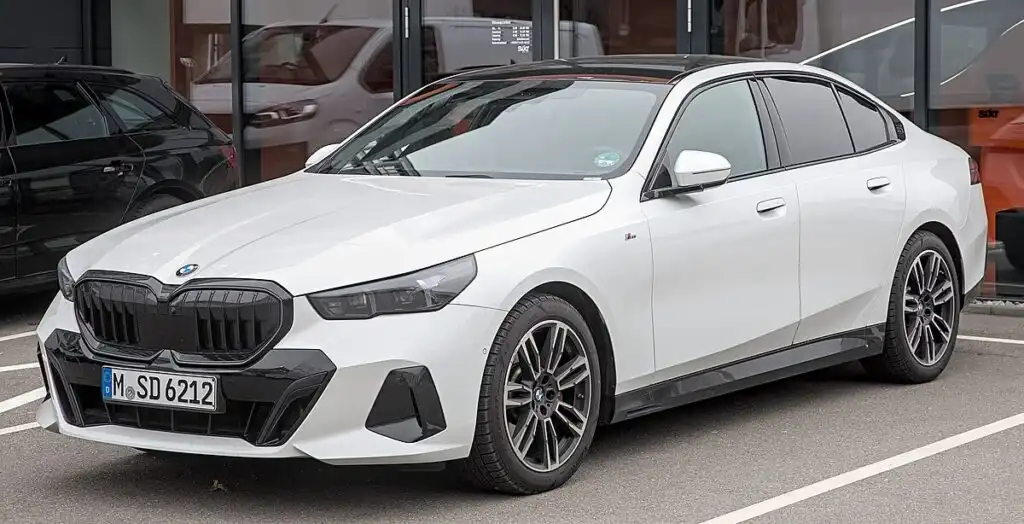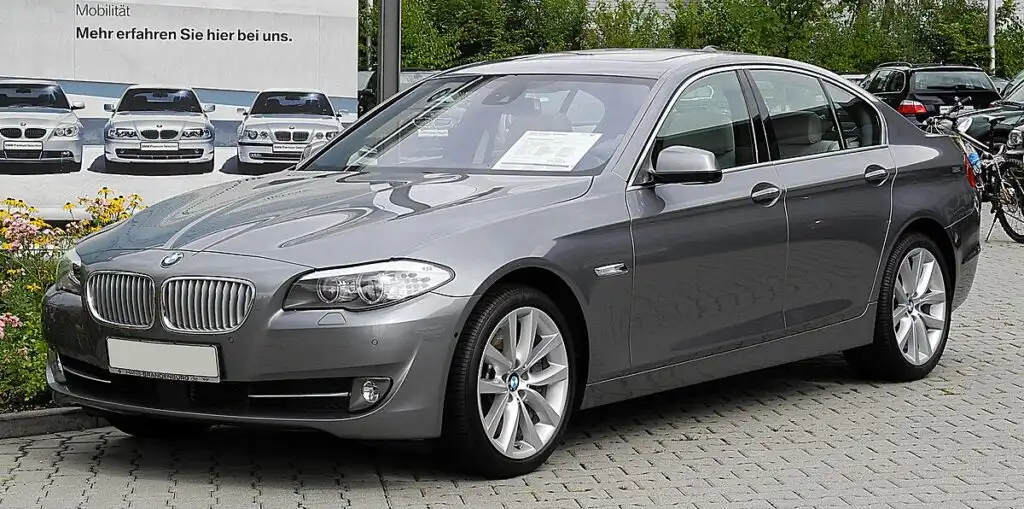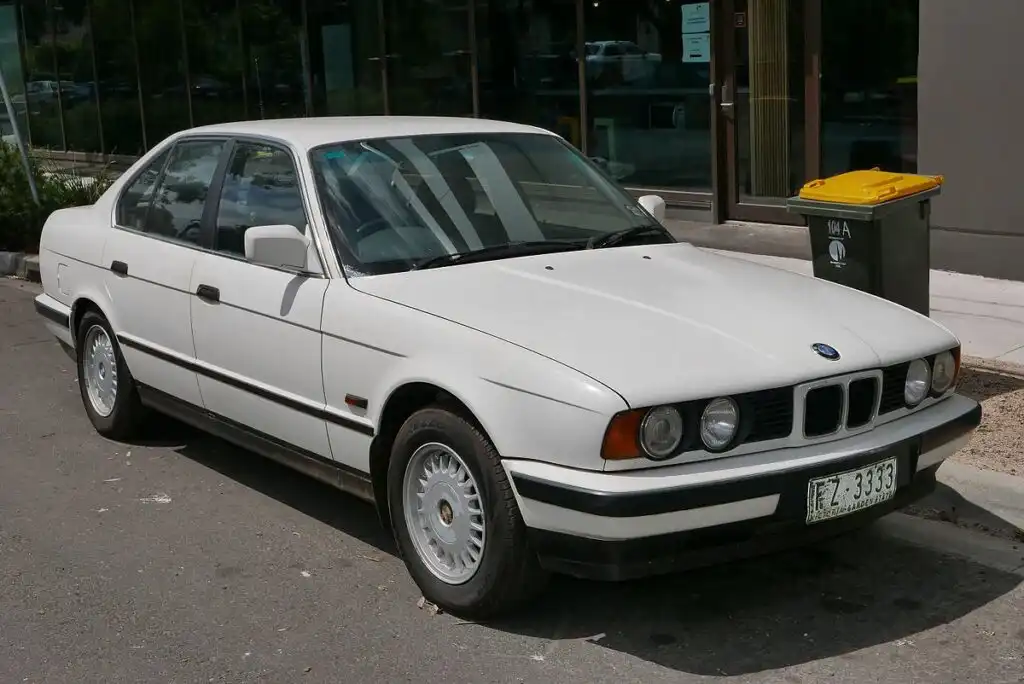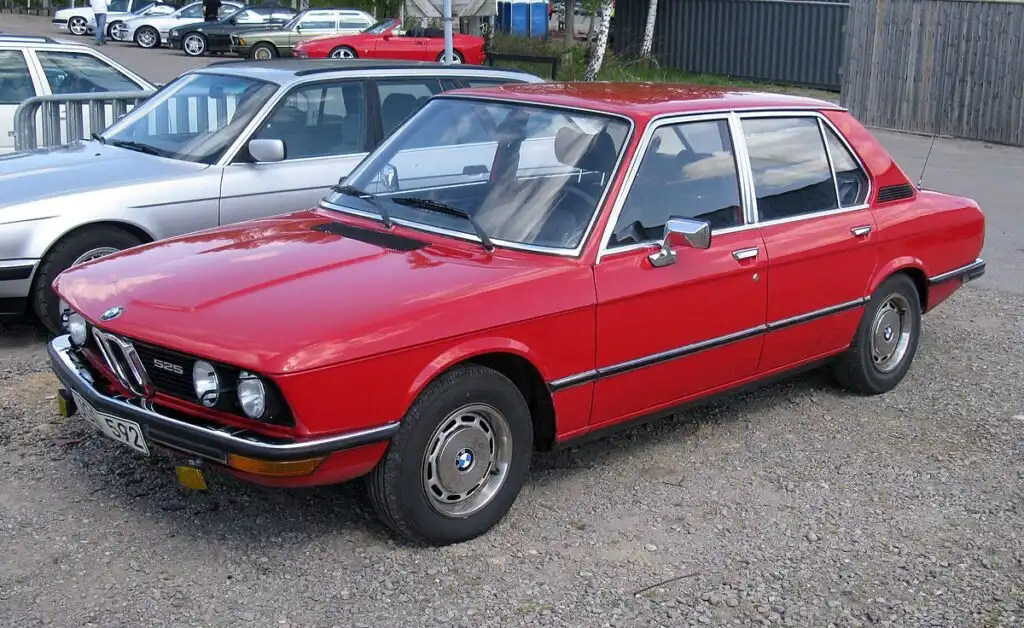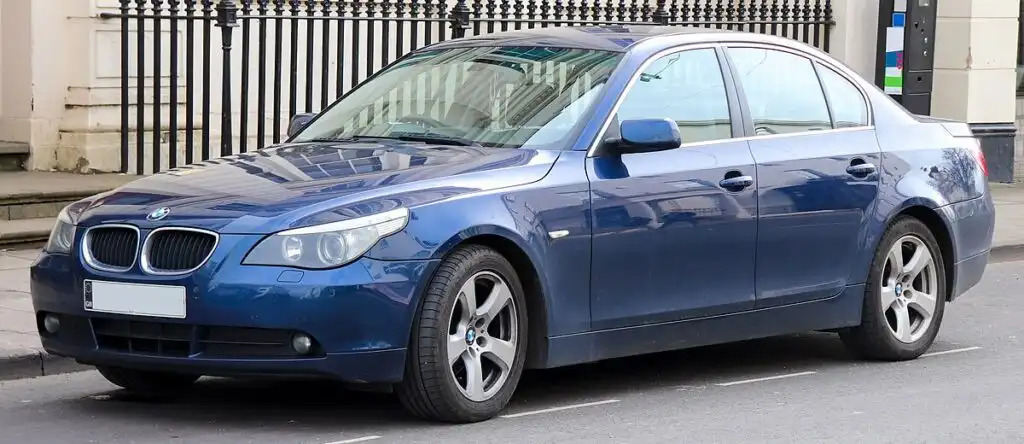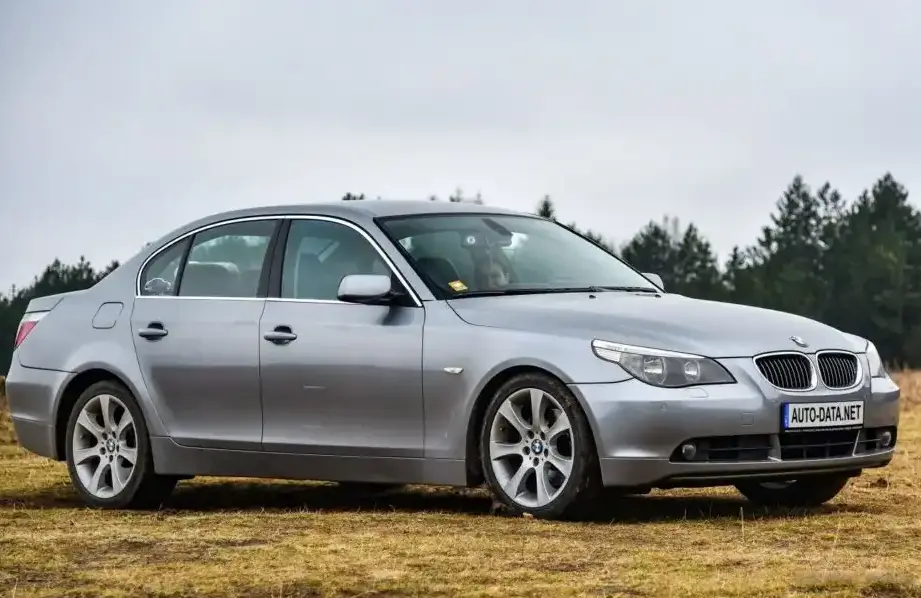
The BMW 5 Series (E60) 520i, produced from 2003 to 2005, represented the entry point into the fifth generation of BMW’s mid-size executive car. Positioned below the 525i, 530i, and performance-oriented M5 models, the 520i offered a balance of BMW’s renowned driving dynamics with improved fuel efficiency and a more accessible price point. It was primarily marketed towards buyers seeking a premium sedan experience without the higher costs associated with the larger-engined variants. The E60 generation, as a whole, marked a significant departure from its predecessor (E39) with its controversial, yet distinctive, styling penned by Chris Bangle, and a greater emphasis on technological innovation.
| Brand | BMW |
| Model | 5 Series |
| Generation | 5 Series (E60) |
| Type (Engine) | 520i (170 Hp) |
| Start of production | 2003 |
| End of production | 2005 |
| Powertrain Architecture | Internal Combustion engine |
| Body type | Sedan |
| Seats | 5 |
| Doors | 4 |
| Fuel consumption (urban) | 13 l/100 km (18.1 US mpg) |
| Fuel consumption (extra urban) | 6.8 l/100 km (34.6 US mpg) |
| Fuel consumption (combined) | 9 l/100 km (26.1 US mpg) |
| Fuel Type | Petrol (Gasoline) |
| Acceleration 0 – 100 km/h | 9 sec |
| Acceleration 0 – 62 mph | 9 sec |
| Acceleration 0 – 60 mph | 8.6 sec |
| Maximum speed | 230 km/h (142.92 mph) |
| Weight-to-power ratio | 9.2 kg/Hp |
| Weight-to-torque ratio | 7.4 kg/Nm |
| Power | 170 Hp @ 6100 rpm |
| Torque | 210 Nm @ 3500 rpm (154.89 lb.-ft. @ 3500 rpm) |
| Engine layout | Front, Longitudinal |
| Engine Model/Code | M54B22 |
| Engine displacement | 2171 cm3 (132.48 cu. in.) |
| Number of cylinders | 6 |
| Engine configuration | Inline |
| Cylinder Bore | 80 mm (3.15 in.) |
| Piston Stroke | 72 mm (2.83 in.) |
| Compression ratio | 10.8:1 |
| Number of valves per cylinder | 4 |
| Fuel injection system | Multi-port manifold injection |
| Engine aspiration | Naturally aspirated engine |
| Valvetrain | DOHC |
| Engine oil capacity | 6.5 l (6.87 US qt | 5.72 UK qt) |
| Coolant capacity | 9.8 l (10.36 US qt | 8.62 UK qt) |
| Kerb Weight | 1560 kg (3439.21 lbs.) |
| Max. weight | 2025 kg (4464.36 lbs.) |
| Max load | 465 kg (1025.15 lbs.) |
| Trunk (boot) space – minimum | 520 l (18.36 cu. ft.) |
| Fuel tank capacity | 70 l (18.49 US gal | 15.4 UK gal) |
| Length | 4841 mm (190.59 in.) |
| Width | 1846 mm (72.68 in.) |
| Height | 1468 mm (57.8 in.) |
| Wheelbase | 2888 mm (113.7 in.) |
| Front track | 1558 mm (61.34 in.) |
| Rear (Back) track | 1582 mm (62.28 in.) |
| Drag coefficient (Cd) | 0.26 |
| Drivetrain Architecture | Rear wheel drive |
| Number of gears | 6 |
| Type of gearbox | Manual transmission |
| Front suspension | Coil spring |
| Rear suspension | Coil spring |
| Front brakes | Ventilated discs |
| Rear brakes | Disc |
| Assisting systems | ABS (Anti-lock braking system) |
| Steering type | Steering rack and pinion |
| Power steering | Hydraulic Steering |
| Tires size | 225/55 R16 |
| Wheel rims size | 7J x 16 |
Powertrain & Engine Architecture
The 520i was powered by the M54B22, a 2.2-liter inline-six engine. This engine was a naturally aspirated powerplant featuring double overhead camshafts (DOHC) and four valves per cylinder. The M54 engine family was known for its smooth power delivery and relatively robust construction. Fuel was delivered via a multi-port fuel injection system, and the engine boasted a compression ratio of 10.8:1. The 520i was exclusively offered with a 6-speed manual transmission in many markets, providing drivers with precise control over the engine’s power. This transmission was chosen to complement the engine’s characteristics, offering a balance between performance and fuel economy. The engine’s longitudinal mounting and rear-wheel-drive configuration were hallmarks of BMW’s engineering philosophy at the time, contributing to the car’s balanced handling.
Driving Characteristics
The 170 horsepower and 155 lb-ft of torque produced by the M54B22 engine in the 520i resulted in a 0-60 mph time of approximately 8.6 seconds and a top speed of 143 mph. While not as quick as the higher-powered 525i or 530i models, the 520i offered a surprisingly engaging driving experience. The 6-speed manual transmission allowed drivers to keep the engine in its optimal power band, providing adequate acceleration for everyday driving situations. Compared to the automatic transmission options available in other 5 Series models, the manual gearbox in the 520i offered a more direct connection to the engine and a more sporty feel. The gear ratios were well-matched to the engine’s torque curve, ensuring smooth and responsive acceleration. The rear-wheel-drive layout contributed to the car’s balanced handling and predictable cornering behavior.
Equipment & Trim Levels
The 520i typically came standard with features such as power windows, power locks, a multi-function steering wheel, and an automatic climate control system. Interior upholstery was generally cloth, although leather options were available. Standard dashboard configuration included analog gauges and a simple, functional layout. Optional extras included a sunroof, navigation system, premium sound system, and sport seats. The trim level was generally considered the base model, but it still offered a level of luxury and refinement that was expected from a BMW. The focus was on providing a comfortable and well-equipped vehicle at a more accessible price point.
Chassis & Braking
The E60 520i utilized a coil spring suspension system at both the front and rear. The suspension was tuned to provide a comfortable ride while still maintaining good handling characteristics. Front brakes were ventilated discs, while rear brakes were solid discs. The car was equipped with an Anti-lock Braking System (ABS) as standard, enhancing safety and control during braking. The chassis was designed to be rigid and lightweight, contributing to the car’s overall handling performance. Stabilizer bars were used at both the front and rear to reduce body roll during cornering.
Market Reception & Comparison
The 520i was generally well-received by automotive critics, who praised its fuel efficiency and comfortable ride. However, some critics noted that the engine lacked the outright performance of the larger-engined models. Compared to the 525i and 530i, the 520i offered a more affordable entry point into the 5 Series range, but it came at the cost of some performance. Fuel economy was a key selling point for the 520i, and it consistently outperformed the larger-engined models in this regard. Reliability was generally good, although some owners reported minor issues with the cooling system and electrical components.
Legacy
The E60 520i, particularly the manual transmission variants, has developed a reputation as a reliable and affordable entry point into BMW ownership. The M54B22 engine is known for its durability and relatively simple maintenance requirements. Today, well-maintained examples of the 520i can be found on the used car market at attractive prices. While not as sought-after as the higher-performance models, the 520i offers a compelling combination of BMW’s driving dynamics, comfort, and affordability, making it a popular choice for enthusiasts and everyday drivers alike. The engine’s longevity and the availability of spare parts contribute to its continued appeal in the used car market.