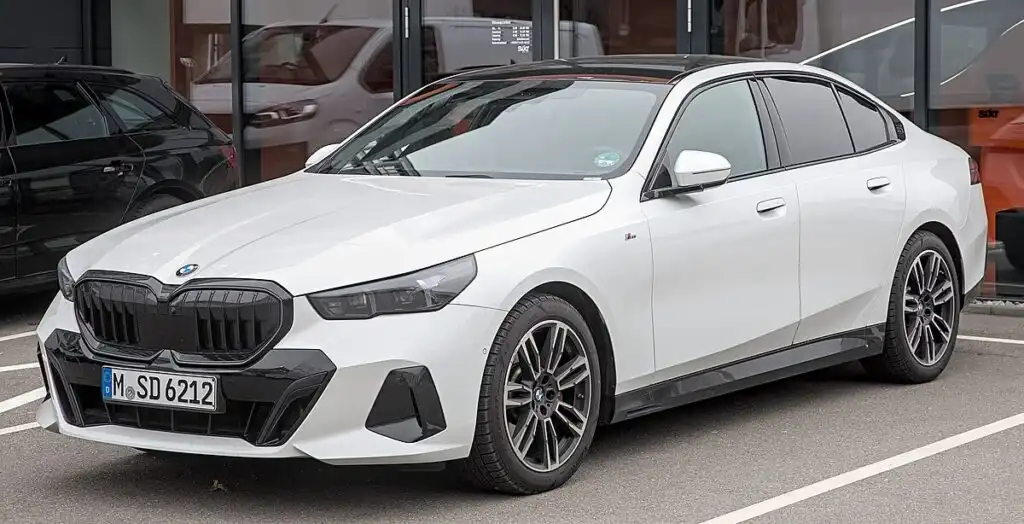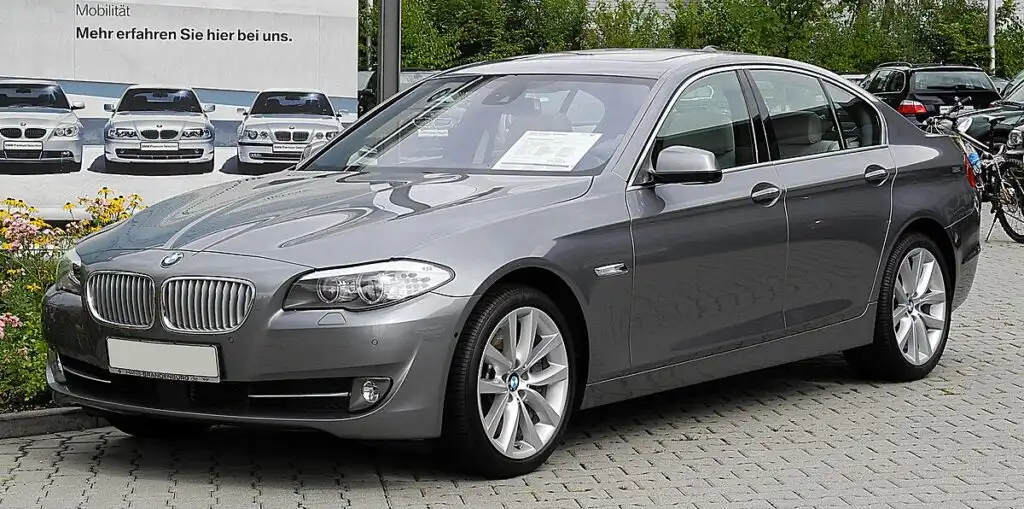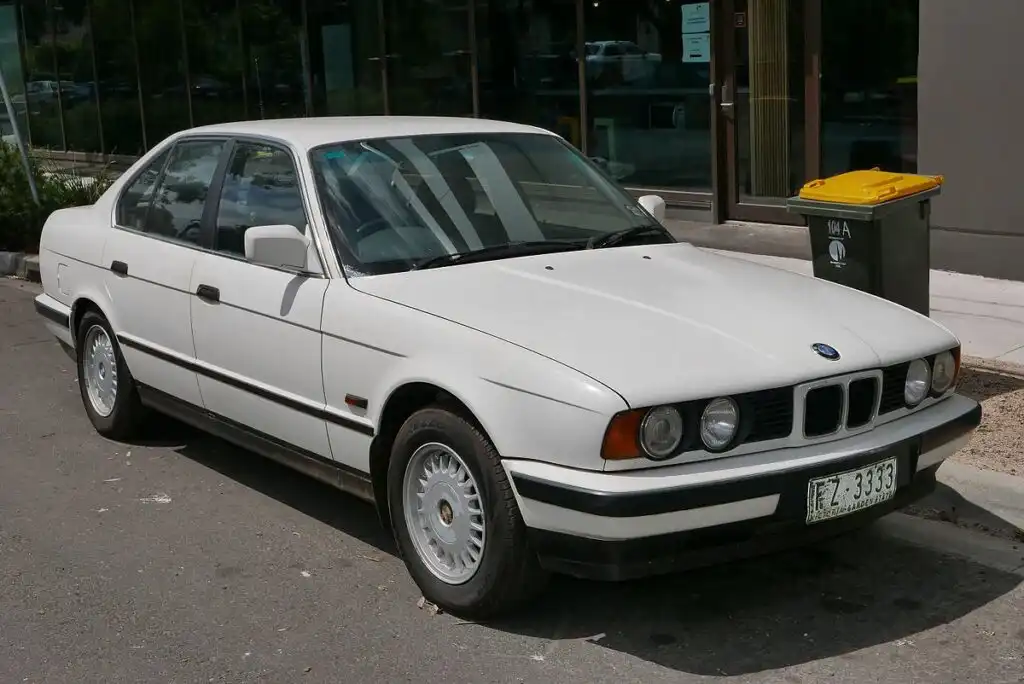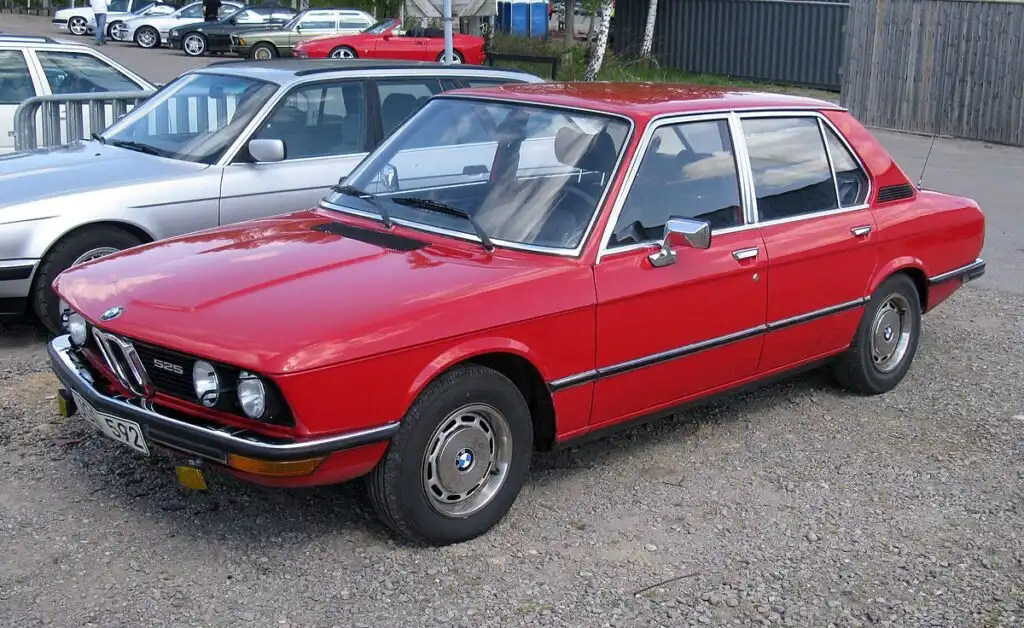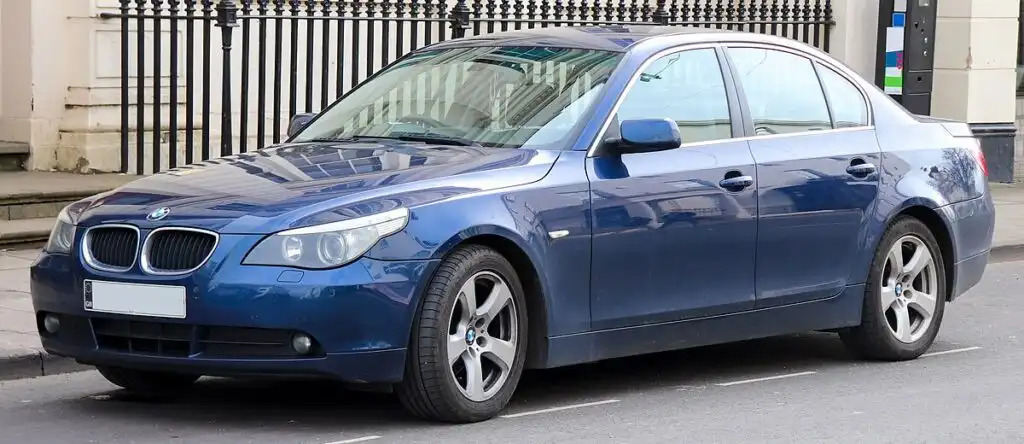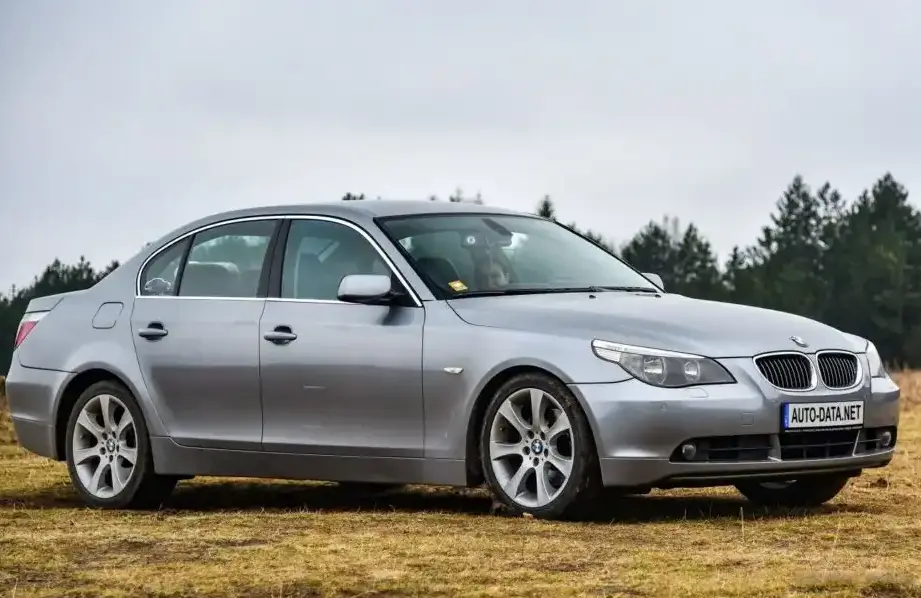
The BMW 5 Series (E60) 525i Steptronic, produced from 2003 to 2005, represented a key entry point into the sixth generation of BMW’s flagship executive sedan. Positioned as a mid-range offering within the E60 lineup, it bridged the gap between the base 520i and the more performance-oriented 530i and 540i models. The 525i aimed to deliver a balance of BMW’s renowned driving dynamics, comfortable luxury, and reasonable running costs, appealing to a broad spectrum of buyers in the North American and European markets. It was a significant model in BMW’s strategy to maintain market share in a competitive segment dominated by Mercedes-Benz and Audi.
Technical Specifications
| Brand | BMW |
| Model | 5 Series |
| Generation | 5 Series (E60) |
| Type (Engine) | 525i (192 Hp) Steptronic |
| Start of production | 2003 |
| End of production | 2005 |
| Powertrain Architecture | Internal Combustion engine |
| Body type | Sedan |
| Seats | 5 |
| Doors | 4 |
| Fuel consumption (urban) | 14.2 l/100 km (16.6 US mpg, 19.9 UK mpg, 7 km/l) |
| Fuel consumption (extra urban) | 7.5 l/100 km (31.4 US mpg, 37.7 UK mpg, 13.3 km/l) |
| Fuel consumption (combined) | 9.9 l/100 km (23.8 US mpg, 28.5 UK mpg, 10.1 km/l) |
| Fuel Type | Petrol (Gasoline) |
| Acceleration 0 – 100 km/h | 8.7 sec |
| Acceleration 0 – 62 mph | 8.7 sec |
| Acceleration 0 – 60 mph | 8.3 sec |
| Maximum speed | 233 km/h (144.78 mph) |
| Weight-to-power ratio | 7.8 kg/Hp, 128.9 Hp/tonne |
| Weight-to-torque ratio | 6 kg/Nm, 167.8 Nm/tonne |
| Power | 192 Hp @ 5900 rpm |
| Power per litre | 77 Hp/l |
| Torque | 250 Nm @ 4200 rpm (184.39 lb.-ft. @ 4200 rpm) |
| Engine layout | Front, Longitudinal |
| Engine Model/Code | M54B25 |
| Engine displacement | 2494 cm3 (152.19 cu. in.) |
| Number of cylinders | 6 |
| Engine configuration | Inline |
| Cylinder Bore | 84 mm (3.31 in.) |
| Piston Stroke | 75 mm (2.95 in.) |
| Compression ratio | 10.5:1 |
| Number of valves per cylinder | 4 |
| Fuel injection system | Multi-port manifold injection |
| Engine aspiration | Naturally aspirated engine |
| Valvetrain | DOHC |
| Engine oil capacity | 6.5 l (6.87 US qt | 5.72 UK qt) |
| Coolant | 9.8 l (10.36 US qt | 8.62 UK qt) |
| Kerb Weight | 1490 kg (3284.89 lbs.) |
| Max. weight | 2050 kg (4519.48 lbs.) |
| Max load | 560 kg (1234.59 lbs.) |
| Trunk (boot) space – minimum | 520 l (18.36 cu. ft.) |
| Fuel tank capacity | 70 l (18.49 US gal | 15.4 UK gal) |
| Length | 4841 mm (190.59 in.) |
| Width | 1846 mm (72.68 in.) |
| Height | 1468 mm (57.8 in.) |
| Wheelbase | 2888 mm (113.7 in.) |
| Front track | 1558 mm (61.34 in.) |
| Rear (Back) track | 1582 mm (62.28 in.) |
| Drivetrain Architecture | Rear wheel drive |
| Drive wheel | Rear wheel drive |
| Number of gears and type of gearbox | 6 gears, automatic transmission |
| Front suspension | Coil spring |
| Rear suspension | Coil spring |
| Front brakes | Ventilated discs |
| Rear brakes | Disc |
| Assisting systems | ABS (Anti-lock braking system) |
| Steering type | Steering rack and pinion |
| Power steering | Hydraulic Steering |
| Tires size | 225/55 R16 |
| Wheel rims size | 7J x 16 LM |
Powertrain & Engine Architecture
The heart of the 525i Steptronic was the M54B25, a 2.5-liter inline-six cylinder engine. This engine was a descendant of BMW’s long-respected M52 and M54 families, known for their smooth power delivery and robust construction. The M54B25 featured double overhead camshafts (DOHC), four valves per cylinder, and a multi-port fuel injection system. The engine produced 192 horsepower at 5900 rpm and 250 Nm (184 lb-ft) of torque at 4200 rpm. The “Steptronic” designation referred to BMW’s 5-speed automatic transmission, a conventional torque converter automatic known for its smooth shifts and reliability. This transmission offered a manual shift mode, allowing drivers some control over gear selection, but it wasn’t as sporty or responsive as the available 6-speed manual gearbox.
Driving Characteristics
The 525i Automatic offered a comfortable and refined driving experience. Acceleration from 0-60 mph took approximately 8.3 seconds, making it adequately quick for everyday driving but noticeably slower than the 530i or the manual 525i. The automatic transmission, while smooth, did sap some of the engine’s power, resulting in a less engaging driving experience compared to the manual version. Gear ratios were tuned for fuel efficiency and comfort rather than outright performance. The engine delivered a broad torque curve, making it easy to drive in various conditions, but it lacked the high-end punch of the larger engines in the 5 Series range. The rear-wheel-drive configuration provided balanced handling, typical of BMW sedans.
Equipment & Trim Levels
The 525i Steptronic typically came standard with features such as automatic climate control, power windows and locks, a CD stereo system, and cloth upholstery. Leather upholstery, a sunroof, heated seats, and a premium sound system were available as optional extras. BMW offered various packages that bundled popular options together, allowing buyers to customize their vehicles. Interior trim options included wood or aluminum accents. The dashboard layout was typical of the E60 generation, featuring a driver-focused design with intuitive controls.
Chassis & Braking
The E60 525i utilized a MacPherson strut front suspension and a multi-link rear suspension, providing a comfortable ride and good handling characteristics. The suspension was tuned to balance comfort and performance, offering a good compromise for everyday driving. Brakes consisted of ventilated discs at the front and solid discs at the rear. Anti-lock brakes (ABS) were standard, providing enhanced stopping power and stability. The steering was a hydraulic power-assisted rack and pinion system, offering precise and responsive steering feel.
Market Reception & Comparison
The 525i Steptronic was generally well-received by automotive critics. It was praised for its comfortable ride, refined interior, and balanced handling. However, some reviewers noted that the automatic transmission dulled the driving experience compared to the manual version, and the engine lacked the outright performance of the 530i or 540i. Fuel economy was considered reasonable for a vehicle in this class, averaging around 23.8 US mpg in combined driving. Compared to the 530i, the 525i offered a lower price point but sacrificed some performance. The 520d (diesel) offered better fuel economy but lacked the smoothness of the inline-six gasoline engine.
Legacy
The M54B25 engine, found in the 525i, is generally considered a reliable powerplant, provided it receives regular maintenance. Common issues include oil leaks from the valve cover gasket and occasional problems with the cooling system. The 5-speed automatic transmission is also relatively reliable, but like any automatic, it requires regular fluid changes. Today, the E60 525i Steptronic represents an affordable entry point into BMW ownership. Well-maintained examples are still relatively common on the used car market, offering a blend of luxury, performance, and reliability. However, potential buyers should be aware of the age-related issues common to older BMWs, such as electrical problems and wear and tear on suspension components.