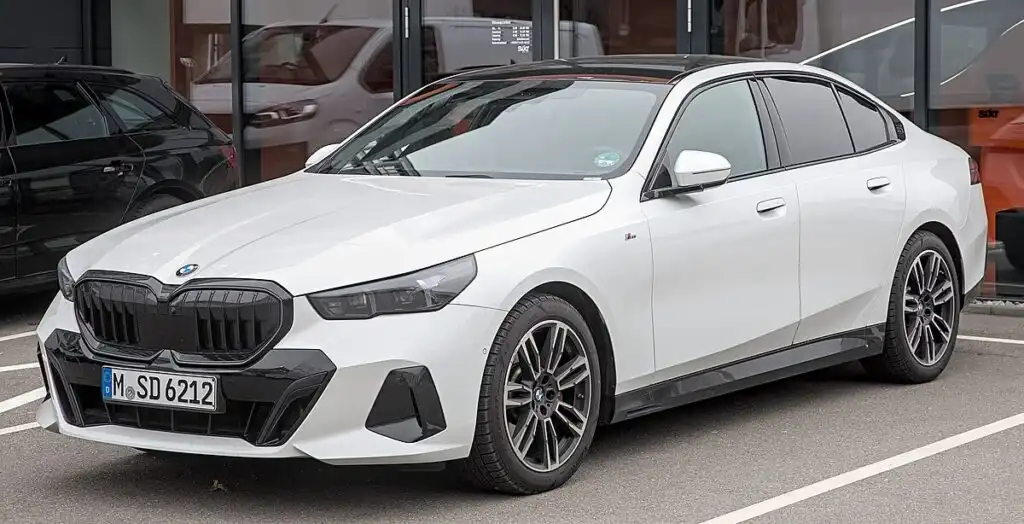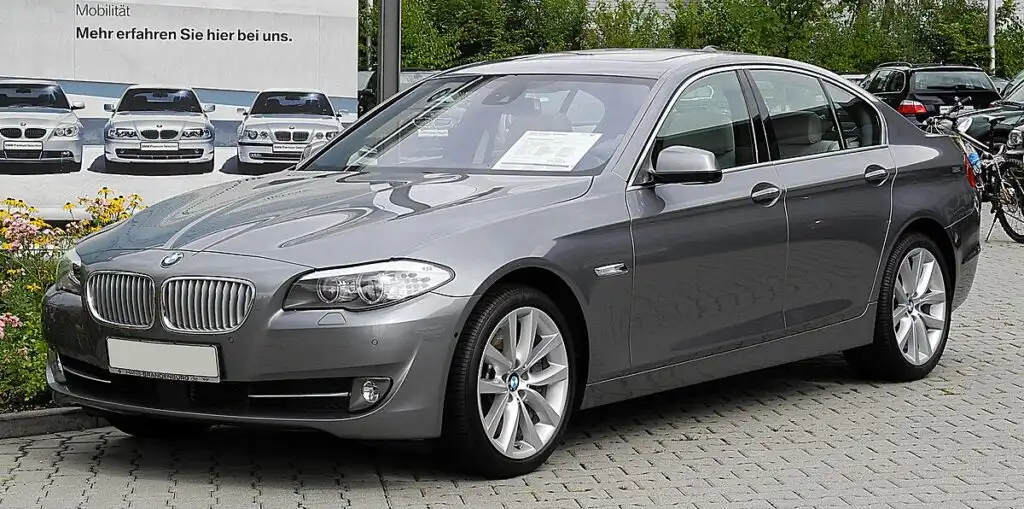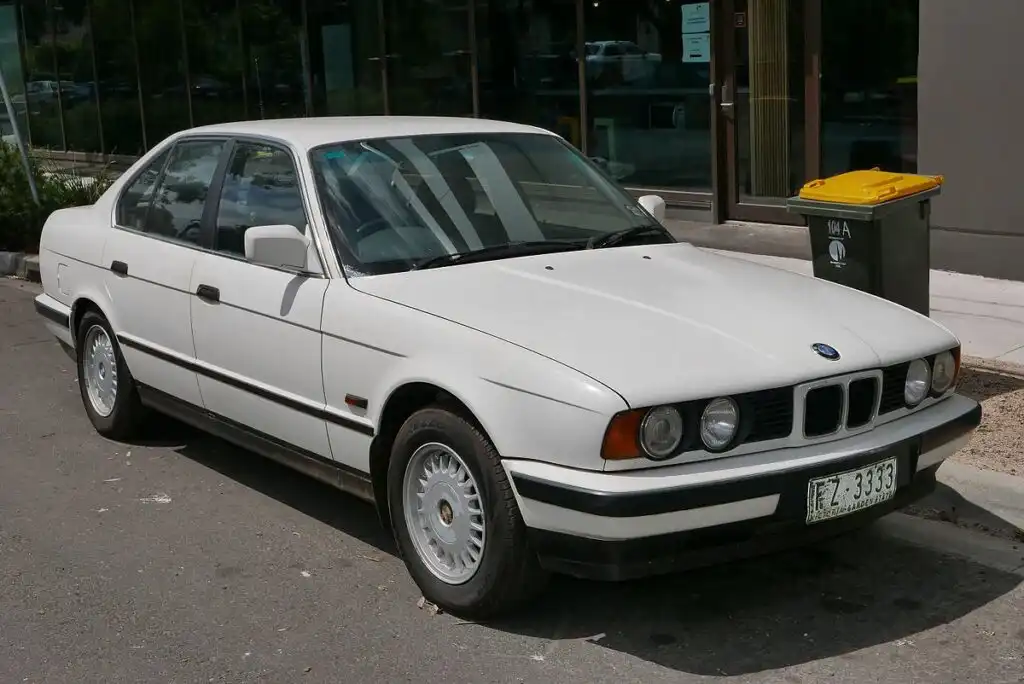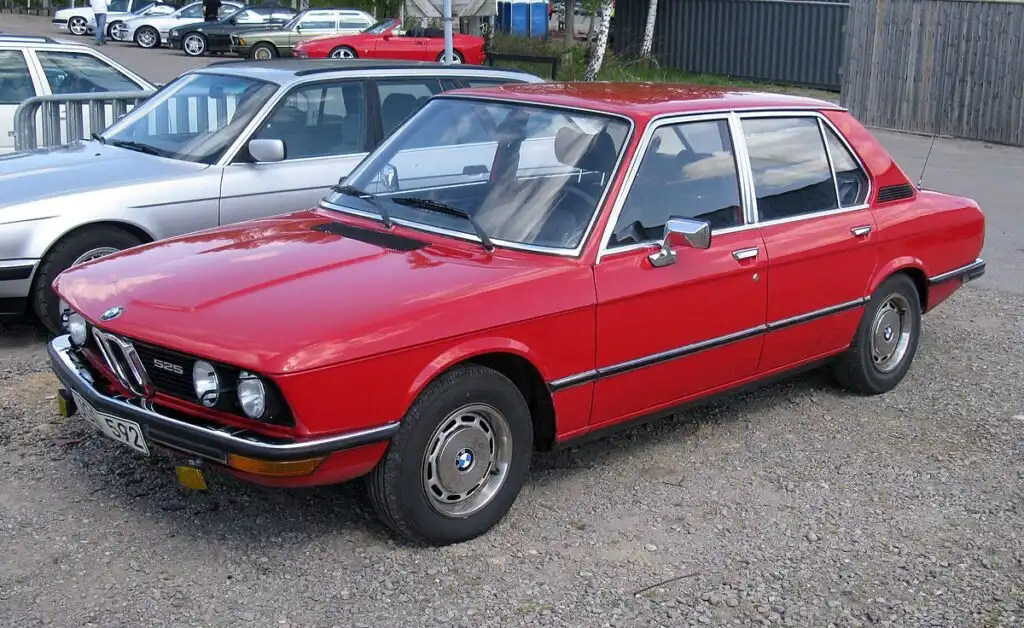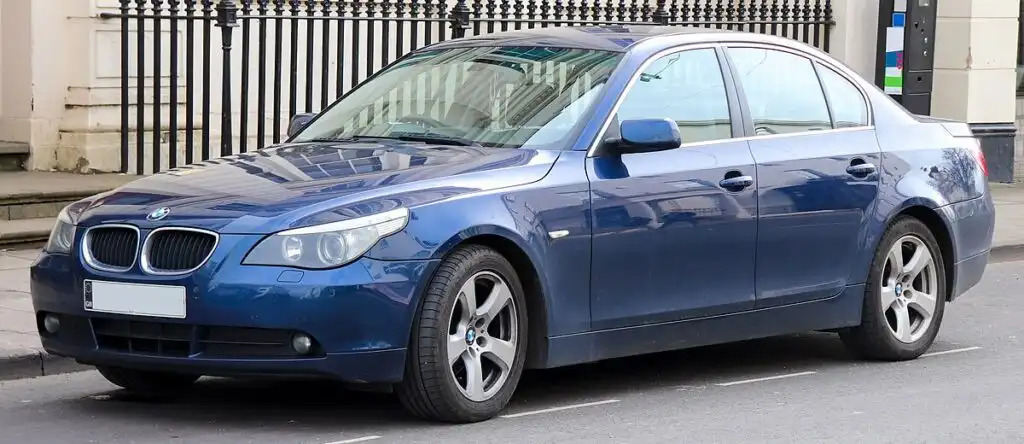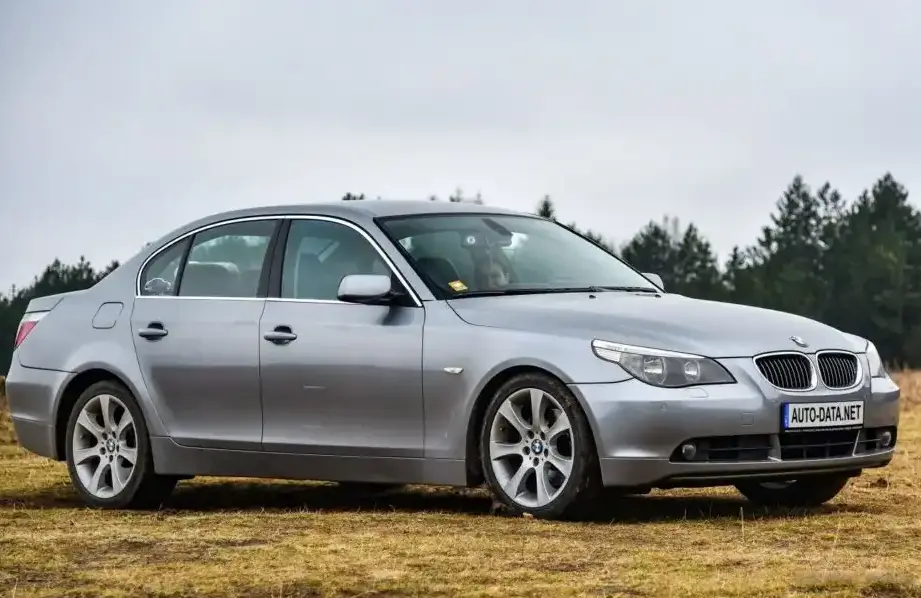
The BMW 5 Series (E60) 540i, produced from 2005 to 2007, represented a high-performance variant within the fifth generation of BMW’s flagship executive sedan. Positioned as a step up from the 530i and below the range-topping M5, the 540i aimed to deliver a blend of luxury, refinement, and substantial power. It was primarily marketed towards buyers in North America, Europe, and Asia who desired a sporting sedan experience without the outright track focus of the M5. The E60 generation, overall, was a significant departure from its predecessor (E39), introducing controversial styling penned by Chris Bangle and a host of new technologies.
Technical Specifications
| Brand | BMW |
| Model | 5 Series |
| Generation | 5 Series (E60) |
| Type (Engine) | 540i (306 Hp) |
| Start of production | 2005 |
| End of production | 2007 |
| Powertrain Architecture | Internal Combustion engine |
| Body type | Sedan |
| Seats | 5 |
| Doors | 4 |
| Fuel consumption (economy) – urban | 16.2 l/100 km (14.5 US mpg, 17.4 UK mpg, 6.2 km/l) |
| Fuel consumption (economy) – extra urban | 8 l/100 km (29.4 US mpg, 35.3 UK mpg, 12.5 km/l) |
| Fuel Type | Petrol (Gasoline) |
| Acceleration 0 – 100 km/h | 6.2 sec |
| Acceleration 0 – 62 mph | 6.2 sec |
| Acceleration 0 – 60 mph | 5.9 sec |
| Maximum speed | 250 km/h (155.34 mph) |
| Weight-to-power ratio | 5.4 kg/Hp, 184.9 Hp/tonne |
| Weight-to-torque ratio | 4.2 kg/Nm, 235.6 Nm/tonne |
| Power | 306 Hp @ 6300 rpm |
| Power per litre | 76.5 Hp/l |
| Torque | 390 Nm @ 3500 rpm (287.65 lb.-ft. @ 3500 rpm) |
| Engine layout | Front, Longitudinal |
| Engine Model/Code | N62B40 |
| Engine displacement | 4000 cm3 (244.09 cu. in.) |
| Number of cylinders | 8 |
| Engine configuration | V-engine |
| Cylinder Bore | 87 mm (3.43 in.) |
| Piston Stroke | 84.1 mm (3.31 in.) |
| Compression ratio | 10.5:1 |
| Number of valves per cylinder | 4 |
| Fuel injection system | Multi-port manifold injection |
| Engine aspiration | Naturally aspirated engine |
| Valvetrain | DOHC |
| Engine oil capacity | 8 l (8.45 US qt | 7.04 UK qt) |
| Coolant | 13.8 l (14.58 US qt | 12.14 UK qt) |
| Kerb Weight | 1655 kg (3648.65 lbs.) |
| Max. weight | 2210 kg (4872.22 lbs.) |
| Max load | 555 kg (1223.57 lbs.) |
| Trunk (boot) space – maximum | 520 l (18.36 cu. ft.) |
| Fuel tank capacity | 70 l (18.49 US gal | 15.4 UK gal) |
| Length | 4841 mm (190.59 in.) |
| Width | 1846 mm (72.68 in.) |
| Height | 1468 mm (57.8 in.) |
| Wheelbase | 2888 mm (113.7 in.) |
| Front track | 1558 mm (61.34 in.) |
| Rear (Back) track | 1582 mm (62.28 in.) |
| Drivetrain Architecture | The Internal combustion engine (ICE) drives the rear wheels of the vehicle. |
| Drive wheel | Rear wheel drive |
| Number of gears and type of gearbox | 6 gears, manual transmission |
| Front suspension | Independent, type McPherson with coil spring and anti-roll bar |
| Rear suspension | Coil spring |
| Front brakes | Disc |
| Rear brakes | Disc |
| Assisting systems | ABS (Anti-lock braking system) |
| Tires size | 225/50 R17 |
| Wheel rims size | 17 |
Powertrain & Engine Architecture
The heart of the 540i was the N62B40, a 4.0-liter naturally aspirated V8 engine. This engine was a significant evolution of BMW’s V8 architecture, featuring all-aluminum construction, double overhead camshafts (DOHC) with four valves per cylinder, and a relatively high 10.5:1 compression ratio. The N62 utilized a multi-port fuel injection system, delivering fuel directly into the intake ports. Unlike some contemporary engines, the N62 eschewed direct injection, a decision that contributed to its smooth power delivery but also impacted fuel economy. The engine produced 306 horsepower at 6300 rpm and 390 lb-ft of torque at 3500 rpm. The standard transmission was a six-speed manual, though a six-speed automatic transmission was also available, and quite common in the US market. The engine was mounted longitudinally, driving the rear wheels.
Driving Characteristics
The 540i offered a distinctly different driving experience compared to the six-cylinder 530i. The V8 provided a substantial increase in power and torque, resulting in noticeably quicker acceleration. The 0-60 mph sprint took approximately 5.9 seconds, making it a genuinely quick sedan for its time. The six-speed manual transmission allowed for precise control, while the automatic offered smooth and responsive shifts. The power delivery was linear and predictable, making it easy to modulate the throttle. Compared to the later, more technologically advanced V8s from BMW, the N62 felt more analog and engaging. The weight distribution, typical of BMW’s rear-wheel-drive layout, contributed to balanced handling, although the E60’s increased weight compared to the E39 was noticeable in cornering.
Equipment & Trim Levels
The 540i typically came well-equipped, reflecting its position as a premium model. Standard features included leather upholstery, power-adjustable front seats with memory function, automatic climate control, a premium sound system, and xenon headlights. Optional extras were plentiful, including a navigation system, sport seats, a sunroof, and upgraded interior trim options. The interior design, while modern for its time, was a key element of the controversial Bangle-era styling, featuring a more sculpted dashboard and a prominent iDrive controller. Trim levels were relatively simple, with most options being added individually rather than bundled into distinct packages.
Chassis & Braking
The E60 540i utilized an independent suspension system, with McPherson struts at the front and a multi-link setup at the rear. This configuration provided a comfortable ride while maintaining good handling characteristics. Stabilizer bars were fitted front and rear to reduce body roll. Brakes were disc brakes all around, providing ample stopping power. The ABS (Anti-lock Braking System) was standard, enhancing safety and control during hard braking. The 540i’s suspension was tuned to balance comfort and performance, offering a slightly firmer ride than the 530i but not as harsh as the M5.
Market Reception & Comparison
The 540i was generally well-received by automotive critics, who praised its powerful engine, comfortable ride, and refined interior. However, the E60’s styling proved divisive, with some finding it unattractive. Compared to the 530i, the 540i offered a significant performance upgrade, but at a higher price point. The 540i’s fuel economy was considerably worse than the 530i, reflecting the larger engine’s increased consumption. Reliability was a mixed bag; the N62 engine was known to be prone to oil leaks and cooling system issues, requiring careful maintenance. Compared to competitors like the Mercedes-Benz E500 and the Audi A6 4.2, the 540i offered a more engaging driving experience.
Legacy
Today, the E60 540i represents an interesting chapter in BMW’s history. While the N62 engine requires diligent maintenance, it remains a capable and rewarding powerplant. The car’s value in the used market is relatively affordable, making it an accessible entry point into the world of V8-powered BMW sedans. The E60 540i is increasingly appreciated by enthusiasts who value its analog driving experience and distinctive styling. However, potential buyers should be aware of the engine’s potential maintenance needs and factor those costs into their ownership plans. The car stands as a reminder of a time when BMW prioritized driver engagement alongside luxury and performance.