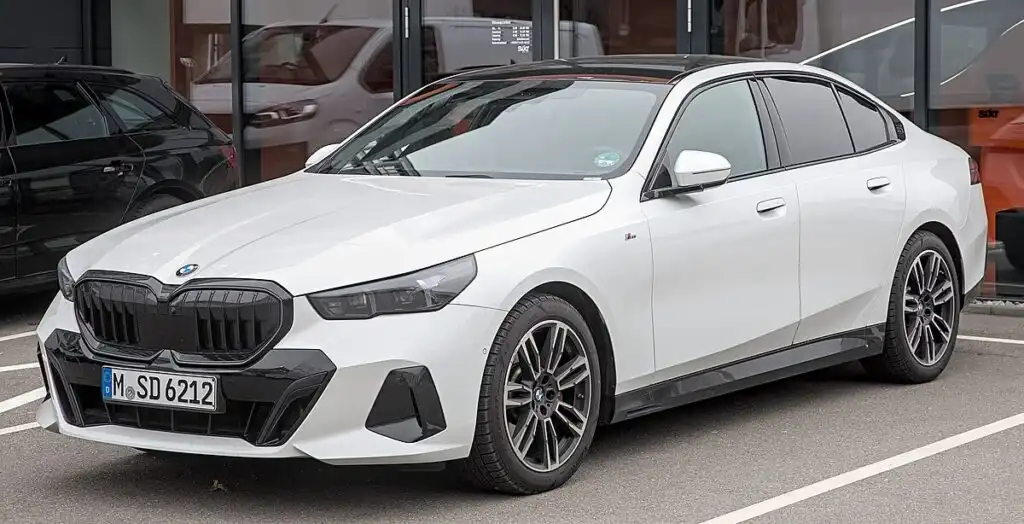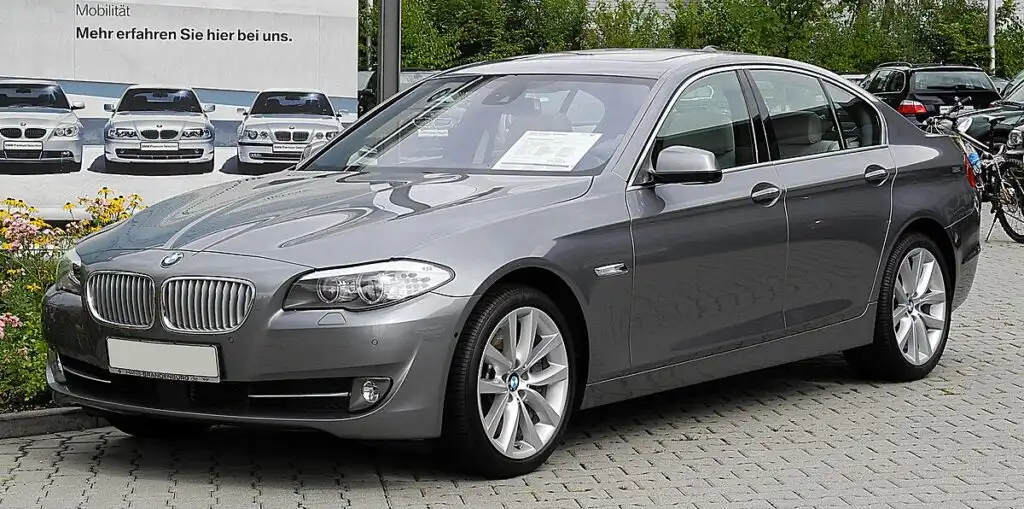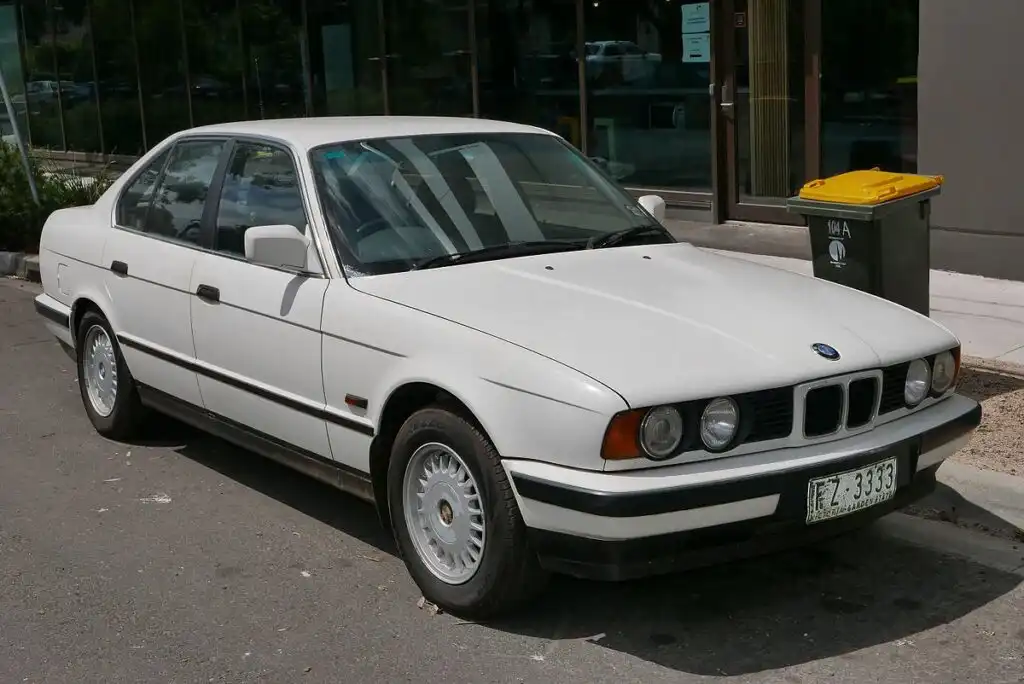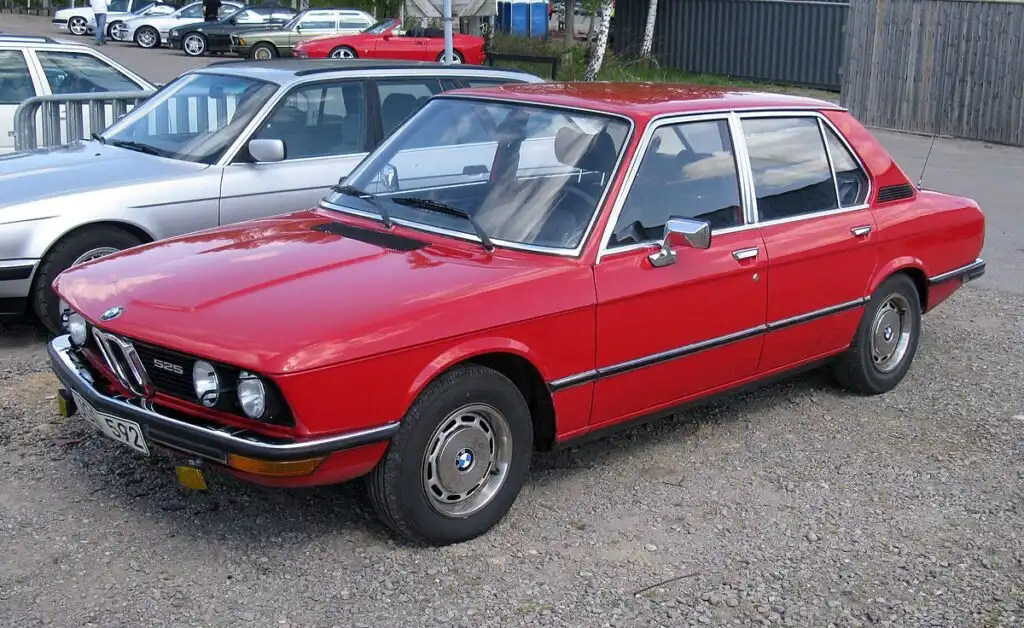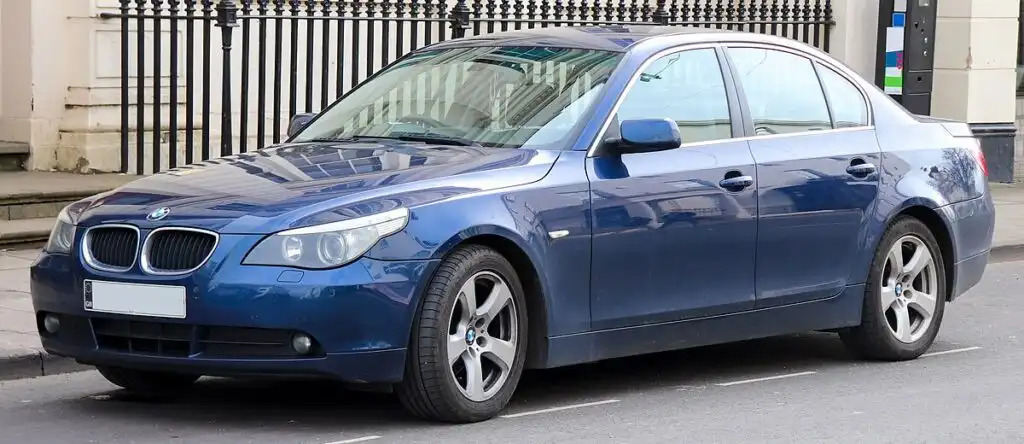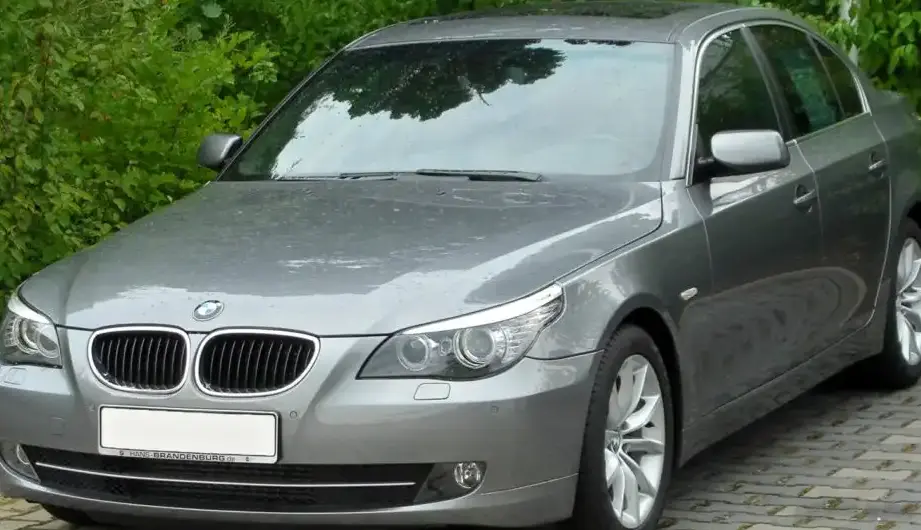
The BMW 523i, produced from 2007 to 2010, was a key variant within the E60 5 Series lineup following the Life Cycle Impulse (LCI) facelift. Positioned as a mid-range offering, it bridged the gap between the entry-level 520i and the more powerful 525i/530i models. This iteration of the 5 Series aimed to balance performance, efficiency, and luxury, appealing to a broad customer base seeking a refined executive sedan. The 523i represented BMW’s continued commitment to inline-six engines, offering a smooth and responsive driving experience. It was primarily sold in the European market, with limited availability in North America where the 528i and 535i were more common.
Technical Specifications
| Brand | BMW |
| Model | 5 Series |
| Generation | 5 Series (E60 LCI, facelift 2007) |
| Type (Engine) | 523i (190 Hp) |
| Start of production | 2007 |
| End of production | 2010 |
| Powertrain Architecture | Internal Combustion engine |
| Body type | Sedan |
| Seats | 5 |
| Doors | 4 |
| Fuel consumption (economy) – urban (NEDC) | 10.1 l/100 km (23.3 US mpg, 28 UK mpg, 9.9 km/l) |
| Fuel consumption (economy) – extra urban (NEDC) | 5.7 l/100 km (41.3 US mpg, 49.6 UK mpg, 17.5 km/l) |
| Fuel consumption (economy) – combined (NEDC) | 7.3 l/100 km (32.2 US mpg, 38.7 UK mpg, 13.7 km/l) |
| CO2 emissions (NEDC) | 174 g/km |
| Fuel Type | Petrol (Gasoline) |
| Acceleration 0 – 100 km/h | 8.2 sec |
| Acceleration 0 – 62 mph | 8.2 sec |
| Acceleration 0 – 60 mph | 7.8 sec |
| Maximum speed | 237 km/h (147.26 mph) |
| Emission standard | Euro 4 |
| Weight-to-power ratio | 7.9 kg/Hp, 126.7 Hp/tonne |
| Weight-to-torque ratio | 6.3 kg/Nm, 160 Nm/tonne |
| Power | 190 Hp @ 6100 rpm |
| Power per litre | 76.1 Hp/l |
| Torque | 240 Nm @ 3500-5000 rpm (177.01 lb.-ft. @ 3500-5000 rpm) |
| Engine layout | Front, Longitudinal |
| Engine Model/Code | N53B25A |
| Engine displacement | 2497 cm3 (152.38 cu. in.) |
| Number of cylinders | 6 |
| Engine configuration | Inline |
| Cylinder Bore | 82 mm (3.23 in.) |
| Piston Stroke | 78.8 mm (3.1 in.) |
| Compression ratio | 12:1 |
| Number of valves per cylinder | 4 |
| Fuel injection system | Direct injection |
| Engine aspiration | Naturally aspirated engine |
| Valvetrain | DOHC, Double-VANOS |
| Engine oil capacity | 6.5 l (6.87 US qt | 5.72 UK qt) |
| Coolant | 9.8 l (10.36 US qt | 8.62 UK qt) |
| Kerb Weight | 1500 kg (3306.93 lbs.) |
| Max. weight | 2060 kg (4541.52 lbs.) |
| Max load | 560 kg (1234.59 lbs.) |
| Trunk (boot) space – minimum | 520 l (18.36 cu. ft.) |
| Fuel tank capacity | 70 l (18.49 US gal | 15.4 UK gal) |
| Max. roof load | 100 kg (220.46 lbs.) |
| Permitted trailer load with brakes (8%) | 1800 kg (3968.32 lbs.) |
| Permitted trailer load with brakes (12%) | 1600 kg (3527.4 lbs.) |
| Permitted trailer load without brakes | 750 kg (1653.47 lbs.) |
| Length | 4841 mm (190.59 in.) |
| Width | 1846 mm (72.68 in.) |
| Width including mirrors | 2030 mm (79.92 in.) |
| Height | 1468 mm (57.8 in.) |
| Wheelbase | 2888 mm (113.7 in.) |
| Front track | 1558 mm (61.34 in.) |
| Rear (Back) track | 1581 mm (62.24 in.) |
| Front overhang | 852 mm (33.54 in.) |
| Rear overhang | 1101 mm (43.35 in.) |
| Ride height (ground clearance) | 142 mm (5.59 in.) |
| Drag coefficient (Cd) | 0.27 |
| Minimum turning circle (turning diameter) | 11.4 m (37.4 ft.) |
| Drivetrain Architecture | The Internal combustion engine (ICE) drives the rear wheels of the vehicle. |
| Drive wheel | Rear wheel drive |
| Number of gears and type of gearbox | 6 gears, manual transmission |
| Front suspension | Spring Strut |
| Rear suspension | Independent multi-link suspension |
| Front brakes | Ventilated discs |
| Rear brakes | Ventilated discs |
| Assisting systems | ABS (Anti-lock braking system) |
| Steering type | Steering rack and pinion |
| Power steering | Hydraulic Steering |
| Tires size | 225/55 R16 |
| Wheel rims size | 7J x 16 |
Powertrain & Engine Architecture
The 523i was powered by the N53B25A, a 2.5-liter inline-six engine. This engine was a significant evolution of BMW’s long-standing inline-six tradition, featuring direct fuel injection, Double-VANOS variable valve timing, and a magnesium alloy engine block for reduced weight. The N53 engine was known for its smooth power delivery and relatively high specific output. The direct injection system allowed for precise fuel metering, improving both efficiency and performance. The Double-VANOS system optimized valve timing for both intake and exhaust, enhancing torque across the rev range. The 523i typically came equipped with a 6-speed manual transmission, although a 6-speed automatic transmission was also available. The automatic transmission offered smooth shifts and a convenient driving experience, but at the expense of some performance and fuel economy compared to the manual.
Driving Characteristics
The 523i offered a balanced driving experience. While not as overtly sporty as the 525i or 530i, it provided ample power for everyday driving and comfortable cruising. The 190 horsepower engine delivered a respectable 0-60 mph time of around 7.8 seconds. The automatic transmission, while smooth, could feel slightly hesitant during quick acceleration. The gear ratios were tuned for fuel efficiency rather than outright performance. Compared to the manual transmission, the automatic version felt less engaging but more relaxed for commuting. The suspension provided a comfortable ride, absorbing bumps and imperfections in the road effectively. The steering was precise and well-weighted, offering good feedback to the driver.
Equipment & Trim Levels
The 523i typically came standard with features such as automatic climate control, power windows and locks, a multi-function steering wheel, and a basic audio system. Leather upholstery was often an optional extra, as were features like a sunroof, navigation system, and upgraded audio. The interior design was typical of BMW at the time, with a focus on functionality and quality materials. Trim levels varied depending on the market, but generally, the 523i offered a good level of standard equipment for its price point. Optional packages allowed buyers to customize their vehicles with additional features and luxury items.
Chassis & Braking
The E60 5 Series featured a robust chassis with a MacPherson strut front suspension and a multi-link rear suspension. This setup provided a good balance of ride comfort and handling. The 523i typically came equipped with ventilated disc brakes on all four wheels, providing ample stopping power. ABS (Anti-lock Braking System) was standard, enhancing safety and stability during emergency braking. The suspension was tuned to provide a comfortable ride, but also offered good body control during cornering. The steering was hydraulic, providing a direct and responsive feel.
Market Reception & Comparison
The 523i was generally well-received by automotive critics. It was praised for its smooth engine, comfortable ride, and well-appointed interior. However, some critics noted that it lacked the outright performance of the higher-powered 5 Series models. Compared to the 520i, the 523i offered a noticeable increase in power and performance. Compared to the 525i and 530i, it was less powerful but more fuel-efficient. The 523i represented a good value proposition for buyers seeking a refined and comfortable executive sedan.
Legacy
The N53 engine, while generally reliable, has been known to experience some issues with carbon buildup on the intake valves, particularly in areas where short trips are common. Regular maintenance, including the use of high-quality fuel and occasional intake valve cleaning, can help mitigate this issue. The 523i remains a popular choice in the used car market, offering a good balance of luxury, performance, and affordability. Its reputation for reliability and its comfortable driving experience make it a desirable option for buyers seeking a well-rounded executive sedan.