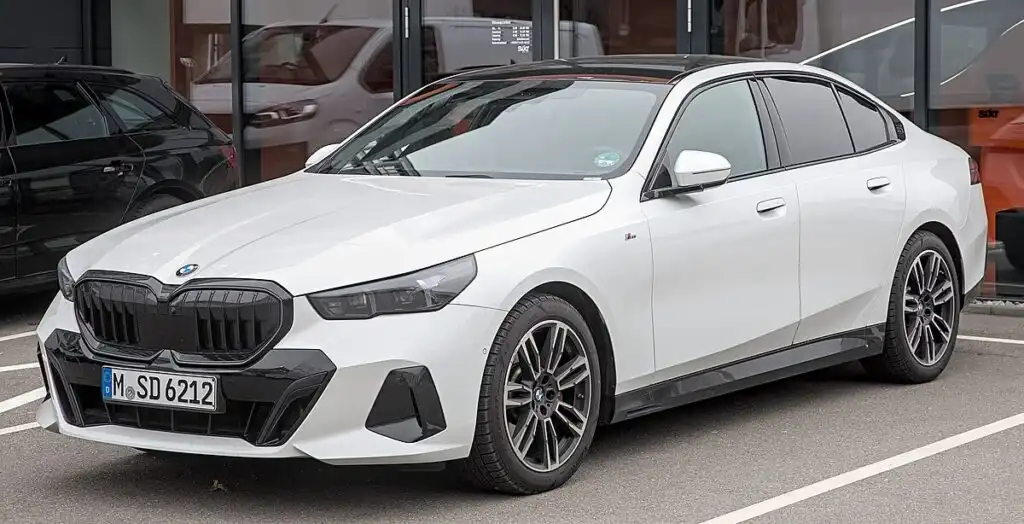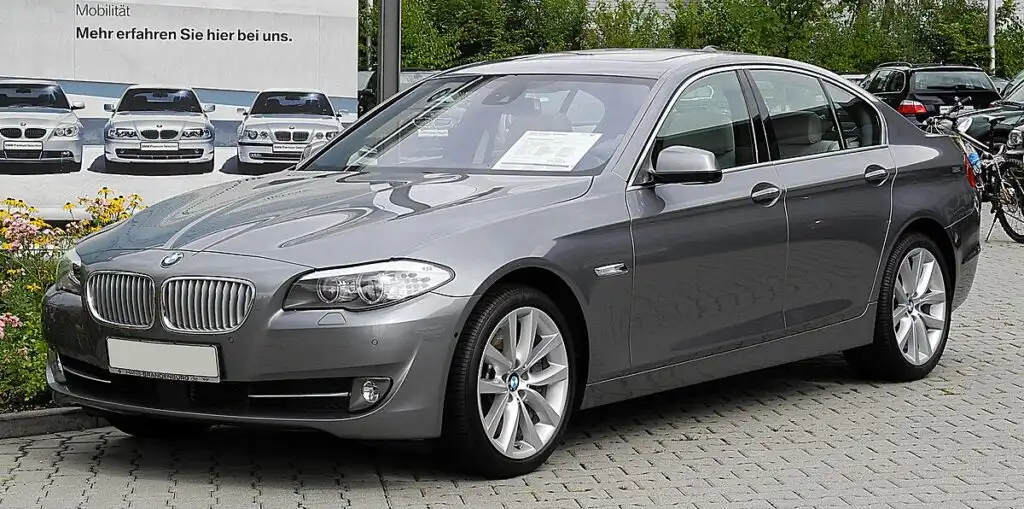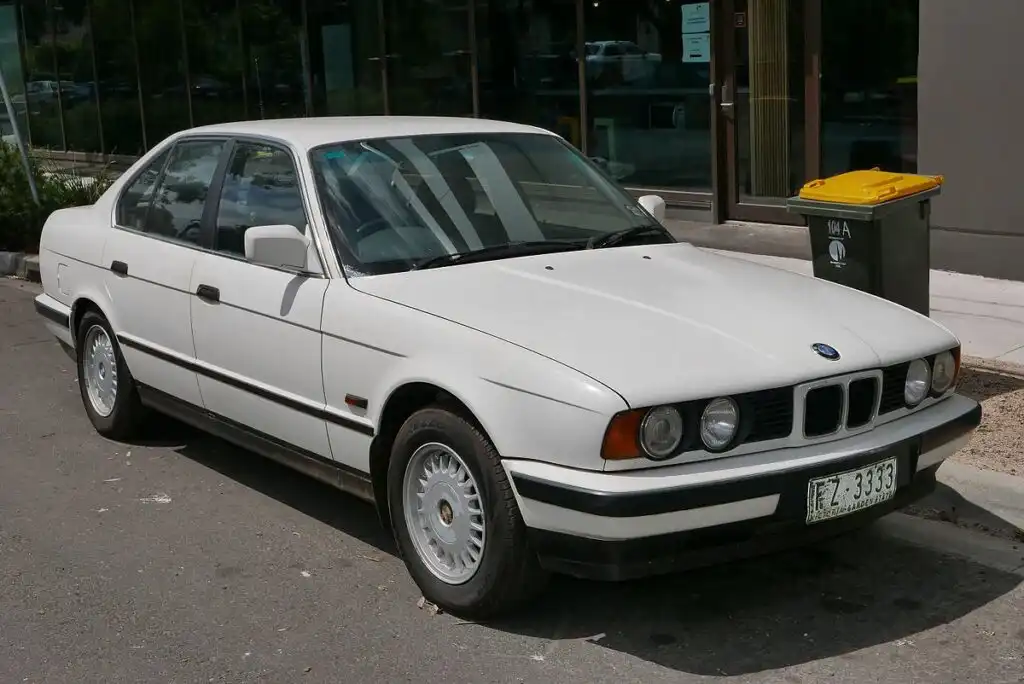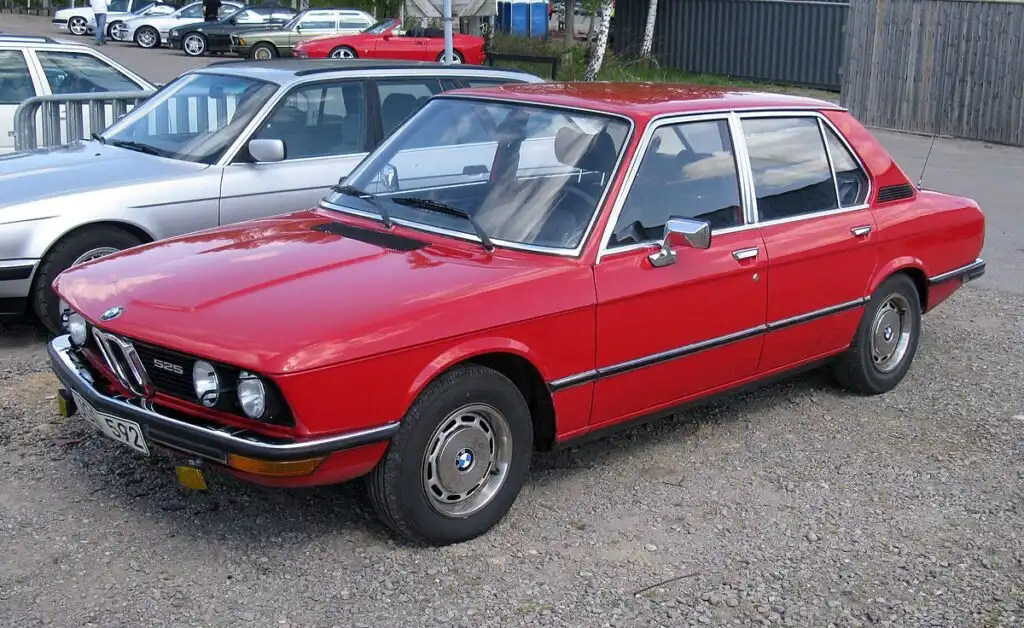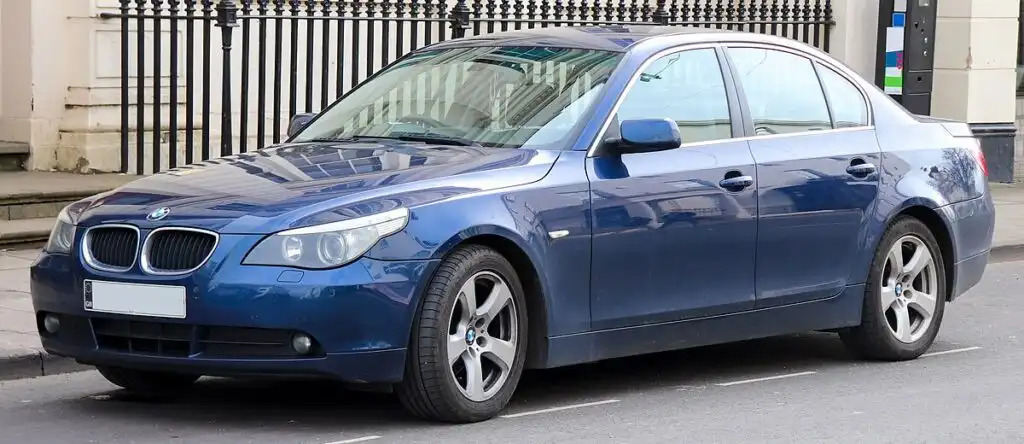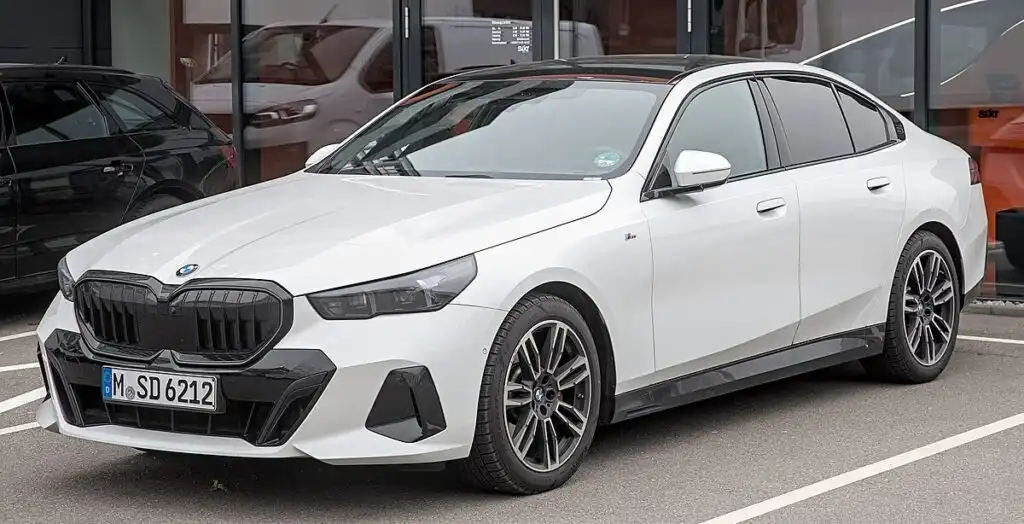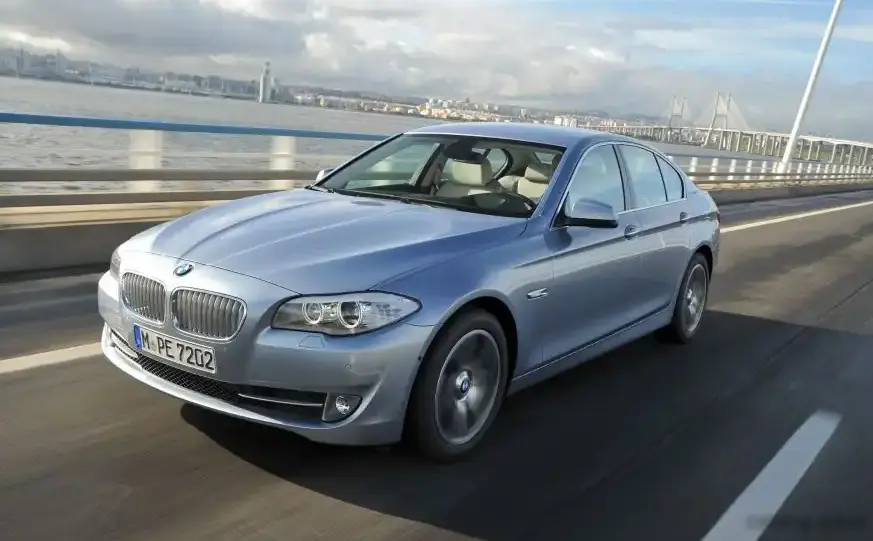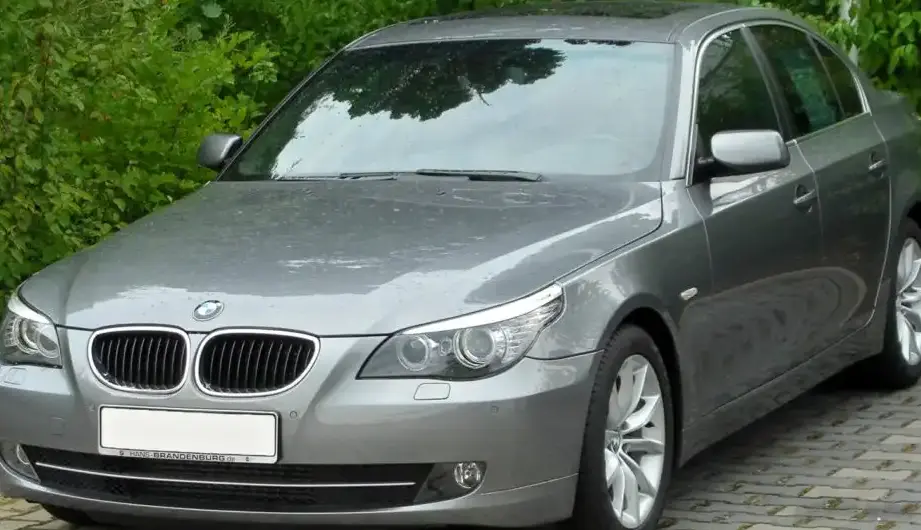
The BMW 535i, part of the E60 5 Series lineup following the Life Cycle Impulse (LCI) facelift in 2007, represented a compelling blend of performance and luxury within the mid-size executive car segment. Produced from 2007 to 2010, this variant was positioned as a step up from the 528i, offering significantly more power and a more sophisticated driving experience, while remaining more accessible than the flagship 550i. The E60 generation, built on the BMW’s 5er platform, aimed to modernize the 5 Series with sharper styling, improved technology, and a focus on driver engagement. This particular 535i model, equipped with the N54 engine, became a popular choice for enthusiasts seeking a balance between everyday usability and spirited performance.
Technical Specifications
| Brand | BMW |
| Model | 5 Series |
| Generation | 5 Series (E60 LCI, facelift 2007) |
| Type (Engine) | 535i (300 Hp) |
| Start of production | 2007 |
| End of production | 2010 |
| Powertrain Architecture | Internal Combustion engine |
| Body type | Sedan |
| Seats | 5 |
| Doors | 4 |
| Fuel consumption (economy) – urban | 13.8 l/100 km (17 US mpg, 20.5 UK mpg, 7.2 km/l) |
| Fuel consumption (economy) – extra urban | 9 l/100 km (26.1 US mpg, 31.4 UK mpg, 11.1 km/l) |
| Fuel Type | Petrol (Gasoline) |
| Acceleration 0 – 60 mph | 5.6 sec |
| Maximum speed | 241 km/h (149.75 mph) – Electronically limited |
| Weight-to-power ratio | 5.5 kg/Hp, 180.7 Hp/tonne |
| Weight-to-torque ratio | 4.1 kg/Nm, 245.2 Nm/tonne |
| Power | 300 Hp @ 5800 rpm |
| Power per litre | 100.7 Hp/l |
| Torque | 407 Nm @ 1400-5000 rpm (300.19 lb.-ft. @ 1400-5000 rpm) |
| Engine layout | Front, Longitudinal |
| Engine Model/Code | N54B30 |
| Engine displacement | 2979 cm3 (181.79 cu. in.) |
| Number of cylinders | 6 |
| Engine configuration | Inline |
| Cylinder Bore | 84 mm (3.31 in.) |
| Piston Stroke | 89.6 mm (3.53 in.) |
| Compression ratio | 10.2:1 |
| Number of valves per cylinder | 4 |
| Fuel injection system | Direct injection |
| Engine aspiration | Twin-power turbo, Intercooler |
| Valvetrain | DOHC, Double-VANOS |
| Engine oil capacity | 6.5 l (6.87 US qt | 5.72 UK qt) |
| Kerb Weight | 1660 kg (3659.67 lbs.) |
| Max. weight | 2210 kg (4872.22 lbs.) |
| Max load | 550 kg (1212.54 lbs.) |
| Trunk (boot) space – minimum | 520 l (18.36 cu. ft.) |
| Fuel tank capacity | 70 l (18.49 US gal | 15.4 UK gal) |
| Max. roof load | 100 kg (220.46 lbs.) |
| Length | 4854 mm (191.1 in.) |
| Width | 1846 mm (72.68 in.) |
| Width including mirrors | 2030 mm (79.92 in.) |
| Height | 1468 mm (57.8 in.) |
| Wheelbase | 2888 mm (113.7 in.) |
| Front track | 1557 mm (61.3 in.) |
| Rear (Back) track | 1582 mm (62.28 in.) |
| Drag coefficient (Cd) | 0.29 |
| Minimum turning circle (turning diameter) | 11.4 m (37.4 ft.) |
| Drivetrain Architecture | The Internal combustion engine (ICE) drives the rear wheels of the vehicle. |
| Drive wheel | Rear wheel drive |
| Number of gears and type of gearbox | 6 gears, manual transmission |
| Front suspension | Spring Strut, Transverse stabilizer |
| Rear suspension | Independent multi-link suspension, Transverse stabilizer |
| Front brakes | Ventilated discs, 348 mm |
| Rear brakes | Ventilated discs, 345 mm |
| Assisting systems | ABS (Anti-lock braking system) |
| Steering type | Steering rack and pinion |
| Power steering | Hydraulic Steering |
| Tires size | 225/50 R17 |
| Wheel rims size | 7.5J x 17 |
Powertrain & Engine Architecture
The heart of the 535i was the N54B30, a 3.0-liter inline-six engine. This engine was a technological marvel for its time, featuring direct fuel injection, twin-turbocharging, and BMW’s Double-VANOS variable valve timing system. The twin-turbo setup utilized two smaller turbochargers instead of a single large one, minimizing turbo lag and providing a broader, more usable powerband. The direct injection system precisely metered fuel into the cylinders, improving efficiency and reducing emissions. The N54’s engine code, N54, is well-known among BMW enthusiasts. The 6-speed manual transmission was standard, offering precise shifts and a direct connection to the engine. The transmission’s gear ratios were tuned to maximize acceleration and provide comfortable highway cruising.
Driving Characteristics
The 535i delivered a noticeably more engaging driving experience than the 528i. The twin-turbocharged inline-six produced a substantial 300 horsepower and 300 lb-ft of torque, allowing for brisk acceleration and confident passing maneuvers. The 0-60 mph sprint took approximately 5.6 seconds. While the 528i focused on refinement, the 535i prioritized performance. The manual transmission allowed drivers to fully exploit the engine’s powerband, while the well-tuned suspension provided a comfortable yet controlled ride. Compared to the 550i, the 535i offered a more balanced feel, with less weight over the front axle and a more playful chassis.
Equipment & Trim Levels
The 535i typically came standard with features such as leather upholstery, power-adjustable front seats, automatic climate control, and a premium sound system. Optional extras included a navigation system, sport package (with upgraded suspension and seats), and various interior trim options. The sport package was a popular choice, enhancing the car’s handling and aesthetics. Interior trim options ranged from wood veneers to aluminum accents, allowing buyers to personalize their vehicle.
Chassis & Braking
The E60 535i featured a robust chassis with a MacPherson strut front suspension and a multi-link rear suspension. This setup provided a good balance of ride comfort and handling precision. Ventilated disc brakes were standard on all four wheels, providing ample stopping power. The ABS (Anti-lock Braking System) ensured stable braking performance in various conditions. The steering was a hydraulic rack-and-pinion system, offering precise and responsive steering feel.
Market Reception & Comparison
The 535i was generally well-received by automotive critics, who praised its powerful engine, engaging driving dynamics, and luxurious interior. It was often compared favorably to its rivals, such as the Audi A6 and Mercedes-Benz E-Class. Fuel economy was reasonable for a performance sedan, averaging around 17 mpg in the city and 26 mpg on the highway. However, the N54 engine was known to require more frequent maintenance than some of its competitors, particularly regarding the fuel injectors and cooling system. The 535i offered a compelling alternative to the 528i for drivers who prioritized performance, while remaining more affordable than the 550i.
Legacy
The E60 535i, particularly those equipped with the N54 engine, has developed a strong following among BMW enthusiasts. The N54 engine is known for its tuning potential, and many owners have modified their cars to extract even more power. While the engine can be prone to certain issues if not properly maintained, it remains a capable and rewarding powerplant. Today, well-maintained E60 535i models are sought after in the used car market, offering a blend of performance, luxury, and value. The car represents a high point in BMW’s engineering prowess and continues to provide an enjoyable driving experience for those who appreciate a classic sports sedan.