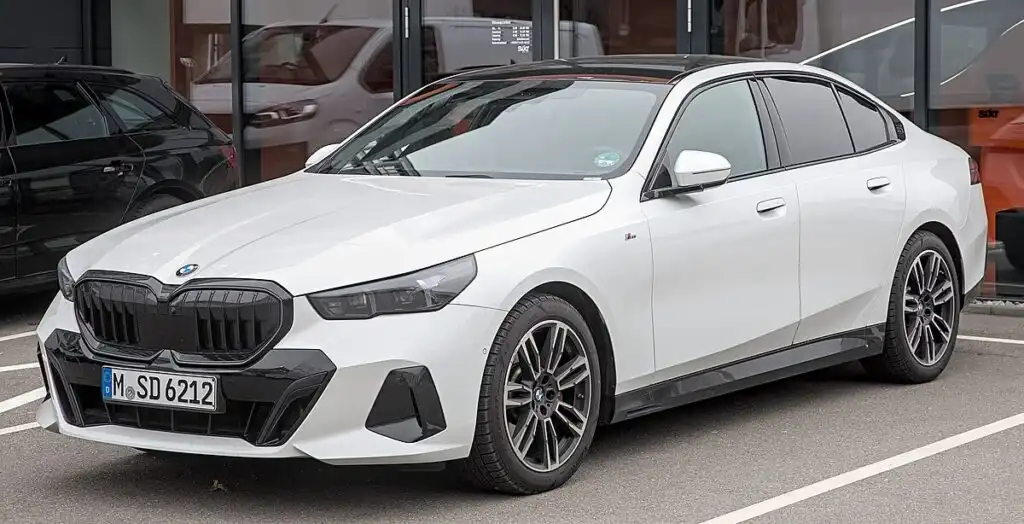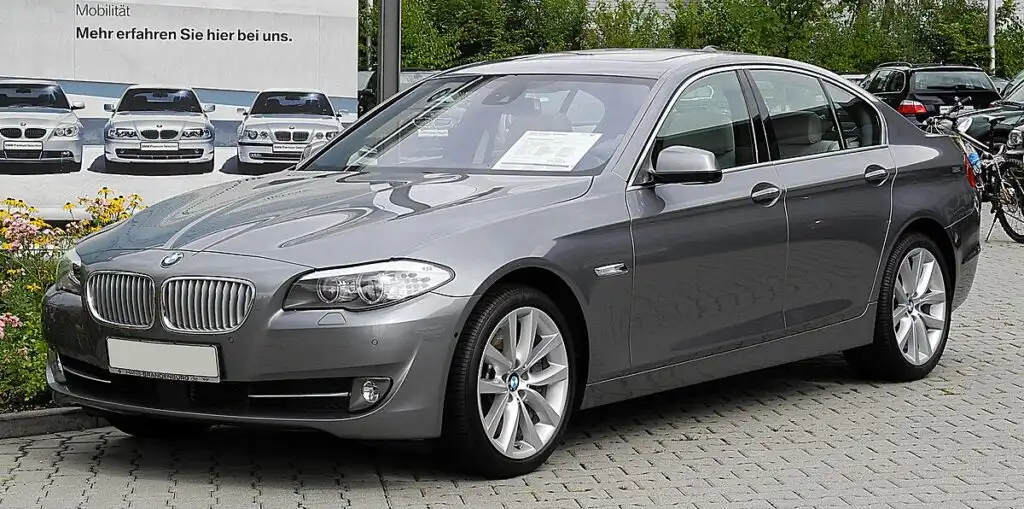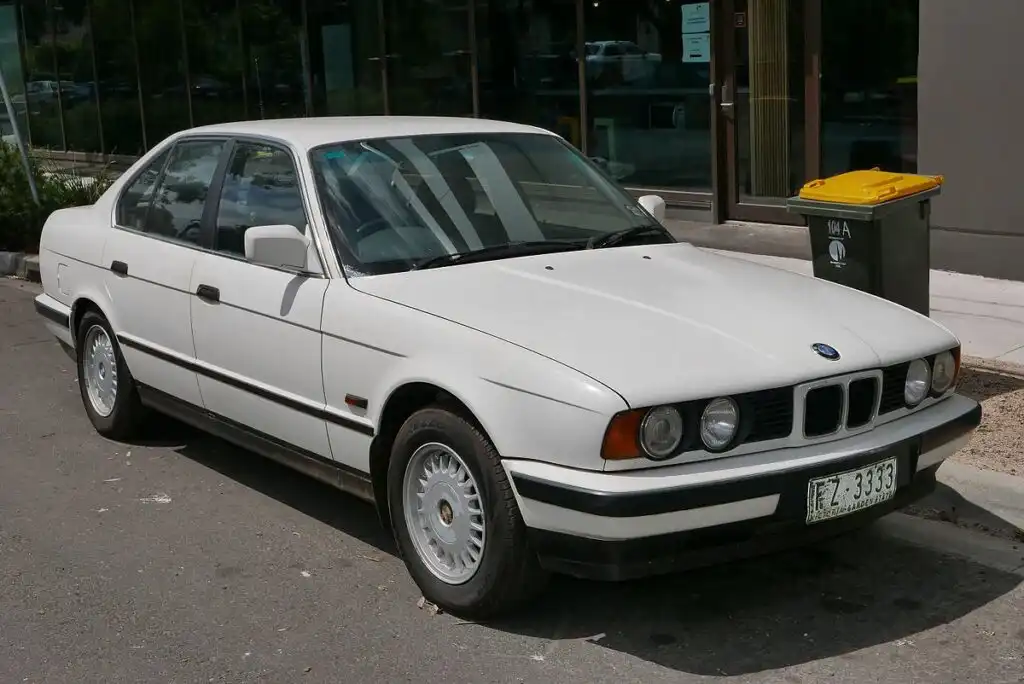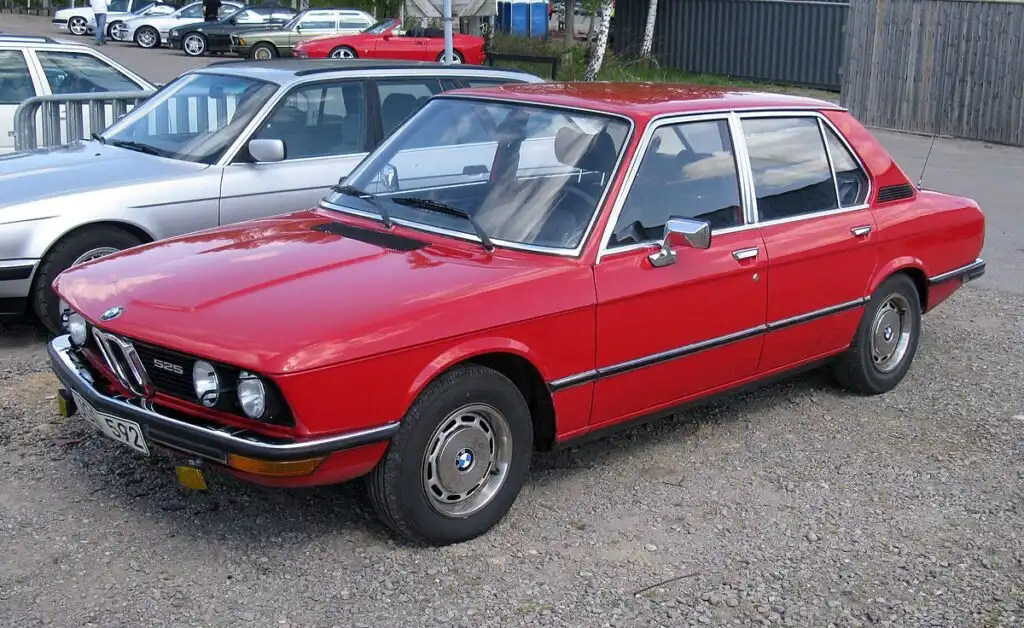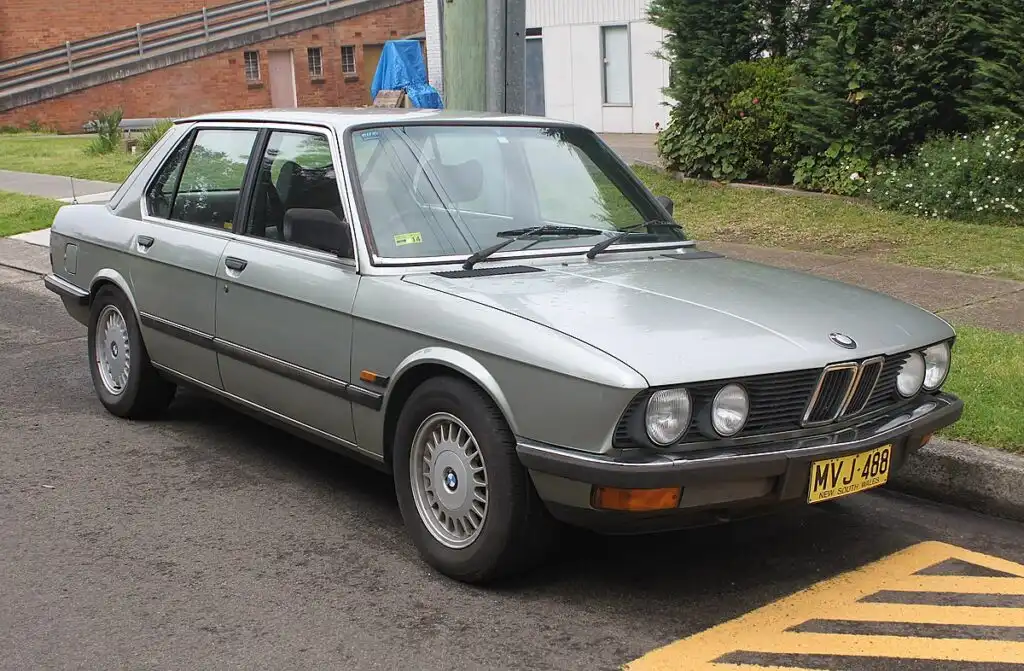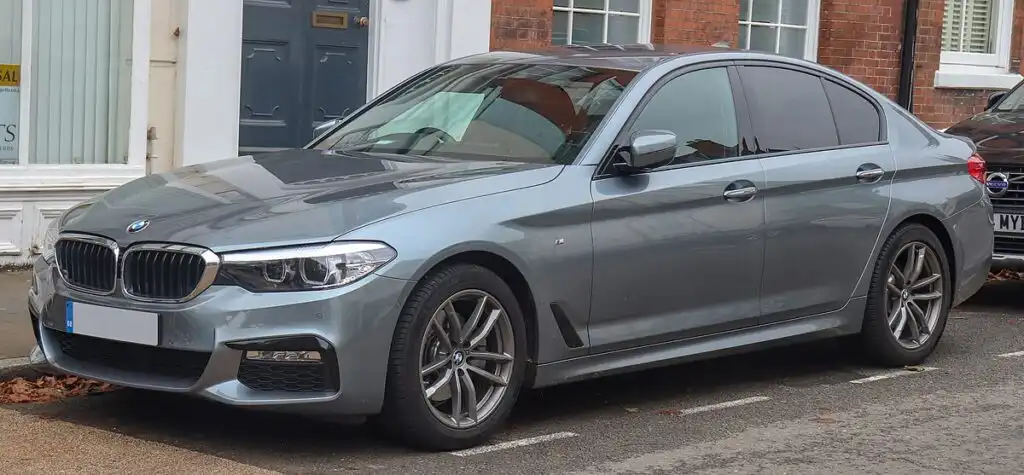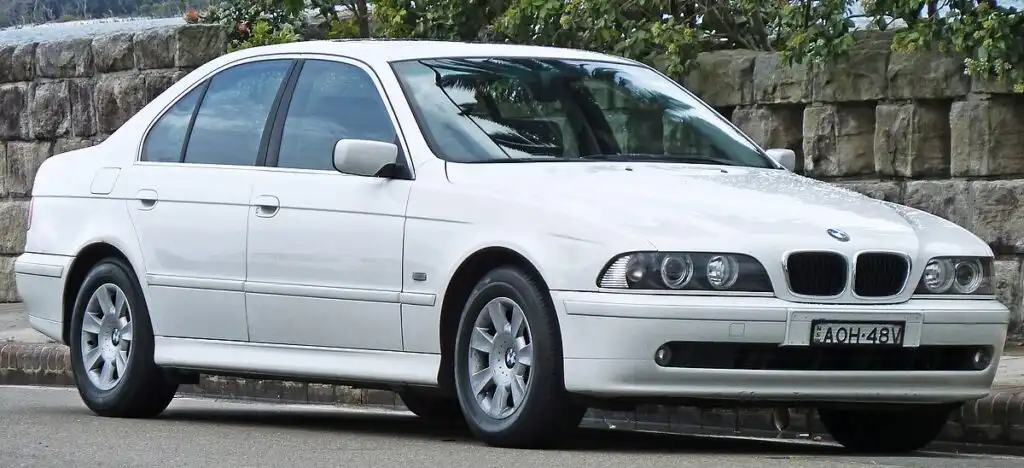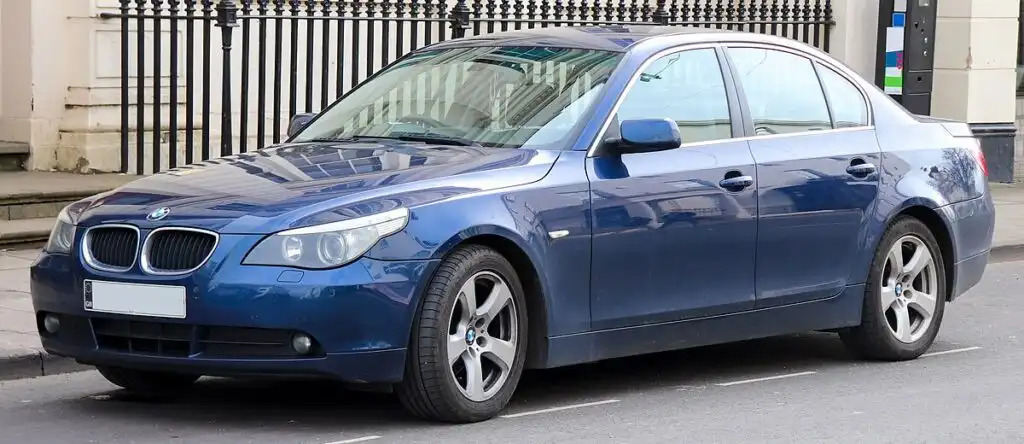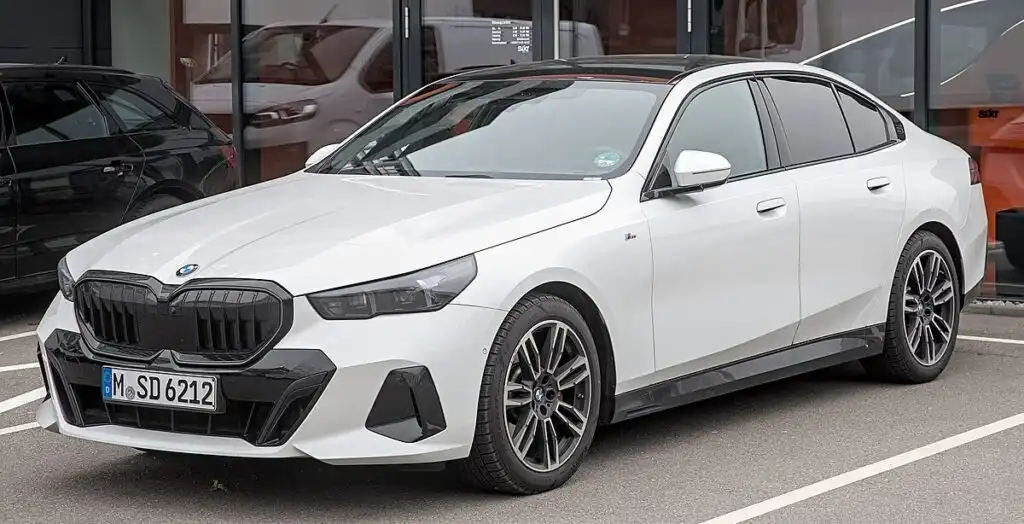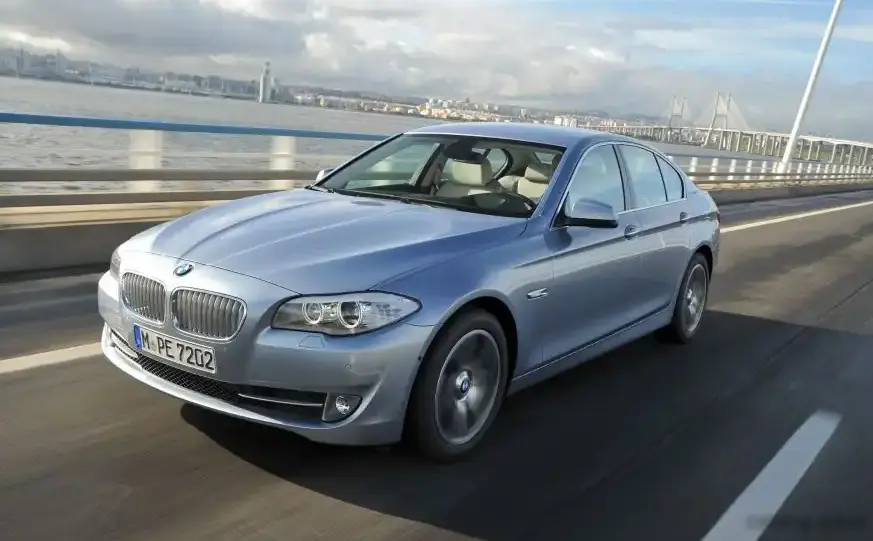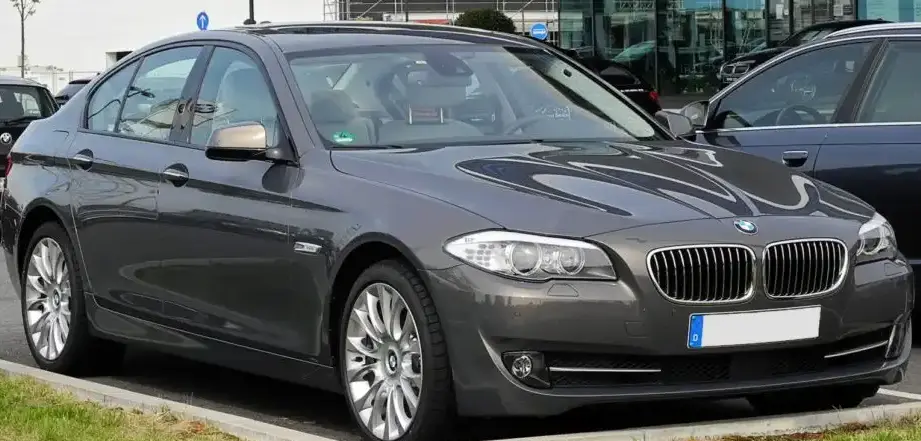
The BMW 5 Series Sedan (F10) 525d, produced from 2011 to 2013, represented a key entry point into the sixth generation (F10) of BMW’s iconic mid-size executive car. Positioned as a diesel-powered variant, the 525d aimed to deliver a blend of performance, efficiency, and luxury. It occupied a middle ground in the F10 5 Series lineup, offering a more economical alternative to the gasoline-powered 528i and 535i models, while providing more power than the base 520d. This model was primarily targeted at European markets where diesel engines held significant popularity due to fuel costs and emissions regulations, but also saw moderate sales in other regions.
Technical Specifications
| Brand | BMW |
| Model | 5 Series |
| Generation | 5 Series Sedan (F10) |
| Type (Engine) | 525d (218 Hp) |
| Start of production | 2011 |
| End of production | 2013 |
| Powertrain Architecture | Internal Combustion engine |
| Body type | Sedan |
| Seats | 5 |
| Doors | 4 |
| Fuel consumption (urban) | 6.2-6.6 l/100 km (37.9 – 35.6 US mpg, 45.6 – 42.8 UK mpg, 16.1 – 15.2 km/l) |
| Fuel consumption (extra urban) | 4.3-4.5 l/100 km (54.7 – 52.3 US mpg, 65.7 – 62.8 UK mpg, 23.3 – 22.2 km/l) |
| Fuel consumption (combined) | 5.0-5.3 l/100 km (47 – 44.4 US mpg, 56.5 – 53.3 UK mpg, 20 – 18.9 km/l) |
| CO2 emissions | 132-138 g/km |
| Fuel Type | Diesel |
| Acceleration 0 – 100 km/h | 7 sec |
| Acceleration 0 – 62 mph | 7 sec |
| Acceleration 0 – 60 mph | 6.7 sec |
| Maximum speed | 243 km/h (150.99 mph) |
| Emission standard | Euro 5 |
| Weight-to-power ratio | 7.5 kg/Hp, 132.5 Hp/tonne |
| Weight-to-torque ratio | 3.7 kg/Nm, 273.6 Nm/tonne |
| Power | 218 Hp @ 4400 rpm |
| Power per litre | 109.3 Hp/l |
| Torque | 450 Nm @ 1500-2500 rpm (331.9 lb.-ft. @ 1500-2500 rpm) |
| Engine layout | Front, Longitudinal |
| Engine Model/Code | N47D20D |
| Engine displacement | 1995 cm3 (121.74 cu. in.) |
| Number of cylinders | 4 |
| Engine configuration | Inline |
| Cylinder Bore | 84 mm (3.31 in.) |
| Piston Stroke | 90 mm (3.54 in.) |
| Compression ratio | 16.5:1 |
| Number of valves per cylinder | 4 |
| Fuel injection system | Diesel Commonrail |
| Engine aspiration | Twin-power turbo, Intercooler |
| Engine oil capacity | 5.2 l (5.49 US qt | 4.58 UK qt) |
| Coolant | 8 l (8.45 US qt | 7.04 UK qt) |
| Kerb Weight | 1645 kg (3626.6 lbs.) |
| Max. weight | 2255 kg (4971.42 lbs.) |
| Max load | 610 kg (1344.82 lbs.) |
| Trunk (boot) space – minimum | 520 l (18.36 cu. ft.) |
| Fuel tank capacity | 70 l (18.49 US gal | 15.4 UK gal) |
| Max. roof load | 100 kg (220.46 lbs.) |
| Permitted trailer load with brakes (12%) | 2000 kg (4409.25 lbs.) |
| Permitted trailer load without brakes | 750 kg (1653.47 lbs.) |
| Permitted towbar download | 90 kg (198.42 lbs.) |
| Length | 4899 mm (192.87 in.) |
| Width | 1860 mm (73.23 in.) |
| Height | 1464 mm (57.64 in.) |
| Wheelbase | 2968 mm (116.85 in.) |
| Front track | 1600 mm (62.99 in.) |
| Rear (Back) track | 1627 mm (64.06 in.) |
| Ride height (ground clearance) | 141 mm (5.55 in.) |
| Drag coefficient (Cd) | 0.28 |
| Minimum turning circle (turning diameter) | 11.95 m (39.21 ft.) |
| Drivetrain Architecture | The Internal combustion engine (ICE) drives the rear wheels of the vehicle. |
| Drive wheel | Rear wheel drive |
| Number of gears and type of gearbox | 6 gears, manual transmission |
| Front suspension | Double wishbone |
| Rear suspension | Independent multi-link suspension |
| Front brakes | Ventilated discs |
| Rear brakes | Ventilated discs |
| Assisting systems | ABS (Anti-lock braking system) |
| Steering type | Steering rack and pinion |
| Power steering | Electric Steering |
| Tires size | 225/55 R17; 245/45 R18; 275/40 R18; 245/40 R19; 275/35 R19; 245/35 R20; 275/30 R20 |
| Wheel rims size | 8J x 17; 8J x 18; 9J x 18; 8.5J x 19; 9J x 19; 8.5J x 20; 9J x 20 |
INTRODUCTION
The BMW 5 Series F10 525d, manufactured between 2011 and 2013, was a significant offering in BMW’s lineup. Built on the F10 platform, which also underpinned the 5 Series Gran Turismo, it aimed to provide a balance between performance and fuel economy. The “d” designation signified a diesel engine, and the 525 moniker, while traditionally associated with gasoline engines, was used to position this model within the range. It was a popular choice in Europe, where diesel vehicles enjoyed considerable tax benefits and consumer preference. The 525d offered a more accessible entry point into the F10 5 Series compared to its more powerful and expensive siblings.
Powertrain & Engine Architecture
At the heart of the 525d lay the N47D20D, a 2.0-liter inline-four cylinder diesel engine. This engine was a cornerstone of BMW’s EfficientDynamics strategy, focusing on maximizing fuel efficiency without sacrificing drivability. The N47 featured common-rail direct injection, delivering fuel at extremely high pressure for optimized combustion. A single twin-scroll turbocharger with variable geometry turbine (VGT) technology provided a boost in power and torque, mitigating turbo lag. The engine also incorporated an intercooler to further cool the intake air. The 525d was typically paired with a six-speed manual transmission, although an eight-speed automatic transmission was also available as an option. The automatic transmission offered smoother shifts and enhanced fuel economy, but the manual provided a more engaging driving experience. The engine produced 218 horsepower at 4400 rpm and a substantial 450 Nm (331.9 lb-ft) of torque between 1500 and 2500 rpm, making it surprisingly capable for a four-cylinder diesel.
Driving Characteristics
The 525d offered a refined and comfortable driving experience. While not as overtly sporty as the 535i or 550i models, it provided ample power for everyday driving and highway cruising. The high torque output of the diesel engine meant strong acceleration from low speeds, making overtaking maneuvers effortless. The six-speed manual transmission allowed for precise gear changes, while the optional eight-speed automatic shifted smoothly and efficiently. Compared to the higher-output 530d or 535d, the 525d felt less urgent in its acceleration, but its fuel economy advantage was significant. The suspension, tuned for comfort, absorbed bumps and imperfections in the road well, providing a smooth ride. Steering was precise and well-weighted, offering good feedback to the driver.
Equipment & Trim Levels
The 525d came standard with a comprehensive list of features, including automatic climate control, power windows and locks, a multi-function steering wheel, and a BMW Professional radio system. Upholstery was typically cloth, but leather upholstery was available as an option. Higher trim levels offered additional features such as a sunroof, navigation system, premium sound system, and parking sensors. Optional extras included adaptive headlights, heated seats, and a head-up display. The interior design was typical of BMW, with a focus on functionality and quality materials. The dashboard layout was clean and intuitive, with all controls within easy reach of the driver.
Chassis & Braking
The F10 5 Series featured a robust chassis with a double wishbone front suspension and an independent multi-link rear suspension. This setup provided excellent handling and ride comfort. The 525d typically came equipped with ventilated disc brakes on all four wheels, providing ample stopping power. Anti-lock braking system (ABS) and electronic stability control (ESC) were standard features, enhancing safety. The weight distribution was well-balanced, contributing to the car’s neutral handling characteristics. The standard tire size was 225/55 R17, but larger wheels and tires were available as options.
Market Reception & Comparison
The 525d was generally well-received by automotive critics. It was praised for its fuel efficiency, comfortable ride, and refined interior. However, some critics noted that the four-cylinder diesel engine lacked the refinement and power of the six-cylinder alternatives. Compared to the 520d, the 525d offered a noticeable increase in power and performance. Compared to the 530d, it offered better fuel economy but less overall performance. The 525d represented a sweet spot for many buyers, offering a good balance of attributes at a reasonable price point.
Legacy
The N47D20D engine, found in the 525d, proved to be a reliable and durable powerplant, although early versions were known to have issues with timing chain tensioners. These issues were addressed in later revisions of the engine. Today, the F10 525d remains a popular choice in the used car market, particularly for those seeking a fuel-efficient and comfortable executive car. Its relatively simple mechanicals and readily available parts make it a relatively affordable car to maintain. The 525d stands as a testament to BMW’s commitment to diesel technology and its ability to deliver a compelling driving experience in a practical and efficient package.