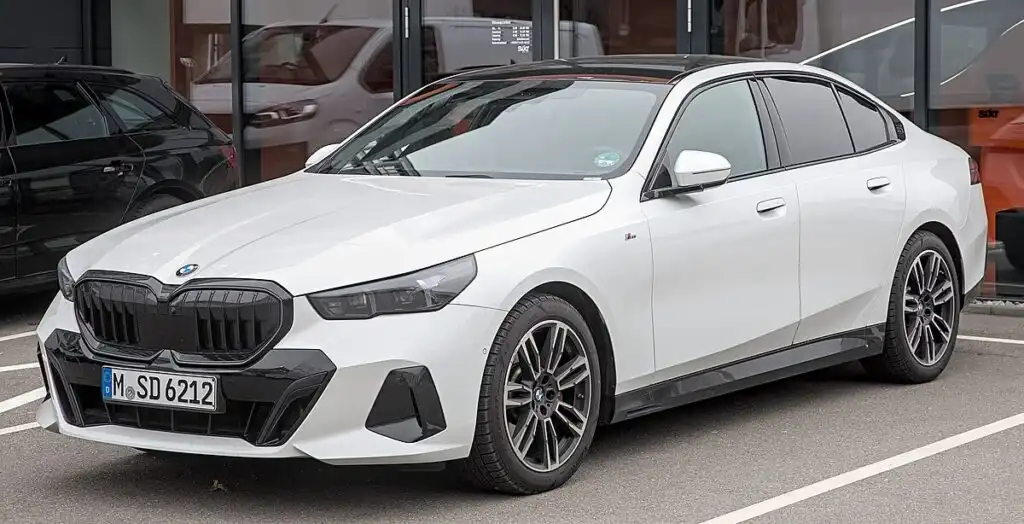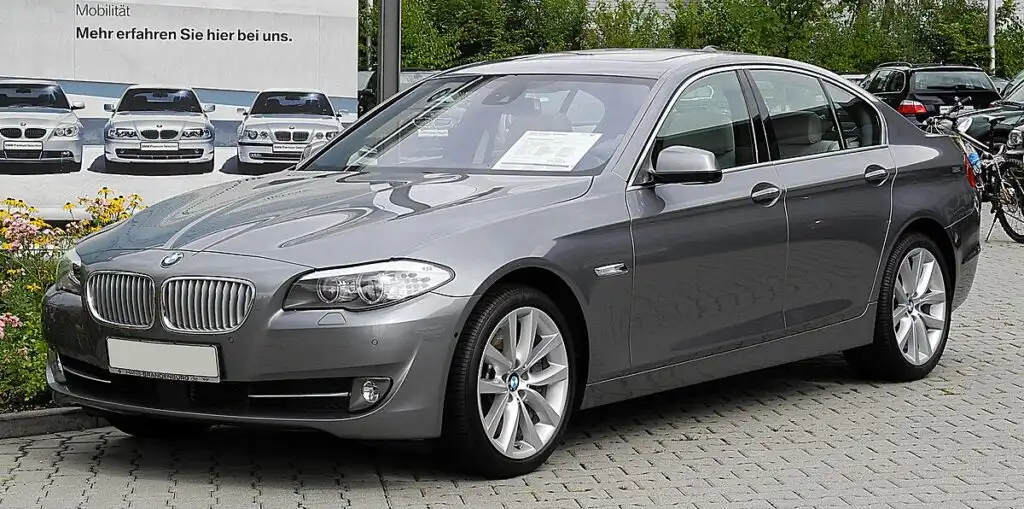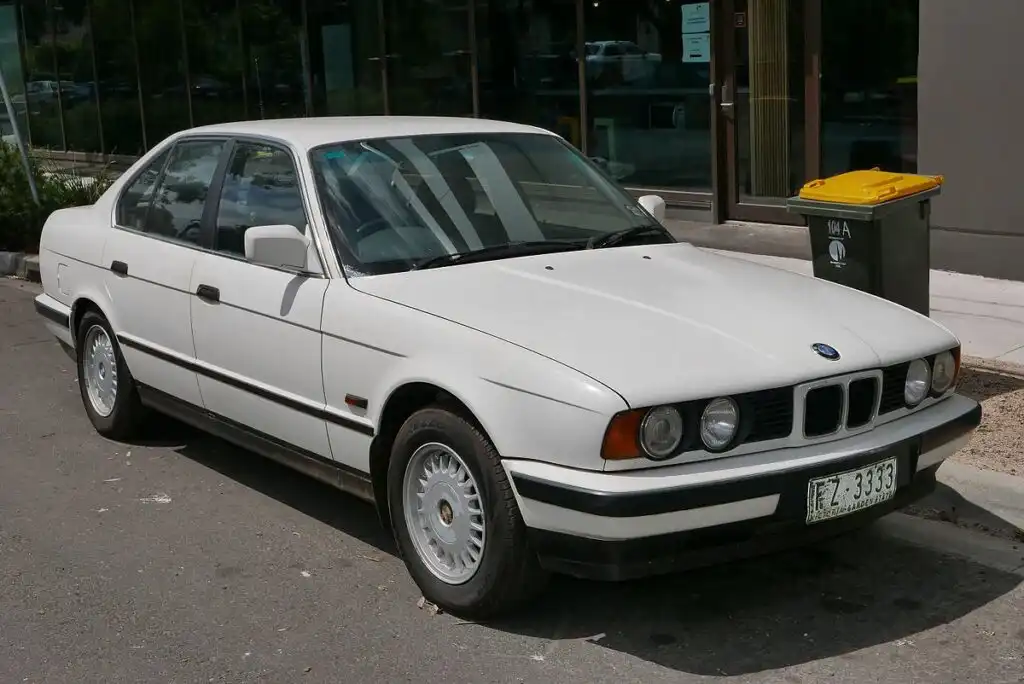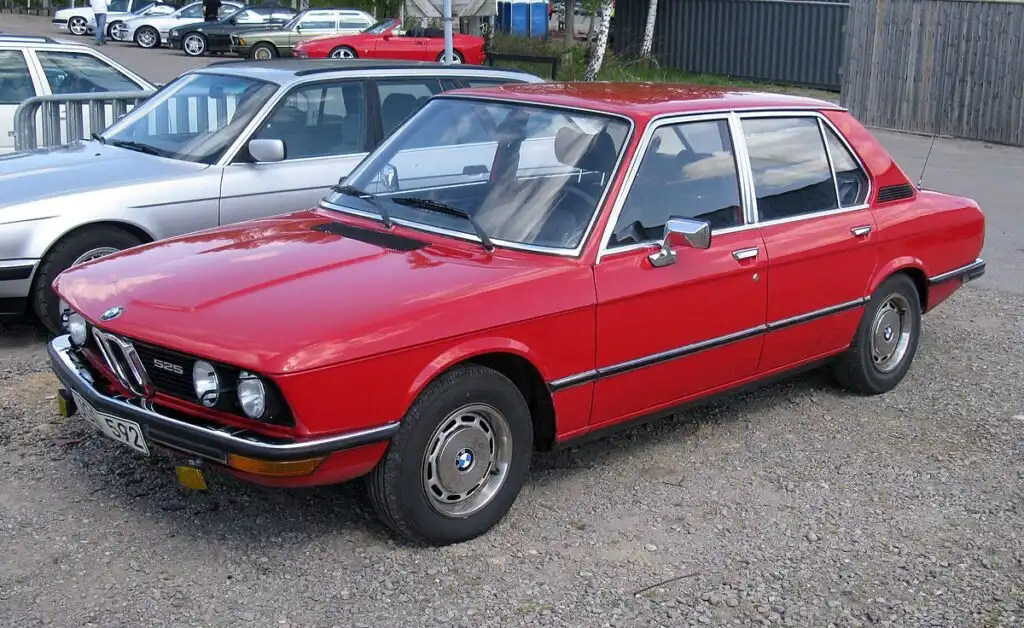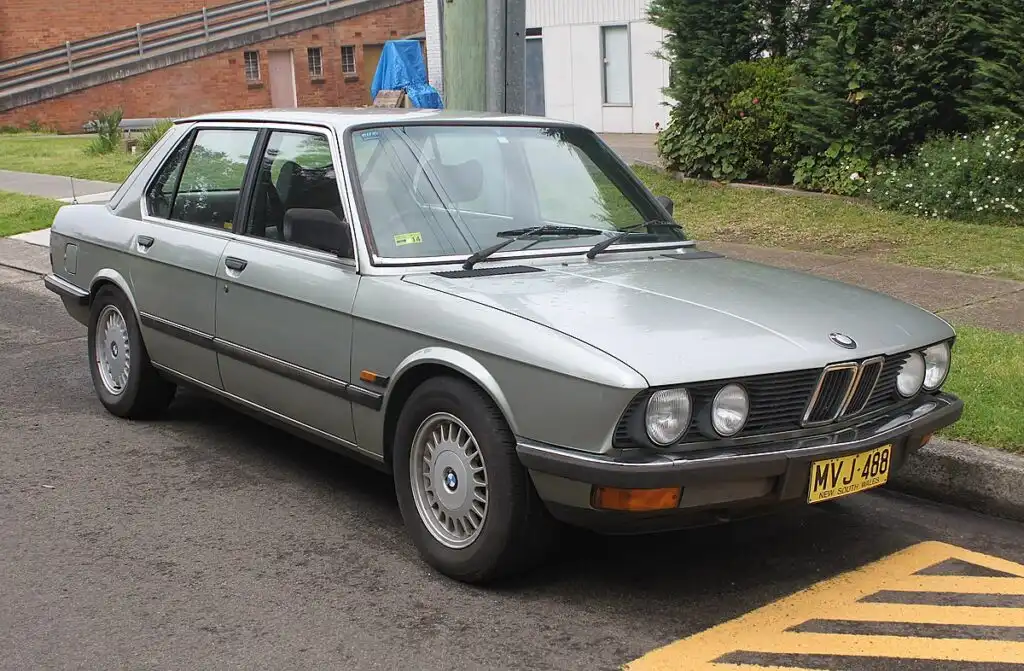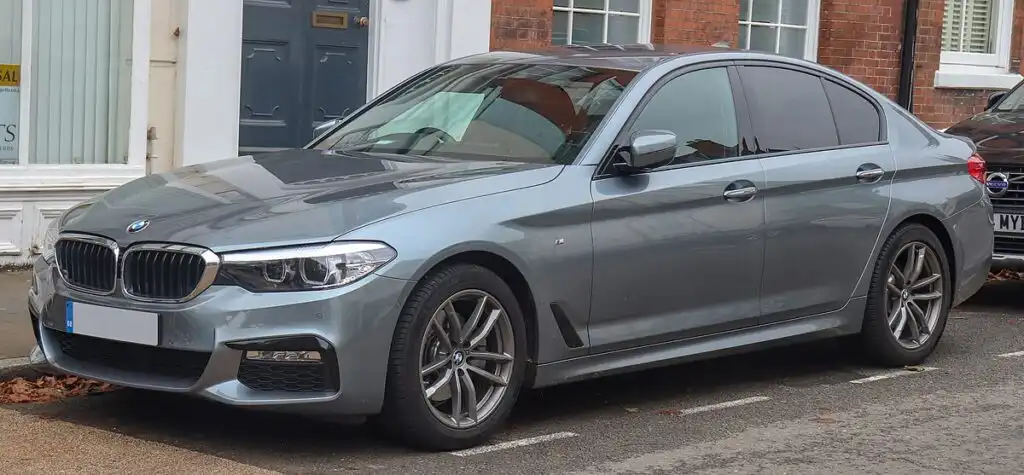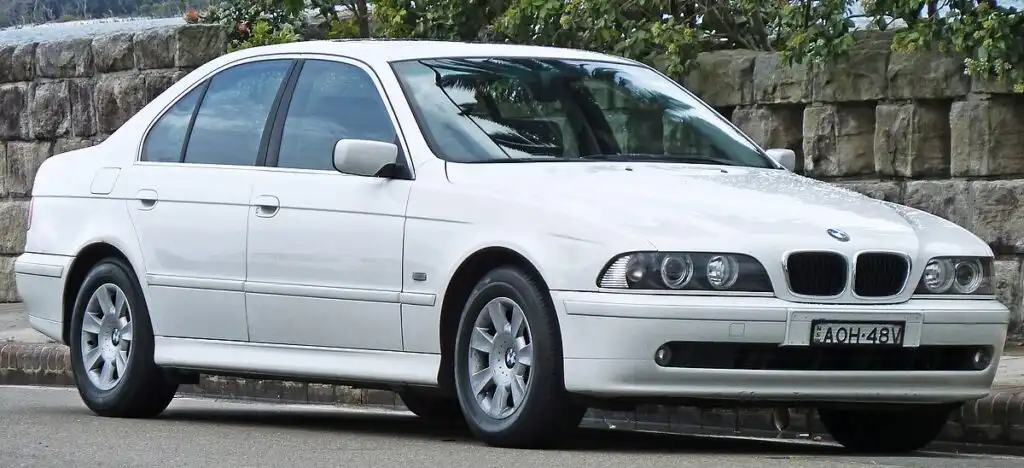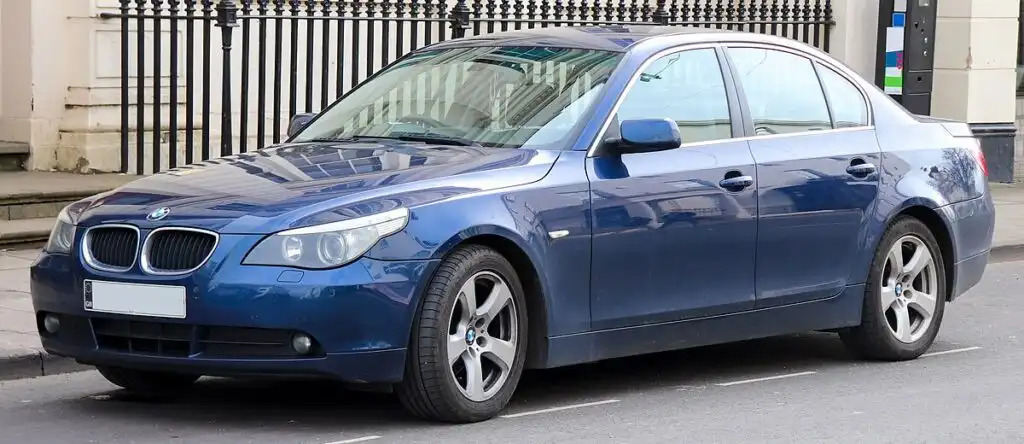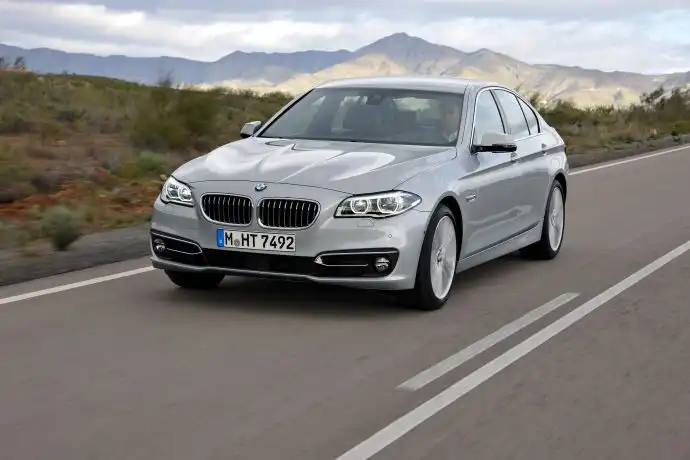
The BMW 518d Steptronic, produced from 2014 to 2016, was a key variant within the F10 LCI (Life Cycle Impulse, or facelift) generation of the 5 Series sedan. Positioned as an entry-level diesel offering in many European markets, it aimed to provide the 5 Series experience – luxury, refinement, and driving dynamics – with improved fuel economy and lower running costs. The F10 LCI brought styling updates, revised engine options, and enhanced technology to the already successful F10 platform, which spanned from 2010 to 2017. The 518d specifically targeted buyers prioritizing efficiency and comfort over outright performance, offering a balance within the broader 5 Series range.
Technical Specifications
| Brand | BMW |
| Model | 5 Series |
| Generation | 5 Series Sedan (F10 LCI, Facelift 2013) |
| Type (Engine) | 518d (150 Hp) Steptronic |
| Start of production | 2014 |
| End of production | 2016 |
| Powertrain Architecture | Internal Combustion engine |
| Body type | Sedan |
| Seats | 5 |
| Doors | 4 |
| Fuel consumption (urban) | 4.9-5.2 l/100 km (48 – 45.2 US mpg, 57.6 – 54.3 UK mpg, 20.4 – 19.2 km/l) |
| Fuel consumption (extra urban) | 3.8-4.2 l/100 km (61.9 – 56 US mpg, 74.3 – 67.3 UK mpg, 26.3 – 23.8 km/l) |
| Fuel consumption (combined) | 4.2-4.6 l/100 km (56 – 51.1 US mpg, 67.3 – 61.4 UK mpg, 23.8 – 21.7 km/l) |
| CO2 emissions | 110-120 g/km |
| Fuel Type | Diesel |
| Acceleration 0 – 100 km/h | 9.4 sec |
| Acceleration 0 – 62 mph | 9.4 sec |
| Acceleration 0 – 60 mph | 8.9 sec |
| Maximum speed | 216 km/h (134.22 mph) |
| Emission standard | Euro 6 |
| Weight-to-power ratio | 10.8 kg/Hp, 92.3 Hp/tonne |
| Weight-to-torque ratio | 4.5 kg/Nm, 221.5 Nm/tonne |
| Power | 150 Hp @ 4000 rpm |
| Power per litre | 75.2 Hp/l |
| Torque | 360 Nm @ 1750-2500 rpm (265.52 lb.-ft. @ 1750-2500 rpm) |
| Engine layout | Front, Longitudinal |
| Engine Model/Code | B47D20A |
| Engine displacement | 1995 cm3 (121.74 cu. in.) |
| Number of cylinders | 4 |
| Engine configuration | Inline |
| Cylinder Bore | 84 mm (3.31 in.) |
| Piston Stroke | 90 mm (3.54 in.) |
| Compression ratio | 16.5:1 |
| Number of valves per cylinder | 4 |
| Fuel injection system | Diesel Commonrail |
| Engine aspiration | Twin-Turbo, Intercooler |
| Engine oil capacity | 5 l (5.28 US qt | 4.4 UK qt) |
| Coolant | 7.2 l (7.61 US qt | 6.34 UK qt) |
| Kerb Weight | 1625 kg (3582.51 lbs.) |
| Max. weight | 2235 kg (4927.33 lbs.) |
| Max load | 610 kg (1344.82 lbs.) |
| Trunk (boot) space – minimum | 520 l (18.36 cu. ft.) |
| Fuel tank capacity | 70 l (18.49 US gal | 15.4 UK gal) |
| Max. roof load | 100 kg (220.46 lbs.) |
| Permitted trailer load with brakes (12%) | 2000 kg (4409.25 lbs.) |
| Permitted trailer load without brakes | 750 kg (1653.47 lbs.) |
| Permitted towbar download | 90 kg (198.42 lbs.) |
| Length | 4907 mm (193.19 in.) |
| Width | 1860 mm (73.23 in.) |
| Height | 1464 mm (57.64 in.) |
| Wheelbase | 2968 mm (116.85 in.) |
| Front track | 1600 mm (62.99 in.) |
| Rear (Back) track | 1627 mm (64.06 in.) |
| Ride height (ground clearance) | 141 mm (5.55 in.) |
| Drag coefficient (Cd) | 0.26 |
| Minimum turning circle (turning diameter) | 12 m (39.37 ft.) |
| Drivetrain Architecture | The Internal combustion engine (ICE) drives the rear wheels of the vehicle. |
| Drive wheel | Rear wheel drive |
| Number of gears and type of gearbox | 8 gears, automatic transmission Steptronic |
| Front suspension | Double wishbone |
| Rear suspension | Independent multi-link suspension |
| Front brakes | Ventilated discs |
| Rear brakes | Ventilated discs |
| Assisting systems | ABS (Anti-lock braking system) |
| Steering type | Steering rack and pinion |
| Power steering | Electric Steering |
| Tires size | 225/55 R17 97W; 245/45 R18; 275/40 R18; 245/40 R19; 275/35 R19; 245/35 R20; 275/30 R20 |
| Wheel rims size | 8J x 17; 8J x 18; 8.5J x 19; 9J x 19; 8.5J x 20; 9J x 20 |
Powertrain & Engine Architecture
The 518d utilized BMW’s B47D20A engine, a 2.0-liter inline-four cylinder diesel. This engine was a significant step forward in diesel technology, featuring a sophisticated common-rail direct injection system and a twin-turbocharger setup. The twin-turbo configuration, employing a low-pressure and a high-pressure turbocharger, was designed to minimize turbo lag and deliver a broad, usable torque curve. The engine boasted 150 horsepower at 4,000 rpm and a substantial 360 Nm (265 lb-ft) of torque available from a low 1,750 rpm, providing ample pulling power for everyday driving. The Steptronic transmission was an 8-speed automatic, known for its smooth shifts and efficiency. It was programmed to prioritize fuel economy while still offering responsive gear changes when needed.
Driving Characteristics
The 518d Steptronic offered a comfortable and refined driving experience. While not a performance-oriented model, the engine’s torque output provided adequate acceleration for highway merging and overtaking. The 8-speed automatic transmission played a crucial role in maximizing efficiency, keeping the engine operating within its optimal rev range. Compared to the more powerful 520d or 530d variants, the 518d felt less urgent in its acceleration, but the difference was often subtle in normal driving conditions. The automatic transmission, while smooth, didn’t offer the same level of driver engagement as a manual gearbox. Gear ratios were tuned for economy, meaning the engine didn’t rev as freely as in higher-spec models.
Equipment & Trim Levels
The 518d typically came equipped with a respectable level of standard features, including automatic climate control, a BMW iDrive infotainment system with a central display screen, power-adjustable front seats, and a leather-wrapped steering wheel. Common options included navigation, upgraded audio systems (Harman Kardon being a popular choice), parking sensors, and a sunroof. Interior upholstery was generally cloth, with leather being an optional upgrade. Trim levels varied by market, but generally offered packages that added features like heated seats, upgraded interior trim, and driver assistance systems.
Chassis & Braking
The F10 5 Series featured a robust chassis with a double-wishbone front suspension and an independent multi-link rear suspension. This setup provided a good balance between ride comfort and handling precision. The 518d typically came equipped with ventilated disc brakes on all four wheels, providing adequate stopping power. ABS (Anti-lock Braking System) was standard, along with electronic stability control. Stabilizer bars were fitted front and rear to reduce body roll during cornering. The suspension tuning was generally softer than that of the sportier 5 Series models, prioritizing comfort over outright handling performance.
Market Reception & Comparison
The 518d was well-received in markets where diesel engines were popular, particularly in Europe. Critics praised its fuel efficiency and comfortable ride. However, some reviewers noted that the engine lacked the outright performance of its more powerful siblings. Compared to the 520d, the 518d offered a lower price point but with a noticeable reduction in power. Against competitors like the Audi A6 and Mercedes-Benz E-Class, the 518d held its own in terms of refinement and technology, but often lagged slightly in terms of performance. Its fuel economy was a key selling point, making it an attractive option for high-mileage drivers.
Legacy
The B47 engine family, including the B47D20A used in the 518d, proved to be generally reliable, although some early examples experienced issues with the timing chain. Proper maintenance, including regular oil changes and adherence to BMW’s service schedule, is crucial for long-term reliability. On the used car market, the 518d Steptronic represents a relatively affordable entry point into 5 Series ownership. Its fuel efficiency and comfortable ride continue to appeal to buyers seeking a practical and refined executive sedan. While not the most exciting variant in the F10 lineup, the 518d remains a capable and well-rounded vehicle.