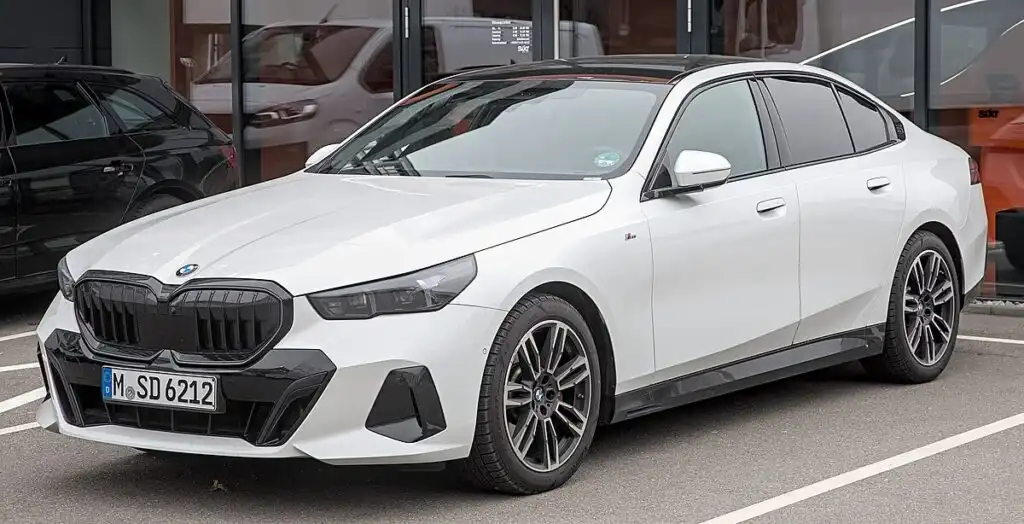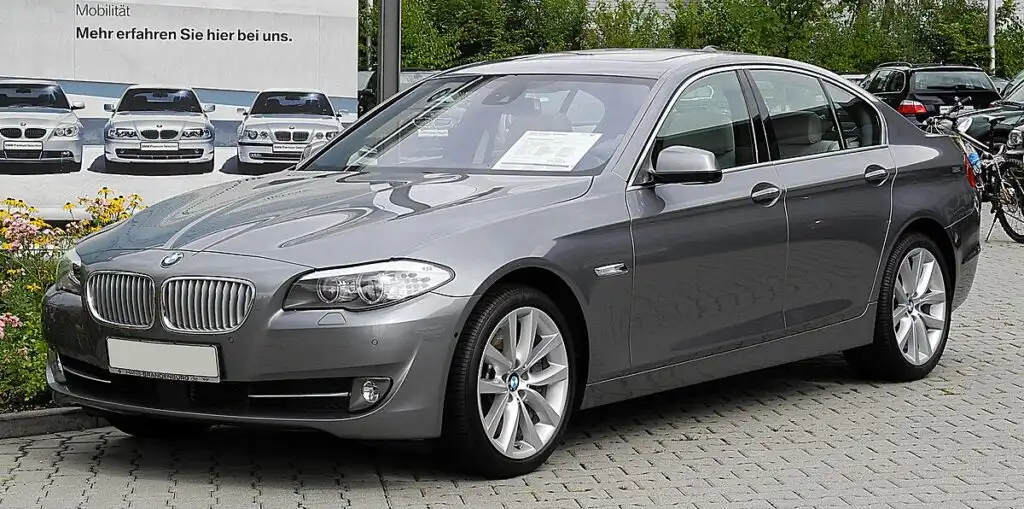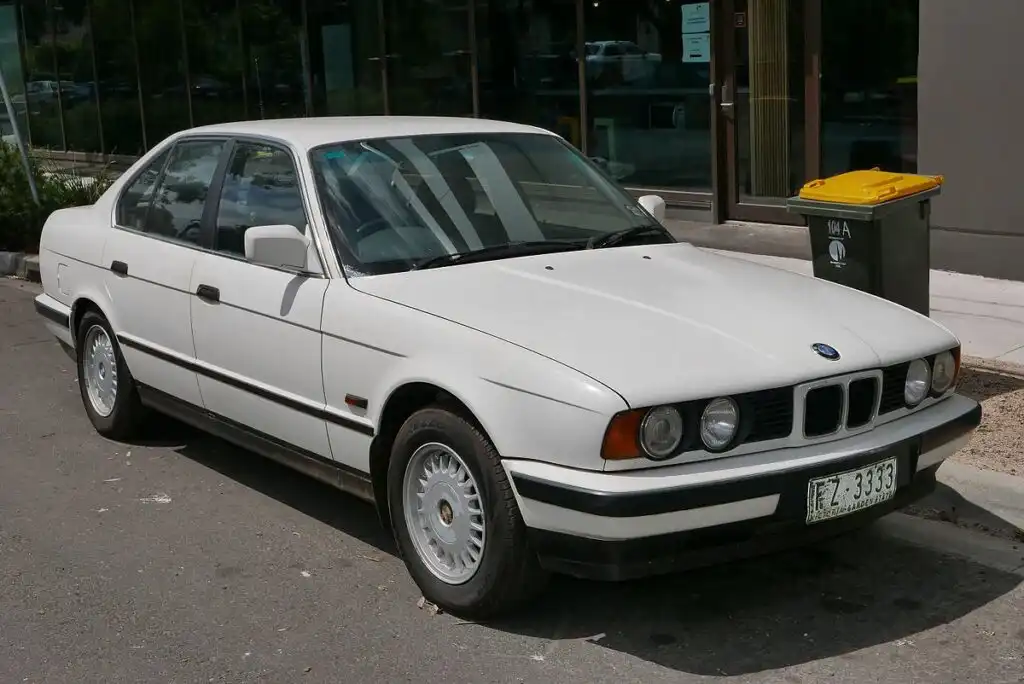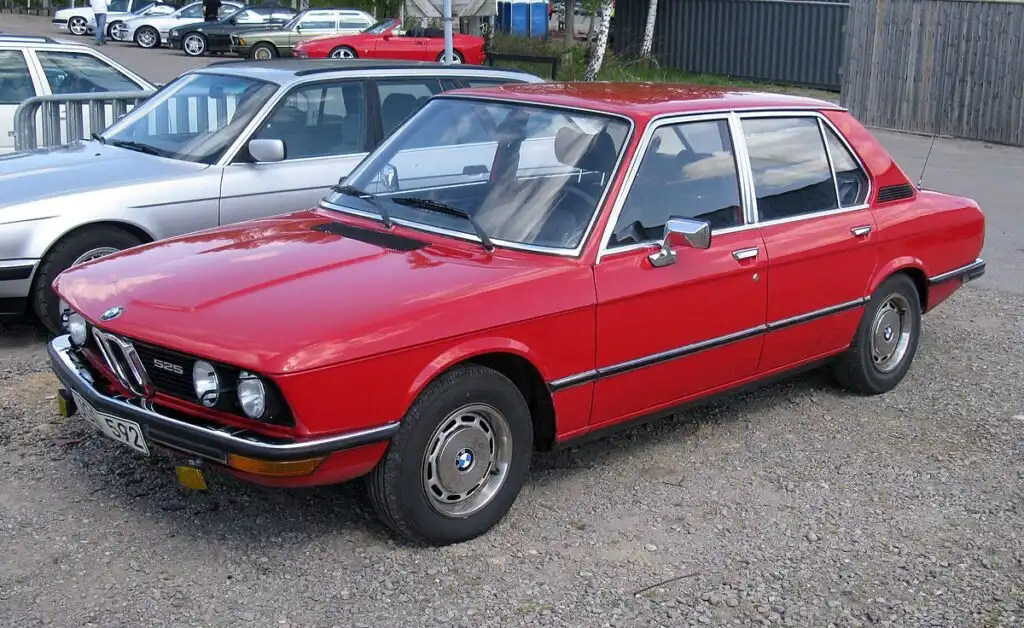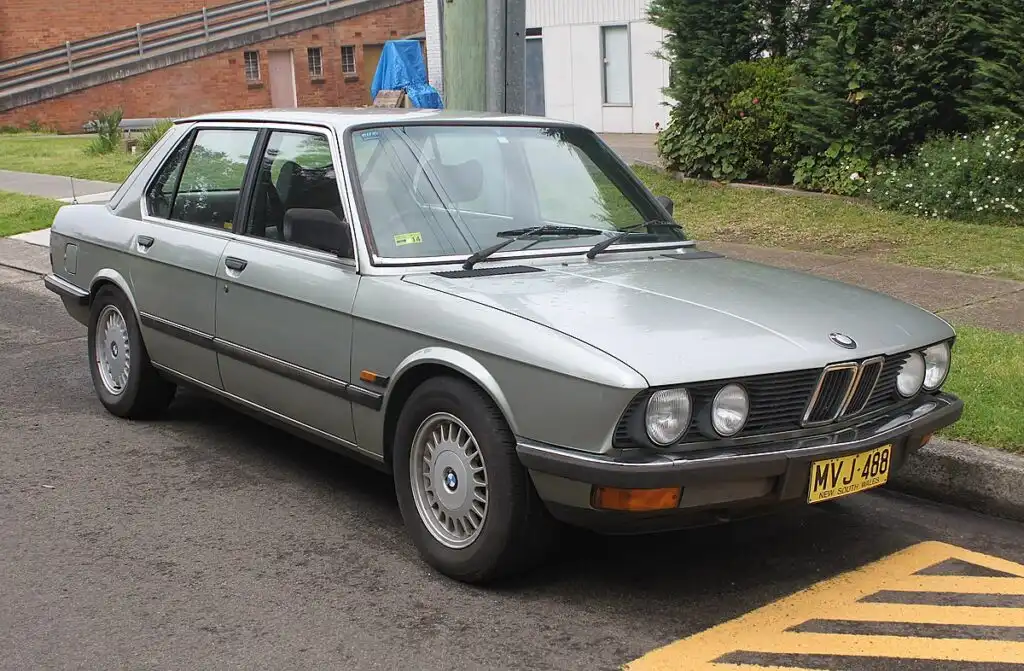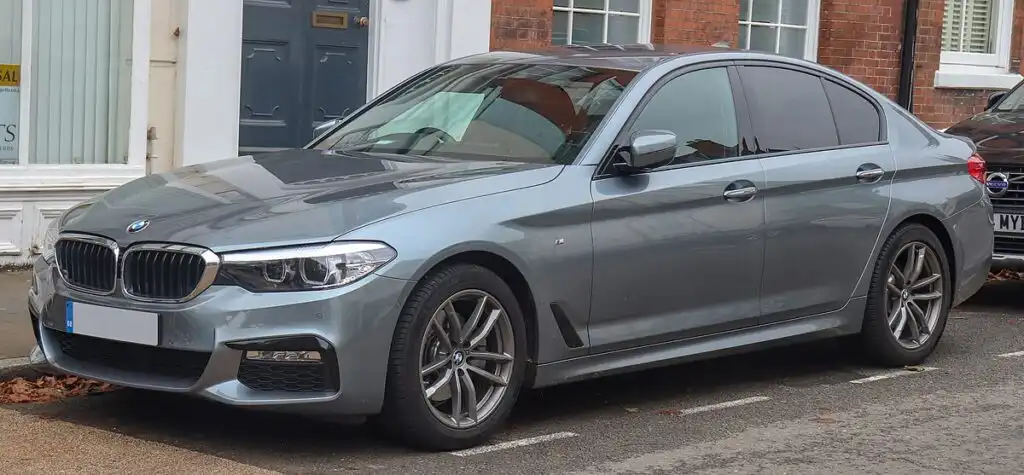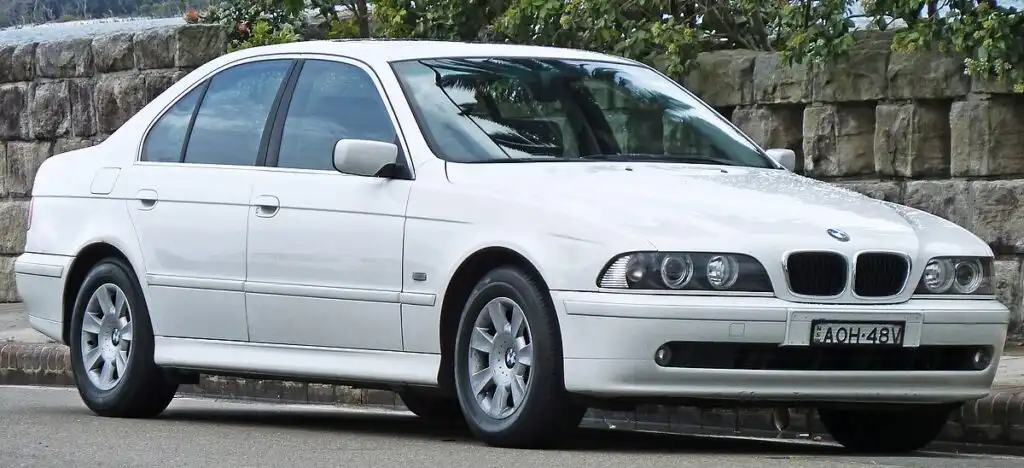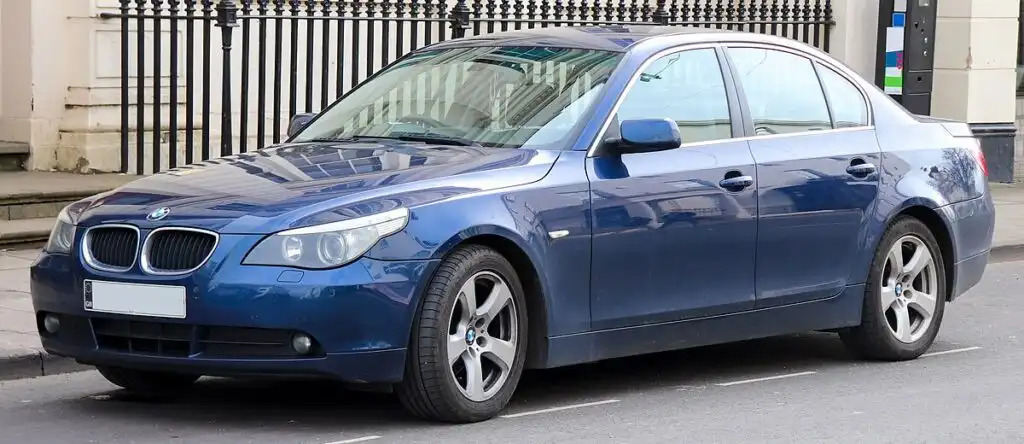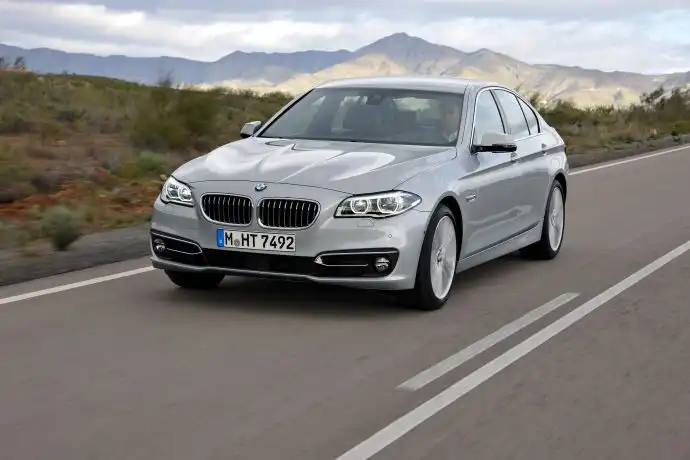
The BMW 520d, specifically the F10 LCI (Life Cycle Impulse) facelift model produced from 2013 to 2014, represented the entry point into the fifth generation (F10) 5 Series sedan range. Positioned as a fuel-efficient and refined option, the 520d catered to buyers prioritizing economy and comfort over outright performance. This variant utilized a 2.0-liter turbocharged diesel engine producing 184 horsepower, paired with an 8-speed automatic transmission. It was a significant offering in the European market, where diesel engines held a substantial market share, and also saw moderate sales in other regions. The F10 LCI brought styling updates, improved efficiency, and enhanced technology compared to the pre-facelift models.
Technical Specifications
| Brand | BMW |
| Model | 5 Series |
| Generation | 5 Series Sedan (F10 LCI, Facelift 2013) |
| Type (Engine) | 520d (184 Hp) |
| Start of production | 2013 |
| End of production | 2014 |
| Powertrain Architecture | Internal Combustion engine |
| Body type | Sedan |
| Seats | 5 |
| Doors | 4 |
| Fuel consumption (urban) | 5.4-5.8 l/100 km (43.6 – 40.6 US mpg, 52.3 – 48.7 UK mpg, 18.5 – 17.2 km/l) |
| Fuel consumption (extra urban) | 4.0-4.4 l/100 km (58.8 – 53.5 US mpg, 70.6 – 64.2 UK mpg, 25 – 22.7 km/l) |
| Fuel consumption (combined) | 4.5-4.9 l/100 km (52.3 – 48 US mpg, 62.8 – 57.6 UK mpg, 22.2 – 20.4 km/l) |
| CO2 emissions | 119-129 g/km |
| Fuel Type | Diesel |
| Acceleration 0 – 100 km/h | 8.1 sec |
| Acceleration 0 – 62 mph | 8.1 sec |
| Acceleration 0 – 60 mph | 7.7 sec |
| Maximum speed | 234 km/h (145.4 mph) |
| Emission standard | Euro 6 |
| Weight-to-power ratio | 8.8 kg/Hp, 113.6 Hp/tonne |
| Weight-to-torque ratio | 4.3 kg/Nm, 234.6 Nm/tonne |
| Power | 184 Hp @ 4000 rpm |
| Torque | 380 Nm @ 1750-2750 rpm (280.27 lb.-ft. @ 1750-2750 rpm) |
| Engine layout | Front, Longitudinal |
| Engine Model/Code | N47D20C |
| Engine displacement | 1995 cm3 (121.74 cu. in.) |
| Number of cylinders | 4 |
| Engine configuration | Inline |
| Cylinder Bore | 84 mm (3.31 in.) |
| Piston Stroke | 90 mm (3.54 in.) |
| Compression ratio | 16.5:1 |
| Number of valves per cylinder | 4 |
| Fuel injection system | Diesel Commonrail |
| Engine aspiration | Twin-power turbo, Intercooler |
| Engine oil capacity | 5.2 l (5.49 US qt | 4.58 UK qt) |
| Coolant | 7.2 l (7.61 US qt | 6.34 UK qt) |
| Kerb Weight | 1620 kg (3571.49 lbs.) |
| Max. weight | 2230 kg (4916.31 lbs.) |
| Max load | 610 kg (1344.82 lbs.) |
| Trunk (boot) space – minimum | 520 l (18.36 cu. ft.) |
| Fuel tank capacity | 70 l (18.49 US gal | 15.4 UK gal) |
| Max. roof load | 100 kg (220.46 lbs.) |
| Permitted trailer load with brakes (12%) | 1800 kg (3968.32 lbs.) |
| Permitted trailer load without brakes | 750 kg (1653.47 lbs.) |
| Permitted towbar download | 90 kg (198.42 lbs.) |
| Length | 4907 mm (193.19 in.) |
| Width | 1860 mm (73.23 in.) |
| Height | 1464 mm (57.64 in.) |
| Wheelbase | 2968 mm (116.85 in.) |
| Front track | 1600 mm (62.99 in.) |
| Rear (Back) track | 1627 mm (64.06 in.) |
| Ride height (ground clearance) | 141 mm (5.55 in.) |
| Drag coefficient (Cd) | 0.26 |
| Minimum turning circle (turning diameter) | 12.0 m (39.37 ft.) |
| Drivetrain Architecture | The Internal combustion engine (ICE) drives the rear wheels of the vehicle. |
| Drive wheel | Rear wheel drive |
| Number of gears and type of gearbox | 8 gears, automatic transmission |
| Front suspension | Double wishbone |
| Rear suspension | Independent multi-link suspension |
| Front brakes | Ventilated discs |
| Rear brakes | Ventilated discs |
| Assisting systems | ABS (Anti-lock braking system) |
| Steering type | Steering rack and pinion |
| Power steering | Electric Steering |
| Tires size | 225/55 R17; 245/45 R18; 275/40 R18; 245/40 R19; 275/35 R19; 245/35 R20; 275/30 R20 |
| Wheel rims size | 8J x 17; 8J x 18; 9J x 18; 8.5J x 19; 9J x 19; 8.5J x 20; 9J x 20 |
Powertrain & Engine Architecture
The heart of the 520d LCI is the BMW N47D20C engine, a 2.0-liter inline-four cylinder diesel. This engine is a member of the N47 family, known for its efficiency and relatively compact size. It features common-rail direct injection, a turbocharger with variable geometry, and an intercooler. The N47D20C produces 184 horsepower at 4,000 rpm and 380 Nm (280 lb-ft) of torque between 1,750 and 2,750 rpm. This torque output, available across a broad rev range, is a key characteristic of modern diesel engines and contributes to the 520d’s relaxed driving experience. The engine utilizes four valves per cylinder and a compression ratio of 16.5:1. The 8-speed automatic transmission (8F20) is a crucial component, offering smooth and quick shifts. It’s designed to maximize fuel efficiency and provide a comfortable driving experience. The transmission’s gear ratios are optimized for both acceleration and highway cruising.
Driving Characteristics
The 520d LCI, with its 184 hp and automatic transmission, delivers a comfortable and refined driving experience. Acceleration from 0 to 60 mph takes approximately 7.7 seconds, which is respectable but not particularly sporty. The focus is on effortless cruising and fuel economy. The 8-speed automatic transmission contributes to this, providing smooth gear changes and keeping the engine within its optimal torque band. Compared to the more powerful 525d or 530d models, the 520d feels less urgent in acceleration, but it offers a more relaxed and economical driving experience. The automatic transmission, while smooth, doesn’t offer the same level of driver engagement as a manual gearbox. The steering is precise and well-weighted, typical of BMW, providing good feedback to the driver.
Equipment & Trim Levels
The 520d LCI typically came equipped with a generous amount of standard features. These included automatic climate control, a BMW iDrive infotainment system with a central display screen, power-adjustable front seats, and a leather-wrapped steering wheel. Common options included navigation, upgraded audio systems (Harman Kardon), a sunroof, and parking sensors. Interior upholstery was typically cloth or leatherette, with full leather available as an upgrade. Trim levels varied slightly depending on the market, but generally, the 520d was positioned as a well-equipped entry-level model. The LCI facelift brought updated interior trim options and improved materials compared to the pre-facelift F10.
Chassis & Braking
The F10 5 Series utilizes a double-wishbone front suspension and an independent multi-link rear suspension. This setup provides a comfortable ride and good handling characteristics. The 520d typically came equipped with ventilated disc brakes on all four wheels, providing ample stopping power. Anti-lock Braking System (ABS) and Electronic Stability Control (ESC) were standard safety features. The suspension tuning was generally comfort-oriented, prioritizing ride quality over outright sportiness. Stabilizer bars were fitted front and rear to reduce body roll during cornering.
Market Reception & Comparison
The 520d LCI was well-received by critics for its fuel efficiency, comfortable ride, and refined driving experience. It was often praised as a sensible choice for drivers who prioritize economy and practicality. Compared to the higher-output 5 Series models, the 520d offered a lower purchase price and significantly better fuel economy. However, some critics noted that it lacked the performance and excitement of its more powerful siblings. In terms of reliability, the N47 engine has been known to have some issues with timing chain wear, which is a consideration for potential used car buyers. However, many owners report years of trouble-free operation.
Legacy
The BMW 520d LCI remains a popular choice in the used car market, particularly in Europe. Its combination of fuel efficiency, comfort, and BMW build quality makes it an attractive option for buyers seeking a premium sedan. The N47 engine, despite its potential timing chain issues, is generally considered to be a durable and reliable unit when properly maintained. The 520d LCI represents a well-rounded package that continues to offer a compelling value proposition for those seeking a refined and economical luxury car.