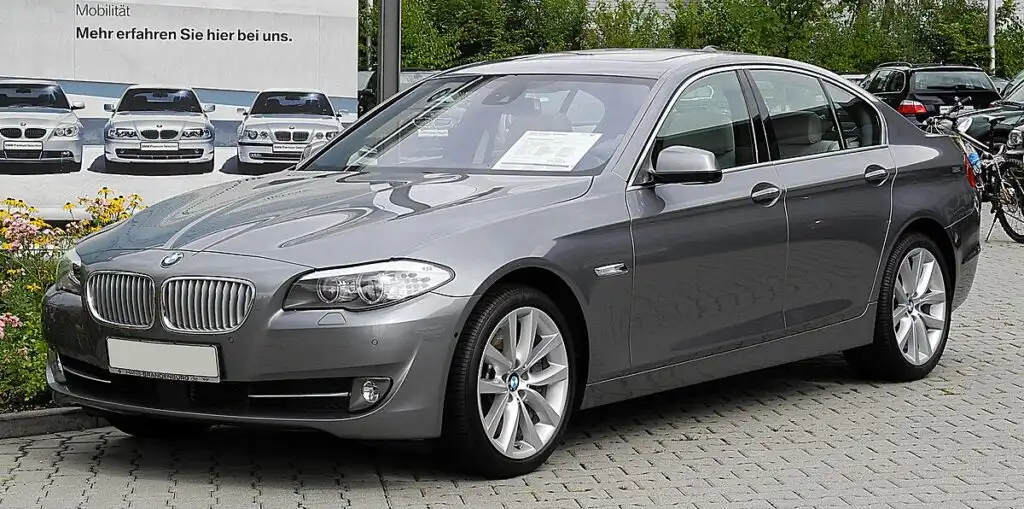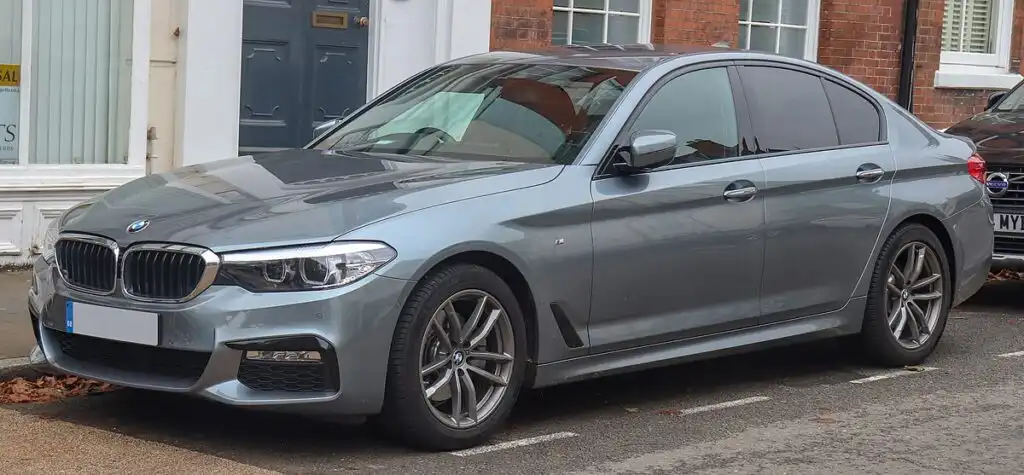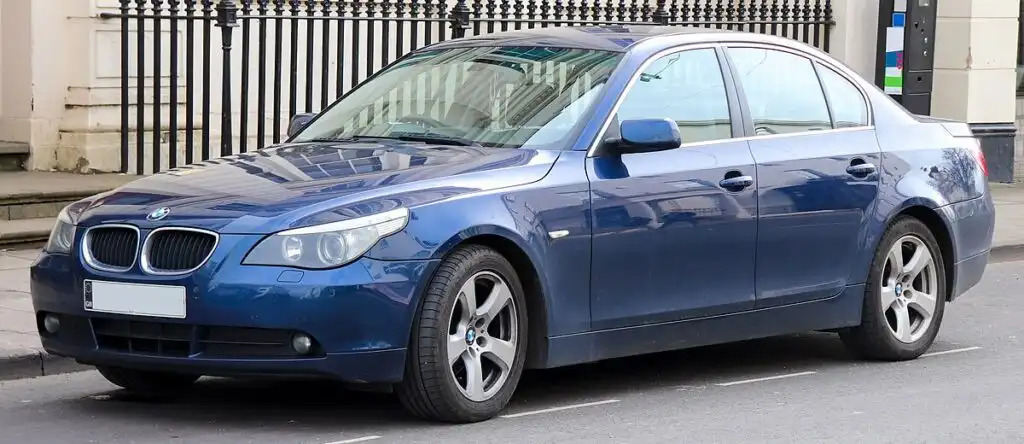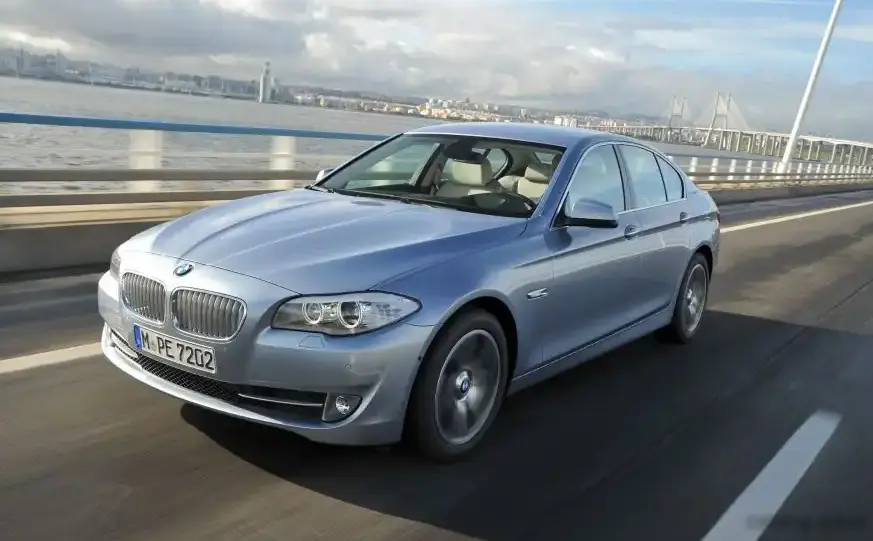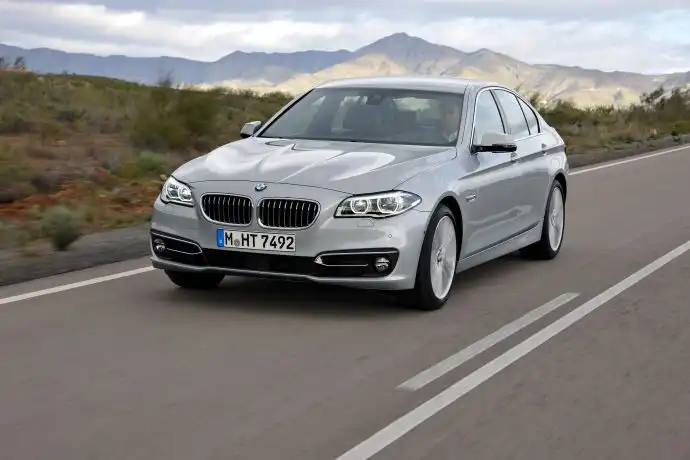
The BMW 530d Steptronic, part of the F10 5 Series range produced from 2013 to 2016, represented a significant offering in the executive sedan segment. This variant, a facelifted version (LCI) of the sixth-generation 5 Series, combined a potent diesel engine with a smooth-shifting eight-speed automatic transmission. Positioned as a mid-range option, the 530d aimed to deliver a balance of performance, efficiency, and refinement, appealing to drivers seeking a comfortable and capable grand tourer. It was a key model for BMW in Europe and other markets where diesel engines were highly favored, offering a compelling alternative to gasoline-powered counterparts and higher-performance 5 Series models.
Technical Specifications
| Brand | BMW |
| Model | 5 Series |
| Generation | 5 Series Sedan (F10 LCI, Facelift 2013) |
| Type (Engine) | 530d (258 Hp) Steptronic |
| Start of production | 2013 |
| End of production | 2016 |
| Powertrain Architecture | Internal Combustion engine |
| Body type | Sedan |
| Seats | 5 |
| Doors | 4 |
| Fuel consumption (urban) | 6.0-6.5 l/100 km (39.2 – 36.2 US mpg) |
| Fuel consumption (extra urban) | 4.6-4.9 l/100 km (51.1 – 48 US mpg) |
| Fuel consumption (combined) | 5.1-5.5 l/100 km (46.1 – 42.8 US mpg) |
| CO2 emissions | 134-144 g/km |
| Fuel Type | Diesel |
| Acceleration 0 – 100 km/h | 5.8 sec |
| Acceleration 0 – 62 mph | 5.8 sec |
| Acceleration 0 – 60 mph | 5.5 sec |
| Maximum speed | 250 km/h (155.34 mph) |
| Emission standard | Euro 6 |
| Weight-to-power ratio | 6.6 kg/Hp, 150.9 Hp/tonne |
| Weight-to-torque ratio | 3.1 kg/Nm, 327.5 Nm/tonne |
| Power | 258 Hp @ 4000 rpm |
| Torque | 560 Nm @ 1500-3000 rpm (413.03 lb.-ft. @ 1500-3000 rpm) |
| Engine layout | Front, Longitudinal |
| Engine Model/Code | N57D30A |
| Engine displacement | 2993 cm3 (182.64 cu. in.) |
| Number of cylinders | 6 |
| Engine configuration | Inline |
| Cylinder Bore | 84 mm (3.31 in.) |
| Piston Stroke | 90 mm (3.54 in.) |
| Compression ratio | 16.5:1 |
| Number of valves per cylinder | 4 |
| Fuel injection system | Diesel Commonrail |
| Engine aspiration | Twin-power turbo, Intercooler |
| Engine oil capacity | 6.5 l (6.87 US qt | 5.72 UK qt) |
| Coolant | 10 l (10.57 US qt | 8.8 UK qt) |
| Kerb Weight | 1710 kg (3769.9 lbs.) |
| Max. weight | 2320 kg (5114.72 lbs.) |
| Max load | 610 kg (1344.82 lbs.) |
| Trunk (boot) space – minimum | 520 l (18.36 cu. ft.) |
| Fuel tank capacity | 70 l (18.49 US gal | 15.4 UK gal) |
| Max. roof load | 100 kg (220.46 lbs.) |
| Permitted trailer load with brakes (12%) | 2000 kg (4409.25 lbs.) |
| Permitted trailer load without brakes | 750 kg (1653.47 lbs.) |
| Permitted towbar download | 90 kg (198.42 lbs.) |
| Length | 4907 mm (193.19 in.) |
| Width | 1860 mm (73.23 in.) |
| Height | 1464 mm (57.64 in.) |
| Wheelbase | 2968 mm (116.85 in.) |
| Front track | 1600 mm (62.99 in.) |
| Rear (Back) track | 1627 mm (64.06 in.) |
| Ride height (ground clearance) | 141 mm (5.55 in.) |
| Drag coefficient (Cd) | 0.26 |
| Minimum turning circle (turning diameter) | 12.0 m (39.37 ft.) |
| Drivetrain Architecture | The Internal combustion engine (ICE) drives the rear wheels of the vehicle. |
| Drive wheel | Rear wheel drive |
| Number of gears and type of gearbox | 8 gears, automatic transmission Steptronic |
| Front suspension | Double wishbone |
| Rear suspension | Independent multi-link suspension |
| Front brakes | Ventilated discs |
| Rear brakes | Ventilated discs |
| Assisting systems | ABS (Anti-lock braking system) |
| Steering type | Steering rack and pinion |
| Power steering | Electric Steering |
| Tires size | 225/55 R17; 245/45 R18; 275/40 R18; 245/40 R19; 275/35 R19; 245/35 R20; 275/30 R20 |
| Wheel rims size | 8J x 17; 8J x 18; 9J x 18; 8.5J x 19; 9J x 19; 8.5J x 20; 9J x 20 |
Powertrain & Engine Architecture
The heart of the 530d was the N57D30A, a 3.0-liter inline-six diesel engine. This engine was a cornerstone of BMW’s diesel lineup, known for its robust construction and refined operation. The N57 featured a common-rail direct injection system, delivering fuel at extremely high pressures for optimized combustion. A twin-turbocharger setup – one low-pressure and one high-pressure turbo – provided a broad torque curve and minimized turbo lag. The engine also incorporated an intercooler to further enhance performance. The eight-speed Steptronic automatic transmission was a key component, offering smooth and quick gear changes. This transmission was known for its efficiency and adaptability, contributing to the 530d’s impressive fuel economy. The transmission featured steering wheel-mounted paddle shifters for manual control, though most drivers utilized the automatic mode.
Driving Characteristics
The 530d Steptronic delivered a refined and effortless driving experience. The 560 Nm (413 lb-ft) of torque, available from just 1500 rpm, provided strong acceleration in everyday driving situations. While not as overtly sporty as the 535i or 550i models, the 530d offered more than adequate performance, with a 0-60 mph time of around 5.5 seconds. The eight-speed transmission was well-matched to the engine’s characteristics, providing seamless gear changes and keeping the engine in its optimal power band. Compared to the six-speed manual transmission available on some 530d models, the Steptronic offered greater convenience and a more relaxed driving experience, albeit with a slight reduction in driver engagement. The rear-wheel-drive configuration contributed to balanced handling, although it could be less forgiving in slippery conditions compared to xDrive all-wheel-drive variants.
Equipment & Trim Levels
The 530d Steptronic typically came well-equipped, reflecting its position as a mid-range offering. Standard features included leather upholstery, automatic climate control, a multi-function steering wheel, and BMW’s iDrive infotainment system. Optional extras were plentiful, allowing buyers to customize their vehicles. Popular options included a premium sound system, navigation, heated seats, a sunroof, and various driver-assistance systems such as lane departure warning and adaptive cruise control. Interior trim options ranged from wood veneers to aluminum accents, allowing for personalization. The LCI facelift brought subtle styling updates to the interior, including revised trim pieces and updated iDrive graphics.
Chassis & Braking
The F10 5 Series featured a sophisticated chassis design. The 530d utilized a double-wishbone front suspension and an independent multi-link rear suspension, providing a comfortable ride and precise handling. The suspension was tuned to balance comfort and control, making it suitable for both long-distance cruising and spirited driving. Braking duties were handled by ventilated disc brakes on all four wheels, providing ample stopping power. ABS (Anti-lock Braking System) was standard, along with electronic stability control. The 530d’s weight distribution was relatively balanced, contributing to its neutral handling characteristics.
Market Reception & Comparison
The 530d Steptronic was generally well-received by automotive critics. It was praised for its refined engine, smooth transmission, and comfortable ride. Fuel economy was a major selling point, with the 530d offering significantly better mileage than its gasoline-powered counterparts. Compared to the 528i, the 530d provided more torque and better fuel economy, but lacked the high-revving excitement of the gasoline engine. Against the 535i, the 530d offered a more economical option with a slight compromise in outright performance. Reliability was generally good, although some owners reported issues with the diesel particulate filter (DPF) and turbocharger over the long term.
Legacy
The F10 530d Steptronic has proven to be a durable and reliable vehicle in the used car market. The N57 engine, while requiring regular maintenance, is generally considered robust when properly cared for. The eight-speed Steptronic transmission has also proven to be reliable. Today, these vehicles offer a compelling value proposition for buyers seeking a comfortable, efficient, and well-equipped executive sedan. However, potential buyers should be aware of the potential for DPF issues and the cost of maintaining a diesel engine, including the need for AdBlue refills. The 530d remains a popular choice for those who prioritize fuel economy and long-distance comfort.