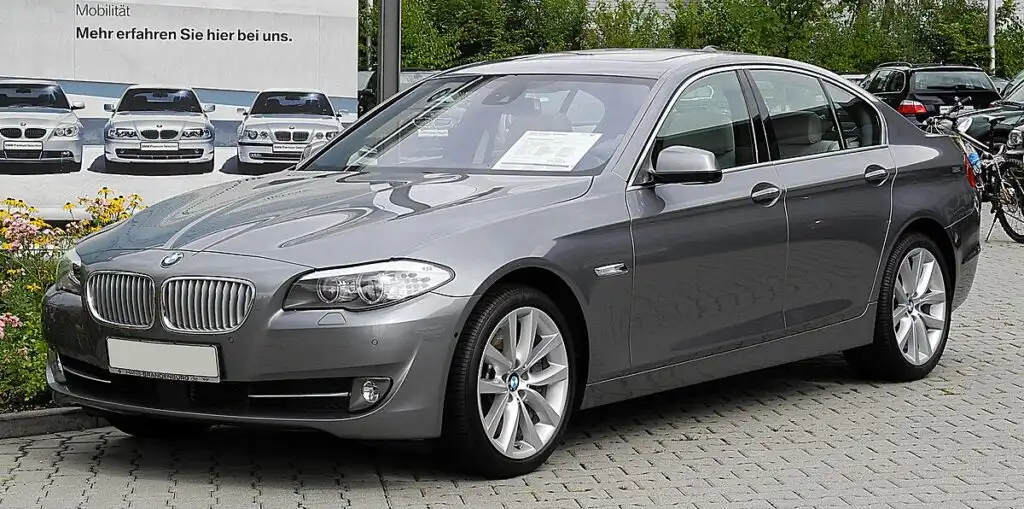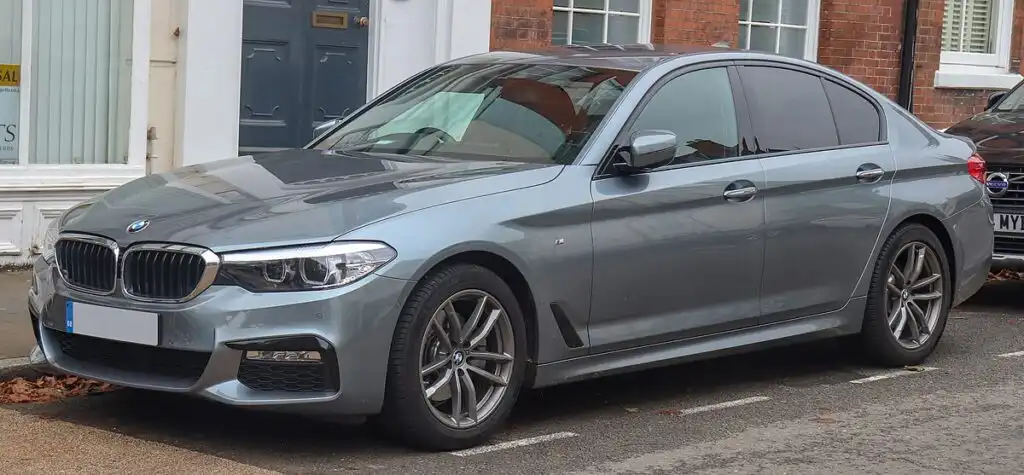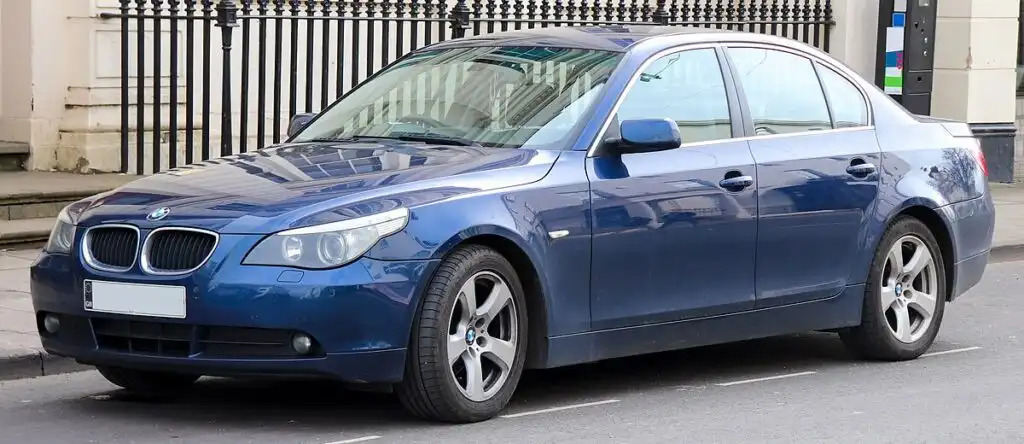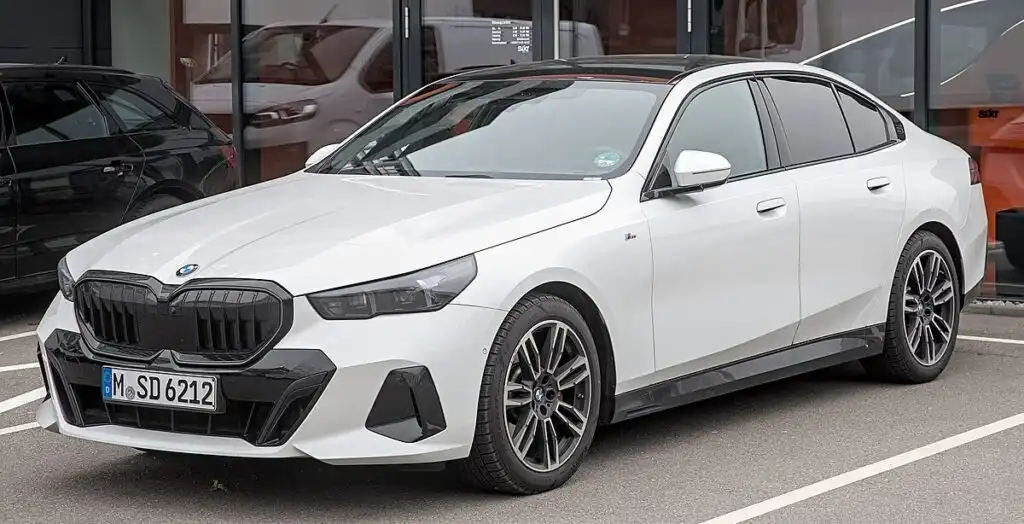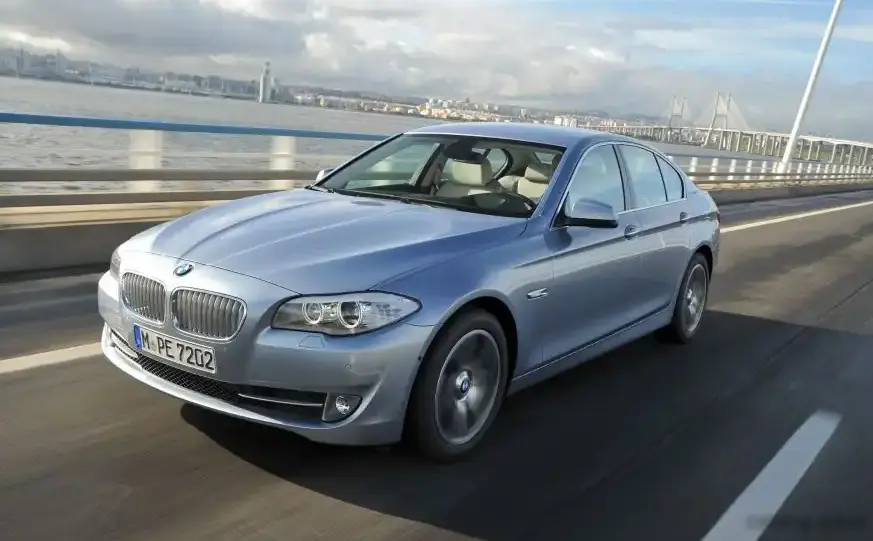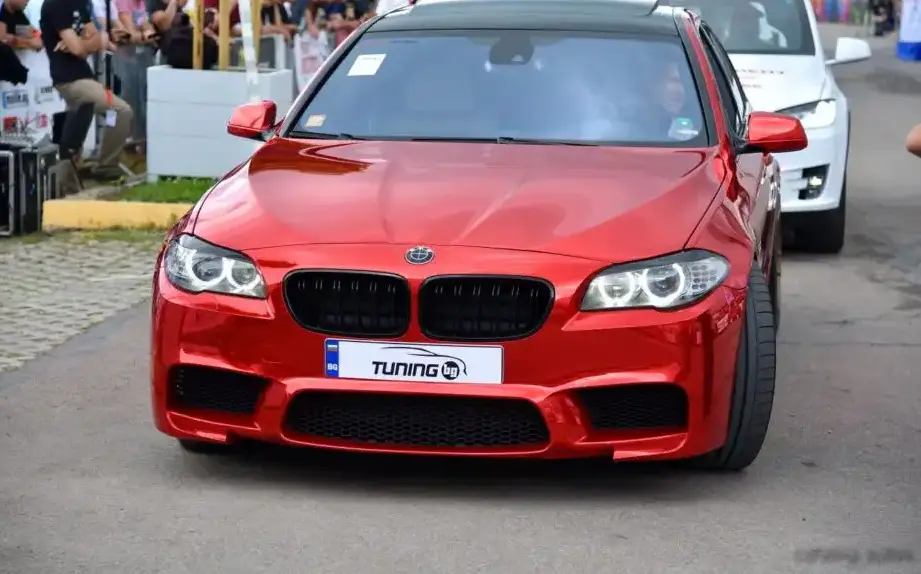
The BMW 5 Series Sedan (F10) M550d xDrive Steptronic, produced from 2012 to 2013, represented a unique offering within the fifth generation (F10) 5 Series lineup. Positioned as a performance-oriented diesel variant, it bridged the gap between the more mainstream 5 Series models and the high-performance M5. This model aimed to deliver a blend of luxury, efficiency, and substantial performance, appealing to buyers seeking a refined yet powerful grand tourer. The M550d utilized BMW’s advanced diesel technology and all-wheel-drive system (xDrive) to provide confident handling and impressive acceleration.
Technical Specifications
| Brand | BMW |
| Model | 5 Series |
| Generation | 5 Series Sedan (F10) |
| Type (Engine) | M550d (381 Hp) xDrive Steptronic |
| Start of production | 2012 |
| End of production | 2013 |
| Powertrain Architecture | Internal Combustion engine |
| Body type | Sedan |
| Seats | 5 |
| Doors | 4 |
| Fuel consumption (urban) | 7.1 l/100 km (33.1 US mpg, 39.8 UK mpg, 14.1 km/l) |
| Fuel consumption (extra urban) | 5.8 l/100 km (40.6 US mpg, 48.7 UK mpg, 17.2 km/l) |
| Fuel consumption (combined) | 6.3 l/100 km (37.3 US mpg, 44.8 UK mpg, 15.9 km/l) |
| Fuel Type | Diesel |
| Acceleration 0 – 100 km/h | 4.7 sec |
| Acceleration 0 – 62 mph | 4.7 sec |
| Acceleration 0 – 60 mph | 4.5 sec |
| Maximum speed | 250 km/h (155.34 mph) |
| Weight-to-power ratio | 5.2 kg/Hp, 193.4 Hp/tonne |
| Weight-to-torque ratio | 2.7 kg/Nm, 375.6 Nm/tonne |
| Power | 381 Hp @ 4000-4400 rpm |
| Power per litre | 127.3 Hp/l |
| Torque | 740 Nm @ 2000-3000 rpm (545.8 lb.-ft. @ 2000-3000 rpm) |
| Engine layout | Front, Longitudinal |
| Engine Model/Code | N57D30C |
| Engine displacement | 2993 cm3 (182.64 cu. in.) |
| Number of cylinders | 6 |
| Engine configuration | Inline |
| Cylinder Bore | 84 mm (3.31 in.) |
| Piston Stroke | 90 mm (3.54 in.) |
| Compression ratio | 16:1 |
| Number of valves per cylinder | 4 |
| Fuel injection system | Diesel Commonrail |
| Engine aspiration | Turbocharger, Intercooler |
| Engine oil capacity | 6.5 l (6.87 US qt | 5.72 UK qt) |
| Coolant | 10 l (10.57 US qt | 8.8 UK qt) |
| Kerb Weight | 1970 kg (4343.11 lbs.) |
| Max. weight | 2475 kg (5456.44 lbs.) |
| Max load | 505 kg (1113.33 lbs.) |
| Fuel tank capacity | 70 l (18.49 US gal | 15.4 UK gal) |
| Length | 4910 mm (193.31 in.) |
| Width | 1860 mm (73.23 in.) |
| Height | 1454 mm (57.24 in.) |
| Wheelbase | 2968 mm (116.85 in.) |
| Front track | 1594 mm (62.76 in.) |
| Rear track | 1599 mm (62.95 in.) |
| Drag coefficient (Cd) | 0.30 |
| Drive wheel | All wheel drive (4×4) |
| Number of gears | 8 |
| Gearbox type | automatic transmission Steptronic |
| Front brakes | Ventilated discs |
| Rear brakes | Ventilated discs |
| Assisting systems | ABS (Anti-lock braking system) |
| Steering type | Steering rack and pinion |
| Tires size | 245/40 R19 94Y; 275/35 R19 96Y |
| Wheel rims size | 8.5J x 19; 9J x 19 |
Powertrain & Engine Architecture
The heart of the M550d was the N57D30C, a 3.0-liter inline-six diesel engine. This engine was a highly advanced design for its time, featuring a common-rail direct injection system, a variable geometry turbocharger, and intercooling. The common-rail system allowed for precise fuel delivery at extremely high pressures, optimizing combustion efficiency and power output. The variable geometry turbocharger adjusted its vanes to maximize boost across the engine’s rev range, minimizing turbo lag and providing a broad torque curve. The engine produced 381 horsepower and a substantial 740 Nm (545.8 lb-ft) of torque. This torque figure was a key characteristic, providing effortless acceleration and strong pulling power. The engine was paired with an 8-speed Steptronic automatic transmission, which offered smooth and quick shifts. The transmission was tuned to complement the engine’s characteristics, providing both comfortable cruising and responsive performance.
Driving Characteristics
The M550d delivered a driving experience that was markedly different from traditional diesel vehicles. The abundant torque allowed for brisk acceleration in any gear, making overtaking effortless. The 0-60 mph sprint was achieved in around 4.5 seconds, placing it firmly in performance sedan territory. The xDrive all-wheel-drive system provided excellent traction, particularly in adverse weather conditions. While not as overtly sporty as the M5, the M550d offered a refined and comfortable ride, making it well-suited for long-distance journeys. The automatic transmission shifted smoothly and intelligently, and the steering was precise and well-weighted. Compared to the 535d, the M550d offered a significant performance upgrade, while the 530d was a more fuel-efficient, entry-level option.
Equipment & Trim Levels
The M550d came standard with a comprehensive list of features, reflecting its position as a premium model. Standard equipment included leather upholstery, power-adjustable front seats with memory function, a premium sound system, a navigation system, and a sunroof. Optional extras included adaptive cruise control, a head-up display, and upgraded interior trim options. The interior design was typical of BMW, with a driver-focused layout and high-quality materials. The dashboard featured a prominent infotainment screen, and the controls were logically arranged and easy to use.
Chassis & Braking
The M550d featured a robust chassis designed to handle the engine’s power and torque. The suspension system consisted of independent suspension all around, with adaptive dampers available as an option. The brakes were upgraded compared to the standard 5 Series models, with ventilated discs at all four corners. The ABS (Anti-lock braking system) and stability control systems provided enhanced safety and control. The M550d’s suspension was tuned to provide a balance between comfort and handling, offering a composed ride without sacrificing agility.
Market Reception & Comparison
The M550d was generally well-received by automotive critics. It was praised for its impressive performance, refined ride, and fuel efficiency. Some critics noted that the diesel engine lacked the aural excitement of a gasoline engine, but the overall driving experience was highly regarded. Compared to its rivals, such as the Audi A6 3.0 TDI and the Mercedes-Benz E350 CDI, the M550d offered a compelling combination of performance, luxury, and efficiency. Fuel economy was a strong point, with combined fuel consumption figures around 37.3 US mpg.
Legacy
The BMW F10 M550d represented a significant step forward in diesel performance technology. The N57D30C engine proved to be a reliable and durable powerplant, and many examples are still on the road today. While diesel vehicles have faced increasing scrutiny in recent years, the M550d remains a desirable option for those seeking a refined and powerful grand tourer. On the used car market, well-maintained examples command a premium price, reflecting their unique combination of performance, luxury, and efficiency. The M550d demonstrated BMW’s ability to create a diesel-powered vehicle that could compete with its gasoline-powered counterparts in terms of performance and driving enjoyment.